
The Current Landscape of California Homeownership
California, renowned for its innovation, vibrant culture, and diverse landscapes, also presents one of the most dynamic and challenging housing markets in the United States. Understanding the precise number of homeowners in the state requires an examination of its unique demographic trends, economic pressures, and historical context. As of recent analyses, the homeownership rate in California hovers around 55-56%, a figure consistently lower than the national average, which typically sits above 65%. While this percentage might seem modest, given the state’s immense population, it translates to millions of households proudly owning their homes.

To put this into perspective, with a population exceeding 39 million and roughly 14 million housing units, approximately 7 to 8 million households in California are homeowners. This vast number reflects the aspirations of many to establish roots in the Golden State, despite the significant hurdles often associated with achieving homeownership here. The state’s housing market is a tapestry woven from diverse threads: from the bustling urban centers with sky-high property values to the more rural, agricultural areas offering relative affordability. This inherent diversity means that a single statistic, while indicative, rarely captures the full complexity of individual experiences across California’s myriad communities. The lower homeownership rate compared to the national average is a persistent characteristic, largely driven by factors unique to the state, making the journey to homeownership a distinct challenge for many residents.
Key Factors Influencing Homeownership Rates in the Golden State
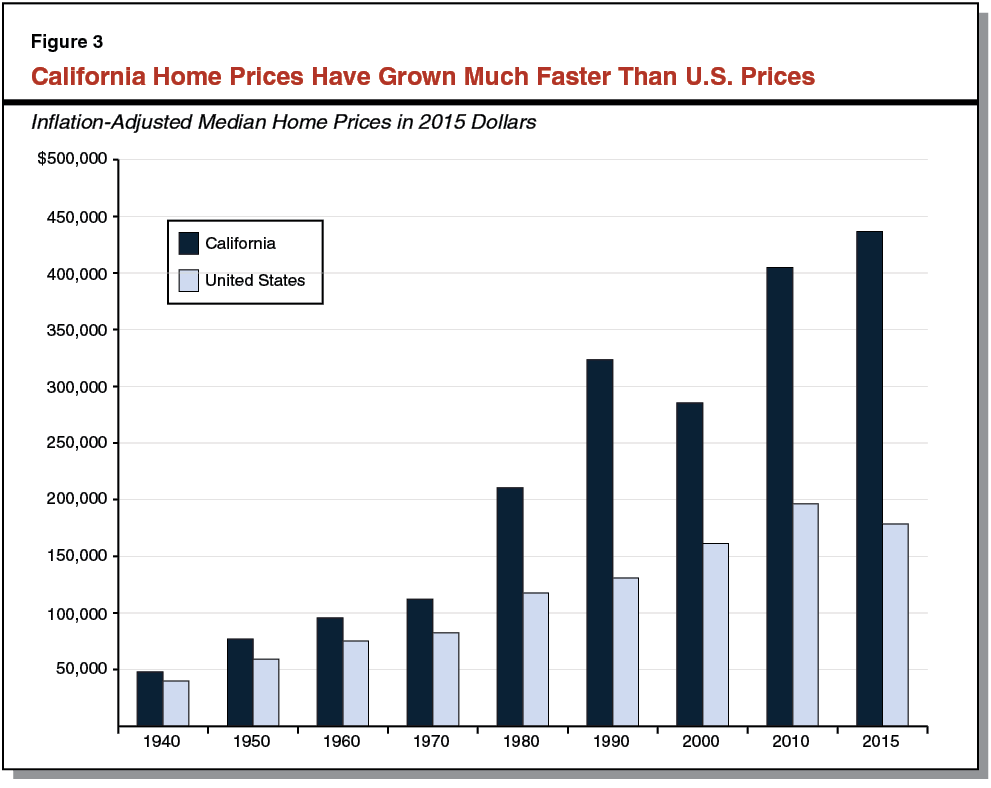
The intricate web of factors contributing to California’s homeownership rates is complex, deeply rooted in the state’s economic structure, geography, and regulatory environment. Foremost among these is the staggering cost of living, particularly housing costs, which consistently rank among the highest globally. Median home prices across much of the state far exceed national averages, requiring significantly higher incomes for down payments and monthly mortgage payments. This reality creates a formidable barrier to entry for many prospective buyers, especially first-time homeowners.
Another critical factor is the persistent imbalance between housing supply and demand. California has struggled for decades to build enough housing units to keep pace with population growth and job creation. Stringent zoning regulations, environmental reviews, and a scarcity of developable land in desirable coastal areas contribute to this chronic housing shortage. Furthermore, economic conditions, including fluctuating interest rates, inflation, and job market stability, play a pivotal role. While California’s economy is robust, the high wages in booming tech and innovation sectors often don’t trickle down evenly, creating a widening affordability gap. Government policies, ranging from local land-use laws to statewide initiatives aimed at promoting affordable housing, also exert considerable influence, sometimes inadvertently exacerbating the problem through slow approval processes or insufficient incentives for dense construction.
Economic Pressures and Affordability
The relentless economic pressures in California are perhaps the most direct determinant of its homeownership rates. Regions like the Bay Area, Los Angeles, and San Diego epitomize this challenge, where median home prices can easily soar into seven figures. For instance, in San Francisco, the median home price can exceed $1.5 million, demanding an annual household income well over $300,000 to comfortably afford a mortgage. These figures dramatically outpace wage growth for a vast segment of the population, leading to a situation where only a privileged few can afford to purchase homes in these desirable urban centers.
This affordability crisis forces many to either rent indefinitely, relocate to more affordable states, or embark on lengthy commutes from less expensive inland communities. Even areas traditionally considered more accessible, such as parts of the Inland Empire or the Central Valley, have seen significant price appreciation, though they still offer relatively lower entry points compared to coastal metros. The dream of homeownership, while potent, increasingly requires strategic financial planning, significant savings, and often, assistance from family to overcome the substantial down payment requirements and competitive bidding wars that characterize California’s housing market.
Demographic Insights and Regional Variations
The profile of a California homeowner is as diverse as the state itself, yet certain demographic trends reveal significant disparities in homeownership rates. Age plays a crucial role; younger generations, particularly millennials and Gen Z, face unprecedented hurdles in achieving homeownership. Burdened by student loan debt, stagnant wage growth relative to housing costs, and delayed household formation, many find themselves renting well into their 30s and even 40s. In contrast, older generations, who purchased homes decades ago when prices were significantly lower, often boast higher homeownership rates and substantial accumulated equity.

Ethnic and racial disparities also persist, reflecting historical inequalities and ongoing socioeconomic challenges. While Asian and White households generally exhibit higher homeownership rates, Black and Hispanic households often face lower rates, influenced by factors such as wealth disparities, access to financial resources, and discriminatory practices. These gaps highlight the systemic barriers that continue to impact equitable access to homeownership across different communities.
The Generational Divide
The generational divide in California homeownership is particularly stark. For decades, homeownership was a cornerstone of the American Dream, a tangible symbol of stability and a primary means of wealth accumulation. However, for young adults today, this path has become increasingly arduous. The average age of a first-time homebuyer in California has climbed steadily, often exceeding 35 years old. This delay is not merely a matter of choice; it’s a reflection of economic necessity. Many millennials, even those with high-paying jobs in the tech sector, struggle to save for a down payment while simultaneously managing the high cost of rent and daily expenses in metropolitan areas.
The financial landscape has shifted dramatically, with housing costs inflating at a pace that far outstrips wage increases for most professions. Consequently, homeownership has become less a rite of passage and more a distant aspiration or a privilege afforded by generational wealth transfer. This dynamic contributes to a prolonged period of rental living for many young professionals, impacting their ability to build equity and achieve long-term financial security, further entrenching the wealth gap between generations.
The Interplay Between Homeownership and Long-Term Accommodation Trends
The challenging homeownership landscape in California inevitably shapes broader long-term accommodation trends. With homeownership often out of reach, a significant portion of the population relies on the rental market for their housing needs. This robust demand keeps rental prices high, creating a cyclical challenge where high rents make it difficult to save for a down payment, perpetuating the cycle of renting. Consequently, California has one of the nation’s most expensive rental markets, particularly in urban hubs like Los Angeles, San Francisco, and San Diego.
The situation has also spurred the growth of alternative long-term accommodation models. Accessory Dwelling Units (ADUs), often referred to as granny flats or backyard cottages, have gained popularity as a means to increase housing density and offer more affordable rental options or multi-generational living solutions. Co-living spaces, where residents share common areas while maintaining private bedrooms, are also emerging as a pragmatic choice for those seeking community and cost-efficiency in expensive markets. These trends underscore a broader shift in how Californians perceive and secure long-term shelter, moving beyond the traditional single-family home ownership model towards more flexible, dense, and often communal arrangements.
The Appeal of Rental Living
For many Californians, particularly in the high-cost urban centers, long-term rental living has transitioned from a temporary stopgap to a pragmatic and often preferred choice. The allure of renting stems from several factors. Primarily, it liberates individuals from the substantial financial burden of a large down payment, property taxes, home insurance, and ongoing maintenance costs that come with homeownership. This financial flexibility allows residents to allocate their resources to other priorities, such as career development, travel, or personal investments that may offer quicker returns than a volatile housing market.
Furthermore, renting offers unparalleled flexibility. It caters to a mobile workforce and those who prefer not to be tied down to a single location for extended periods. In a state as dynamic as California, where career opportunities can shift rapidly, the ease of relocating without the complexities of selling a home is a significant advantage. While homeownership is often lauded for its wealth-building potential through equity, the high entry costs and market volatility in California can sometimes make renting a less risky and more accessible path to comfortable, long-term accommodation. The choice between owning and renting is no longer a simple one, often reflecting a complex calculation of lifestyle preferences, financial capacity, and long-term goals.
Future Outlook for California Homeowners
The future of homeownership in California is poised for continued evolution, influenced by a confluence of policy changes, market dynamics, and technological advancements. State and local governments are increasingly under pressure to address the housing crisis, leading to a push for more aggressive policy solutions. These include streamlining zoning regulations to permit higher-density housing, investing in affordable housing bonds, and offering incentives for developers to build more diverse housing types. Initiatives like increasing ADU construction and reducing bureaucratic hurdles for development are slowly starting to bear fruit, potentially easing supply constraints in the long term.
Market adjustments, influenced by interest rate fluctuations and broader economic cycles, will also play a role. While periods of higher interest rates can temporarily cool demand, they also make borrowing more expensive, creating a dilemma for aspiring homeowners. Remote work trends, accelerated by recent global events, could also redistribute demand, potentially boosting homeownership in more affordable inland and Northern California regions as residents seek more space and lower costs away from traditional job centers. Technological innovations, from modular construction techniques that reduce building costs to smart home technologies that enhance efficiency, may contribute to making housing more accessible and appealing. Ultimately, while significant challenges remain, a concerted effort from policymakers, developers, and communities holds the promise of fostering a more equitable and accessible path to homeownership for future generations of Californians.
LifeOutOfTheBox is a participant in the Amazon Services LLC Associates Program, an affiliate advertising program designed to provide a means for sites to earn advertising fees by advertising and linking to Amazon.com. Amazon, the Amazon logo, AmazonSupply, and the AmazonSupply logo are trademarks of Amazon.com, Inc. or its affiliates. As an Amazon Associate we earn affiliate commissions from qualifying purchases.