
For the discerning traveler, understanding the intricate layers of a destination goes far beyond its iconic landmarks and culinary delights. Delving into the governance and civic structure of a place like California offers a richer, more nuanced perspective, enhancing the overall tourism experience. When considering the question of “how many senators are in California?” it’s crucial to differentiate between federal and state representation, both of which significantly influence the state’s unique character and the experiences awaiting its visitors.
Deconstructing California’s Senatorial Representation
California, as a cornerstone of both the American political landscape and global tourism, is represented at two distinct levels of government: federal and state. Each level plays a vital role in shaping the policies, infrastructure, and cultural fabric that contribute to the Golden State’s appeal.
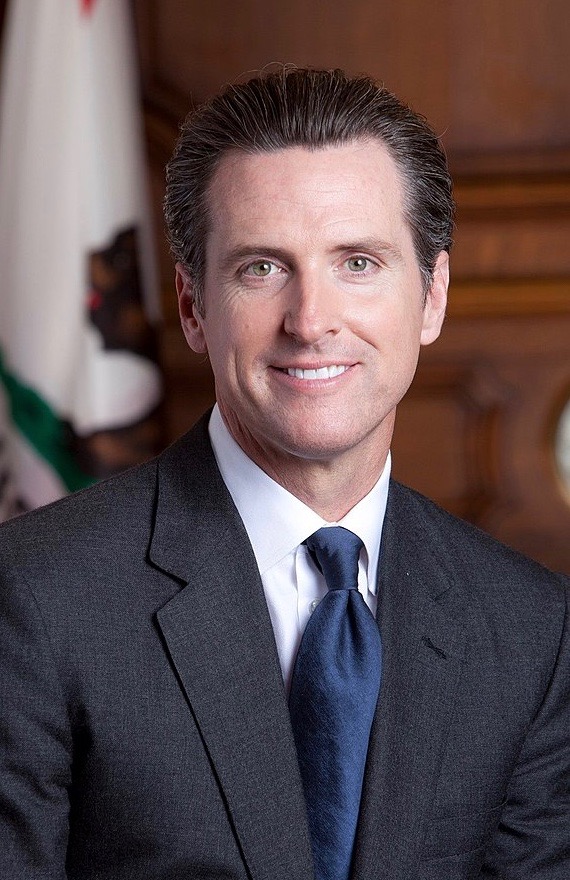
Federal Representation: United States Senators
At the federal level, California is represented by two U.S. Senators in the United States Senate. This number is fixed for every state, regardless of population size, ensuring equal representation in one chamber of the U.S. Congress. These senators are elected statewide and serve six-year terms, advocating for California’s interests in Washington D.C. Their work impacts national policies on everything from environmental protection (critical for California’s vast national parks and coastline) to transportation infrastructure, which directly affects travel and tourism within the state. They influence federal funding for projects that can enhance tourist accessibility, preserve natural wonders, and support cultural institutions that attract visitors from around the globe.
State Representation: California State Senators
Within the state of California itself, legislative power is vested in the California State Legislature, which consists of the State Assembly and the State Senate. The California State Senate comprises 40 California State Senators. These senators are elected from individual districts across the state, each representing approximately 930,000 residents, and serve four-year terms. Their legislative efforts directly shape state laws, budgets, and regulations that have a profound, immediate impact on daily life and, by extension, the tourism sector in California. From funding for state parks and beaches to cultural heritage grants and local infrastructure projects, the decisions made by these 40 individuals in Sacramento define much of the local experience for both residents and visitors.
The Senatorial Impact on California Tourism and Local Culture
Understanding the role of these senators is not merely an academic exercise; it offers a deeper appreciation for the forces that shape California’s unique allure. Their legislative endeavors have tangible effects on the preservation of natural beauty, the promotion of cultural heritage, and the development of infrastructure that facilitates exploration.
Federal Advocacy: Protecting California’s Grandeur
California’s two U.S. Senators are pivotal in safeguarding the state’s natural and cultural assets, which are significant drawcards for tourism. Their work often involves advocating for federal funding for the state’s nine national parks, including icons like Yosemite, Sequoia, and Death Valley. These funds are crucial for maintaining trails, visitor centers, and wildlife preservation efforts, ensuring these majestic sites remain pristine and accessible for future generations of tourists. Furthermore, federal policies on environmental protection, climate change, and coastal management, championed by these senators, directly impact the health of California’s famed beaches and marine sanctuaries, which are central to its coastal tourism.
They also play a role in national transportation policy, influencing federal support for airports, highways, and public transit systems that connect tourists to destinations across the state. Decisions made in Washington D.C. regarding airline regulations or rail expansion can dramatically alter travel accessibility and convenience for visitors.
State Legislation: Cultivating Local Experiences

The 40 California State Senators, operating from the state capital in Sacramento, directly shape the local environment for tourism. Their legislative purview includes:
- State Parks and Recreation: A significant portion of California’s appeal lies in its diverse state park system, encompassing over 280 park units. State senators influence the budget allocations for these parks, affecting everything from trail maintenance and facility upgrades to educational programs that enrich visitor experiences. Policies related to land use and conservation also fall under their domain, ensuring the unique biodiversity and scenic beauty of California are protected.
- Cultural and Historical Preservation: Many travelers seek out California’s rich history and vibrant cultural scene. State senators contribute to laws that support the preservation of historic landmarks, fund local museums, art galleries, and cultural festivals. These efforts help maintain the authentic character of California’s towns and cities, providing tourists with meaningful insights into local traditions and heritage.
- Transportation and Infrastructure: Beyond federal highways, state senators oversee funding and legislation for local roads, public transit within cities, and intercity bus and rail services. Improved public transportation networks in major tourist hubs like Los Angeles, San Francisco, and San Diego enhance visitor mobility and reduce reliance on private vehicles, leading to more enjoyable and sustainable travel experiences.
- Local Businesses and Regulations: Laws affecting small businesses, hospitality, and dining establishments are often crafted at the state level. These regulations can influence everything from food safety standards in restaurants to licensing for tour operators, directly impacting the quality and safety of services tourists utilize.
Engaging with California’s Civic Heart: Beyond the Postcard Views
For travelers interested in a deeper engagement with their destination, understanding California’s political framework can open new avenues for exploration and appreciation. It transforms a superficial visit into an insightful journey into the heart of the state’s identity.
Visiting the California State Capitol Museum
A prime example of blending civic awareness with tourism is a visit to the California State Capitol Museum in Sacramento. This iconic landmark is not just the seat of California’s government; it’s a living museum showcasing the state’s rich history and political evolution. Tourists can take guided tours, marvel at the building’s neoclassical architecture, explore meticulously restored historic offices, and even observe the legislative process in action when the State Senate or Assembly is in session. It offers a tangible connection to the state’s governance, allowing visitors to see firsthand where the decisions influencing their tourist experience are made. The Capitol grounds themselves are a beautifully landscaped park, perfect for a leisurely stroll, adding to the allure of Sacramento as a destination.
Federal Influence and Distant Perspectives
While U.S. Senators operate from Washington D.C., their decisions have a palpable, if often indirect, effect on California’s tourism. For instance, national policies on visa processing can impact international tourist arrivals, while federal funding for agencies like the National Park Service directly supports the natural attractions that define much of California’s appeal. A traveler who understands this connection gains a broader appreciation for the interconnectedness of governance and the travel industry.
Civic Engagement for the Curious Traveler
For the intellectually curious, knowing about California’s senators and their responsibilities provides context for local news, public debates, and ongoing projects. It allows for a more informed understanding of the state’s triumphs and challenges, from environmental conservation efforts to urban development projects. This layer of political awareness enriches the experience, moving beyond passive observation to active comprehension of the destination’s dynamics. It’s about understanding why California is the way it is, beyond just its natural beauty and entertainment options.

Practical Implications for Travelers and Tourists
The seemingly abstract topic of senatorial representation has very real, practical implications for travelers.
- Understanding Infrastructure Development: When driving on a newly paved highway or utilizing an expanded public transit line, travelers are experiencing the direct results of legislative decisions, often spearheaded or supported by state senators.
- Preservation of Attractions: The continued pristine condition of California’s beaches, forests, and historical sites is a testament to ongoing conservation efforts, often enshrined in state law and funded through budgets approved by the State Senate. A tourist appreciating a redwood forest or a historic mission is, in a way, benefiting from the foresight of political decisions.
- Cultural Programs and Events: Many cultural institutions, festivals, and public art initiatives that attract tourists receive state funding or legislative support, directly linked to the decisions made by California State Senators.
In essence, while the number of senators might seem like a niche fact, it serves as a gateway to understanding the vast network of decisions and policies that contribute to California’s identity as a premier global tourist destination. For those who seek more than just superficial beauty, a grasp of the state’s political structure offers an enriching, insightful dimension to their travel experiences.
LifeOutOfTheBox is a participant in the Amazon Services LLC Associates Program, an affiliate advertising program designed to provide a means for sites to earn advertising fees by advertising and linking to Amazon.com. Amazon, the Amazon logo, AmazonSupply, and the AmazonSupply logo are trademarks of Amazon.com, Inc. or its affiliates. As an Amazon Associate we earn affiliate commissions from qualifying purchases.