
The allure of the California lifestyle is undeniable: sun-drenched beaches, vibrant cultural hubs, and breathtaking natural landscapes. For many, pursuing a career as an educator in the Golden State seems like a dream come true. However, understanding the financial realities, specifically teacher salaries, is paramount to truly grasping the lifestyle that can be afforded. In a state renowned for its high cost of living, the question of “How much do teachers get paid in California?” isn’t just about a number; it’s about the quality of life, the ability to enjoy local attractions, and the pursuit of a fulfilling personal journey amidst professional dedication.
The California Dream: A Lifestyle Perspective for Educators
The concept of the “California Dream” is deeply intertwined with aspirations of comfort, leisure, and opportunity. For teachers, their salary directly dictates their capacity to live out this dream. While California is celebrated for its progressive educational initiatives and diverse student populations, the economic landscape presents a unique set of challenges and considerations for those shaping young minds. A teacher’s compensation, when viewed through the lens of lifestyle, reflects their access to adequate housing, leisure activities, family planning, and overall financial security in one of the world’s most dynamic economies.
Understanding the Cost of Living in California
Before delving into specific salary figures, it’s crucial to acknowledge the state’s notoriously high cost of living. Major metropolitan areas like San Francisco, Los Angeles, and San Diego consistently rank among the most expensive places to live in the United States. Housing, in particular, is a significant expenditure, often consuming a substantial portion of a teacher’s income. This impacts lifestyle choices profoundly; a teacher might opt for a longer commute from a more affordable community, sacrificing precious free time, or choose a smaller living space in a more central, expensive location. Utilities, transportation, groceries, and even leisure activities like dining out or visiting local attractions also tend to be pricier than the national average. Understanding this baseline is essential, as a seemingly competitive salary in California might translate to a more modest lifestyle compared to a lower salary in a less expensive state.
Salary Ranges: What Teachers Can Expect
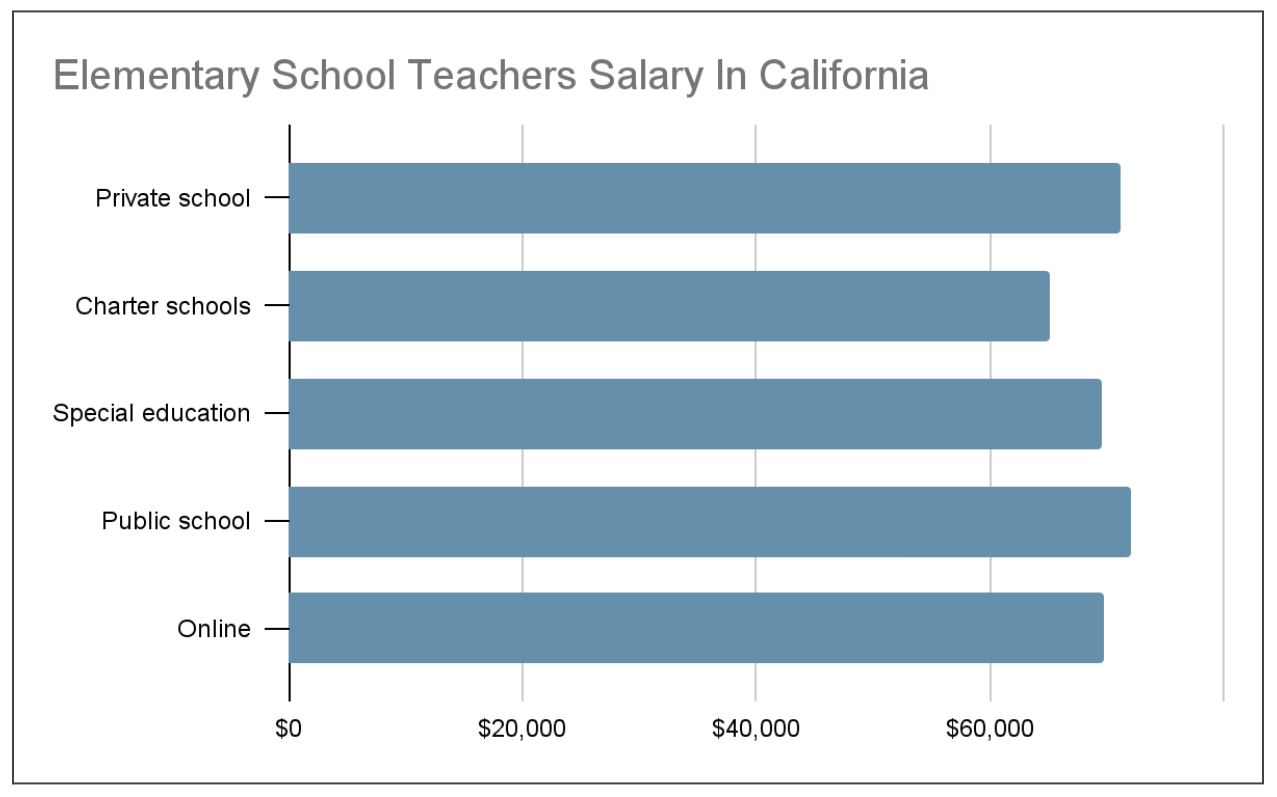
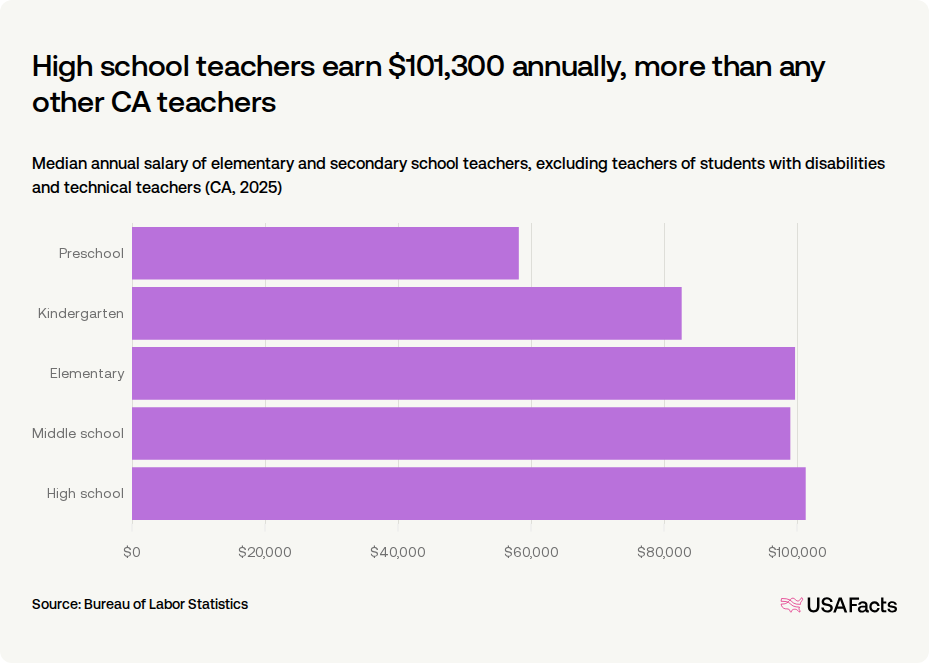
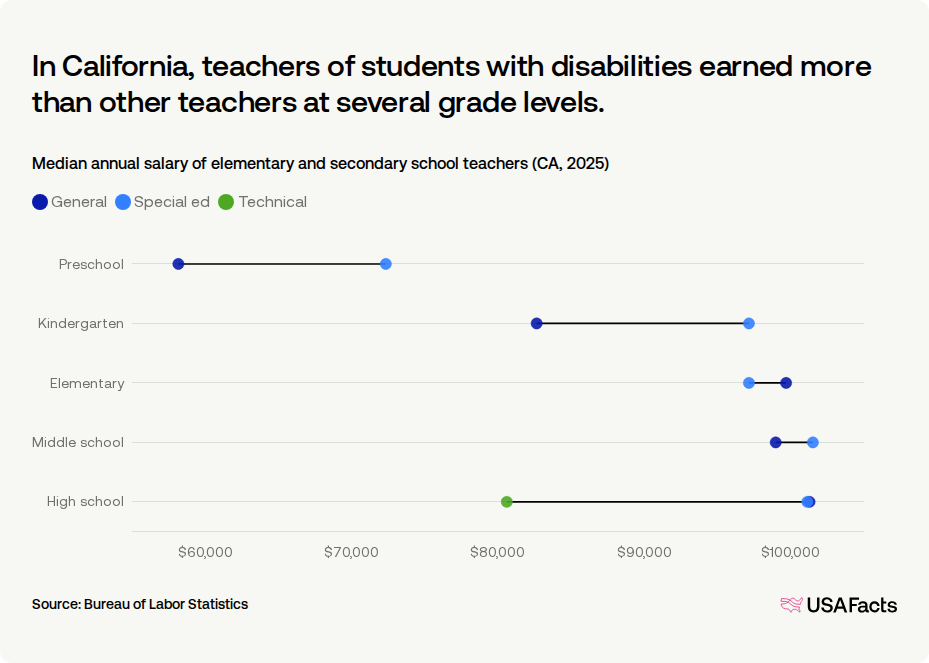
Teacher salaries in California vary significantly based on factors such as district, experience, education level, and the specific grade or subject taught. Generally, starting salaries for a new teacher with a bachelor’s degree and teaching credential can range from approximately $50,000 to $65,000 annually. However, districts in high-cost-of-living areas, particularly in the San Francisco Bay Area or coastal Southern California, often offer higher starting pay to attract talent, potentially reaching into the $70,000s or even $80,000s for a beginning educator.
For experienced teachers with a master’s degree and 10-20 years in the profession, salaries can climb substantially, often reaching $90,000 to $120,000. Top earners, usually with advanced degrees and extensive experience in affluent districts, might exceed $130,000 or even $140,000 per year. It’s important to note that these figures represent gross income. After deductions for taxes, retirement contributions, and health benefits, the net take-home pay can significantly influence day-to-day lifestyle choices. For instance, a teacher earning $70,000 in a major city might find their disposable income for luxury travel or extensive entertainment quite limited after covering essential living expenses.
Beyond the Paycheck: Quality of Life and Work-Life Balance
While salary is a critical component of lifestyle, it’s not the sole determinant. The quality of life for a teacher in California also encompasses work-life balance, access to cultural experiences, and the sheer joy of living in a state known for its diverse offerings. These intangible benefits often contribute significantly to a teacher’s overall satisfaction and perception of their lifestyle.
Balancing a California Lifestyle with a Teacher’s Salary
Achieving a comfortable California lifestyle on a teacher’s salary often requires strategic financial planning and realistic expectations. Many educators supplement their income through summer school teaching, tutoring, or other part-time roles. This extra effort can provide the financial buffer needed for desired lifestyle amenities, such as a weekend getaway to Napa Valley or season tickets to a local sports team.
However, the pursuit of a balanced lifestyle means finding a sweet spot where additional work doesn’t compromise mental well-being or leisure time. For many, this translates into making deliberate choices: prioritizing experiences over material possessions, embracing budget-friendly local explorations, and leveraging the state’s free natural attractions. For example, a teacher might save for an annual family trip to Disneyland Resort or a hiking expedition in Yosemite National Park, rather than frequent expensive international travel. The state’s inherent beauty, from the coastal drives of Big Sur to the desert landscapes of Joshua Tree National Park, provides endless opportunities for enriching experiences that don’t always come with a hefty price tag.
Opportunities for Travel and Leisure
Despite the financial pressures, California teachers, like other professionals, prioritize leisure and travel as essential components of a fulfilling lifestyle. The state’s geography offers unparalleled opportunities for diverse weekend trips and vacations. A teacher in Sacramento might enjoy short drives to Lake Tahoe for skiing or hiking, while a teacher in San Diego has easy access to Baja California for cross-border adventures.
Budget travel becomes an art form. Teachers often plan road trips, utilize vacation rentals or camping for accommodation, and take advantage of off-season rates. The generous number of holidays and summer breaks inherent in the teaching profession provides ample time for these pursuits. This structured time off is a significant non-monetary benefit that directly contributes to a richer lifestyle, allowing for recuperation and exploration that might be harder to achieve in other professions with less flexible schedules. Exploring local gems, from the historic missions to the vibrant neighborhoods of Santa Monica or Hollywood, becomes a common way to enjoy the California lifestyle without extensive travel budgets.
Budgeting for a Fulfilling Lifestyle
Effective budgeting is not merely a financial exercise; it is a lifestyle strategy for California teachers. It empowers them to align their spending with their values, ensuring that their hard-earned money supports the kind of life they aspire to live, whether that includes frequent travel, homeownership, or simply peace of mind.
Navigating Housing and Transportation
Housing is often the most significant budget item. Teachers often live outside the most expensive city centers, commuting from more affordable suburbs or even adjacent counties. For instance, a teacher working in San Francisco might reside in the East Bay, trading a longer commute for a more spacious and affordable home. Ride-sharing, public transportation, and carpooling are common strategies to mitigate high fuel costs and parking fees, particularly in dense urban environments like Los Angeles. Some school districts offer housing assistance programs or prioritize affordable housing initiatives for educators, recognizing the critical role these play in teacher retention and quality of life. Understanding these resources can dramatically impact a teacher’s ability to live comfortably and save for other lifestyle aspirations.
Exploring California on a Teacher’s Budget
The sheer volume of free or low-cost activities makes California an ideal state for budget-conscious exploration. Teachers can enjoy hiking trails in state parks, spending days at public beaches, visiting free museums on designated days, or exploring vibrant farmers’ markets. Picnic lunches, bringing snacks on outings, and seeking out happy hour specials are common ways to enjoy the state’s culinary scene without breaking the bank. Weekend camping trips in national forests, often a fraction of the cost of hotels, offer immersive natural experiences. These intentional choices allow educators to fully engage with the rich culture and natural beauty of California, proving that a fulfilling lifestyle is not solely dependent on a high income, but also on resourceful living and appreciation for accessible pleasures. Even a day trip to see the iconic Golden Gate Bridge can be a low-cost, high-impact experience.
Attracting and Retaining Talent: The Lifestyle Incentive
The discussion around teacher salaries in California ultimately ties into the broader challenge of attracting and retaining talented educators. While financial compensation is a primary factor, the overall lifestyle proposition plays a crucial role. Districts that offer competitive salaries, coupled with supportive work environments and resources that help teachers navigate the high cost of living, are more likely to thrive. Initiatives that facilitate homeownership, provide professional development opportunities that enhance career trajectory, and foster a sense of community can significantly improve a teacher’s quality of life and commitment to the profession in California. For many, the unique combination of professional purpose, beautiful surroundings, and a commitment to public service makes the financial trade-offs worthwhile, shaping a distinct and deeply rewarding California lifestyle. Even in more resort-oriented areas like Palm Springs, teachers play a vital role in local communities, balancing their essential work with opportunities to enjoy the unique desert lifestyle.
LifeOutOfTheBox is a participant in the Amazon Services LLC Associates Program, an affiliate advertising program designed to provide a means for sites to earn advertising fees by advertising and linking to Amazon.com. Amazon, the Amazon logo, AmazonSupply, and the AmazonSupply logo are trademarks of Amazon.com, Inc. or its affiliates. As an Amazon Associate we earn affiliate commissions from qualifying purchases.