
Navigating California: Why an ID Card is a Tourist’s Insightful Tool
Embarking on an adventure through the diverse landscapes and vibrant cities of California offers an unparalleled experience. From the sun-kissed beaches of San Diego to the majestic redwoods of Northern California, the Golden State beckons with myriad attractions. While a passport or out-of-state driver’s license might suffice for some interactions, securing a California Identification Card is a shrewd tip for anyone looking to truly immerse themselves in the local culture, streamline activities, and enhance their overall journey. This isn’t just a document; it’s a key to smoother navigation, a convenient proof of identity, and a reliable alternative to carrying more sensitive travel documents like a passport everywhere you go.
For long-term visitors, digital nomads settling in for an extended stay, or even domestic tourists seeking extra convenience, the California ID card offers a host of benefits. It simplifies interactions that require age verification or proof of residency, often a subtle hurdle for those unfamiliar with local customs. Think of it as a practical travel hack that minimizes potential hassles, allowing you to focus more on savoring the unique experiences California has to offer.
The Core Purpose: Beyond Just Identity
Beyond its obvious role as a primary form of identification, a California ID card serves multiple invaluable purposes for anyone exploring or residing in the state. One of the most common applications for visitors is age verification. Whether you’re planning to sample world-class wines in Napa Valley, enjoy the craft beer scene in San Francisco, experience the vibrant nightlife of Los Angeles, or visit one of California’s legal cannabis dispensaries, a government-issued ID is essential. Presenting a California ID can often be quicker and more easily accepted than an out-of-state or international document, reducing potential delays or confusion.
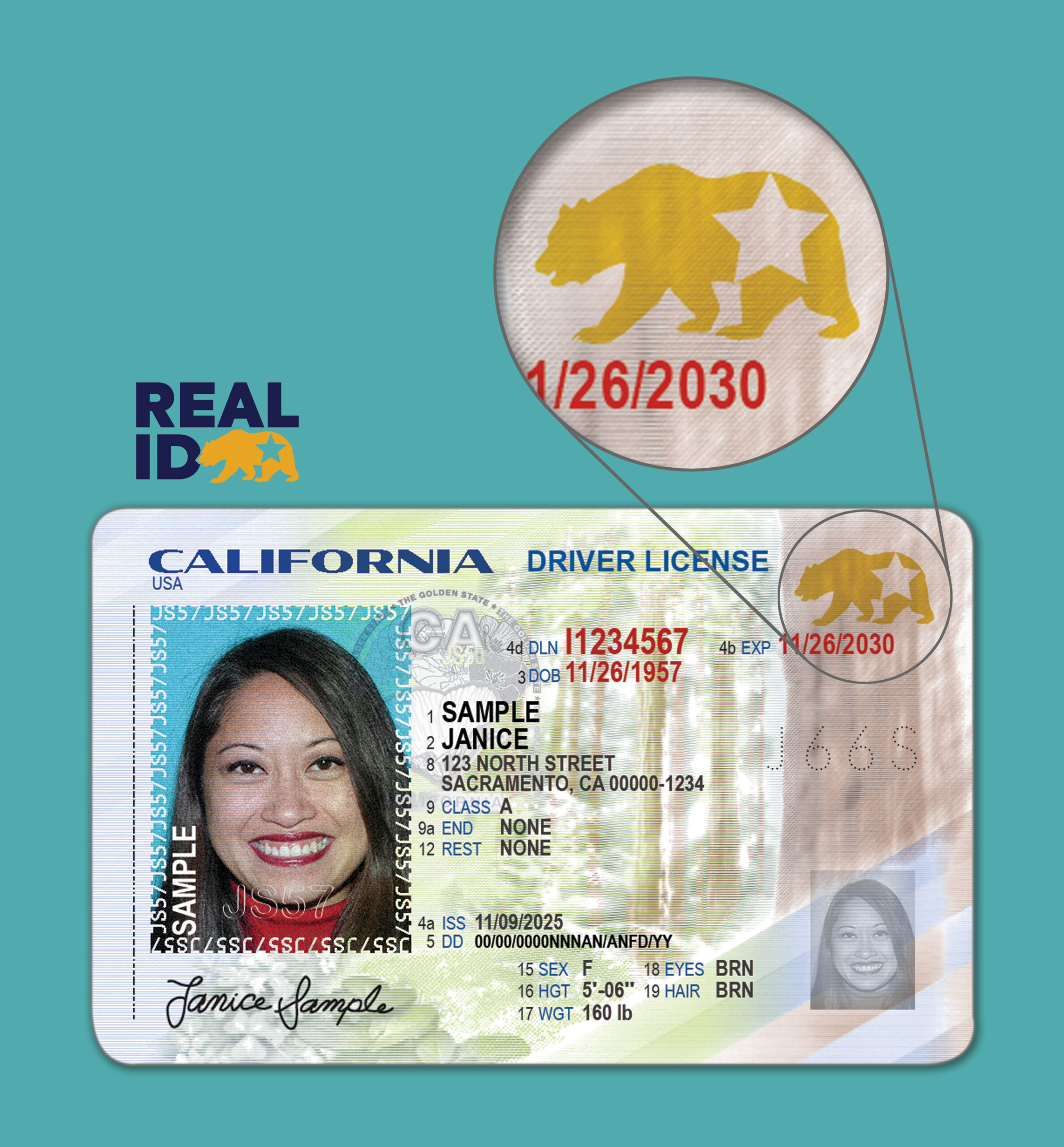
Furthermore, for those undertaking domestic air travel within the United States, a California ID card that is REAL ID compliant can be a lifesaver. It eliminates the need to carry your passport for internal flights, offering both convenience and enhanced security. Many local businesses, from libraries to recreational rental services (think bikes on Santa Monica Beach), may require a local ID for certain transactions or access. Having a California ID simplifies these interactions, allowing visitors to more fully engage with local amenities and activities, often without needing to provide a security deposit or additional documentation. It provides a level of peace of mind, knowing your identity is firmly established within the local ecosystem, leaving you free to explore without worry.
Demystifying the Dollar: The Actual Cost of Your California ID
Understanding the financial investment required for a California ID card is a crucial “tip” for budgeting your overall travel or relocation expenses. Fortunately, the cost is relatively modest, especially when weighed against the convenience and utility it provides. The fees are standardized across the state, ensuring transparency and predictability. While the exact figures can be subject to minor adjustments by the Department of Motor Vehicles (DMV), they generally remain stable.
The core fee for a standard California Identification Card is a modest sum. This fee is typically a flat rate, covering the administrative costs associated with processing your application, conducting identity verification, and producing the physical card itself. For adult applicants (typically those 18 years and older), the fee reflects the full administrative burden. For minors, a slightly reduced fee is often applicable, acknowledging that their needs and eligibility criteria might differ slightly. These fees are a small investment for the significant benefits derived from having a readily accepted, state-issued identification. They contribute directly to the operational efficiency of the DMV, ensuring that the system can reliably process applications and issue secure identification documents for residents and long-term visitors alike.
Standard Fees and Eligibility Considerations
As of current guidelines, the standard fee for an original or renewal California Identification Card for most adults is typically $39. For minors, generally defined as individuals under 18 years of age, the fee is often reduced to $33. It’s important to note that these figures are subject to change, so always check the official DMV website for the most current pricing before beginning your application.
Eligibility for a California ID card is broad, encompassing both United States citizens and non-citizens who can prove lawful presence in the United States. While temporary visitors might not always need an ID card if they have a valid passport, those planning extended stays or seeking specific local services will find it invaluable. Proof of residency in California is a key requirement, typically demonstrated through documents like utility bills, rental agreements, or bank statements, signifying your intent to establish a connection with the state beyond transient tourism. For those just arriving, establishing this proof might take a few weeks, so planning ahead is another useful tip.
What About REAL ID? Understanding the Enhanced Functionality
A crucial consideration for any traveler or long-term visitor to California is the concept of REAL ID. Enacted by Congress in 2005, the REAL ID Act set new standards for the issuance of driver’s licenses and identification cards. For domestic air travel within the United States, and for accessing certain federal facilities, a REAL ID compliant identification will eventually be mandatory.

Fortunately, obtaining a REAL ID compliant California ID card typically does not incur an additional cost beyond the standard application fee. The difference lies in the documentation required during the application process. To get a REAL ID, you’ll need to provide more extensive proof of identity, residency, and your Social Security number than for a standard federal non-compliant ID. This means presenting original documents like a U.S. birth certificate or passport, proof of your Social Security number (e.g., Social Security card, W-2 form), and two different proofs of California residency. For tourists or long-term visitors, especially those who plan to fly between California’s major cities or connect to other parts of the United States, obtaining a REAL ID compliant card is a highly recommended “tip” to avoid future travel disruptions. It integrates seamlessly into the state’s efforts to enhance security while ensuring convenient travel for all.
The Application Odyssey: A Step-by-Step Guide for Newcomers
Securing your California ID card is a straightforward process, but like any bureaucratic endeavor, it requires careful preparation. For newcomers, whether you’re relocating for work, study, or an extended travel sabbatical, understanding the application journey can save you valuable time and prevent frustration. The primary avenue for obtaining a California ID card is through the Department of Motor Vehicles (DMV).
The journey typically begins online. The DMV offers an online application portal where you can start the process, pre-fill forms, and often schedule an appointment. This initial step is highly recommended as it streamlines your visit to a physical DMV office, significantly reducing wait times. After submitting your initial information, you’ll need to gather a specific set of documents that verify your identity, residency, and, if applicable, your Social Security number. Once at the DMV, you’ll present these documents, have your photo taken, and provide a thumbprint. You’ll then receive a temporary ID, valid until your permanent card arrives in the mail, which typically takes a few weeks. This process, while seemingly formal, is a vital step in establishing your presence and enhancing your practical experience within California.
Gathering Your Documentation
The backbone of a successful California ID application is a complete set of documentation. For proof of identity, you’ll generally need one primary document such as a valid U.S. passport, a U.S. birth certificate, or a permanent resident card (Green Card). If you’re applying for a REAL ID, an additional proof of identity may be required.
Proof of California residency is equally crucial. The DMV typically requires two different documents showing your name and California address. Acceptable documents include utility bills, rental or lease agreements, mortgage statements, bank statements, or even school documents. For those new to the state, compiling these can be a small challenge, but they are essential for integrating into the local community and accessing various services. Lastly, you’ll need proof of your Social Security number, which can be a Social Security card, W-2 form, or a pay stub showing your full SSN. Always ensure all documents are original or certified copies, as photocopies are generally not accepted. This meticulous preparation is a key tip for a hassle-free DMV visit.
The DMV Visit and Beyond
The DMV visit is often perceived as a daunting task, but with proper planning, it can be relatively smooth. The most important tip is to schedule an appointment online well in advance. Walk-ins are accepted but often entail significantly longer wait times. Arrive at least 15 minutes before your scheduled appointment with all your required documents neatly organized.
Upon arrival, you’ll check in, wait for your number to be called, and then proceed to a representative who will review your documents, verify your identity, and process your application. This is also where you’ll pay the applicable fee. Following this, you’ll have your photograph taken and provide a digital thumbprint. Once the process is complete, you’ll receive a temporary paper ID card, which is valid for immediate use as proof of identity within California. Your permanent, hard plastic California ID card will then be mailed to your address, typically arriving within two to four weeks. During this waiting period, keep your temporary ID in a safe place, as it’s your official identification until the permanent card arrives. Having this ID in hand marks a significant step towards fully enjoying and participating in all aspects of California life.
Beyond the Initial Cost: Renewal, Replacement, and Maintaining Your California Connection
Obtaining your initial California Identification Card is just the beginning of its lifecycle. For those planning extended stays or even considering making California their permanent home, understanding the ongoing management of this essential document is another vital tip. Just like the initial application, renewal and replacement processes are designed to be efficient, ensuring you always have valid proof of identity to facilitate your continued exploration and engagement with the Golden State.
Renewing Your California ID
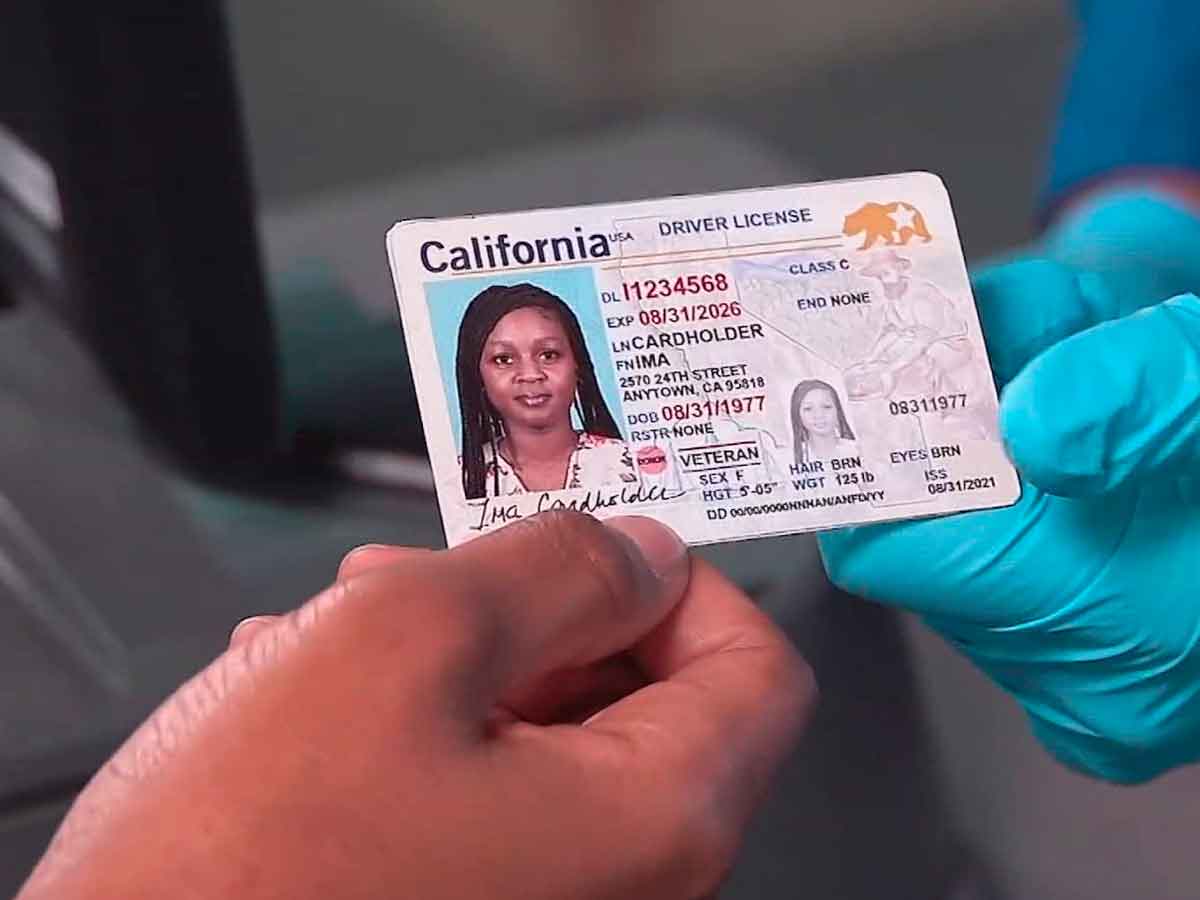
California ID cards typically have an expiration date, often valid for five years. Before your card expires, the DMV will usually send a renewal notice to your address on file. Renewing your California ID card is generally simpler than the initial application. Many renewals can be completed online, by mail, or over the phone, provided there are no changes to your personal information or photo requirements. The renewal fee is typically the same as the initial application fee – approximately $39 for adults and $33 for minors. Keeping your ID current is paramount, especially if you rely on it for domestic travel or age-restricted activities; an expired ID can lead to unexpected complications and delays.
Replacing a Lost or Stolen Card
Accidents happen, and an ID card can be lost, stolen, or simply misplaced. If your California ID card goes missing, it’s crucial to report it and apply for a replacement promptly. The replacement fee is generally the same as the renewal fee, around $39 for adults. This process usually requires you to complete an application for a duplicate ID, which can often be started online, and then visit a DMV office in person. You will typically need to re-verify your identity and possibly residency. Prompt replacement not only restores your access to services but also mitigates the risk of identity theft. Maintaining an active and valid California ID ensures your uninterrupted ability to experience and enjoy all aspects of California’s vibrant culture, from accessing local attractions to participating in community events, all with complete peace of mind.
LifeOutOfTheBox is a participant in the Amazon Services LLC Associates Program, an affiliate advertising program designed to provide a means for sites to earn advertising fees by advertising and linking to Amazon.com. Amazon, the Amazon logo, AmazonSupply, and the AmazonSupply logo are trademarks of Amazon.com, Inc. or its affiliates. As an Amazon Associate we earn affiliate commissions from qualifying purchases.