
The question of “When did Covid start in California?” transcends a simple timeline of case numbers; it marks a pivotal moment that fundamentally reshaped the state’s vibrant tourism sector. From its initial emergence to the subsequent public health measures, the pandemic’s onset created a ripple effect, forcing immediate adaptation and ultimately redefining how visitors experienced the Golden State and how its tourism industry operated. Understanding this timeline is crucial for appreciating the resilience and innovation demonstrated by California’s destinations, attractions, and local businesses in the face of unprecedented challenges.
The First Alarms: Early Cases and Public Health Responses
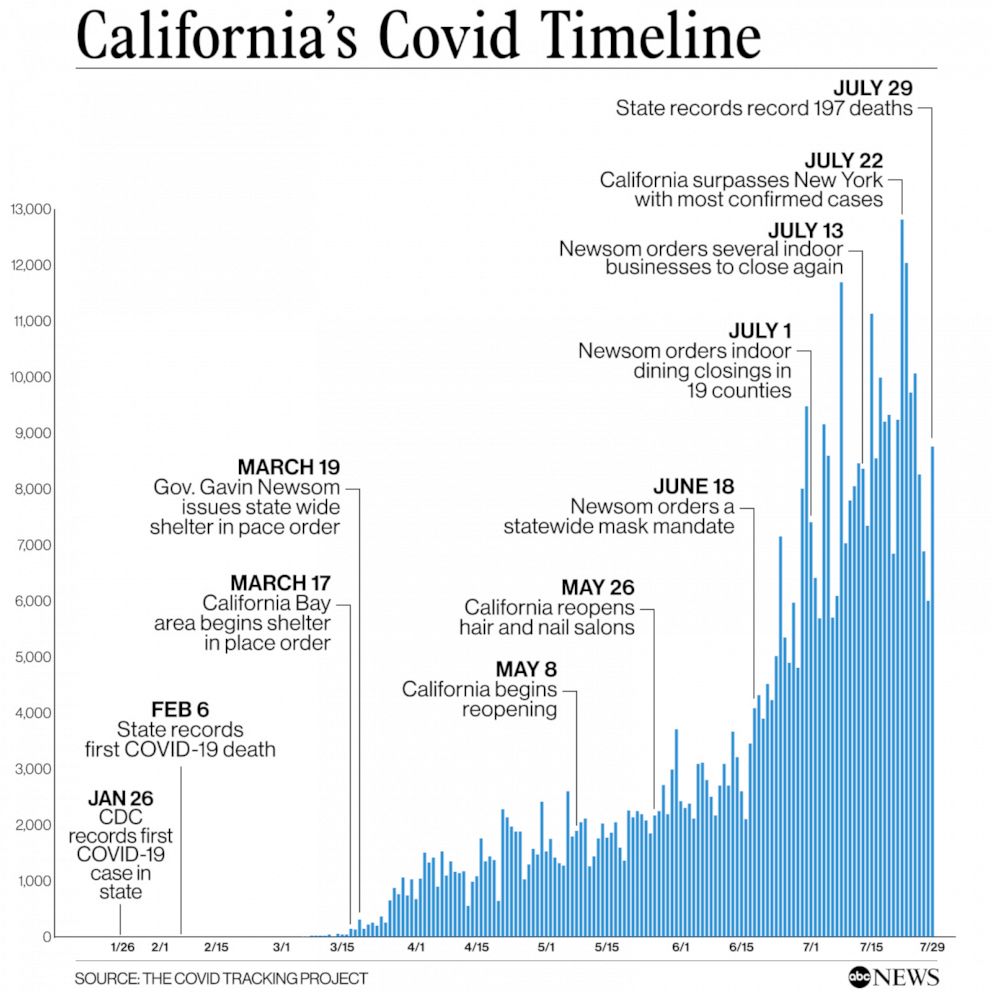
The earliest confirmed cases of COVID-19 in California began to surface in late January and early February 2020. While initial reports focused on travelers returning from abroad, particularly from Wuhan, China, the true scale of community transmission became apparent in the weeks that followed. By late February, the first non-travel-related cases were identified, signaling that the virus was already circulating within communities. This nascent understanding had immediate, albeit subtle at first, implications for tourism. Travelers began to exercise caution, international bookings wavered, and the previously bustling airports of Los Angeles and San Francisco saw a noticeable decline in activity.
Identifying the Initial Clusters
One of the most significant early indicators of community spread was observed in Solano County, with a patient admitted to UC Davis Medical Center in late February, marking one of the first confirmed cases without a known travel history or contact with a confirmed case. This particular case prompted wider scrutiny and a realization that the virus had likely been present and spreading for some time before detection. For tourism, this meant a shift from a perceived external threat to an internal one, impacting local confidence in attending events, dining out, and visiting crowded attractions within their own state. The sense of invulnerability that often accompanies leisure travel began to erode, replaced by a growing awareness of health risks.
Gubernatorial Declarations and Their Tourism Impact
On March 4, 2020, California Governor Gavin Newsom declared a state of emergency, a crucial turning point that formalized the state’s response. While not a full lockdown, this declaration empowered public health officials to implement more stringent measures. Days later, on March 13, advice against large gatherings was issued, leading to the swift cancellation of major events, conferences, and festivals across the state. This move delivered a direct blow to the events tourism sector, which relies heavily on pre-booked travel, accommodation, and venue reservations. Iconic cultural festivals, sporting events, and corporate gatherings that attract millions of visitors and generate billions in revenue were suddenly paused indefinitely, leaving a void in the state’s tourism calendar and creating widespread uncertainty for hospitality businesses.
The Immediate Aftermath: Shutting Down the Golden State Experience
The most profound impact on California’s tourism came with the statewide “Stay at Home” order issued on March 19, 2020. This unprecedented directive effectively brought all non-essential activity to a halt, including virtually all forms of leisure travel and tourism. The vibrant energy that defines California’s diverse attractions, from its world-renowned theme parks to its pristine national parks, evaporated overnight.
Theme Parks and Major Attractions
The closure of major theme parks like Disneyland Resort in Anaheim and Universal Studios Hollywood in Los Angeles symbolized the pandemic’s direct assault on California’s tourism infrastructure. These behemoths, which typically welcome tens of thousands of visitors daily, employing thousands of staff, went dark. The economic fallout was immense, affecting not only the parks themselves but also surrounding hotels, restaurants, and retail businesses that rely on their foot traffic. Similarly, museums, zoos like the San Diego Zoo, and cultural institutions across the state shuttered their doors, cutting off vital revenue streams and profoundly altering the state’s cultural tourism landscape.
Hospitality and Culinary Tourism
Hotels across California faced an immediate and drastic drop in occupancy, with many either closing entirely or operating at minimal capacity. Business travel, which forms a significant portion of the hospitality sector in metropolitan areas like San Francisco and San Jose, ceased almost entirely. Culinary tourism, a cornerstone of the California experience, also suffered immensely. Restaurants, from Michelin-starred establishments in Napa Valley to casual beachside diners, were restricted to takeout and delivery services, if they could operate at all. The social aspect of dining, a key component of tourist engagement with local culture, was lost, leading to closures and significant job losses throughout the food service industry.

Outdoor and Nature Tourism
Even California’s vast natural landscapes were not immune. Yosemite National Park, the beaches of Big Sur, and the trails of Lake Tahoe saw closures or heavily restricted access. While seemingly less susceptible to person-to-person transmission, the concern for overcrowding, search and rescue capabilities, and the need to conserve resources led authorities to limit or prohibit entry. This had a profound impact on gateway communities that thrive on outdoor enthusiasts, campers, and hikers, cutting off a vital economic lifeline.
Adaptation and Resilience: Reshaping the California Tourism Experience
Despite the initial shock, California’s tourism sector demonstrated remarkable resilience and adaptability. Businesses pivoted, destinations re-evaluated their offerings, and new models of engagement emerged, all aimed at navigating the “new normal” defined by public health protocols and changing consumer behaviors.
Focus on Local and Regional Travel
With international and long-distance domestic travel severely curtailed, California tourism saw a surge in local and regional exploration. Residents rediscovered their own state, opting for road trips to nearby national parks, state beaches, and smaller towns. This shift benefited less-traveled areas and encouraged a deeper appreciation for California’s diverse geography and hidden gems. Marketing efforts quickly shifted to promote safe, drivable destinations, emphasizing outdoor activities and socially distanced experiences.
Innovation in Hospitality and Attractions
Hotels implemented stringent cleaning protocols, contactless check-ins, and reimagined dining experiences to ensure guest safety. Attractions that could reopen, such as outdoor zoos and botanical gardens, introduced timed entry systems and enforced capacity limits. Virtual tours and online experiences also gained prominence, allowing institutions like the Getty Center to maintain engagement with audiences even when physical access was restricted. Wineries in regions like Sonoma County introduced outdoor, reservation-only tastings, adapting their centuries-old traditions to modern safety requirements.
The Rise of Health and Wellness Tourism
The pandemic also underscored the importance of health and well-being, leading to an increased interest in wellness-focused tourism. Resorts and retreats offering outdoor activities, spa treatments with enhanced safety measures, and nature immersion experiences gained traction. Destinations promoting mental and physical rejuvenation in serene settings, often away from urban centers, saw a renewed appeal among stressed travelers seeking respite.
Lessons Learned and the Evolving Landscape
The period immediately following the initial onset of COVID-19 in California served as a stark lesson in crisis management for the tourism industry. It highlighted the fragility of a sector heavily reliant on mobility and social interaction, but also showcased its capacity for innovation and adaptation.
Prioritizing Safety and Trust
The paramount lesson was the critical importance of public health and safety in restoring traveler confidence. Clear communication of safety protocols, visible cleanliness measures, and flexible booking policies became essential marketing tools. Tourism businesses learned that rebuilding trust was as vital as reopening their doors. Destinations that could effectively communicate their commitment to visitor safety were quicker to see a return of guests.
Diversification and Digital Transformation
The crisis accelerated the need for diversification within the tourism economy, reducing over-reliance on single markets or types of attractions. It also propelled a rapid digital transformation, from online booking and virtual experiences to data-driven insights for managing visitor flows. This technological leap has permanently altered how tourism services are delivered and consumed.
The Enduring Appeal of California
Despite the severe disruptions, California’s inherent allure — its natural beauty, cultural diversity, and innovative spirit — remained. The initial shock gave way to a measured reopening, with phased approaches allowing various sectors to gradually resume operations. While the “start” of COVID-19 in California marked a period of immense challenge for tourism, it also forged a more resilient, adaptable, and health-conscious industry, poised to welcome visitors in a new and thoughtful way. The ongoing evolution continues to shape how visitors engage with the Golden Gate Bridge, explore the Hollywood Walk of Fame, and experience all the unique facets that make California a premier global destination.
LifeOutOfTheBox is a participant in the Amazon Services LLC Associates Program, an affiliate advertising program designed to provide a means for sites to earn advertising fees by advertising and linking to Amazon.com. Amazon, the Amazon logo, AmazonSupply, and the AmazonSupply logo are trademarks of Amazon.com, Inc. or its affiliates. As an Amazon Associate we earn affiliate commissions from qualifying purchases.