
Embarking on a career in law enforcement represents a significant lifestyle commitment, demanding not only dedication and courage but also a substantial financial investment, particularly when considering the police academy in California. Aspiring officers often grapple with the upfront costs associated with training, which can vary widely depending on the academy type, location, and individual circumstances. Understanding these expenses is crucial for effective financial planning and for ensuring a smooth transition into this demanding yet rewarding profession. This isn’t merely a tuition fee; it encompasses a spectrum of costs that shape an individual’s financial landscape for the duration of their training and beyond, influencing decisions about savings, potential income loss, and long-term career viability.

The Financial Investment in a Law Enforcement Career
The journey to becoming a sworn peace officer in California typically begins with successful completion of a Peace Officer Standards and Training (POST)-certified police academy. The financial outlay for this foundational training is multi-faceted, extending far beyond the basic tuition. It represents an investment in a future career, much like pursuing a specialized degree, and requires careful budgeting and foresight.
Understanding Tuition and Fees
The core expense for attending a police academy is tuition. However, this figure is not monolithic across California. Academies can be broadly categorized into two types: agency-sponsored and self-sponsored (also known as extended or modular academies). Agency-sponsored academies, where a law enforcement agency hires and then sponsors a recruit through the academy, often cover the full tuition, and sometimes even pay the recruit a salary during training. This is, undoubtedly, the most financially attractive route.
For self-sponsored recruits, who enroll independently, tuition costs can range significantly. Community college-based academies, which are common for self-sponsors, might charge tuition per unit, similar to other college courses. For instance, a basic academy program can be 800 to over 1000 hours, often structured as a full-time, intensive program lasting five to six months, or a part-time modular program stretching over a year or more. Total tuition for a self-sponsored recruit can typically range from $4,000 to $9,000, with some specialized or private academies potentially exceeding this range. These figures generally include registration fees, materials, and some facility usage but often exclude other critical expenses.
Beyond the Classroom: Uniforms, Equipment, and Supplies
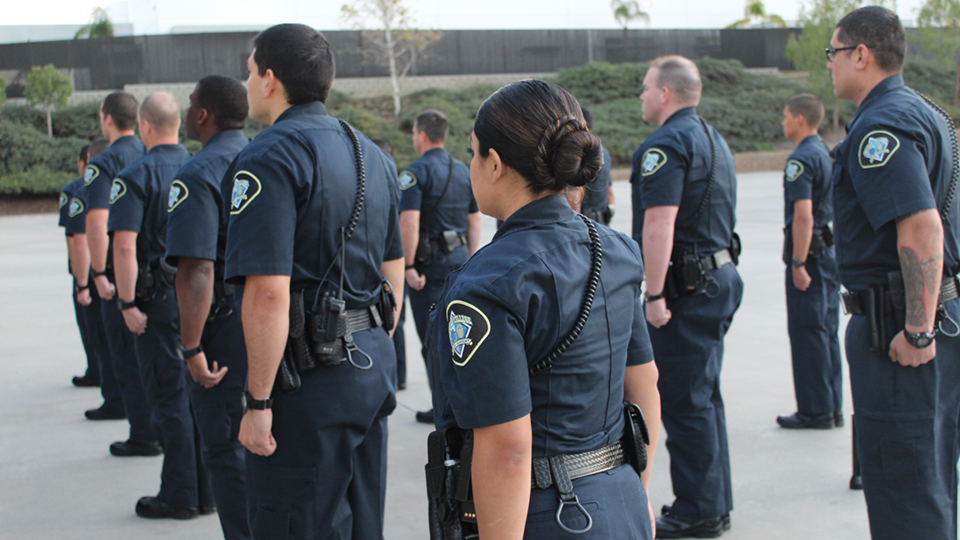
Tuition only covers part of the story. A significant portion of the total cost comes from mandatory uniforms, equipment, and supplies. Recruits are typically required to purchase a full uniform kit, which includes multiple sets of uniforms (pants, shirts, ties), duty boots, physical training gear, and sometimes a formal dress uniform for ceremonies. The quality and quantity required can push uniform costs to $1,000 to $2,000.
Equipment expenses are also substantial. While some academies provide firearms for range training, many require recruits to purchase their own department-approved handgun, ammunition, holsters, and other essential duty gear such as a duty belt, handcuffs, batons, and pepper spray. These items alone can add another $1,500 to $3,000 or more, depending on the specific requirements and brands chosen. Books, study guides, and other academic supplies further contribute, albeit usually to a lesser extent, typically several hundred dollars.
Living Expenses During Training
One of the most overlooked, yet critical, financial considerations is living expenses during the academy. A full-time academy schedule is intensely demanding, often running 10-12 hours a day, five to six days a week, making part-time employment extremely difficult, if not impossible. This means self-sponsored recruits must budget for several months without significant income. Costs such as rent, utilities, food, transportation, insurance, and personal expenses must be covered from savings or other sources.
In California, where the cost of living is notoriously high, this can be a daunting challenge. For a single individual, living expenses could easily amount to $1,500 to $3,000 per month, translating to $7,500 to $18,000 for a five-to-six-month full-time program. This necessitates robust financial planning prior to enrollment, often requiring recruits to save a substantial emergency fund. For those with families or existing financial obligations, the strain is even greater.
Opportunity Cost: Forgoing Income
Beyond direct expenses, there’s the significant “opportunity cost” of lost income. For self-sponsored individuals, entering the academy means temporarily stepping away from their current employment or postponing entry into the workforce. For five to six months, or even longer for modular programs, a recruit is not earning a regular salary. If one’s previous income was, for example, $3,500 per month, the opportunity cost over a six-month academy could be $21,000. This forgone income needs to be factored into the overall financial picture, as it represents earnings that could have been saved or used to cover living expenses, effectively increasing the “cost” of the academy experience.
Navigating Funding and Financial Aid Options
While the costs appear substantial, various avenues exist to alleviate the financial burden, making a career in law enforcement accessible to a broader range of individuals. Understanding these options is a key component of prudent lifestyle planning for aspiring officers.
Agency-Sponsored vs. Self-Sponsored Academies
As mentioned, an agency-sponsored academy is the most financially viable path. Agencies actively recruit candidates, put them through the academy, and pay them a cadet salary while they train. This not only covers tuition and equipment but also provides an income stream, eliminating the opportunity cost of lost wages. Competition for these sponsored positions is fierce, often requiring a lengthy application and testing process. Many aspiring officers first attend a self-sponsored academy to enhance their competitiveness for these sought-after roles, demonstrating initiative and commitment.
Veteran Benefits and Educational Assistance
For military veterans, benefits such as the GI Bill can be a game-changer. Both the Post-9/11 GI Bill and Montgomery GI Bill can cover a significant portion, if not all, of tuition and fees for POST-certified academies. Additionally, they often provide a monthly housing allowance (Basic Allowance for Housing – BAH) which can considerably offset living expenses. Veterans are encouraged to explore their specific eligibility and benefit levels, as this can dramatically reduce their out-of-pocket costs and alleviate financial stress during training.

Loans and Grants for Aspiring Officers
Like traditional college programs, police academies may qualify for federal student aid programs, including Pell Grants (for those with demonstrated financial need) and federal student loans. These options require completing the Free Application for Federal Student Aid (FAFSA). Private student loans are another possibility, though they typically come with higher interest rates and less flexible repayment terms. It’s crucial for recruits to investigate what specific financial aid is available through the academy or institution they plan to attend, as not all academies are accredited in a way that qualifies for all federal aid.
Scholarship Opportunities
While less common than for traditional four-year degrees, scholarships specifically aimed at aspiring law enforcement officers do exist. These may be offered by local police associations, foundations dedicated to public service, or specific community organizations. Scholarship amounts can vary but every dollar earned helps reduce the financial strain. Searching for “law enforcement scholarships California” on various scholarship databases and contacting local police departments or sheriff’s offices for recommendations can yield valuable leads.
Regional Cost Variations Across California
The overall cost of attending a police academy, particularly the living expense component, is significantly influenced by the region within California where the academy is located. California’s diverse geography is matched by its diverse cost of living.
Major Metropolitan Areas: Los Angeles and San Francisco
Living and training in major metropolitan centers like Los Angeles or the San Francisco Bay Area presents the highest cost scenario. Rent, food, and transportation expenses in these regions are among the highest in the nation. While tuition for academies might be comparable to other regions, the monthly living expenses for a self-sponsored recruit could easily exceed $2,500-$3,000. This dramatically increases the total financial commitment and highlights the importance of meticulous budgeting and substantial savings for individuals choosing to train in these areas.
Central Valley and Inland Empire Considerations
Regions such as the Central Valley (e.g., Sacramento, Fresno) and the Inland Empire (e.g., Riverside, San Bernardino) generally offer a more affordable cost of living compared to coastal metropolitan areas. Rent and general consumer goods are typically lower, which can significantly reduce the monthly living expenses during academy training. For a self-sponsored recruit, choosing an academy in these regions could reduce total living costs by hundreds, if not over a thousand, dollars per month, making the overall financial burden more manageable.
Northern California vs. Southern California Differences
Beyond specific cities, a general distinction can be made between Northern California and Southern California. While Northern California includes the very expensive San Francisco Bay Area, it also has more rural and less expensive areas. Similarly, Southern California encompasses the high-cost Los Angeles basin but also areas further inland with more moderate expenses. Aspiring officers should research specific academy locations and their surrounding communities’ cost of living to make an informed decision that aligns with their financial capacity. Relocating for training to a more affordable part of the state, even if temporary, could be a shrewd financial lifestyle choice.
The Return on Investment: A Long-Term Lifestyle Perspective
Despite the substantial initial costs and effort, pursuing a career in law enforcement through a California police academy offers a compelling return on investment, viewed from a long-term lifestyle and career perspective. The financial outlay is often outweighed by the benefits, stability, and purpose inherent in the profession.
Competitive Salaries and Benefits
Upon graduation from the academy and successful hiring by an agency, police officers in California often earn competitive salaries. Entry-level salaries can range from $60,000 to $80,000 annually, depending on the agency and location, with significant increases over time through raises, promotions, and specialized assignments. Beyond base pay, officers typically receive comprehensive benefits packages, including excellent health, dental, and vision insurance, often with low or no premiums for the employee and their family. Furthermore, generous retirement plans, typically defined-benefit pensions, provide long-term financial security, which is an invaluable component of a stable lifestyle.
Career Stability and Growth Potential
Law enforcement offers remarkable career stability. Unlike many private sector jobs, police officer positions are generally insulated from economic downturns. The need for public safety is constant, ensuring consistent demand for qualified officers. Moreover, the career path within law enforcement offers extensive opportunities for growth and specialization. Officers can advance through ranks (sergeant, lieutenant, captain), specialize in areas such as detectives, SWAT, K9 units, forensics, narcotics, or traffic enforcement. Each specialization or promotion typically comes with increased pay and responsibility, allowing for continuous professional development and a dynamic career lifestyle.
Public Service and Community Impact
Beyond the financial and career benefits, the lifestyle of a police officer is deeply rooted in public service and community impact. The ability to protect and serve, maintain order, respond to emergencies, and make a tangible difference in people’s lives offers a profound sense of purpose and job satisfaction that many other professions cannot match. This intrinsic reward is a significant, albeit non-monetary, return on the investment in academy training, shaping a lifestyle defined by contribution and direct positive influence.
Post-Academy Costs and Early Career Adjustments
It is also important to acknowledge that some costs may extend beyond the academy. While agencies provide most duty gear, officers may choose to purchase personal upgrades or additional equipment. Furthermore, the early years of a police career often involve shift work, including nights, weekends, and holidays, requiring lifestyle adjustments for the officer and their family. However, the comprehensive benefits, stable income, and opportunities for overtime usually compensate for these demands, solidifying the long-term viability and attractiveness of this challenging yet fulfilling profession. The initial financial hurdle of the police academy, while significant, is a foundational step towards a career that offers substantial personal and professional rewards.
LifeOutOfTheBox is a participant in the Amazon Services LLC Associates Program, an affiliate advertising program designed to provide a means for sites to earn advertising fees by advertising and linking to Amazon.com. Amazon, the Amazon logo, AmazonSupply, and the AmazonSupply logo are trademarks of Amazon.com, Inc. or its affiliates. As an Amazon Associate we earn affiliate commissions from qualifying purchases.