
Navigating the landscape of rental agreements and tenant rights in California can be a complex endeavor, particularly when it comes to understanding rent increases. For individuals seeking long-term accommodation, whether as tenants or landlords, a clear grasp of the regulations governing how often rent can be raised is paramount. California is known for its robust tenant protections, which combine statewide laws with powerful local ordinances. This article delves into the specifics, offering a comprehensive guide to the rules that dictate the frequency of rent adjustments for long-term stays across the state.

Understanding California’s Statewide Rent Control: AB 1482
The cornerstone of California’s contemporary rent control framework is the Tenant Protection Act of 2019, also known as AB 1482. Enacted to address the state’s housing crisis, AB 1482 introduced both rent caps and “just cause” eviction protections for many tenants. For the question of how often rent can be raised, the Act establishes a crucial limit:
The Annual Rent Increase Cap and Frequency
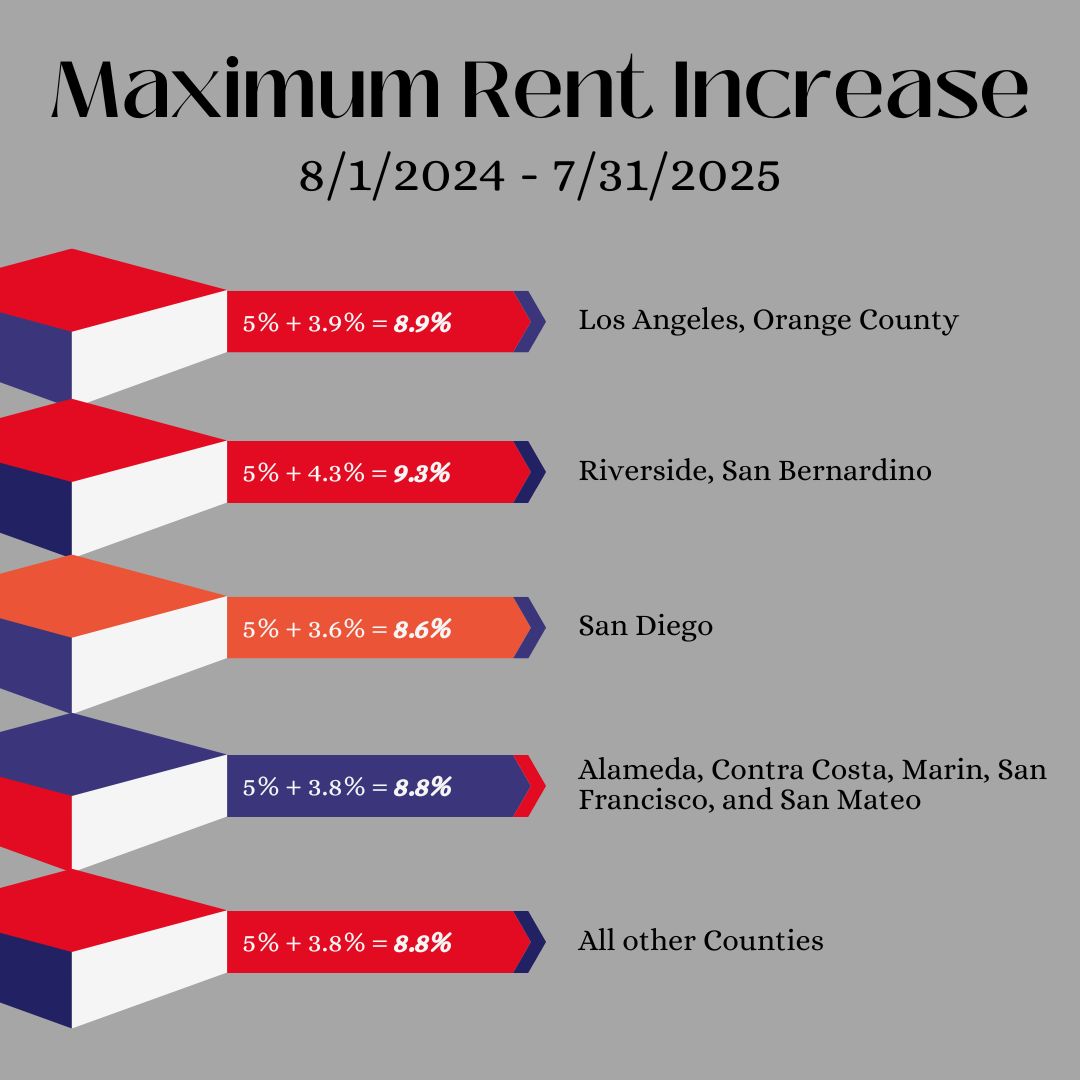
Under AB 1482, landlords are generally limited to increasing rent by no more than 5% plus the percentage change in the cost of living (as measured by the Consumer Price Index or CPI), with a maximum total increase of 10% in any 12-month period. This cap applies to eligible properties, most commonly multi-family dwellings built before 2005.
Critically, for tenants covered by AB 1482, a landlord can only implement a rent increase once every 12 months. This means that if a landlord increases the rent on, for instance, July 1st, 2023, they cannot implement another increase with an effective date earlier than July 1st, 2024. Even if a landlord serves multiple notices for potential increases, only one effective increase is permitted within any 12-month period. This clock resets with each new effective rent increase.
Properties Covered and Exemptions from AB 1482
While AB 1482 provides broad protections, it does not apply universally. Several types of properties are exempt from its provisions:
- New Construction: Housing that has been issued a certificate of occupancy within the last 15 years is exempt. This is a rolling exemption, meaning a building built in 2010 would become subject to AB 1482 in 2025.
- Single-Family Homes and Condominiums: These are typically exempt, unless they are owned by a corporation, a real estate investment trust, or an LLC with at least one corporate member. If privately owned by an individual or family (and the tenant receives specific notice of exemption), they are generally not subject to AB 1482’s rent caps.
- Owner-Occupied Duplexes: A duplex where the owner lives in one of the units as their primary residence at the beginning of the tenancy and continues to do so is also exempt.
- Government-Subsidized Housing: Properties already subject to stricter affordable housing covenants are often exempt.
- Units with Stricter Local Rent Control: If a city or county already has a local rent control ordinance that is more protective of tenants than AB 1482, the local ordinance prevails.
Understanding these exemptions is vital for both landlords and tenants to determine if and how frequently rent adjustments can occur.
Local Rent Control Ordinances: A Layer of Complexity
Beyond the statewide protections of AB 1482, many California cities have their own local rent control ordinances. These local laws often predate AB 1482 and are frequently more stringent, offering greater protections to tenants regarding both the amount and frequency of rent increases.
How Local Laws Interact with AB 1482
The interplay between state and local law is straightforward: if a local rent control ordinance offers greater protections to tenants than AB 1482, the local ordinance takes precedence for covered properties. If a local ordinance is less protective or non-existent, then AB 1482 applies.
For instance, cities like San Francisco, Los Angeles, Oakland, San Jose, and Santa Monica all have established rent control policies. These policies often dictate a lower annual rent increase percentage than AB 1482 and may specify different rules for when and how notices must be given. For example, some local ordinances might peg the annual increase to a specific, lower CPI percentage, rather than the 5% + CPI framework of AB 1482.
Landlords and tenants in these localities must familiarize themselves with their specific city or county’s rent control laws, as these will be the primary authority on how often rent can be raised. Often, these local ordinances also come with “just cause” eviction requirements, meaning a landlord needs a valid, legally specified reason to evict a tenant, further solidifying long-term accommodation stability.
Notice Requirements for Rent Increases
Regardless of whether statewide or local rent control applies, landlords are legally required to provide proper written notice before increasing rent. The specific notice period depends on the amount of the increase:
Standard Notice Periods
- 30-Day Notice: For rent increases of 10% or less over the previous 12 months, landlords must provide tenants with at least a 30-day written notice.
- 90-Day Notice: If the proposed rent increase is greater than 10% over the previous 12 months, landlords must provide a longer, 90-day written notice.
It’s crucial to remember that these notice periods refer to the time before the rent increase can become effective, not necessarily when the notice is delivered. For example, if a landlord intends to increase rent by 12% on October 1st, they must serve the tenant with a 90-day notice by July 2nd at the latest.
Notice Format and Delivery
The notice must be in writing and clearly state the new rent amount and the effective date of the increase. It’s best practice for landlords to deliver the notice in a way that provides proof of receipt, such as certified mail or personal delivery with a signed acknowledgment. In some local jurisdictions, there may be specific requirements for the language or format of rent increase notices.
Impact on Lease Agreements
The rules for rent increases also depend heavily on the type of rental agreement in place:
- Fixed-Term Leases (e.g., 1-year lease): During the term of a fixed-term lease, a landlord generally cannot raise the rent unless the lease agreement explicitly allows for it and specifies the conditions for such an increase. Such clauses are rare and must adhere to legal standards. Typically, rent can only be increased once the fixed term has ended and the lease either transitions to a month-to-month agreement or a new fixed-term lease is signed.
- Month-to-Month Agreements: For month-to-month tenancies, landlords can raise the rent, provided they adhere to the applicable rent control laws (statewide or local) and provide the correct notice period (30 or 90 days). The 12-month frequency rule (AB 1482) or local ordinance limitations still apply here.
Situations Where Rent Control May Not Apply
While California’s tenant protections are extensive, certain circumstances mean that specific rental units may not be subject to either statewide or local rent control, thus impacting how often and by how much rent can be raised.
Vacancy Decontrol and New Tenancies
Even in areas with robust rent control, “vacancy decontrol” generally allows landlords to raise the rent to market rate when a tenant moves out and a new tenant moves in. This means that while a landlord might be limited to a 5% increase for an existing tenant, they can set the rent at any amount for a new tenant. However, once that new tenancy begins, the rent control limitations (both frequency and amount) will then apply to the new tenant for the duration of their stay. This is crucial for understanding that rent increase limitations are tied to the tenancy, not necessarily the unit itself when it’s vacant.
Special Exemptions and Owner Moves-In
Some specific units might be exempt from certain aspects of rent control. For example, some owner-occupied properties, like single-family homes or duplexes where the owner lives in one unit, might be exempt from rent caps or “just cause” eviction, especially from AB 1482. This can mean that the frequency of rent increases might be less regulated, though proper notice is still required. It’s imperative for both landlords and tenants to verify their specific property’s status and any applicable exemptions.
Tenant’s Rights and Recourse
Understanding the legal framework is only part of the equation. Tenants also need to know their rights and the steps they can take if they believe their landlord is attempting an unlawful rent increase.

What to Do If a Landlord Attempts an Unlawful Increase
- Communicate with Your Landlord: The first step should always be to communicate respectfully with your landlord. Inform them that you are aware of your rights and the applicable rent control laws (mentioning AB 1482 or the specific local ordinance). Provide documentation if available.
- Gather Documentation: Keep thorough records of your lease agreement, all rent increase notices, payment history, and any communication with your landlord. This documentation will be invaluable if further action is needed.
- Seek Information from Local Agencies: Contact your city or county’s housing department or rent board. These agencies are specifically designed to provide information on local rent control laws and tenant protections. They can often provide mediation services or advise on the legality of a proposed increase.
- Consult Tenant Advocacy Groups or Legal Aid: Numerous non-profit organizations and legal aid societies in California specialize in tenant rights. They can offer free or low-cost legal advice and, in some cases, representation.
- Withholding Rent (with extreme caution): In certain clear-cut cases of illegal rent increases, some tenants might consider withholding the illegal portion of the rent. However, this is a risky strategy and should only be undertaken after consulting with a legal professional, as improper withholding of rent can lead to eviction.
- Lawsuit: As a last resort, if all other avenues fail, a tenant may need to pursue legal action against a landlord for unlawful rent increases.
Navigating the rules for rent increases in California demands diligence and awareness. For those engaged in long-term accommodation arrangements, staying informed about both statewide and local regulations is key to ensuring fair and lawful practices for all parties involved.
LifeOutOfTheBox is a participant in the Amazon Services LLC Associates Program, an affiliate advertising program designed to provide a means for sites to earn advertising fees by advertising and linking to Amazon.com. Amazon, the Amazon logo, AmazonSupply, and the AmazonSupply logo are trademarks of Amazon.com, Inc. or its affiliates. As an Amazon Associate we earn affiliate commissions from qualifying purchases.