
The majestic Giant Sequoia (Sequoiadendron giganteum), towering sentinels of time found almost exclusively in the Sierra Nevada mountain range of California, are among the oldest living organisms on Earth. Their immense size is often what first captures the imagination, but it is their extraordinary longevity that truly underscores their significance as natural landmarks and testaments to enduring life. Unraveling the age of these colossal trees offers a profound glimpse into Earth’s ancient past, chronicling millennia of environmental shifts and historical epochs within their very rings.
The Ancient Giants: Unveiling Sequoia Lifespans
The question of how old Sequoia trees in California are leads to astonishing answers, placing them firmly in the category of living history. While not the oldest individual organisms on the planet (a title typically held by some bristlecone pines), Giant Sequoias are certainly among the longest-lived, and indisputably the largest by volume.
Average and Maximum Ages
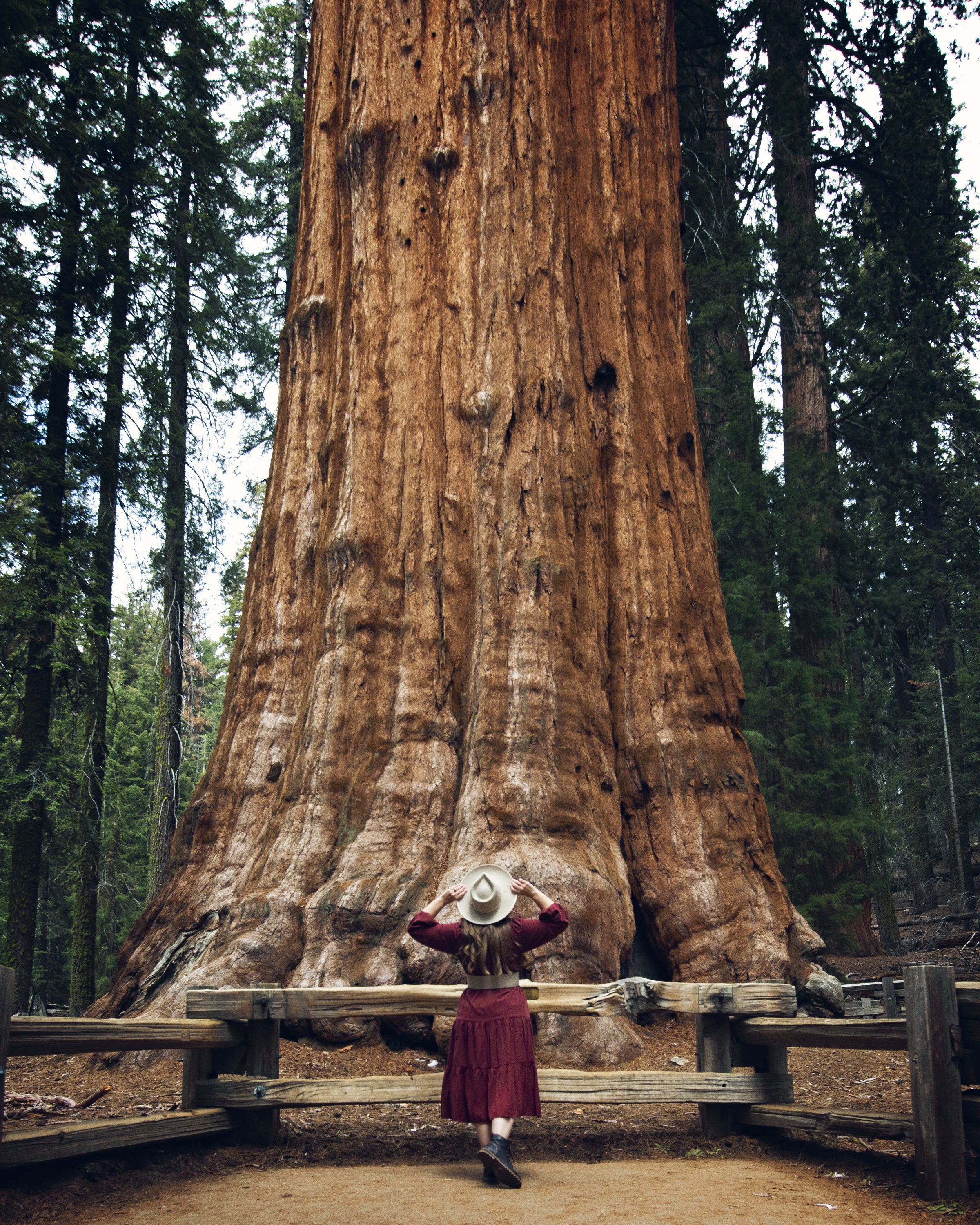
On average, mature Giant Sequoias frequently live for well over a thousand years. Many individuals within the famed groves easily surpass the 2,000-year mark. The truly remarkable specimens, however, push the boundaries of biological endurance, reaching ages that defy human comprehension. The oldest accurately dated Giant Sequoia is estimated to be around 3,200 years old. This means that these very trees were saplings when ancient civilizations were just beginning to flourish in the Middle East, standing tall through the rise and fall of empires, the birth of major religions, and the entire span of recorded human history.
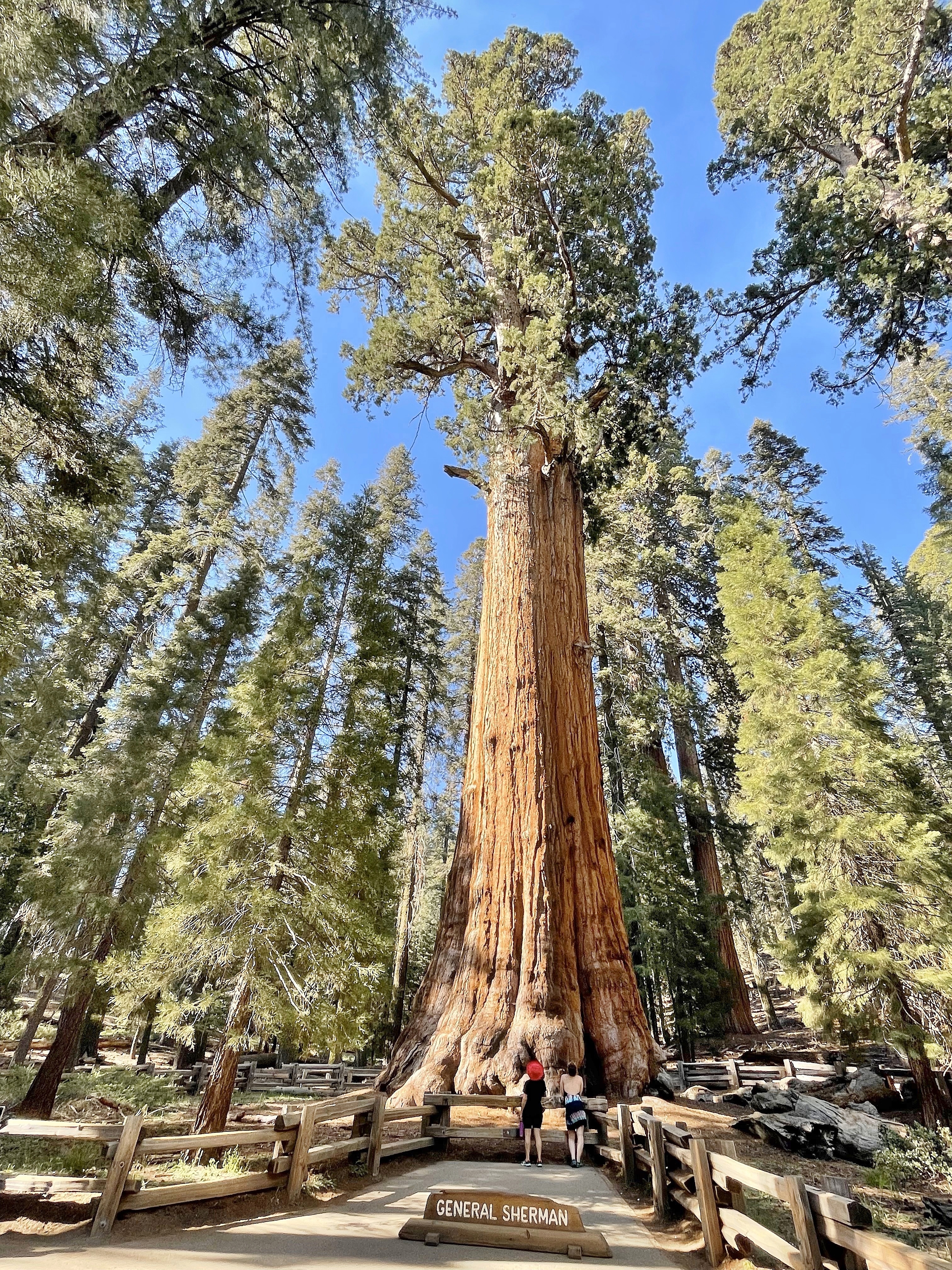
The most famous exemplar of their ancient lineage is the General Sherman Tree, located in Sequoia National Park. While renowned for being the largest living tree on Earth by volume, its age is also staggering, estimated to be between 2,200 and 2,700 years old. This makes it a contemporary of the Roman Empire and a silent witness to countless millennia of natural change. Similarly, the General Grant Tree in Kings Canyon National Park, another iconic landmark, is estimated to be approximately 1,650 years old. These figures are often derived through a combination of increment borings (a method that extracts a thin cylinder of wood to count rings without significantly harming the tree) and historical growth rate estimates, as felling these protected giants to count rings is unthinkable.
Why Such Longevity?
The extraordinary lifespan of Giant Sequoias is not merely a stroke of luck but a result of a highly evolved suite of adaptations that protect them from the myriad threats that typically shorten the lives of other tree species. Their thick, fibrous bark, which can be up to three feet deep at the base, acts as an incredibly effective insulation against forest fires. While most trees perish in intense blazes, the Giant Sequoia can often withstand them, and in fact, relies on periodic fires to clear competitive undergrowth and open its cones for seed dispersal. This unique relationship with fire is crucial to their survival and long-term health.
Furthermore, Giant Sequoias possess a high tannin content in their wood, making them highly resistant to fungal rot and insect infestations. This natural chemical defense mechanism means that even when parts of the tree are damaged, the decay process is significantly slowed, allowing the tree to continue thriving for centuries. Their robust root systems, while relatively shallow for their immense height, spread wide to anchor them firmly and efficiently absorb water and nutrients from the mineral-rich Sierra Nevada soils.
Where These Titans Thrive: Sequoia National Park and Beyond
The natural range of the Giant Sequoia is remarkably restricted, confined to approximately 75 groves scattered along the western slopes of the Sierra Nevada in California. These groves, each a unique natural landmark, represent a unique ecological niche where specific environmental conditions converge to support these immense trees.
Sequoia and Kings Canyon National Parks
The heartland of the Giant Sequoia is undoubtedly Sequoia National Park and its northern neighbor, Kings Canyon National Park. These contiguous parks, often managed as one unit, protect the vast majority of remaining old-growth Sequoia groves.
- Giant Forest (Sequoia National Park): Home to over 8,000 Giant Sequoias, including the monumental General Sherman Tree, Giant Forest is arguably the most famous and accessible of the groves. Walking among these giants is an awe-inspiring experience, underscoring their immense scale and ancient presence. Trails like the Congress Trail allow visitors to immerse themselves in this living cathedral.
- Grant Grove (Kings Canyon National Park): This grove contains the General Grant Tree, often called “the Nation’s Christmas Tree,” and is another easily accessible area for those wishing to witness these titans. The grove offers paved paths and interpretation, making it a popular destination.
- Redwood Mountain Grove (Kings Canyon National Park): This is the largest remaining grove of Giant Sequoias, encompassing 15,400 acres and boasting more mature Giant Sequoias than any other grove. It includes the Boole Tree (a standing dead Giant Sequoia that was once among the largest). While parts are accessible, much of it requires more strenuous hiking, offering a more secluded experience of these ancient landmarks.
Yosemite National Park
Further north, Yosemite National Park also hosts three significant Giant Sequoia groves, providing yet another opportunity to connect with these living historical monuments.
- Mariposa Grove: The largest of Yosemite’s groves, Mariposa Grove features over 500 mature Giant Sequoias, including the 2,700-year-old Grizzly Giant and the Washington Tree. Recently renovated, it offers accessible trails and shuttle services, making it a prime landmark for visitors.
- Tuolumne Grove: Home to about two dozen mature Giant Sequoias, this grove is smaller but offers a tranquil setting. It includes the notable “Tunnel Tree,” a dead Giant Sequoia through which visitors could once drive, although it is now a walk-through attraction.
- Merced Grove: The smallest and most remote of Yosemite’s groves, with about 20 mature Giant Sequoias. It requires a longer hike, appealing to those seeking solitude amidst these ancient giants.
The presence of these groves within protected national parks ensures that these incredible natural landmarks will continue to stand for future generations, allowing their ancient stories to unfold over millennia yet to come.
A Legacy Etched in Rings: Understanding Their Longevity
The immense age of Giant Sequoias is not just a numerical fact; it represents an incredible chronicle of environmental history. Each annual growth ring, meticulously added year after year, records a specific period in time, making these trees invaluable resources for scientific study.
Dendrochronology and Climate Records
Scientists use a technique called dendrochronology – the study of tree rings – to precisely date events and understand past climates. By analyzing the width and density of Sequoia rings, researchers can reconstruct drought patterns, fire histories, and even volcanic eruptions that occurred thousands of years ago. A narrow ring might indicate a year of drought or pest infestation, while a wide ring suggests abundant rainfall and favorable growing conditions. The cross-sections of fallen giants, or core samples taken from living trees, offer an unparalleled natural archive, providing climate data far beyond what human records can offer. This makes the Giant Sequoias not just natural landmarks, but living scientific instruments.
Ecological Resilience and Adaptation
The longevity of Giant Sequoias is deeply intertwined with their resilience and adaptations to their specific Sierra Nevada environment. Their unique reddish-brown bark, rich in tannins, repels insects and resists rot, offering a powerful defense against biological threats. This bark, incredibly thick and spongy, also protects the vital cambium layer beneath from the intense heat of wildfires.
Crucially, Giant Sequoias are serotinous, meaning their cones release seeds in response to heat. Low-intensity fires clear the forest floor of competing vegetation, create nutrient-rich ash, and, most importantly, open Sequoia cones, allowing seeds to fall on prepared soil. Without fire, the seeds struggle to germinate, and other, faster-growing species can outcompete young Sequoias. For millennia, the natural fire cycles of the Sierra Nevada ecosystem have been instrumental in the propagation and survival of these giants, demonstrating a profound ecological partnership that contributes to their incredible age.
Preserving the Patriarchs: Conservation Efforts
Given their ancient lineage and irreplaceable value as natural landmarks, the conservation of Giant Sequoias is of paramount importance. While their thick bark and natural defenses have protected them for millennia, changing climate patterns and human interference pose new and unprecedented challenges.
Modern Threats
Despite their resilience to historical fire regimes, the Giant Sequoias are increasingly vulnerable to the more intense and severe wildfires that have become commonplace in California. Decades of fire suppression policies, ironically, led to an unnatural accumulation of fuel on forest floors. When fires inevitably occur, they burn hotter and higher than the Sequoias are adapted to withstand, causing significant crown scorching and even tree mortality, especially among younger or previously stressed trees. Drought conditions, exacerbated by climate change, also weaken trees, making them more susceptible to damage. In recent years, several thousand large Giant Sequoias have been lost to these mega-fires, a stark reminder of their vulnerability.
Active Management and Protection
Conservation efforts today focus on proactive forest management, seeking to restore a more natural fire regime. This includes prescribed burns, where controlled fires are intentionally set to reduce fuel loads and promote ecological health, mimicking the beneficial low-intensity fires of the past. Forest thinning operations also remove excess smaller trees and brush that compete with Sequoias for resources and can act as “ladder fuels” during wildfires.
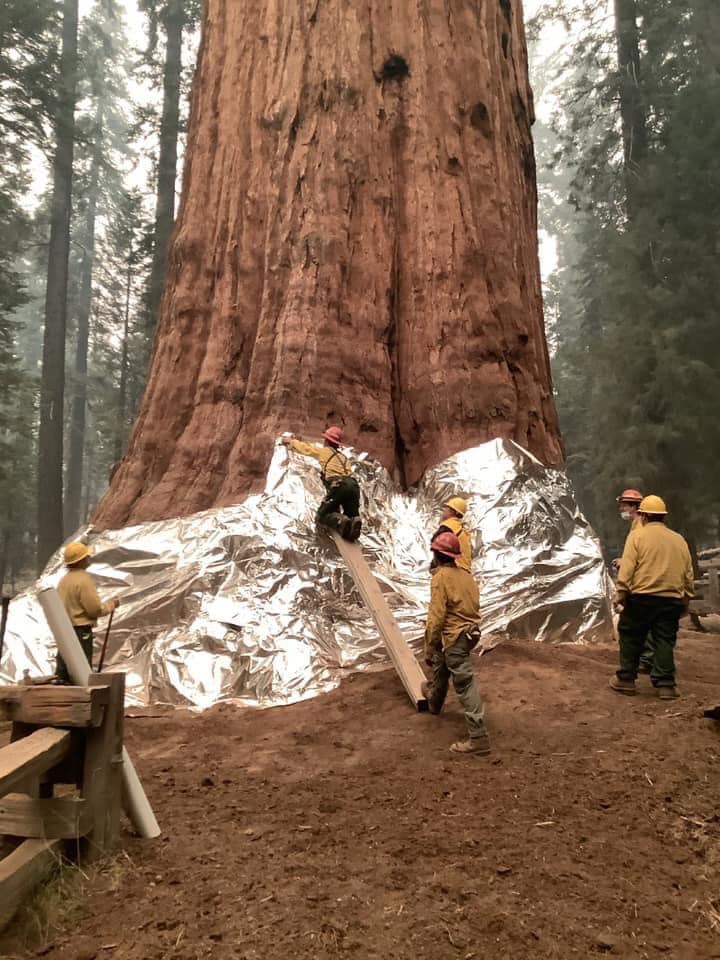
Furthermore, scientists and park rangers are employing various strategies to protect individual iconic trees, such as the General Sherman Tree, during active wildfires. This can involve wrapping bases in fire-resistant foil, installing sprinkler systems, and creating defensible spaces around the most prominent specimens. Research into Sequoia genetics and climate resilience is also ongoing, aiming to understand better how these ancient trees can adapt to a rapidly changing world. These monumental trees, as living landmarks, demand our continued stewardship to ensure their survival for future millennia.
LifeOutOfTheBox is a participant in the Amazon Services LLC Associates Program, an affiliate advertising program designed to provide a means for sites to earn advertising fees by advertising and linking to Amazon.com. Amazon, the Amazon logo, AmazonSupply, and the AmazonSupply logo are trademarks of Amazon.com, Inc. or its affiliates. As an Amazon Associate we earn affiliate commissions from qualifying purchases.