
Understanding property ownership is a fundamental aspect for anyone navigating the dynamic real estate landscape of California, especially when considering accommodation options. Whether you are seeking a long-term rental, contemplating the purchase of a primary residence or a vacation home, or even verifying the legitimacy of a short-term rental listing, knowing who owns a property provides crucial insights and safeguards. In a state known for its vibrant housing market and diverse accommodation offerings, from the bustling urban centers of Los Angeles and San Francisco to the serene vineyards of Napa Valley and the desert retreats of Palm Springs, transparency in ownership is key for making informed decisions related to your living arrangements. This guide delves into the essential methods and resources available to uncover property ownership information, tailored specifically to enhance your accommodation journey in the Golden State.
The Indispensable Role of Property Ownership Information in Accommodation
For individuals exploring accommodation options in California, obtaining property ownership details serves multiple critical purposes. It’s not merely a matter of curiosity but a vital step in due diligence, risk mitigation, and ensuring legitimate transactions.
Verifying Rental Legitimacy
In the competitive rental markets across California, from student housing near universities to luxury apartments in Malibu, rental scams are unfortunately prevalent. Prospective tenants often encounter fraudulent listings where individuals pose as landlords or property managers to collect deposits and rent for properties they do not own. By independently verifying the actual owner of a property, you can confirm the legitimacy of the person offering the lease, significantly reducing your risk of falling victim to such schemes. This is particularly relevant for online listings where direct interaction with the property owner might be minimal until after a commitment has been made.
Informed Decision-Making for Homebuyers
For those looking to purchase a home or an investment property for accommodation purposes—be it a family residence, a holiday retreat, or a rental unit—understanding ownership history and current owner details is paramount. This information allows buyers to:
- Identify the legal seller: Ensuring the person or entity selling the property has the legal right to do so.
- Uncover potential liens or encumbrances: While a title search performed during escrow will reveal these, preliminary research can flag significant issues early, influencing your decision to proceed.
- Understand the property’s chain of title: Gaining insight into how ownership has transferred over time, which can occasionally reveal disputes or complexities. This knowledge empowers buyers to negotiate more effectively and with greater confidence.
Navigating Short-Term and Vacation Rentals
California’s vibrant tourism industry relies heavily on short-term and vacation rentals. For guests, verifying ownership can offer an added layer of security, especially if a booking seems too good to be true or if there are concerns about the host’s credibility. For property owners or managers operating vacation rentals, understanding the precise ownership structure is crucial for complying with local ordinances and tax regulations, which often vary significantly by city and county. These regulations can include permit requirements, limits on rental days, and specific safety standards, all of which hinge on who legally owns the property.
Accessing Public Records: Your Primary Resource
The most reliable and accessible avenues for finding property ownership information in California are through public records maintained at the county level. These resources are designed to provide transparency and are generally available to the public, often at no cost or for a nominal fee.
The County Assessor’s Office
The County Assessor’s Office is responsible for assessing the value of all taxable property within its jurisdiction and maintaining records of property ownership for tax purposes. This office is usually the first stop for anyone seeking basic ownership information.
What Information You Can Find
- Owner of Record: The name of the individual or entity currently recorded as the property owner for tax assessment purposes.
- Assessed Value: The property’s value as determined by the assessor, used for calculating property taxes.
- Assessor’s Parcel Number (APN): A unique identifying number assigned to each parcel of land, critical for pinpointing specific properties.
- Property Characteristics: Basic details about the property, such as lot size, square footage, and sometimes the number of rooms, which can be useful when evaluating potential accommodation.
How to Access Records
Most California counties offer online portals for their Assessor’s Offices, allowing you to search for property information by address or APN. For instance, residents and prospective buyers in Los Angeles County, San Diego County, Orange County, and Santa Clara County can typically access this data through their respective county websites. If online access is limited or you require more detailed assistance, you can visit the Assessor’s Office in person during business hours.
The County Recorder’s Office
While the Assessor’s Office focuses on taxation, the County Recorder’s Office is the official repository for all documents related to property transactions and legal instruments. This office provides the definitive record of who holds title to a property and how that title was acquired.
What Information You Can Find
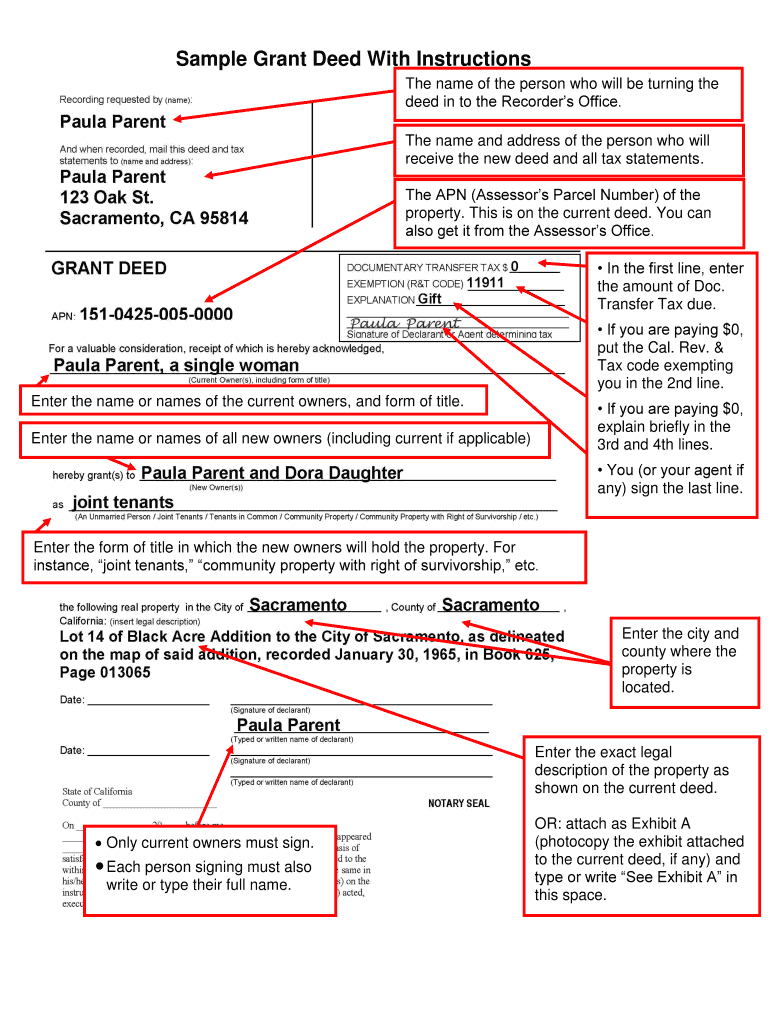
- Deeds: Documents such as Grant Deeds, Quitclaim Deeds, and Warranty Deeds formally transfer ownership from one party to another. These are crucial for establishing the chain of ownership.
- Mortgages/Deeds of Trust: Records of any loans secured by the property.
- Liens: Notices of financial claims against the property, such as tax liens, mechanic’s liens, or judgment liens, which can impact a property’s marketability and suitability for accommodation.
- Easements: Legal rights to use another’s land for a specific purpose.

How to Access Records
Similar to the Assessor’s Office, many County Recorder’s Offices, including those in Riverside County, San Bernardino County, and Alameda County, provide online search capabilities for recorded documents. You often need the property’s address or the name of a party involved in a transaction to initiate a search. Digital images of recorded documents are frequently available for viewing or download, sometimes for a small fee. For older records or complex searches, an in-person visit might be necessary.
Navigating the Search: Practical Steps and Potential Challenges
While public records are readily available, the process of finding ownership information can sometimes present complexities, especially with certain types of property ownership structures.
Starting Your Search with an Address
The most straightforward way to begin your search is with the property’s physical address. This allows you to easily locate the property on a county’s online map or search portal, retrieve the APN, and then use that APN for more detailed searches at both the Assessor’s and Recorder’s Offices.
Overcoming Challenges in Identifying Owners
- Corporate or Trust Ownership: Many properties, especially investment properties or those held for estate planning, are owned by corporations, LLCs (Limited Liability Companies), or trusts. In such cases, the public record will list the entity’s name rather than an individual’s. To identify the individuals behind these entities, you might need to consult the California Secretary of State’s website for corporate filings, though privacy regulations may still limit the disclosure of specific individuals. For accommodation purposes, knowing the entity is often sufficient to verify legitimacy, as long as it’s a recognized legal structure.
- Out-of-State Owners: Properties owned by individuals or entities outside California pose no additional legal hurdles for identification, as California public records will still list the owner of record regardless of their residency.
- Privacy Considerations: While property ownership is generally public information, the extent of personal details disclosed is limited. Information like phone numbers, email addresses, or specific personal financial details are typically not found in public property records.
When Professional Assistance Is Advisable
For complex situations or when comprehensive due diligence is required for significant accommodation investments, engaging professionals can be invaluable.
- Title Companies: These companies specialize in researching property titles, conducting exhaustive searches of public records to uncover all recorded documents related to ownership, liens, and encumbrances. While primarily used during property sales, their expertise can be leveraged for detailed ownership reports.
- Real Estate Agents: Licensed real estate agents often have access to Multiple Listing Service (MLS) databases and local expertise that can provide initial insights into property ownership and history. They can be a helpful first point of contact for buyers and sellers of accommodation.
- Real Estate Attorneys: For legal advice regarding property ownership disputes, complex trust structures, or the implications of specific recorded documents on an accommodation investment, a real estate attorney provides expert guidance. They can help interpret findings and advise on the best course of action.
Enhancing Your California Accommodation Experience
Ultimately, the effort expended to find out who owns a property in California translates directly into a more secure, informed, and satisfying accommodation experience. Whether you’re settling into a new home in Sacramento County, renting a vacation villa, or investing in a property in Palo Alto, this knowledge empowers you.
For Prospective Tenants and Long-Term Renters
By verifying ownership, tenants gain peace of mind, knowing they are dealing with the legitimate party responsible for the property. This ensures that rent payments are directed to the correct owner and that the landlord has the legal authority to enforce lease agreements and maintain the property. It’s a crucial step in safeguarding against rental fraud and establishing a trustworthy landlord-tenant relationship from the outset.
For Potential Homebuyers (Primary or Secondary Accommodation)
For individuals or families looking to buy a home, whether it’s their primary residence or a secondary vacation home, thorough ownership research is an integral part of the buying process. It helps confirm the property’s clear title, identifies any potential clouds on the title (like undisclosed liens or ownership disputes), and provides a complete picture of the property’s legal standing. This due diligence can prevent future legal complications and ensure a smooth transition into your new California accommodation.

For Vacation Rental Guests and Operators
In the realm of short-term rentals, understanding ownership fosters trust and ensures compliance. Guests can confidently book accommodations, assured that the listing is genuine and the host is authorized. For operators, confirming ownership is vital for adhering to the specific and often stringent local regulations governing short-term rentals, thereby avoiding penalties and contributing to a reputable business operation within California’s tourism sector.
Navigating property ownership information in California is a valuable skill that enhances the safety, security, and legitimacy of any accommodation-related endeavor. By utilizing the available public resources and, when necessary, professional expertise, you can confidently explore the diverse range of living options this vibrant state has to offer.
LifeOutOfTheBox is a participant in the Amazon Services LLC Associates Program, an affiliate advertising program designed to provide a means for sites to earn advertising fees by advertising and linking to Amazon.com. Amazon, the Amazon logo, AmazonSupply, and the AmazonSupply logo are trademarks of Amazon.com, Inc. or its affiliates. As an Amazon Associate we earn affiliate commissions from qualifying purchases.