
Navigating the vibrant and diverse landscapes of California often requires the freedom and independence that comes with driving. From the sun-drenched beaches of Los Angeles to the majestic forests of Northern California, having a driving permit is the foundational step towards unlocking a richer, more flexible lifestyle in the Golden State. This comprehensive guide outlines the process, requirements, and crucial steps to obtain your driving permit, integrating seamlessly into your Californian life.
Understanding the California Driver’s Permit Landscape
Obtaining a driving permit in California is more than just a bureaucratic process; it’s an entry point to greater mobility and personal freedom, significantly enhancing your lifestyle. Whether you’re a long-time resident eager to hit the open road or a new arrival planning to make California your home, understanding the permit system is paramount.
Who Needs a Permit?
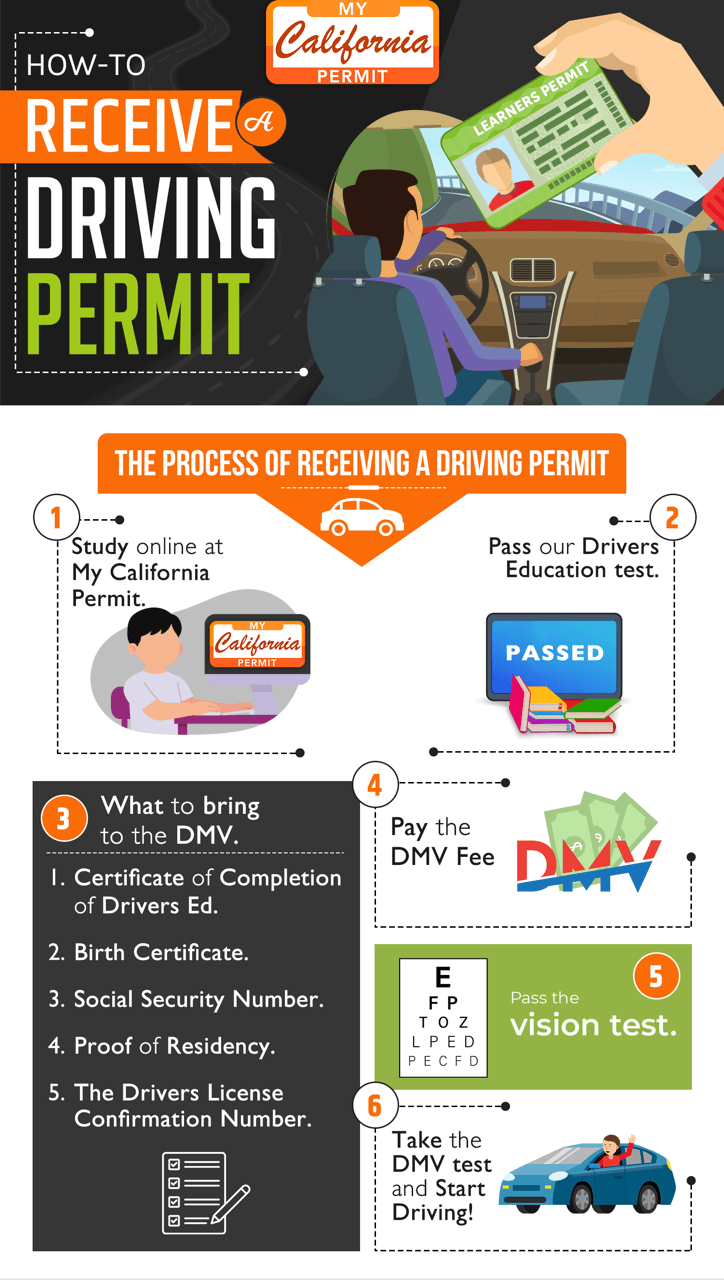
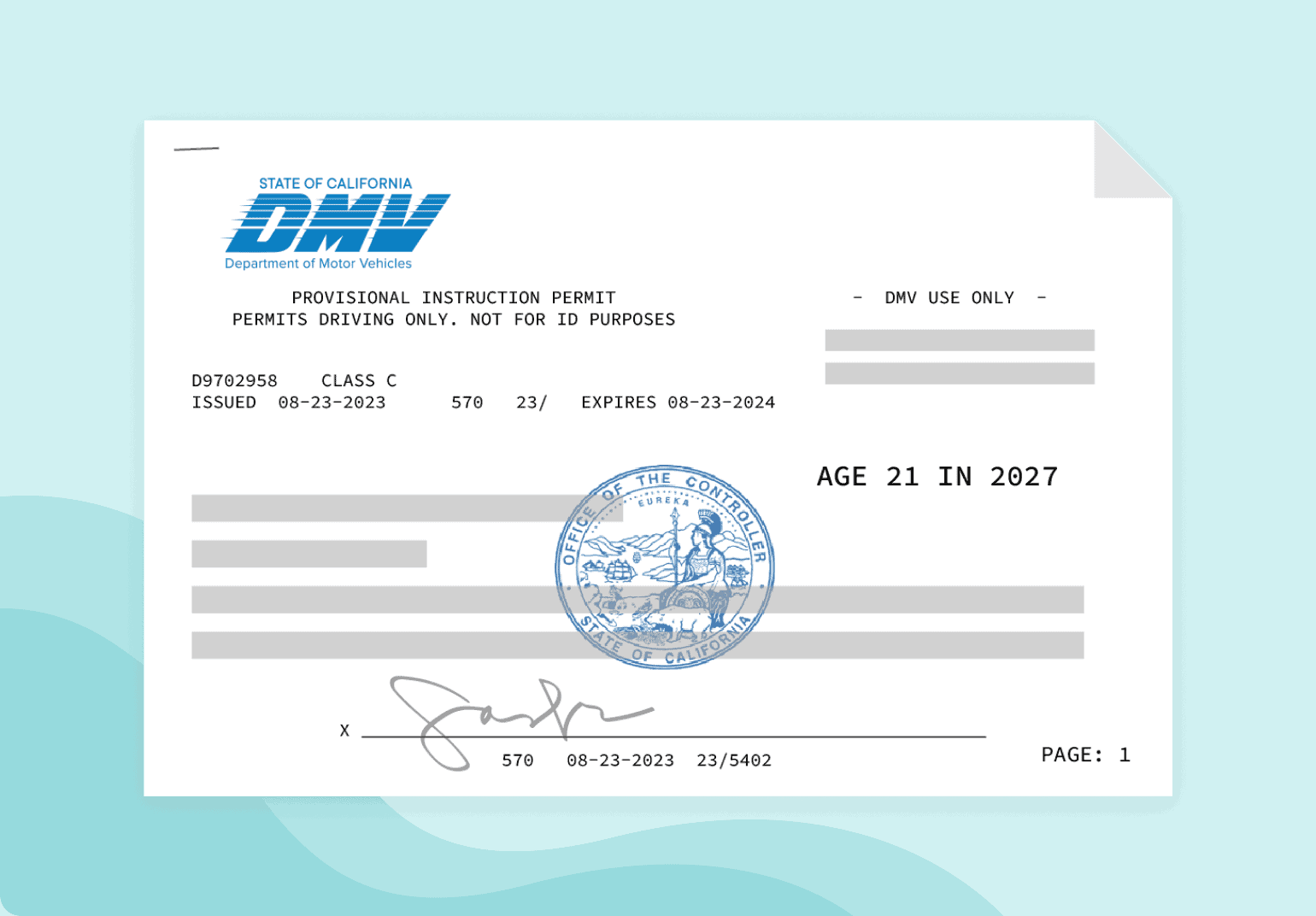
Essentially, anyone who wishes to learn to drive in California must first obtain a Provisional Instruction Permit, commonly referred to as a driving permit. This applies to new drivers of all ages, though specific rules and restrictions vary for minors (under 18 years old) versus adults. For minors, the permit is a mandatory precursor to obtaining a provisional driver’s license. For adults, while not strictly required to hold a permit for a minimum period before applying for a license (unlike minors), it is still necessary to possess one to legally practice driving with a licensed adult.
The Importance of a Permit for Your California Lifestyle
The ability to drive independently is a cornerstone of the Californian lifestyle. Public transportation, while available in major metropolitan areas like San Francisco and Sacramento, doesn’t always offer the flexibility needed to explore the state’s vast natural beauty or commute efficiently in many regions. A driving permit is the first step towards:
- Increased Independence: No longer reliant on others for rides, you gain the freedom to manage your schedule and activities.
- Expanded Exploration: Unlock the ability to visit national parks, coastal towns, and desert retreats that are less accessible by public transport.
- Career Opportunities: Many jobs in California require a valid driver’s license, making the permit a crucial first step in career advancement.
- Convenience: From grocery runs to weekend trips, driving simplifies daily tasks and recreational pursuits, greatly improving quality of life.
Essential Eligibility Requirements
Before you even step foot in a California Department of Motor Vehicles (DMV) office, it’s vital to confirm you meet the basic eligibility criteria. These requirements ensure that new drivers are adequately prepared and legally authorized to begin their journey towards obtaining a full driver’s license.
Age and Residency
To apply for a provisional instruction permit in California:
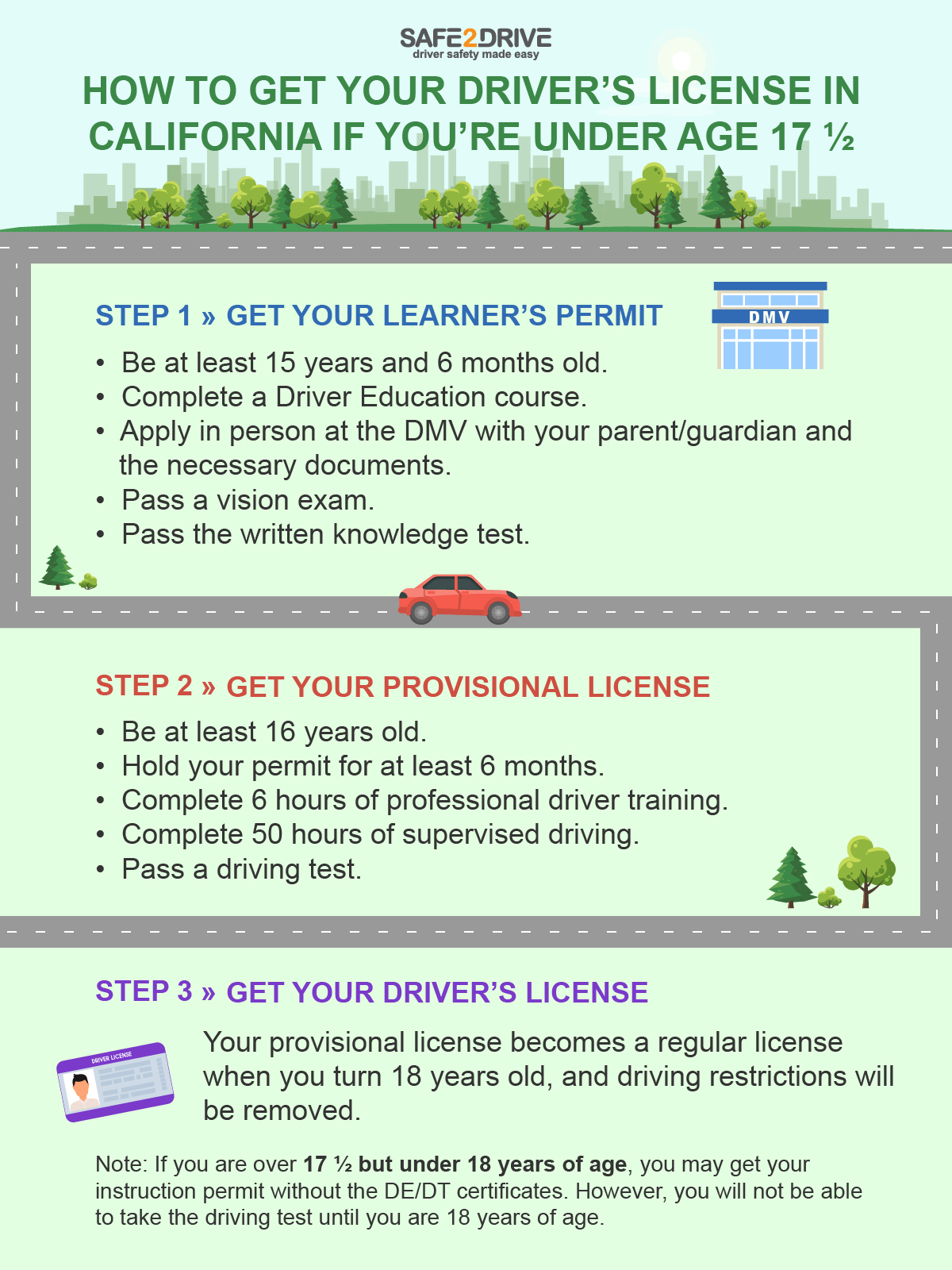
- Minors (Under 18): You must be at least 15 ½ years old. Additionally, you must provide proof that you have completed or are currently enrolled in an approved driver education course. This typically involves 30 hours of classroom instruction or an equivalent online program.
- Adults (18 and Older): There is no upper age limit, and you do not need to provide proof of driver education completion, although it is highly recommended for all new drivers.
All applicants, regardless of age, must demonstrate proof of legal presence in the United States and proof of residency in California. This is critical for maintaining the integrity of the state’s licensing system and ensures that only eligible individuals receive permits.
Required Documentation
Gathering the correct documents before your DMV visit will save you significant time and potential frustration. You will need to present:
- Proof of Identity: A valid birth certificate, US passport, or foreign passport with a valid US visa and I-94 form are common examples. The DMV website provides a comprehensive list of acceptable documents.
- Proof of Residency: Two different documents showing your name and current California address. Utility bills, rental agreements, and bank statements are frequently used.
- Proof of Social Security Number (SSN): Your Social Security card or other acceptable document displaying your SSN. If you do not have an SSN, you will need to meet specific DMV requirements for non-SSN holders.
- Proof of Driver Education/Training (for minors): Certificates of completion for both driver education (DL 400C or OL 237) and driver training enrollment (DL 392) or completion (DL 400D or OL 238).
Having these documents organized and readily accessible will streamline your application process and allow you to focus on the next steps towards your driving permit.
Navigating the Application Process
With your eligibility confirmed and documents prepared, the next phase involves the actual application process at the DMV. This typically involves completing an application form, passing a knowledge test, and undergoing a vision screening.
The DMV Application Form
Before or during your visit to the DMV, you will need to complete the Driver’s License or ID Card Application, form DL 44. It is often recommended to fill out the application online beforehand through the DMV’s website, which can significantly reduce your waiting time at the office. This form collects personal information, residency details, and medical history relevant to your ability to drive safely. Be prepared to pay the application fee at this stage, which covers the cost of the permit and subsequent driving tests.
The Knowledge Test: What to Expect
The knowledge test is a crucial hurdle in obtaining your permit. It assesses your understanding of California traffic laws, road signs, and safe driving practices.
- Format: The test consists of multiple-choice questions. For minors, there are 46 questions, and you must answer at least 38 correctly to pass. Adults take a 36-question test and need to answer 30 correctly.
- Preparation: The official California Driver Handbook is your primary study resource. Every question on the test is derived directly from this handbook. Read it thoroughly, pay attention to sections on traffic signs, right-of-way rules, and specific California laws. Practice tests, widely available online, can also be invaluable for familiarizing yourself with the format and types of questions.
- Tips for Success: Don’t rush. Read each question carefully. If you’re unsure about a question, skip it and return to it later. Take practice tests until you consistently score well above the passing mark.
Vision Screening and Fingerprinting
After successfully passing the knowledge test, you will undergo a vision screening. This simple test ensures your eyesight meets the minimum requirements for safe driving. If you wear corrective lenses, be sure to wear them for the screening. If your vision does not meet the standards, you may be referred to an optometrist for further evaluation.
Finally, you will have your thumbprint taken and a photo captured for your official permit. These biometric data points are standard security measures for identification purposes. With these steps completed, and assuming all documents are in order, you will be issued your provisional instruction permit.
Mastering the Provisional Permit Rules
Receiving your provisional instruction permit marks an exciting milestone. However, it’s essential to understand the specific rules and restrictions that come with it, especially for minors. These regulations are designed to ensure supervised practice and promote safe driving habits before you can drive independently.
Driving with a Licensed Adult
Regardless of age, a provisional permit holder in California is legally prohibited from driving alone. You must always be accompanied by a licensed driver who is:
- At least 18 years old (for adult permit holders) or 25 years old (for minor permit holders).
- Seated in the passenger seat beside you.
- In possession of a valid California driver’s license.
This requirement ensures that an experienced driver can provide immediate guidance and intervention, making your practice sessions safe and productive. This supervised practice period is crucial for developing confidence and practical skills necessary for driving in real-world scenarios across the diverse landscapes of California.
Restrictions for Minors
For permit holders under 18, additional restrictions apply, designed to give young drivers ample supervised experience before driving solo:
- Minimum Practice Hours: You must complete at least 50 hours of supervised driving practice, including a minimum of 10 hours at night. This practice must be certified by a parent, guardian, or licensed instructor.
- Driver Training: You must complete 6 hours of professional driver training with a certified driving instructor. This training is typically broken into three 2-hour sessions.
- Holding Period: You must hold your provisional instruction permit for a minimum of six months before you can apply for a provisional driver’s license. This period ensures sufficient time to gain driving experience under supervision.
These restrictions are not merely bureaucratic hurdles but are integral to the graduated licensing system in California, proven to reduce accident rates among new drivers. Embracing these guidelines as part of your lifestyle journey ensures a safer transition to independent driving.
Preparing for Your Driver’s License
Your provisional permit is just the first step. During the permit holding period, your focus should be on gaining as much supervised driving experience as possible. Practice in various conditions: different times of day, varying traffic levels, and diverse road types (city streets, highways, residential areas). This comprehensive practice will not only make you a more confident driver but also prepare you for the dreaded behind-the-wheel driving test, the final step to obtaining your full California driver’s license. Regularly review the California Driver Handbook to reinforce your knowledge of traffic laws and safe driving practices.
Beyond the Permit: Embracing California’s Roads
Once you successfully navigate the permit phase and obtain your provisional or full driver’s license, the expansive roads of California truly open up to you. This newfound independence profoundly impacts your lifestyle, offering unparalleled opportunities for exploration, career advancement, and personal freedom.
Imagine weekend trips along the scenic Pacific Coast Highway, spontaneous visits to friends across town, or commuting to a dream job without relying on ride-shares or limited public transport. Your California driver’s permit is the crucial first key to unlocking these experiences. Drive safely, adhere to traffic laws, and enjoy the incredible journey ahead as you embrace the full spectrum of the Californian lifestyle, from its bustling cities to its serene natural wonders.
LifeOutOfTheBox is a participant in the Amazon Services LLC Associates Program, an affiliate advertising program designed to provide a means for sites to earn advertising fees by advertising and linking to Amazon.com. Amazon, the Amazon logo, AmazonSupply, and the AmazonSupply logo are trademarks of Amazon.com, Inc. or its affiliates. As an Amazon Associate we earn affiliate commissions from qualifying purchases.