
Embarking on a teaching career in the Golden State offers not just professional fulfillment but also a vibrant lifestyle experience. California‘s diverse landscapes, rich cultural tapestry, and commitment to education make it an attractive destination for aspiring and experienced educators alike. Navigating the path to obtaining teaching credentials in California requires a clear understanding of the requirements set forth by the state’s regulatory body. This guide provides an insightful look into the process, helping you transition smoothly into an enriching educational career and a new lifestyle in California.
Understanding the California Credentialing Landscape
The process of becoming a credentialed teacher in California is overseen by the California Commission on Teacher Credentialing (CTC). The CTC is responsible for setting standards for educator preparation, issuing credentials, and ensuring that all teachers meet the state’s rigorous qualifications. Understanding the structure and types of credentials available is the first crucial step in planning your educational journey in California.
The California Commission on Teacher Credentialing (CTC)
The CTC is the central authority. Its website is an indispensable resource for detailed information on every aspect of credentialing, including application forms, examination dates, and approved preparation programs. Aspiring teachers should familiarize themselves with the CTC website early in their process. The CTC ensures that all educators serving in California public schools have met specific academic, professional, and ethical standards, thereby maintaining the quality of education across the state.
Types of Credentials
California offers several types of teaching credentials, each tailored to different educational levels and subject areas. The most common credentials include:
- Multiple Subject Teaching Credential: Required for teaching in self-contained classrooms, typically in elementary schools (kindergarten through 12th grade, though primarily K-6). This credential authorizes teaching all subjects in a classroom.
- Single Subject Teaching Credential: Required for teaching a specific subject (e.g., English, Math, Science, History) in departmentalized settings, typically in middle and high schools (7th through 12th grade).
- Education Specialist Instruction Credential: For teaching students with mild/moderate or extensive support needs, often in special education settings. These credentials come with various authorizations based on the specific needs of students.
- Pupil Personnel Services Credential: For roles such as school counselors, school psychologists, school social workers, and child welfare and attendance professionals.
- Administrative Services Credential: For individuals aspiring to leadership roles like principals, assistant principals, or other district-level administrators.
Each credential has distinct requirements regarding coursework, examinations, and fieldwork. Choosing the right credential aligns with your career aspirations and the grade levels or subjects you wish to teach, significantly impacting your professional lifestyle in California.
Pathways to a California Teaching Credential
There are multiple routes to obtaining a teaching credential in California, designed to accommodate individuals with varying educational backgrounds and levels of experience. Whether you’re a recent college graduate, a professional looking for a career change, or an out-of-state teacher, California offers a pathway for you.
Traditional Preparation Programs
For many, the most common route is completing a state-approved teacher preparation program. These programs are typically offered by colleges and universities and lead to either a bachelor’s degree with a credential or a post-baccalaureate credential program.
- Program Components: These programs generally include a combination of pedagogical coursework (covering topics like educational psychology, classroom management, curriculum development, and instructional strategies), supervised fieldwork (student teaching), and subject-matter specific instruction.
- Duration: Full-time programs often take one to two years to complete after earning a bachelor’s degree, while integrated programs may extend the bachelor’s degree duration.
Intern Programs
California also offers intern programs, which allow eligible candidates to teach in their own classrooms while simultaneously completing their credential coursework. This “earn while you learn” model is particularly appealing to those seeking immediate employment and practical experience.
- Eligibility: Intern programs typically require candidates to have a bachelor’s degree, meet subject matter competence, and pass the basic skills requirement. Candidates must also secure an intern teaching position with a participating school district.
- Benefits: Intern programs provide paid teaching experience, mentorship, and a direct path to a full credential, often expediting the transition into a full-time teaching lifestyle.
Out-of-State Credential Holders
Teachers who hold a valid, non-expired teaching credential from another U.S. state may be eligible for a California credential through a streamlined process. The CTC evaluates out-of-state credentials to determine equivalency.
- Reciprocity: While full reciprocity isn’t guaranteed, many requirements can be met through previous coursework or experience. Out-of-state educators often need to fulfill California-specific requirements, such as passing the California Basic Educational Skills Test (CBEST), demonstrating subject matter competence (often through the California Subject Examinations for Teachers, or CSET), and completing coursework on the California Constitution and U.S. Constitution if not covered in previous education.
- Waivers: Some requirements, such as the Reading Instruction Competence Assessment (RICA) for multiple subject credentials, may be waived for experienced out-of-state teachers who have taught for a specified number of years.

Subject Matter Competence
All candidates for a single or multiple subject teaching credential must demonstrate subject matter competence. There are several ways to fulfill this requirement:
- CSET Examinations: The most common method is passing the California Subject Examinations for Teachers (CSET) in the specific subject(s) or for the multiple subjects area.
- Approved Subject Matter Programs: Completing an undergraduate or graduate program at a California institution that has been specifically approved by the CTC to waive the CSET.
- Coursework Review: In some cases, a combination of coursework from an accredited institution may be reviewed to demonstrate competence.
Basic Skills Requirement
Every individual applying for an initial teaching credential in California must satisfy the Basic Skills Requirement (BSR). This ensures that educators possess fundamental reading, writing, and mathematics skills. Options to fulfill the BSR include:
- CBEST: Passing the California Basic Educational Skills Test.
- Coursework: Achieving a qualifying score on specific college-level coursework.
- Other Exams: Meeting minimum scores on other standardized examinations like the SAT or ACT.
- Combination of Methods: The CTC also allows for a combination of methods to meet the BSR.
Application Process and Beyond
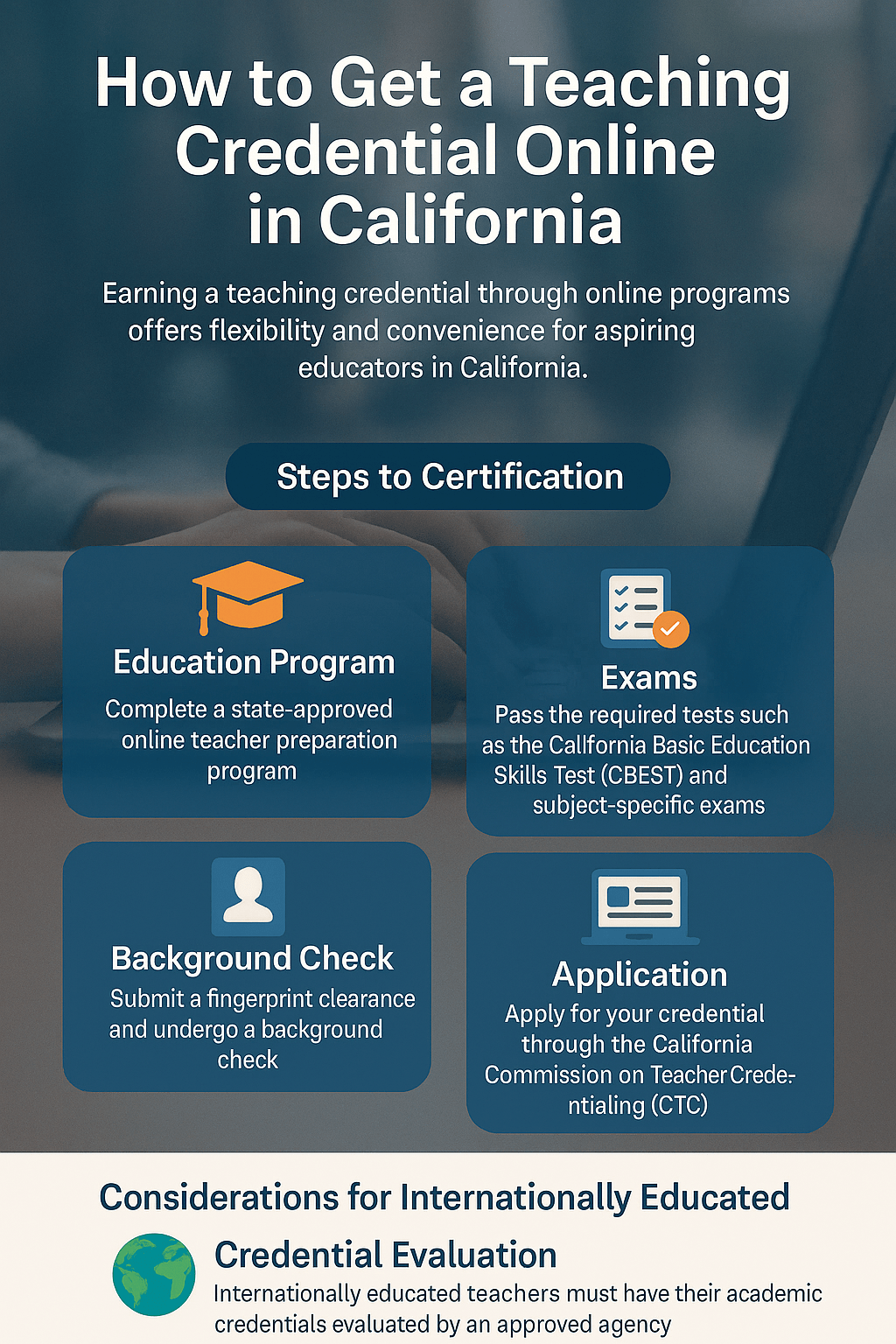
Once you have completed your preparation program, passed the necessary examinations, and fulfilled all other requirements, the final step is to formally apply for your credential. This is where your commitment to a professional lifestyle in California begins to materialize.
Fingerprint Clearance
Before applying for any credential, all candidates must undergo a criminal background check through fingerprint submission. This Live Scan process is mandatory and must be completed in California to ensure compliance with state regulations for individuals working with children.
Applying Through the CTC
Applications are submitted directly to the CTC, usually online. You will need to provide official transcripts, examination scores, and verification of program completion from an approved institution. The CTC charges an application fee, and processing times can vary, so it’s advisable to apply well in advance of when you plan to begin teaching.
Professional Development and Renewal
A California teaching credential is not a one-time achievement but an ongoing commitment to professional growth. Most initial credentials are valid for a set number of years (e.g., five years) and require specific professional development activities, continuing education units, or additional coursework for renewal. This continuous learning is an integral part of an educator’s lifestyle in California, ensuring they remain effective and up-to-date with best practices.
Making the Move to Teach in California
Beyond the formal credentialing process, aspiring teachers often consider the broader lifestyle implications of moving to and working in California. The state offers diverse opportunities and unique challenges that shape an educator’s experience.
Exploring California’s Diverse Educational Settings
California is home to thousands of public and private schools, each with its own community, culture, and needs. From bustling urban districts like Los Angeles Unified School District and San Diego Unified to suburban campuses in the Bay Area or smaller rural schools in the Central Valley, the range of environments is vast. Researching different regions and school districts can help you find a setting that aligns with your personal values and professional aspirations, defining your lifestyle as a California educator. Each locale offers a different pace of life, community engagement, and student demographic, influencing everything from housing choices to leisure activities.
Cost of Living Considerations and Salary Expectations
It’s no secret that California’s cost of living, particularly in major metropolitan areas like San Francisco or Orange County, is higher than the national average. However, teacher salaries in California are also among the highest in the nation. It’s essential to research average teacher salaries in specific districts and compare them with the cost of living in those areas. Many districts offer competitive benefits packages, and some regions may have programs to assist educators with housing or relocation expenses. Planning your finances is a key component of establishing a comfortable lifestyle in California.

Embracing the California Lifestyle as an Educator
Becoming a teacher in California means integrating into a community that values education and diversity. Educators here enjoy access to unparalleled natural beauty, from pristine beaches to majestic mountains, offering endless opportunities for outdoor recreation. The state’s innovative spirit extends to its educational practices, often pioneering new approaches to learning. Building a professional network, engaging with parent-teacher associations, and participating in local cultural events are all ways to immerse yourself in the California lifestyle. Your teaching career in California is more than just a job; it’s an opportunity to contribute to a vibrant society while enjoying a dynamic and fulfilling personal life.
LifeOutOfTheBox is a participant in the Amazon Services LLC Associates Program, an affiliate advertising program designed to provide a means for sites to earn advertising fees by advertising and linking to Amazon.com. Amazon, the Amazon logo, AmazonSupply, and the AmazonSupply logo are trademarks of Amazon.com, Inc. or its affiliates. As an Amazon Associate we earn affiliate commissions from qualifying purchases.