
When contemplating a trip to the United States, travelers often consider states known for their vastness and diverse offerings. California frequently tops the list of perceived giants, celebrated for its sprawling cities, extensive coastline, and varied landscapes. However, the question of whether California is indeed the largest state by area is a common misconception, one that holds significant implications for how travelers plan their adventures across the country.
Debunking the Myth: Understanding State Size
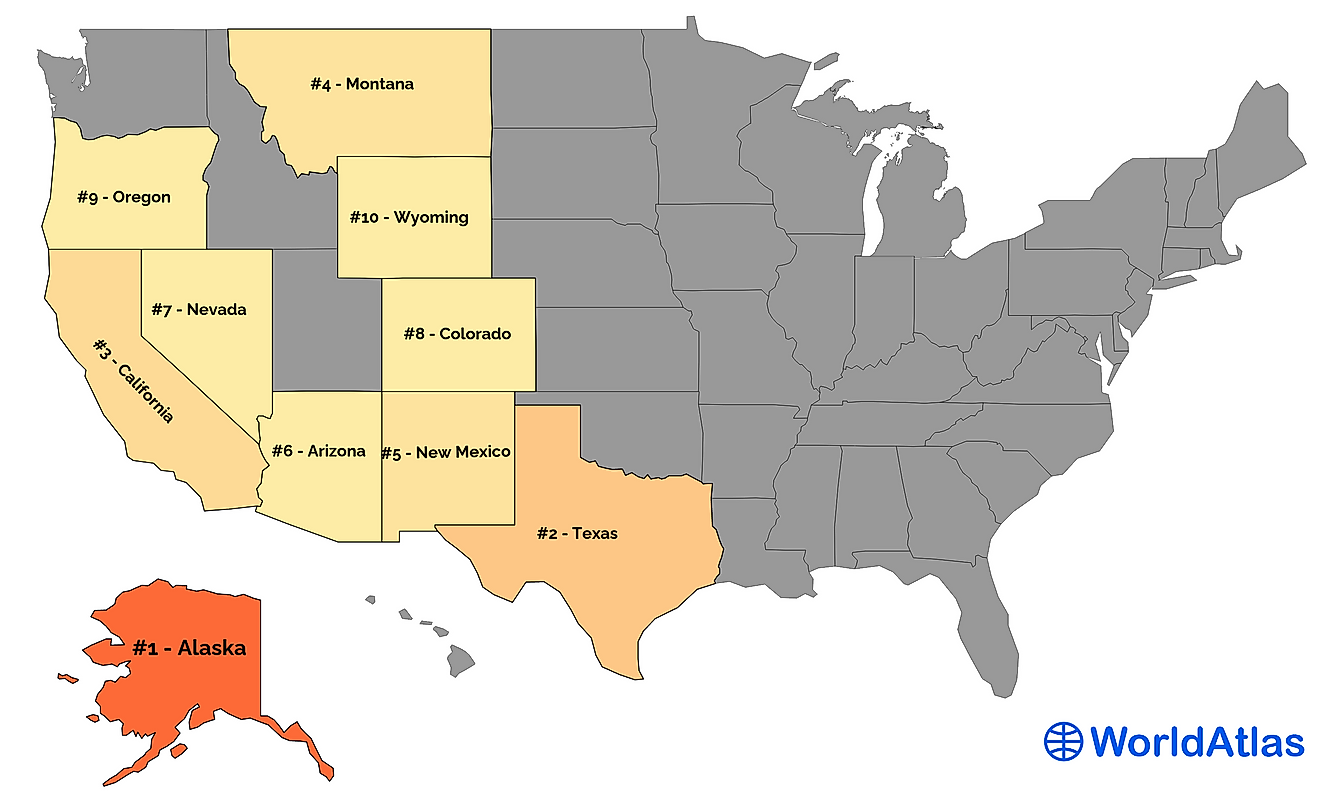
To address the titular question directly, no, California is not the largest state in the U.S. That distinction belongs unequivocally to Alaska. While California ranks third in terms of land area, following Texas, its immense population, economic prowess, and cultural influence often lead to the assumption of it being the nation’s biggest. Alaska, by contrast, is truly colossal, encompassing over 663,000 square miles, more than twice the size of Texas and significantly larger than California’s roughly 163,000 square miles.

The perception of California as ‘largest’ likely stems from its sheer impact. It boasts the most populous state in the U.S., a global economic powerhouse, and a cultural trendsetter. Its enormous population density, especially in urban centers like Los Angeles and San Francisco, creates a feeling of endless expansion. From the vibrant energy of Hollywood to the tech innovation of Silicon Valley, the state’s influence reaches far beyond its actual borders, often overshadowing its true geographical ranking. Yet, for the discerning traveler, understanding its actual size and geographical context is crucial for planning an efficient and fulfilling journey.
California’s Expansive Appeal: A Traveler’s Perspective
Despite not holding the title of the largest state, California’s geographic diversity and sheer scale of attractions make it feel boundless to any traveler. Its varied topography ensures that a journey across the state can encompass an astonishing array of environments and experiences, far more than its third-place ranking might suggest.
From Deserts to Mountains: Diverse Landscapes
California’s appeal lies in its unparalleled natural diversity, packing a continent’s worth of landscapes into its borders. Travelers can explore the surreal beauty of the Mojave Desert and Death Valley National Park, where extreme temperatures and unique geological formations create an otherworldly experience. Just a few hours’ drive away, the majestic peaks of the Sierra Nevada mountain range rise dramatically, offering world-class skiing in winter and unparalleled hiking and camping in summer.
Within the Sierra Nevada lies Yosemite National Park, a crown jewel of the U.S. National Park system, famous for its towering granite cliffs like El Capitan and Half Dome, giant sequoia groves, and breathtaking waterfalls. Further north, the serene alpine waters of Lake Tahoe straddle the California-Nevada border, providing year-round outdoor recreation.
The state’s iconic coastline stretches for hundreds of miles, featuring dramatic cliffs, pristine beaches, and charming seaside towns. A drive along the legendary Pacific Coast Highway (often referred to as Highway 1) through regions like Big Sur offers some of the most scenic vistas in the world. Inland, ancient redwood forests, particularly in Redwood National and State Parks in the northern part of the state, invite visitors to marvel at the tallest trees on Earth, providing a humbling and spiritual experience. The agricultural heartland of the Central Valley, while less of a tourist draw, showcases the state’s immense productivity and provides a striking contrast to its wilder edges.
Iconic Cities and Cultural Hubs
Beyond its natural wonders, California is home to some of the world’s most vibrant and influential cities, each offering a distinct flavor for the urban explorer. Los Angeles, the sprawling metropolis of Southern California, is a global center for entertainment, fashion, and culture. Visitors can explore Hollywood’s Walk of Fame, relax on the beaches of Santa Monica, delve into world-class museums like the Getty Center, or experience the diverse culinary scene.
Further north, San Francisco captivates with its iconic Golden Gate Bridge, historic Alcatraz Island, charming cable cars, and distinct neighborhoods like Fisherman’s Wharf and Chinatown. Its hilly terrain and Victorian architecture give it a unique character, while its tech industry continues to drive innovation.
San Diego, nestled closer to the Mexican border, offers a more relaxed vibe with its beautiful beaches, Balboa Park’s cultural institutions, and vibrant Gaslamp Quarter. Sacramento, the state capital, provides a glimpse into California’s history with its Old Town and proximity to the Gold Rush country. Even smaller cities like Santa Barbara, known as the “American Riviera,” offer luxurious coastal retreats and Spanish colonial architecture. This density of urban experiences, combined with natural beauty, reinforces the perception of California’s immense scale.
Planning Your California Adventure: Navigating a “Large” State
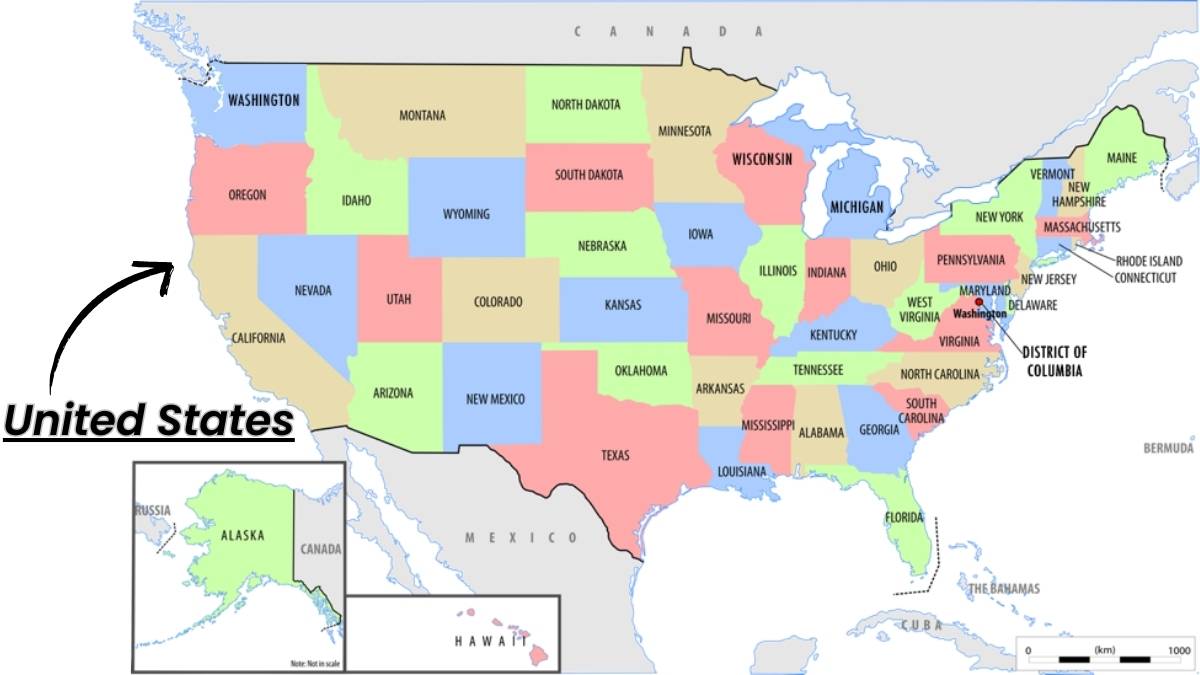
Given California’s geographical extent and diverse attractions, planning a trip requires careful consideration. Attempting to see everything in a single visit, especially a short one, is an ambitious and often impractical endeavor. Travelers should approach California as they would a multi-country tour, focusing on specific regions or themes rather than trying to cover the entire state.
Driving is a popular and often necessary mode of transport, with extensive road networks connecting major cities and attractions. However, distances can be significant. For instance, driving from San Diego to Redwood National and State Parks in the far north can take over 12 hours of continuous driving. Therefore, travelers should factor in travel time between destinations and consider if internal flights between major hubs like Los Angeles, San Francisco, and San Diego might be more efficient for covering vast distances quickly.
For shorter trips (e.g., 5-7 days), focusing on either Southern California ( Los Angeles, San Diego, desert parks) or Northern California ( San Francisco, Yosemite, wine country) is advisable. Longer trips (10-14 days or more) allow for a more comprehensive exploration, perhaps combining a coastal drive with a visit to a national park, or an urban experience with a foray into the wine regions of Napa Valley or Sonoma. The iconic Highway 1 coastal drive, while stunning, also demands multiple days to truly appreciate without feeling rushed, offering numerous viewpoints and small towns to explore along the way.
Comparing California’s “Largeness” to Other States
While California ranks third, it’s worth briefly noting the true giants and how size impacts their travel appeal. Alaska, the largest, offers an entirely different travel experience characterized by vast wilderness, remote travel, and unparalleled opportunities for wildlife viewing and adventure sports amidst glaciers and tundras. Its sheer size means travel is often via small planes or lengthy cruises rather than extensive road trips.
Texas, the second-largest, boasts diverse landscapes from its gulf coast to arid western regions and vast plains, similar to California but with a distinct cultural identity rooted in its cowboy heritage and independent spirit. States like Montana and New Mexico, while smaller, also offer significant natural beauty and cultural experiences, often centered around their National Parks and unique historical narratives.
Ultimately, the actual square mileage of a state, while a factual benchmark, doesn’t fully capture its “largeness” in terms of travel potential. California may not be the largest state by area, but its incredible diversity, monumental landscapes, and dynamic urban centers combine to create an experience that feels undeniably vast and endlessly appealing. For travelers, its rich tapestry of environments ensures that every visit, whether focused on a single region or an ambitious cross-state journey, promises a profound and varied adventure.
LifeOutOfTheBox is a participant in the Amazon Services LLC Associates Program, an affiliate advertising program designed to provide a means for sites to earn advertising fees by advertising and linking to Amazon.com. Amazon, the Amazon logo, AmazonSupply, and the AmazonSupply logo are trademarks of Amazon.com, Inc. or its affiliates. As an Amazon Associate we earn affiliate commissions from qualifying purchases.