
Navigating the landscape of legal recognition for relationships is a significant aspect of modern lifestyle planning. For many couples in California, a domestic partnership offers a compelling alternative or complement to traditional marriage, providing a framework of rights and responsibilities that profoundly impact their shared life. This legal status is more than just a piece of paper; it’s a conscious lifestyle choice that solidifies a couple’s commitment, offering critical protections and benefits that contribute to long-term stability and well-being. Understanding the process and implications of obtaining a domestic partnership in the Golden State is crucial for couples seeking to formalize their bond and align their legal standing with their personal values and future aspirations.

Understanding Domestic Partnerships in California: A Lifestyle Choice
A domestic partnership in California is a legal relationship between two adults who live together and share a common life, similar to a marriage. It grants partners a host of rights and responsibilities under state law, mirroring many of those afforded to married couples. This distinct legal status became particularly prominent for same-sex couples before marriage equality became widespread, but it remains a vital option for both same-sex and opposite-sex couples today. Choosing a domestic partnership is a thoughtful lifestyle decision, often driven by a desire for legal recognition, health benefits, financial security, and a formalized commitment without necessarily opting for marriage.
The concept of a domestic partnership in California reflects a progressive approach to recognizing diverse family structures and personal choices. It’s a testament to the state’s commitment to ensuring that individuals in committed relationships receive equitable treatment and protections. For many, this offers a sense of security and validation for their relationship, impacting everything from healthcare decisions to estate planning. It can simplify joint financial ventures, provide clarity in medical emergencies, and offer peace of mind regarding inheritance and property rights. This foundational understanding sets the stage for appreciating the practical steps and implications of entering such a partnership, making it an integral part of a couple’s shared lifestyle journey.
Who Benefits from a Domestic Partnership?
While often associated with same-sex couples, opposite-sex couples also register for domestic partnerships for various reasons. Some may prefer the legal benefits without the religious or traditional connotations of marriage. Others might choose it for specific financial planning strategies, particularly concerning social security or pensions, where marriage could affect benefits differently. For elderly couples, a domestic partnership might allow them to retain certain individual benefits that could be altered by marriage. Ultimately, it caters to any couple seeking to formalize their relationship and gain legal protections that enhance their shared lifestyle, offering a flexible solution to meet diverse personal and financial needs. This choice profoundly impacts a couple’s legal, financial, and personal lifestyle, providing a robust framework for their future together.
Eligibility and Requirements: Paving Your Lifestyle Path
Before embarking on the application process, it’s essential for couples to understand the specific eligibility criteria mandated by California law. These requirements ensure that domestic partnerships are entered into responsibly and with full awareness of their legal weight. Meeting these prerequisites is the foundational step in building a legally recognized shared lifestyle.
Core Eligibility Criteria
To register as domestic partners in California, both individuals must meet several conditions:
- Age Requirement: Both partners must be 18 years of age or older.
- Relationship Status: Neither partner can be currently married to someone else or in another domestic partnership with anyone else. This ensures exclusivity and legal clarity.
- Capacity to Consent: Both individuals must be capable of consenting to a domestic partnership, meaning they must be of sound mind and not under duress.
- Shared Residence: While not explicitly a requirement for all domestic partnerships, the Statement of Domestic Partnership form asks for a mailing address, implying a shared life or at least the intention to share one.
- No Close Blood Relationship: Partners cannot be related by blood in a way that would prevent them from marrying in California.
For opposite-sex couples, an additional requirement exists: one or both partners must be at least 62 years of age. This particular stipulation for opposite-sex couples acknowledges the historical context of domestic partnerships, which originally aimed to provide rights to couples who couldn’t marry or for whom marriage might impact specific benefits. For same-sex couples, this age restriction does not apply. Fulfilling these criteria is paramount to ensuring that your application is valid and that your future lifestyle partnership is legally sound.
The Application Process: Navigating the Steps for a Secure Lifestyle
Once eligibility is confirmed, the practical steps to register a domestic partnership in California are straightforward, primarily involving completing and filing the necessary forms with the state. This administrative process is a vital bridge from an informal commitment to a legally recognized shared lifestyle, unlocking various protections and responsibilities.
Step-by-Step Registration
The primary document for establishing a domestic partnership is the Confidential Declaration of Domestic Partnership (Form DP-1) or the Declaration of Domestic Partnership (Form DP-1A). These forms are available on the California Secretary of State‘s website.
- Obtain the Form: Download the appropriate Declaration of Domestic Partnership form from the California Secretary of State’s website.
- Complete the Form: Fill out all required sections accurately. This includes personal information for both partners, affirmations of eligibility, and statements regarding their shared life. Ensure all fields are completed truthfully, as providing false information can lead to legal penalties.
- Sign the Form: Both partners must sign the Declaration of Domestic Partnership. Importantly, these signatures do not need to be notarized.
- Mail the Form: Send the completed and signed form, along with the required filing fee, to the California Secretary of State’s office in Sacramento. The current fee should be verified on the Secretary of State’s website, as it is subject to change.
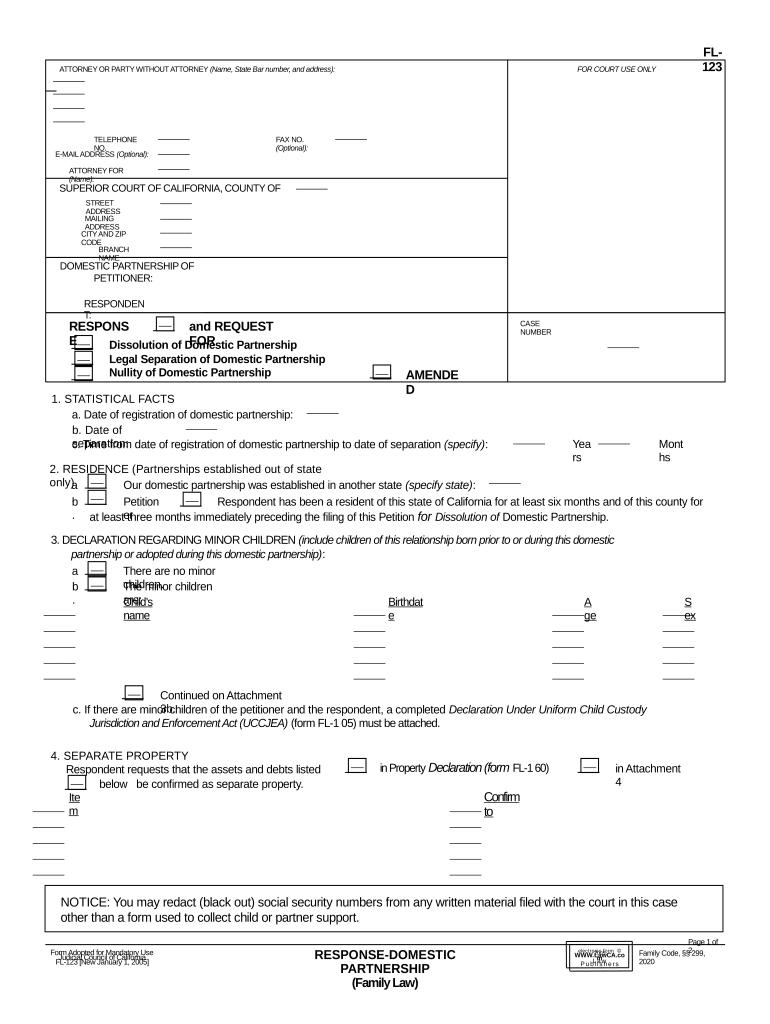
Upon receipt and processing, the California Secretary of State will mail back a Certificate of Registration of Domestic Partnership, officially recognizing your legal status. This certificate is a crucial document for proving your partnership, particularly when seeking benefits or asserting rights. While the process itself is administrative, the successful registration marks a pivotal moment in a couple’s shared lifestyle, establishing a legal foundation for their future together.
Local Registration Options
It’s important to note that while the state of California offers domestic partnerships through the California Secretary of State, some cities or counties may offer their own local domestic partnership registries. These local registries typically provide specific benefits at the municipal level, often for city or county employees, and do not necessarily confer the same statewide rights and responsibilities as a state-registered domestic partnership. Couples should be clear about their goals and choose the registration method that best aligns with their desired lifestyle benefits and legal protections. For comprehensive state-level recognition, the California Secretary of State is the appropriate avenue.
Rights and Responsibilities: The Lifestyle Implications
Registering a domestic partnership in California brings with it a comprehensive set of rights and responsibilities, largely mirroring those of married couples under state law. This legal parity is a cornerstone of the domestic partnership framework, profoundly impacting a couple’s shared lifestyle and future planning. Understanding these implications is crucial for fully leveraging the benefits of this formal commitment.
Key Rights and Protections
Upon registration, domestic partners in California gain numerous rights, affecting various aspects of their daily lives and long-term security:
- Community Property: Similar to married couples, assets acquired during the domestic partnership are generally considered community property, meaning they are owned equally by both partners. This impacts financial planning, investments, and property ownership.
- Health Care Decisions: Partners have the right to make medical decisions for each other in emergencies or if one partner is incapacitated, a critical aspect of personal and healthcare planning.
- Hospital Visitation: Domestic partners are granted hospital visitation rights, ensuring they can be present for and support each other during medical crises.
- Inheritance Rights: In the absence of a will, domestic partners have intestate succession rights, meaning they can inherit from each other’s estates. This provides a vital safety net for surviving partners.
- Spousal Support (Alimony): If a domestic partnership is terminated, one partner may be ordered to pay support to the other, depending on various factors, similar to divorce proceedings.
- Child Custody and Support: For partners who have children together or adopt, the rights and responsibilities concerning child custody, visitation, and support are largely identical to those of married parents.
- Tax Implications (State vs. Federal): While California law treats domestic partners similarly to spouses for state tax purposes, federal tax law does not recognize domestic partnerships in the same way. This distinction requires careful consideration and professional tax advice, as it can significantly impact a couple’s financial lifestyle.
Shared Responsibilities
Along with rights come responsibilities. Domestic partners owe each other duties of mutual respect, fidelity, and support. They are jointly responsible for debts incurred during the partnership for the benefit of the community. Understanding these reciprocal obligations is fundamental to maintaining a harmonious and legally sound shared lifestyle. The California Family Code outlines many of these provisions, providing a legal framework for the partnership’s operation. This comprehensive legal framework ensures that a domestic partnership is a serious commitment with far-reaching implications, providing both security and obligation within the context of a shared life.
Terminating a Domestic Partnership: When Lifestyle Paths Diverge
Just as with marriage, domestic partnerships can be dissolved. The process for terminating a domestic partnership in California closely mirrors that of divorce, ensuring a fair and equitable division of assets and responsibilities when a couple’s lifestyle paths diverge. Understanding these procedures is vital for anyone considering a domestic partnership, as it outlines the legal framework for separation.
Dissolution Process
The method of termination depends largely on the complexity of the partnership’s assets, debts, and whether there are minor children involved.
- Summary Dissolution: This expedited process is available for domestic partnerships that meet specific criteria, similar to summary dissolution for marriages. Generally, it requires that the partnership lasted five years or less, there are no children, minimal community property and debt, and neither partner owns real estate. It’s a simpler, less costly way to end the partnership, suitable for couples who have relatively straightforward financial situations and agree on all terms of separation.
- Standard Dissolution: If the partnership does not qualify for summary dissolution, a standard dissolution process, akin to a traditional divorce, must be followed. This involves filing a petition with the Superior Court and navigating issues such as community property division, spousal support, and child custody and support (if applicable). This process can be more complex and may involve legal representation, particularly in large metropolitan areas like Los Angeles, San Francisco, San Diego, San Jose, or Orange County. The court system, including various Alameda County courts, will oversee the fair distribution of assets and obligations.

Notice of Termination
An important note regarding termination is for those who are registered domestic partners with the California Department of Public Health for purposes of employer-provided benefits or other specific non-state registrations. These may require a separate “Notice of Termination of Domestic Partnership” form to be filed with the relevant entity, in addition to or instead of a court-ordered dissolution, depending on the nature of the registration. It’s crucial to consult with an attorney or the specific registering body to ensure all necessary steps are taken for a complete and legally sound termination.
The decision to enter a domestic partnership is a significant lifestyle choice in California, offering comprehensive legal recognition and benefits. Understanding both the process of obtaining it and the implications of its termination ensures that couples can make informed decisions that best suit their shared life journey and future aspirations.
LifeOutOfTheBox is a participant in the Amazon Services LLC Associates Program, an affiliate advertising program designed to provide a means for sites to earn advertising fees by advertising and linking to Amazon.com. Amazon, the Amazon logo, AmazonSupply, and the AmazonSupply logo are trademarks of Amazon.com, Inc. or its affiliates. As an Amazon Associate we earn affiliate commissions from qualifying purchases.