
The California Poppy (Eschscholzia californica) is more than just a beautiful flower; it is a vibrant natural landmark and the official state flower of California. Its vast, sun-drenched fields are a breathtaking spectacle, drawing visitors from across the globe to witness the Golden State‘s annual wildflower superblooms. For those eager to contribute to this natural heritage or simply bring a piece of California’s iconic landscape to their own space, understanding how to plant California Poppy seeds is an engaging and rewarding endeavor. This guide delves into the significance of the poppy as a natural attraction and provides practical steps for its cultivation, ensuring its continued prominence as a landmark of natural beauty.
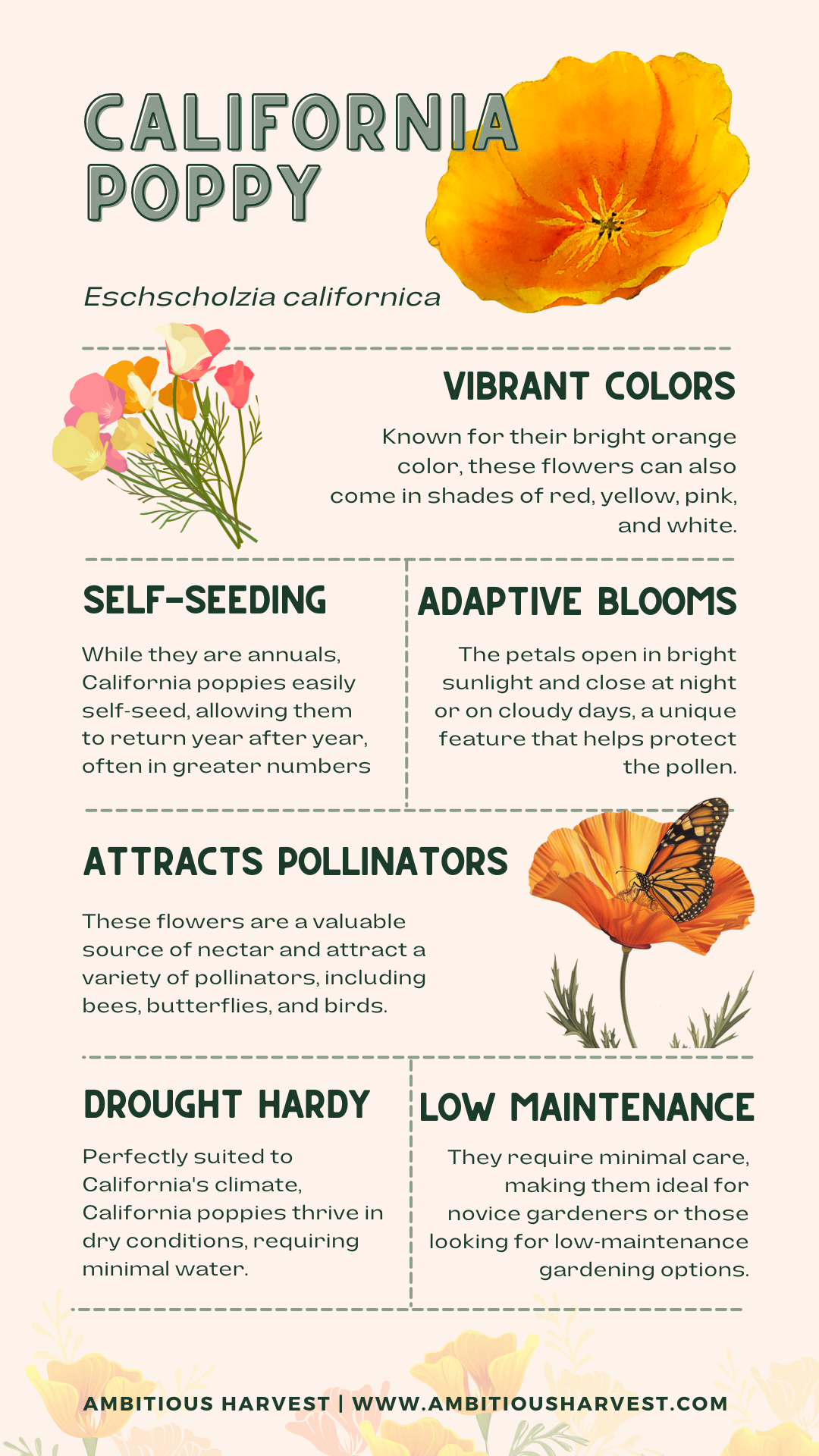
The California Poppy: A Natural Landmark and Cultural Icon
The sight of rolling hills ablaze with the fiery orange and gold hues of the California Poppy is an unforgettable experience, firmly cementing its status as one of California’s most cherished natural landmarks. Beyond its visual appeal, the poppy holds deep cultural and ecological significance, embodying the spirit of the region.
Symbolism and Significance in the Golden State
Designated the state flower in 1903, the California Poppy represents much of what defines California: resilience, natural beauty, and a pioneering spirit. Its ability to thrive in the state’s diverse climates, from coastal areas to arid inland regions, speaks to its adaptability. Historically, the flower held medicinal and culinary value for Native Americans, who used its petals for food and its sap as a mild analgesic. Today, it remains a powerful symbol, gracing everything from state parks to local art, and inspiring countless photographers and nature enthusiasts. For visitors, encountering a field of poppies is not just seeing a flower; it’s experiencing a piece of California’s identity.
Experiencing California’s Wildflower Superblooms
Each spring, especially after a winter with sufficient rainfall, California transforms into a canvas of vibrant wildflowers, with the California Poppy often taking center stage in what is known as a “superbloom.” These spectacular natural events attract thousands of tourists seeking to witness the awe-inspiring sight. Locations like the Antelope Valley California Poppy Reserve in Lancaster, the Carrizo Plain National Monument in San Luis Obispo County, and the hills around Lake Elsinore become prime destinations. These superblooms highlight the dynamic and ephemeral beauty of natural landmarks, reminding us of the importance of conservation and responsible tourism to preserve such wonders. Planting poppy seeds can be a small, personal way to contribute to this grand natural spectacle.
Why Plant California Poppy Seeds? Contributing to Natural Beauty
Engaging in the cultivation of California Poppy seeds offers more than just a garden display; it’s an act of participation in the maintenance and celebration of a cherished natural landmark. This simple act connects individuals to the larger ecological narrative of California and enhances landscapes for both local enjoyment and tourism.
Enhancing Local Landscapes for Tourism
Imagine a small bed of vibrant poppies welcoming guests to a boutique hotel, or a roadside patch bursting with color on the way to a major attraction. Planting California Poppy seeds in appropriate locations, whether in private gardens, public spaces (with permission), or even designated rewilding areas, significantly enhances the aesthetic appeal of a locale. This contributes to the overall visitor experience, creating picturesque backdrops for photography and fostering a deeper appreciation for the region’s natural charm. Local businesses, community groups, and even individual homeowners can play a role in weaving the golden thread of the poppy throughout their communities, making them more inviting and visually stunning for tourists.
Eco-Tourism and Conservation Efforts
Cultivating native plants like the California Poppy is a direct contribution to eco-tourism and conservation. These flowers are drought-tolerant, require minimal care once established, and support local pollinator populations, including bees and butterflies. By planting poppies, you’re not only adding beauty but also bolstering biodiversity and promoting sustainable landscape practices. For visitors interested in eco-conscious travel, learning about and participating in such activities offers a tangible way to connect with the environment and support local ecosystems. It highlights a commitment to preserving the natural landmarks that make California unique, ensuring future generations can also marvel at its golden hillsides.
A Traveler’s Guide to Planting California Poppy Seeds
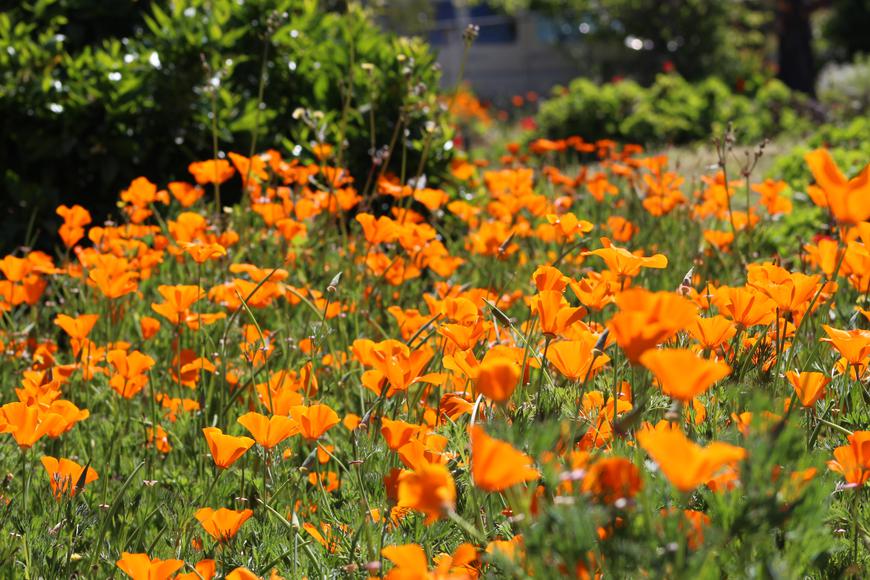
While the ideal scale for experiencing California Poppies is often vast fields, the process of planting them is surprisingly simple, making it an accessible activity for anyone wishing to engage with California’s natural beauty on a personal level. Here’s how you can do it, whether you’re a local or a visitor inspired to take a piece of the Golden State home.
Sourcing Seeds Responsibly
The first step is to acquire high-quality California Poppy seeds. It is crucial to purchase them from reputable nurseries or seed suppliers. This ensures you are getting true Eschscholzia californica and not a hybrid or an invasive species. Never collect seeds from wild poppy fields in protected areas like the Antelope Valley California Poppy Reserve, as this practice is illegal and harmful to the natural ecosystem. Supporting ethical seed providers also helps fund conservation efforts and local botanical research.
Ideal Planting Locations
California Poppies thrive in full sun and well-draining soil.
- For Home Gardens: Choose a spot that receives at least six hours of direct sunlight daily. Poppies are excellent for rock gardens, borders, or naturalized areas where they can spread freely. They are particularly striking when planted en masse.
- For Public Spaces (with permission): If you’re inspired to contribute to public beautification, ensure you have explicit permission from local authorities or park management before planting in community gardens, park strips, or other public lands. This respects local regulations and ensures your efforts contribute positively to the area’s natural landmarks.
- In Pots/Containers: If garden space is limited, poppies can also flourish in pots, provided the containers are wide enough to allow some root spread and have excellent drainage. This is a great option for those living in apartments or wanting to enjoy the blooms on a patio.
The Simple Steps to a Golden Display
The beauty of the California Poppy lies in its hardiness and ease of growth.
- Timing is Key: The best time to plant California Poppy seeds is in the fall (September to November) in most of California. This allows the seeds to naturally stratify over winter and germinate with the spring rains, mimicking their natural cycle. In colder climates outside California, early spring (March to May), after the last frost, is preferable.
- Prepare the Soil: Poppies prefer lean, well-draining soil. Avoid overly rich soil, which can lead to more foliage and fewer flowers. Lightly loosen the top inch or two of soil.
- Scatter the Seeds: California Poppy seeds are tiny, so mix them with a small amount of sand to help with even distribution. Broadcast them directly onto the prepared soil surface.
- Lightly Cover (or not): Do not bury the seeds deeply, as they need light to germinate. You can lightly rake the soil over them, or simply press them gently into the surface. Some gardeners opt not to cover them at all.
- Watering: Water the area gently after planting to settle the seeds. Keep the soil consistently moist but not waterlogged until germination occurs. Once established, poppies are quite drought-tolerant and will only need occasional watering, especially in drier climates.
- Patience: Germination can take anywhere from 10 days to a few weeks. The first blooms typically appear in spring, treating you to a stunning display that rivals the natural fields of California. Deadheading spent flowers can encourage more blooms, though allowing some to go to seed will ensure a natural re-seeding for next year.
Best Times to Visit and Witness Poppy Fields
For those who prefer to admire the magnificent California Poppy in its full glory across vast landscapes, timing your visit to California is paramount. These natural landmarks are seasonal, and catching them at their peak requires a bit of planning.
Peak Bloom Seasons and Recommended Sites
The prime season for witnessing California Poppy superblooms is typically from late February through May, with the peak often occurring in mid-March to April. However, this can vary significantly year by year, depending on winter rainfall and temperatures. It’s always advisable to check wildflower reports from state parks or local tourism boards before planning your trip.
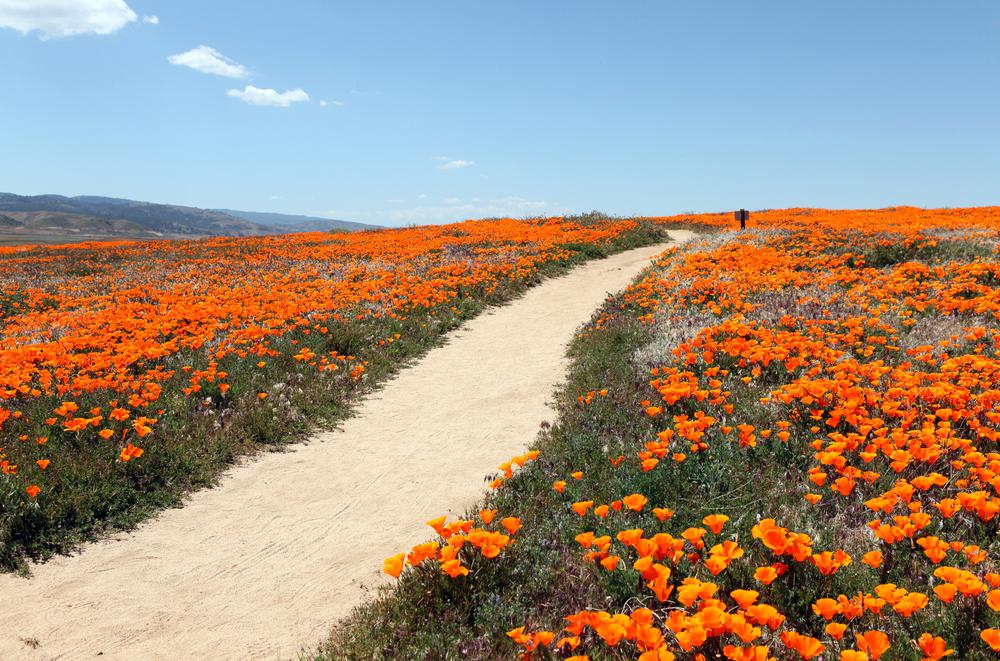
- Antelope Valley California Poppy Reserve: Located north of Los Angeles, this is arguably the most famous and protected area for viewing poppies. It offers eight miles of trails, allowing visitors to immerse themselves in the golden landscape without disturbing the flowers.
- Carrizo Plain National Monument: Further south in the central valley, this expansive monument offers a wilder, more remote experience. Its vast vistas can erupt in a kaleidoscope of colors, including poppies, often following heavy rains.
- Lake Elsinore: In recent years, the hills surrounding Lake Elsinore have become a viral sensation during superblooms. While stunning, be prepared for crowds and always adhere to local regulations and respect the natural environment.
Photography Tips for Poppy Landscapes
Capturing the essence of a poppy field is a goal for many visitors. For the best results:
- Go Early or Late: The “golden hour” just after sunrise or before sunset provides soft, warm light that makes the poppies glow. The flowers also tend to open fully when the sun is out and close partially on cloudy days or evenings.
- Respect the Flowers: Always stay on marked trails. Do not walk into the poppy fields or pick the flowers. Not only is it illegal in protected areas, but it damages the plants and prevents them from reseeding, impacting future blooms.
- Use a Wide-Angle Lens: To capture the expansive nature of the fields, a wide-angle lens is ideal. For close-ups, a macro lens can highlight the delicate details of individual blooms.
- Include a Subject: A person standing on a trail (without trampling flowers) or a distant landmark can add scale and interest to your photos, emphasizing the vastness of the natural spectacle.
Planting California Poppy seeds, whether in your garden or a permitted public space, is a meaningful way to honor and perpetuate the natural beauty that defines California. It’s a direct connection to a vibrant natural landmark, fostering appreciation and supporting the biodiversity that makes the Golden State such a compelling destination for nature lovers.
LifeOutOfTheBox is a participant in the Amazon Services LLC Associates Program, an affiliate advertising program designed to provide a means for sites to earn advertising fees by advertising and linking to Amazon.com. Amazon, the Amazon logo, AmazonSupply, and the AmazonSupply logo are trademarks of Amazon.com, Inc. or its affiliates. As an Amazon Associate we earn affiliate commissions from qualifying purchases.