
Navigating the complexities of vehicle ownership transfer in California is a crucial skill for anyone planning an extended stay, relocating, or even acquiring a new mode of transport for their adventures across the Golden State. Whether you’re purchasing a car from a private seller to explore scenic routes, selling your existing vehicle before moving out of state, or simply ensuring all legalities are covered, understanding the detailed process is paramount. This guide provides an in-depth look at transferring car ownership, ensuring a smooth and compliant transaction under California law.
Understanding the Basics of Vehicle Ownership Transfer in California
The California Department of Motor Vehicles (DMV) oversees all vehicle transactions, including changes in ownership. The primary goal of the transfer process is to legally assign responsibility for a vehicle from the seller to the buyer, which involves updating the official vehicle records to reflect the new owner. This ensures that the correct party is liable for vehicle taxes, fees, and any potential legal issues.
Key Documents Required for Transfer
A successful transfer hinges on the correct and complete submission of specific documents. Both the buyer and seller have roles in preparing these essential papers:
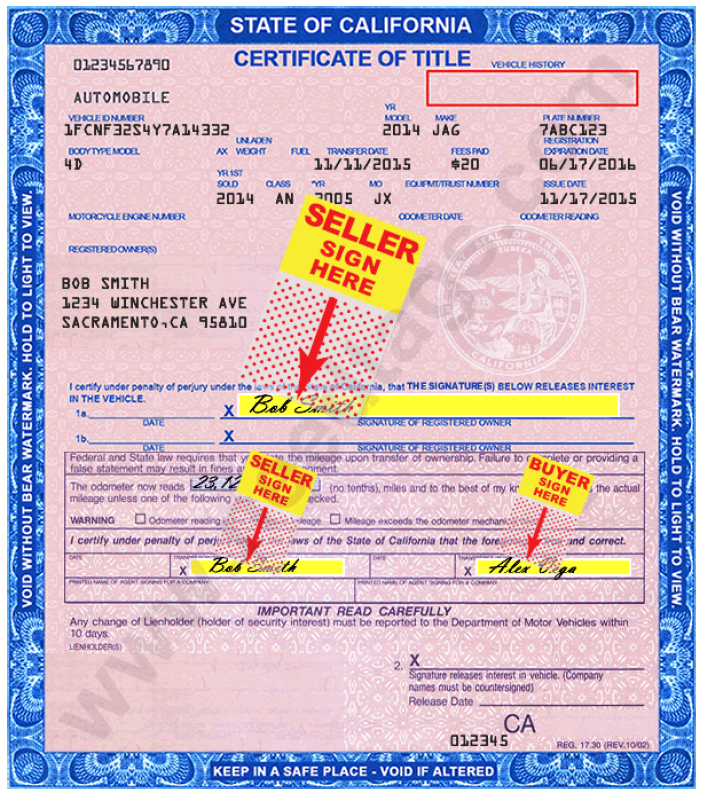
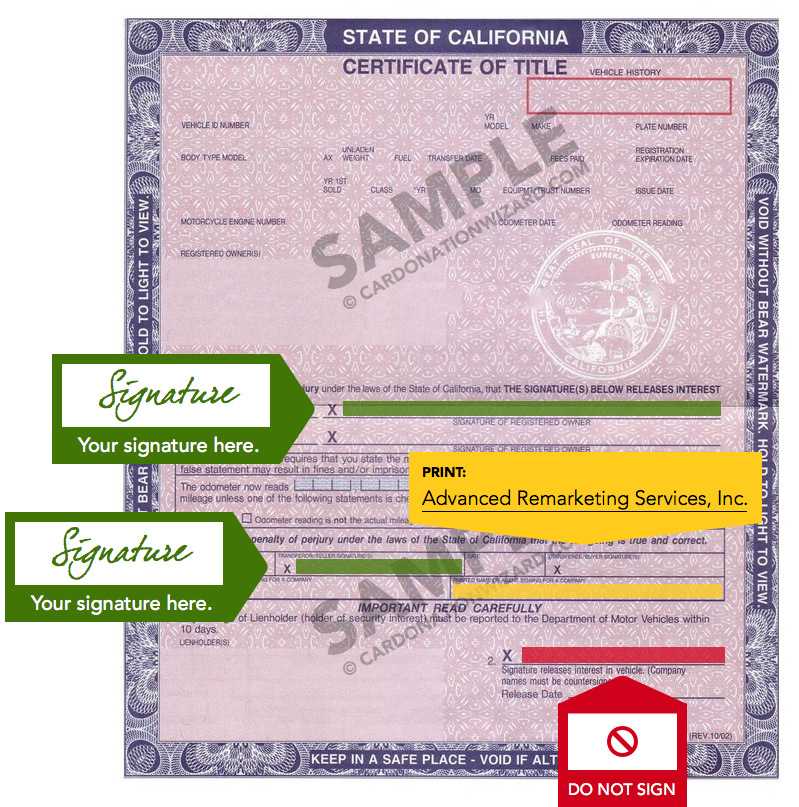
- Certificate of Title (Pink Slip): This is the most critical document. It serves as legal proof of ownership. The seller must sign and date the title, accurately entering the odometer reading (unless exempt).
- Bill of Sale: While not always strictly required by the DMV for every transaction, a Bill of Sale is highly recommended for both parties. It provides a record of the sale date, purchase price, vehicle identification number (VIN), and names/signatures of the buyer and seller. This protects both parties in case of future disputes.
- Smog Certification: Most vehicles require a Smog Check inspection before they can be sold and registered. The seller is typically responsible for providing a valid smog certificate to the buyer. Certain vehicles, like electric vehicles, motorcycles, or those manufactured before a certain year, may be exempt.
- Odometer Disclosure: Federal and state laws require the seller to disclose the vehicle’s odometer reading at the time of sale on the Certificate of Title or a separate odometer disclosure statement.
- Statement of Facts (REG 256): This form is used in various situations, such as declaring a low-value vehicle to avoid certain fees or explaining discrepancies.
- Application for Duplicate Title (REG 227): If the original Certificate of Title is lost, stolen, or damaged, the registered owner must apply for a duplicate before the transfer can proceed.
Understanding Different Transfer Scenarios
Vehicle ownership transfers can vary based on several factors:
- Private Party Sale: The most common scenario, involving two individuals.
- Gift Transfers: When a vehicle is given as a gift, sales tax may be exempt, but a Statement of Facts (REG 256) is typically required to declare the vehicle as a gift.
- Inherited Vehicles: Special procedures apply when a vehicle is transferred due to the death of the owner, often involving probate or an Affidavit for Transfer Without Probate (REG 5).
- Vehicles with Liens: If a lienholder (e.g., a bank) has an interest in the vehicle, the lien must be satisfied and released before ownership can be fully transferred.
- Out-of-State Vehicles: Registering an out-of-state vehicle in California involves additional steps, including verification of the VIN and an emissions inspection that meets California standards.
The Step-by-Step Process for Sellers
As a seller, your primary responsibility is to ensure the vehicle is ready for sale and all necessary documentation is completed accurately to protect yourself from future liability.
Preparing Your Vehicle and Documentation
- Obtain a Valid Smog Certificate: Unless your vehicle is exempt, you must provide the buyer with a valid Smog Check certificate. The inspection must have been performed within 90 days of the sale date. Failing to do so can delay the transfer and potentially make you liable for issues post-sale.
- Locate the Certificate of Title: Ensure you have the original California Certificate of Title. If it’s lost, apply for an Application for Duplicate Title (REG 227) immediately.
- Complete the Certificate of Title: On the title, sign and print your name as the seller. Enter the exact odometer reading (in miles, not kilometers), and include the sale date and sale price. Ensure the buyer’s name and address are accurately filled in. Any alterations can invalidate the title.
- Complete a Bill of Sale: Although not always required by the DMV, a Bill of Sale is vital. Include the vehicle’s VIN, make, model, year, sale price, date of sale, and signatures of both buyer and seller. Each party should retain a copy.
- Remove License Plates (if desired): While not legally required, you may remove your license plates if you plan to transfer them to another vehicle. If you leave them on, the buyer is responsible for them.
Notifying the DMV and Releasing Liability
- Submit a Notice of Transfer and Release of Liability (NRL): This is a critical step for sellers. Within five calendar days of selling or transferring your vehicle, you must submit a Notice of Transfer and Release of Liability (REG 138) to the DMV. This form notifies the state that you are no longer the owner and helps protect you from liability for parking violations, traffic tickets, or civil judgments incurred by the new owner after the sale date. This can be done online via the DMV website.
- Keep Records: Retain copies of the completed Certificate of Title, Bill of Sale, and the confirmation of your Notice of Transfer and Release of Liability submission.
The Step-by-Step Process for Buyers
As a buyer, your focus is on verifying the vehicle’s legitimacy, ensuring all seller documentation is correct, and promptly registering the vehicle in your name.
Verifying the Vehicle and Seller Information
- Inspect the Vehicle Thoroughly: Before purchasing, have a trusted mechanic inspect the vehicle. Verify the VIN on the vehicle matches the VIN on the Certificate of Title and the Smog Check certificate.
- Verify Seller Identity: Ensure the seller’s name on the Certificate of Title matches their government-issued ID. If the seller is not the registered owner (e.g., selling on behalf of a deceased owner), confirm they have the legal authority to sell the vehicle.
- Confirm Smog Certificate: The seller must provide a valid Smog Check certificate (if required) issued within 90 days of the sale. Do not accept a vehicle that requires a smog inspection without a current certificate, as you will be responsible for obtaining one.
- Review the Certificate of Title: Ensure the title is signed by the seller and includes the odometer reading and sale date. If there is a lienholder listed, ensure the lien has been officially released.
- Get a Bill of Sale: Insist on a Bill of Sale even if the seller claims it’s not needed. This document protects you by detailing the terms of the sale.
Completing the Transfer with the DMV
- Gather Required Documents: Collect the signed Certificate of Title, the valid Smog Check certificate, and your copy of the Bill of Sale.
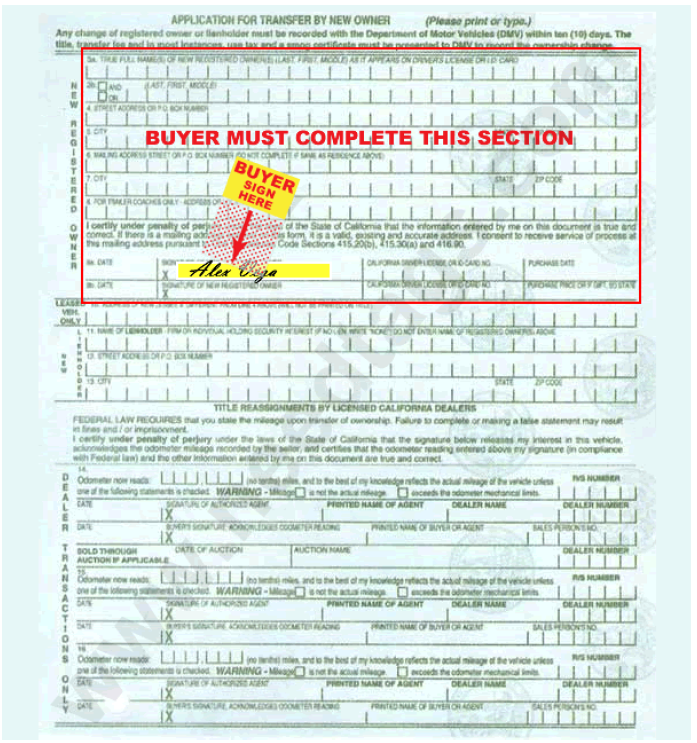
- Complete the Transfer Application: Fill out the appropriate sections on the title for the new owner information. You may also need to complete an Application for Title or Registration (REG 343).
- Visit the DMV or Use an Authorized Service: You have 10 calendar days from the date of sale to complete the transfer of ownership with the DMV. Failure to do so can result in penalties. You can visit a DMV office, use a licensed vehicle registration service, or in some cases, complete parts of the process online.
- Pay Fees and Taxes: Be prepared to pay transfer fees, license plate fees (if new plates are issued), and California sales tax based on the purchase price. Sales tax is collected even for private party sales.
- Obtain New Registration Card and Stickers: Once the transfer is complete, the DMV will issue you a new registration card and new license plate stickers, which you must affix to your plates. The new Certificate of Title will be mailed to you within a few weeks.
Important Considerations and Potential Pitfalls
While the general steps are straightforward, several nuances and specific situations require extra attention to avoid delays or legal complications.
Smog Certification Requirements
As mentioned, the seller is typically responsible for providing a valid Smog Check certificate. However, there are exceptions. If a vehicle is 4 model years old or newer, a smog certification is not required for transfers. Also, diesel-powered vehicles manufactured in 1997 or older, or with a Gross Vehicle Weight Rating of over 14,000 lbs, are exempt. Always check the current DMV guidelines for specific exemptions, as these can change.
Sales Tax and Fees
California sales tax applies to most vehicle purchases, whether from a dealership or a private party. The tax rate is based on the buyer’s county of residence (e.g., residents of Los Angeles County pay the Los Angeles sales tax rate). This tax is paid to the DMV at the time of transfer. In addition to sales tax, you will pay a transfer fee, registration fees, and potentially other fees like a California Highway Patrol fee or transportation improvement fee. Be prepared for these costs.
Out-of-State Transfers and Special Cases
If you’re bringing a vehicle into California from another state, you will need to complete additional steps beyond a standard transfer. This includes a VIN verification by the DMV or a licensed verifier and ensuring the vehicle meets California’s stringent emissions standards. Some vehicles not originally manufactured for sale in California may not be registrable without costly modifications. For special cases like vehicles inherited from a deceased owner, consult the DMV website or visit an office in cities like Sacramento or San Francisco for specific forms and procedures.
Dealing with Liens and Deceased Owners
If the vehicle has a lien, the seller must obtain a lien release from the lienholder. This usually involves paying off the loan in full. The lienholder will then send the release directly to the DMV or provide it to the seller. For vehicles owned by a deceased person, the transfer process depends on whether the estate is going through probate, the value of the estate, and if there’s a surviving spouse or heir. Proper legal documentation is essential.
Ensuring a Smooth and Lawful Transaction
Successfully transferring car ownership in California demands attention to detail and adherence to DMV regulations. By meticulously preparing all required documents, understanding your responsibilities as a buyer or seller, and acting promptly on deadlines, you can ensure a smooth, lawful, and hassle-free transaction. This foundational knowledge is not just bureaucratic; it’s an essential guide for anyone integrating into the dynamic lifestyle of California, providing the freedom and peace of mind to explore its vast landscapes and vibrant cities with your newly acquired, or newly sold, vehicle.
LifeOutOfTheBox is a participant in the Amazon Services LLC Associates Program, an affiliate advertising program designed to provide a means for sites to earn advertising fees by advertising and linking to Amazon.com. Amazon, the Amazon logo, AmazonSupply, and the AmazonSupply logo are trademarks of Amazon.com, Inc. or its affiliates. As an Amazon Associate we earn affiliate commissions from qualifying purchases.