
The question of BetMGM‘s legality in California is a complex one, deeply intertwined with the state’s unique gaming landscape and its implications for the hospitality sector. For hotel and resort operators, the availability of regulated online sports betting and casino gaming represents a significant potential revenue stream and a way to enhance guest experiences. However, the current legal framework in the Golden State places strict limitations on such operations, shaping the amenities and entertainment options available to visitors and impacting future development within the state’s extensive hotel and resort industry.
The Current Gaming and Hospitality Landscape in California
California stands as a titan in the U.S. economy and a prime destination for tourism, yet its approach to gambling differs significantly from states like Nevada or New Jersey. This divergence directly influences the offerings of its hotels and resorts, particularly regarding integrated gaming experiences.
Tribal Gaming’s Dominance
At the heart of California’s gaming industry are the sovereign tribal nations, which operate numerous casinos across the state. These establishments, such as Pechanga Resort Casino in Temecula, Cache Creek Casino Resort near Sacramento, and Morongo Casino Resort & Spa in Cabazon, are often sprawling resorts that combine gaming floors with luxury hotels, spas, golf courses, and diverse dining options. They represent a significant portion of the state’s hospitality infrastructure, offering a complete entertainment package that draws millions of visitors annually.
These tribal casinos are permitted to offer slot machines, house-banked card games like blackjack, and various poker games under the Indian Gaming Regulatory Act (IGRA) and subsequent compacts with the state. The success of these tribal enterprises has created a robust economic engine for many communities, allowing for substantial investment in resort amenities that rival those found in major gaming hubs. For guests, these resorts provide a full spectrum of hospitality services alongside regulated, in-person casino gaming.
The Absence of Commercial Casinos and Online Gaming
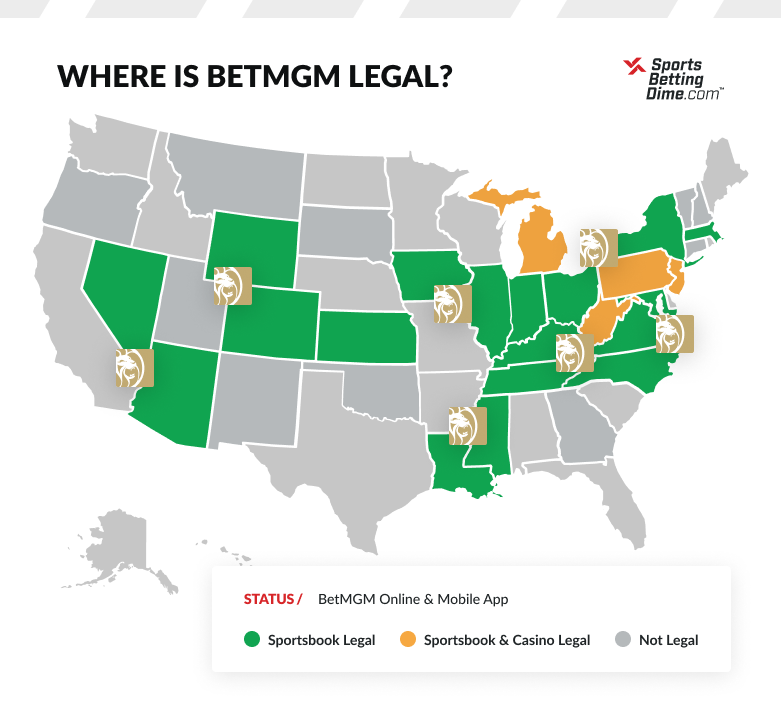
Unlike states such as Nevada or Atlantic City in New Jersey, California does not permit commercial casinos operated by private entities. This means that a company like MGM Resorts International, the parent company behind BetMGM, cannot simply open a traditional casino resort outside of a tribal compact. More critically for the modern hospitality landscape, online sports betting and online casino gaming remain illegal statewide. This prohibition extends to operators like BetMGM, DraftKings, FanDuel, and WynnBet, preventing them from offering their digital platforms to residents or visitors within California state lines.
This legal constraint means that hotels and resorts in major tourist destinations like Los Angeles, San Diego, or Palm Springs cannot integrate online sportsbooks or casino apps as part of their amenity offerings, a feature that has become increasingly popular in states where it is legal. The inability to offer such convenient, on-property digital gaming options represents a competitive disadvantage compared to destinations where hotels can monetize this aspect of guest entertainment.
Understanding BetMGM and Its Offerings
BetMGM is a prominent player in the online sports betting and iGaming industry, a joint venture between MGM Resorts International and Entain Holdings. Its operations are primarily focused on providing digital platforms for sports wagering, online casino games, and online poker.
What is BetMGM?
BetMGM operates as both an online and often a land-based brand, particularly in conjunction with MGM Resorts International’ physical properties. The brand is synonymous with a seamless integration of digital gaming with resort experiences. Guests staying at an MGM property in states where BetMGM is legal can often place bets or play casino games directly from their mobile devices while on the premises, enhancing their overall stay and connecting their loyalty programs. This model allows hotels to capture additional entertainment spending from their guests without requiring them to physically visit a casino floor, offering convenience and a modern amenity.
How It Operates in Other States
In states like Nevada, New Jersey, and others where online gaming is regulated, BetMGM functions as a legal, accessible platform. For example, a visitor to Las Vegas can download the BetMGM app and place a sports bet or play an online slot game while relaxing by the pool at the MGM Grand. This integration provides value to the hotel by extending entertainment options beyond the physical casino and generating incremental revenue. It’s a compelling addition to a hotel’s amenity portfolio, differentiating it in competitive markets and catering to the modern traveler who expects digital convenience.
The Legal Status of Online Sports Betting and Casino Gaming in California

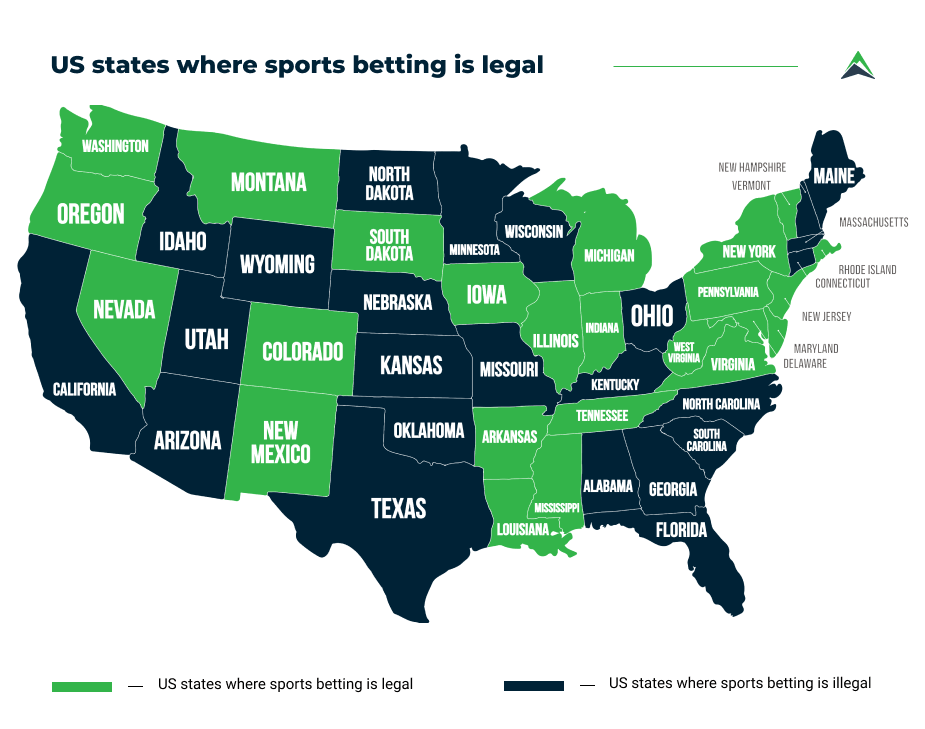
Currently, online sports betting and online casino gaming are explicitly illegal in California. This means that platforms like BetMGM cannot legally offer their services to anyone located within the state’s borders.
Legislative Hurdles and Voter Initiatives
The legality of online gaming in California has been the subject of intense debate and several failed legislative attempts. In 2022, two competing propositions appeared on the statewide ballot, each aiming to legalize sports betting but with different approaches. Proposition 26 would have legalized in-person sports betting at tribal casinos and racetracks, essentially expanding the existing tribal gaming framework. Proposition 27, backed by national online sports betting operators including BetMGM, DraftKings, and FanDuel, sought to legalize online sports betting statewide, with a portion of the revenue designated for homelessness programs and non-participating tribes.
Both propositions were overwhelmingly rejected by California voters. This outcome underscored the strong opposition from various stakeholders, including tribal nations protective of their gaming exclusivity, and highlighted the public’s reluctance to embrace such a significant expansion of gambling at that time. For hotels and resorts, the failure of these initiatives means that the opportunity to integrate online sportsbooks into their operations remains elusive, hindering a potential new amenity and revenue stream that could attract and retain guests.
The Role of California Tribal Nations
California’s tribal nations are powerful stakeholders in the state’s gaming future. Their long-standing compacts with the state grant them exclusivity over certain forms of casino gaming. They largely view the expansion of online sports betting and iGaming, particularly by commercial operators, as a direct threat to their established land-based operations and sovereign rights. This protectionist stance has been a significant barrier to the legalization of online gaming, as any meaningful legislative change requires their support or at least their acquiescence. The tribal casinos, often integrated with high-end hotels and resorts, want to maintain their competitive edge and ensure that any new gaming opportunities benefit their enterprises directly, rather than siphoning revenue to external commercial entities. For hotel chains eyeing expansion or amenity upgrades in California, understanding and navigating these tribal relationships is paramount.
Implications for California Hotels and Resorts
The absence of legal online sports betting and casino gaming, and by extension, BetMGM’s inability to operate, carries significant implications for the hospitality industry throughout California.
Missed Opportunities for Integrated Resort Development
In jurisdictions where online gaming is legal, integrated resorts often offer a seamless experience where guests can enjoy traditional casino floors while also utilizing mobile betting apps from anywhere on the property. This enhances guest engagement and provides additional revenue streams. Without legal online gaming, California hotels and resorts miss out on the opportunity to develop these modern, integrated entertainment complexes outside of the existing tribal model. Major hotel brands that might consider developing resorts with a significant gaming component are likely to pass over California in favor of more gaming-friendly states like Nevada or even emerging markets. This directly impacts job creation, tourism diversity, and state tax revenues that could otherwise flow from a thriving, expanded hospitality sector.
Enhancing Guest Experiences and Amenities
The ability to offer online sports betting or casino games as a hotel amenity is a powerful draw for many travelers. Imagine a guest at a beachfront resort in San Diego being able to place a bet on a sporting event from their poolside cabana, or a visitor to a Los Angeles luxury hotel playing a few rounds of online blackjack from their suite. These are conveniences that modern, tech-savvy travelers appreciate and often seek out. In states where BetMGM is legal, hotels often promote their integrated gaming options as a unique selling point, attracting a demographic interested in both leisure and entertainment. California hotels are currently unable to leverage this competitive advantage, potentially losing out on guests who prioritize such offerings and choose destinations where they are available.
Economic Impact on the Hospitality Sector
Legalizing and regulating online gaming could unlock substantial economic benefits for California’s hospitality sector. New tax revenues, increased tourism, and job creation across various roles (technology, marketing, customer service, and physical infrastructure support for resort partnerships) would be considerable. Hotels could see increased bookings, longer stays, and higher ancillary spending from guests engaging with legal online platforms. Furthermore, partnerships between online operators like BetMGM and existing hotel properties could provide new revenue streams through branding, marketing, and shared customer loyalty programs. The current prohibition means that these potential economic multipliers, which could significantly boost the state’s diverse hotel and resort economy, remain untapped.
The Future Outlook for Regulated Online Gaming in the Golden State
While the immediate future for BetMGM and similar online gaming platforms in California remains constrained, the conversation is far from over.
Potential Legislative Pathways
The drive to legalize online sports betting, and potentially online casino gaming, is likely to resurface in future legislative sessions or ballot initiatives. Proponents, including commercial operators and a segment of the public, see the immense economic potential, particularly given the large black market for offshore gambling that currently exists. Any future successful push will likely require significant compromise between commercial interests and tribal nations, potentially involving revenue-sharing agreements, exclusive tribal partnerships, or other regulatory structures that protect existing tribal gaming interests while allowing for state-wide online expansion.
What it Could Mean for California’s Hospitality Industry
Should California eventually legalize online gaming, the impact on its hotels and resorts would be transformative. Hotels could integrate BetMGM or similar platforms as a premier amenity, offering guests an unparalleled digital entertainment experience directly from their rooms or anywhere on the property. This would elevate California’s status as a comprehensive leisure destination, attracting a new segment of travelers and enhancing the offerings for existing visitors. It would allow smaller, non-tribal hotels to offer a form of gaming entertainment previously unavailable, diversifying the state’s hospitality landscape beyond its current offerings. The eventual outcome will profoundly shape the competitive landscape and guest experience within California’s vast and varied hotel and resort sector for decades to come.
In conclusion, BetMGM is currently not legal in California for online sports betting or casino gaming. This legal status directly impacts the state’s hotels and resorts by limiting their ability to offer modern gaming amenities, participate in integrated resort development, and capitalize on a significant potential revenue stream that is available to their counterparts in many other states.
LifeOutOfTheBox is a participant in the Amazon Services LLC Associates Program, an affiliate advertising program designed to provide a means for sites to earn advertising fees by advertising and linking to Amazon.com. Amazon, the Amazon logo, AmazonSupply, and the AmazonSupply logo are trademarks of Amazon.com, Inc. or its affiliates. As an Amazon Associate we earn affiliate commissions from qualifying purchases.