
For nurses considering career moves, the question of a state’s participation in the Nurse Licensure Compact (NLC) is pivotal, profoundly influencing professional mobility and lifestyle choices. The NLC simplifies the licensure process, allowing registered nurses (RNs) and licensed practical/vocational nurses (LPN/VNs) to practice in multiple compact states with a single license. This structure significantly impacts travel nursing, telehealth opportunities, and the ease with which nurses can relocate for personal or professional reasons. Understanding California‘s status in this regard is crucial for any nurse eyeing the Golden State.
Understanding the Nurse Licensure Compact (NLC): A Foundation for Mobility
The Nurse Licensure Compact (NLC) is an agreement between states that allows nurses to hold one multistate license with the ability to practice physically, electronically, or telephonically in their home state and all other compact states. The primary goal of the NLC is to remove barriers to practice, streamline the licensure process, and enhance public access to nursing care, especially in underserved areas and during public health emergencies.
Benefits for Nurses and Their Lifestyle
For nurses, the NLC offers unparalleled flexibility. A nurse residing in a compact state can accept assignments in any other compact state without undergoing the often lengthy and complex process of obtaining a new license for each jurisdiction. This ease of mobility is particularly attractive to Travel Nurses, who thrive on diverse experiences across different healthcare systems and geographical locations. The NLC allows them to rapidly transition between contracts, minimizing downtime and maximizing earning potential.
Beyond travel nursing, the NLC facilitates seamless relocation for personal reasons, enabling nurses to follow family, pursue educational opportunities, or simply experience a new environment without career interruption. It also empowers Telehealth Nurses to provide care to patients across state lines within the compact, expanding access to vital healthcare services. This professional freedom directly translates into a more adaptable and less restrictive lifestyle, allowing nurses to tailor their careers to their evolving personal circumstances and aspirations. The ability to work from virtually anywhere within the compact zone fosters a sense of professional liberation, reducing bureaucratic hurdles and allowing nurses to focus on patient care and their personal well-being.
California’s Stance: An Overview of Non-Compact Status
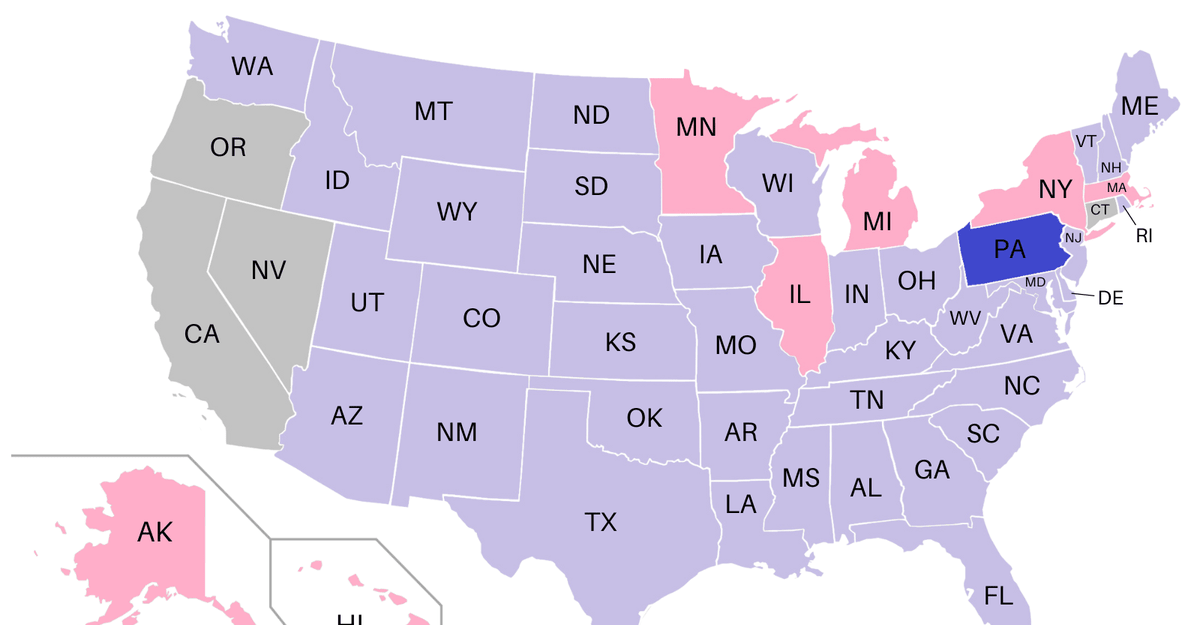
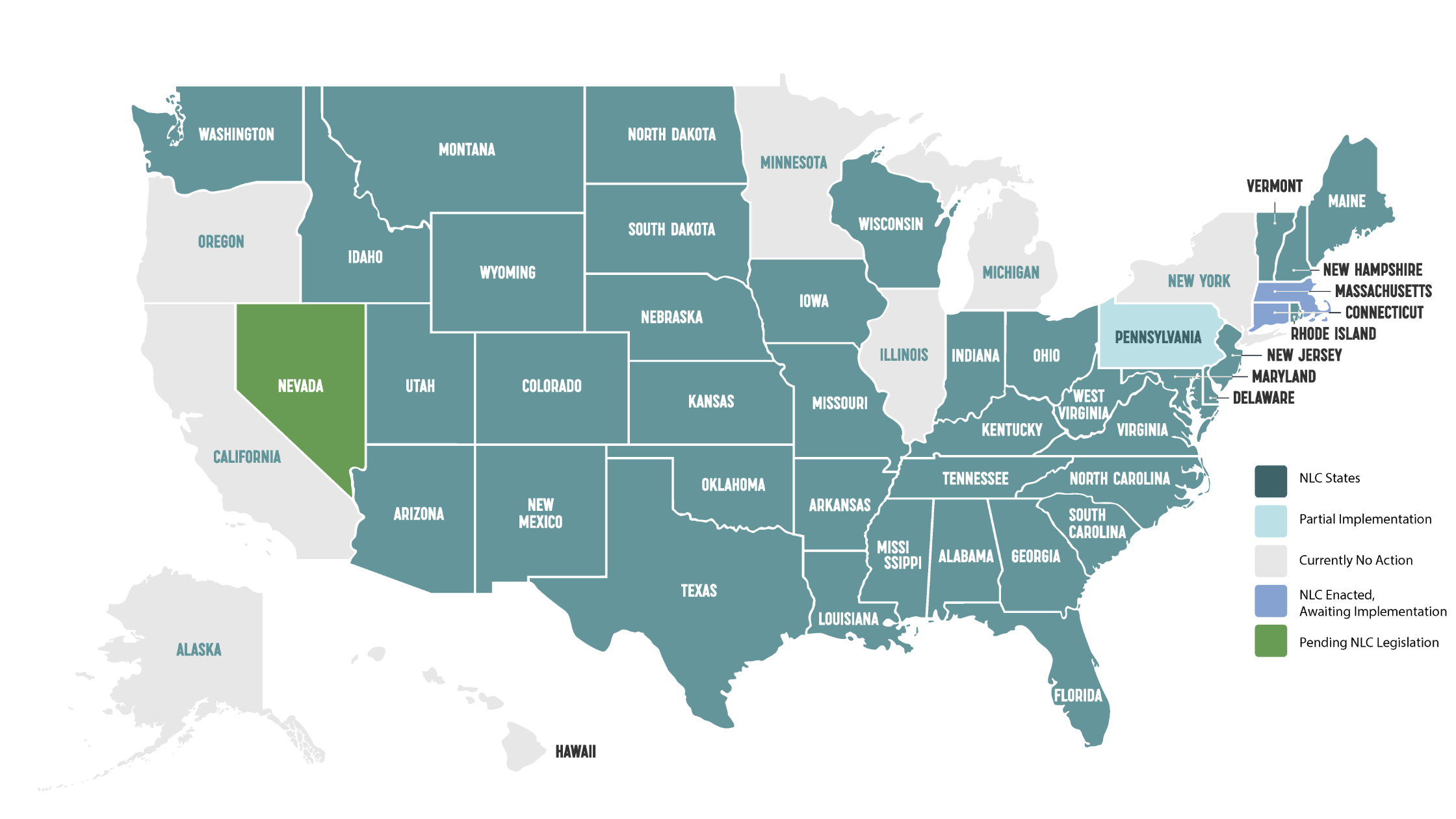
Despite the growing trend among states to adopt the NLC, California remains a non-compact state. This means that a nurse holding a license in a compact state cannot automatically practice in California using their multistate license. Conversely, a nurse licensed in California cannot practice in other compact states without obtaining an additional license from that specific state or residing in a compact state and applying for a multistate license there.
What This Means for Out-of-State Nurses
For nurses licensed outside of California who wish to practice within its borders, the non-compact status necessitates applying for licensure by endorsement through the California Board of Registered Nursing (BRN). This process is distinct from the simplified NLC framework and involves a separate application, often with specific requirements unique to California. This reality mandates careful planning and consideration for any nurse contemplating a move to the state, impacting their career trajectory and personal lifestyle adjustments. It adds an additional layer of administrative effort and time, which must be factored into any plans for business stays or permanent relocation.
The traditional licensure process in California requires candidates to meet the state’s educational standards, pass the NCLEX (National Council Licensure Examination) if they haven’t already, undergo thorough background checks, and submit fingerprints for criminal record clearance. For nurses accustomed to the streamlined NLC process, this can feel like a significant hurdle, requiring patience and meticulous attention to detail.
Navigating Licensure in California as an Out-of-State Nurse
Given California’s non-compact status, nurses from other states must pursue licensure by endorsement. This process is comprehensive and designed to ensure that all nurses practicing in California meet the state’s rigorous standards for patient safety and professional competency.
The Endorsement Process
Applying for licensure by endorsement involves several key steps:
- Application Submission: Nurses must submit a detailed application to the California BRN, along with the required fees. This application typically asks for extensive personal and professional information, including details of prior education and work history.
- Verification of Licensure: The California BRN requires verification of the nurse’s original licensure from their initial state of licensure and any other state where they have held a license. This verification must come directly from the respective state boards of nursing.
- Education Requirements: Nurses must demonstrate that their nursing education meets California’s standards. This may involve submitting official transcripts directly from their nursing programs. While most accredited programs are generally accepted, international graduates or those with less conventional educational pathways might face additional scrutiny or requirements.
- Criminal Background Check and Fingerprinting: A mandatory component of the California licensure process is a criminal background check, which includes live scan fingerprinting. This is a critical step to ensure public safety and is stringently enforced.
- NCLEX Examination: If a nurse has already passed the NCLEX, their results will be verified. If for some reason they have not, passing the NCLEX is a prerequisite for licensure.
Timeframes and Complexities
The timeline for obtaining a California nursing license by endorsement can vary significantly. While some applications might be processed relatively quickly, others can take several weeks or even months, especially if there are discrepancies in documentation, educational requirements, or criminal background checks. Nurses planning a move or a business stay in California should initiate their licensure application well in advance of their intended start date. This prolonged process impacts immediate career opportunities and requires careful financial planning for potential periods without active employment. The complexity demands meticulous attention to detail, as errors or omissions can lead to further delays, affecting a nurse’s lifestyle and financial stability.
The Lifestyle and Career Implications of Non-Compact Status
California’s non-compact status significantly shapes the professional and personal lives of nurses considering the state. While it presents certain challenges, it also highlights the unique value and opportunities within California’s vast healthcare landscape.
For Travel Nurses
For Travel Nurses, the absence of NLC participation means that each assignment in California requires a separate, full licensure application process. This contrasts sharply with compact states, where a single multistate license allows for rapid deployment across numerous jurisdictions. While California is a highly desirable destination for travel assignments due to competitive salaries and diverse clinical experiences, the licensure hurdle requires foresight and patience. Travel Nurses often apply for their California license months in advance, sometimes even before securing a specific contract, to ensure they are ready when opportunities arise. This necessity impacts their flexibility and spontaneous decision-making, which are often hallmarks of the travel nursing lifestyle.
For Permanent Relocation
Nurses looking to permanently relocate to California must factor the licensure process into their moving plans. It is often advisable to secure licensure before making the physical move, reducing the stress and financial strain of being unemployed upon arrival. This means planning the move around the processing times of the California BRN, which can influence housing arrangements, family transitions, and overall lifestyle adjustments. Despite the initial hurdles, many nurses find the long-term career prospects and quality of life in California to be well worth the effort.
For Telehealth Nurses
The proliferation of telehealth services has underscored the importance of compact licensure. For Telehealth Nurses, practicing across state lines is limited by individual state licensure laws. A nurse licensed only in California can only provide telehealth services to patients physically located within California. Conversely, a nurse licensed in a compact state cannot provide telehealth services to a patient in California without obtaining a California license. This significantly impacts the scalability and reach of telehealth practices, particularly for providers aiming for a broader patient base.
Why Nurses Still Choose California
Despite the licensure complexities, California remains a magnet for nursing professionals. The state boasts a high demand for nurses across various specialties, often offering competitive salaries and benefits packages that surpass national averages. Healthcare systems in major cities like Los Angeles, San Francisco, and San Diego are renowned for their cutting-edge medical advancements, diverse patient populations, and opportunities for professional growth. Beyond career prospects, California’s lifestyle attractions are undeniable: from the vibrant culture of its urban centers to the natural beauty of its coastline, mountains, and iconic regions like Napa Valley. Nurses are drawn to the temperate climate, recreational opportunities, and the progressive social environment that defines life in California, making the investment in licensure a worthwhile endeavor for many.
Future Prospects and Advocacy for NLC Adoption in California
The discussion around California’s adoption of the Nurse Licensure Compact is ongoing, reflecting a broader national conversation about healthcare workforce mobility and access to care. Several legislative efforts and advocacy campaigns have been launched to encourage California to join the NLC.
Ongoing Discussions and Legislative Efforts
Proponents argue that joining the NLC would significantly benefit California’s healthcare system by alleviating nurse shortages, particularly in rural and underserved areas. It would streamline the process for nurses from compact states to assist during public health crises and natural disasters, enhancing the state’s responsiveness to emergencies. Furthermore, it could facilitate the growth of telehealth services, expanding access to specialized care across the vast state.
However, concerns have also been raised regarding potential impacts on regulatory oversight, revenue generated from licensure fees, and ensuring that all incoming nurses meet California’s specific practice standards, which are among the highest in the nation. These debates highlight the complex balance between ease of mobility and the state’s commitment to maintaining its stringent professional requirements.

Impact on the Nursing Workforce and Patient Care
Adopting the NLC would undoubtedly transform the nursing landscape in California. It could attract a larger pool of qualified nurses, potentially easing staffing pressures and improving patient-to-nurse ratios. For nurses, it would open up unparalleled opportunities for career flexibility and personal growth, aligning California with the modern professional lifestyle demands of a mobile workforce. The increased fluidity could also lead to more dynamic exchanges of best practices among nurses from diverse professional backgrounds, potentially elevating the overall standard of patient care.
As advocacy groups, professional nursing organizations, and legislative bodies continue to engage in dialogue, the future of California‘s participation in the NLC remains a topic of significant interest. For now, nurses aiming for a career in the Golden State must meticulously navigate its unique licensure pathway, a testament to the state’s commitment to its residents’ health and safety, yet a challenge for those seeking immediate professional mobility.
LifeOutOfTheBox is a participant in the Amazon Services LLC Associates Program, an affiliate advertising program designed to provide a means for sites to earn advertising fees by advertising and linking to Amazon.com. Amazon, the Amazon logo, AmazonSupply, and the AmazonSupply logo are trademarks of Amazon.com, Inc. or its affiliates. As an Amazon Associate we earn affiliate commissions from qualifying purchases.