
For many travelers, fast food isn’t just a quick meal; it’s an economic barometer, offering a tangible snapshot of a region’s cost of living. The humble McDonald’s meal, particularly the iconic Big Mac, has long served as an informal indicator of purchasing power parity around the globe. When comparing two vast and economically diverse states like California and Texas, the prices at a familiar chain like McDonald’s can reveal significant insights into the broader tourism landscape, affecting everything from accommodation costs to local activity pricing.
The Fast-Food Barometer: A Glimpse into Regional Economics
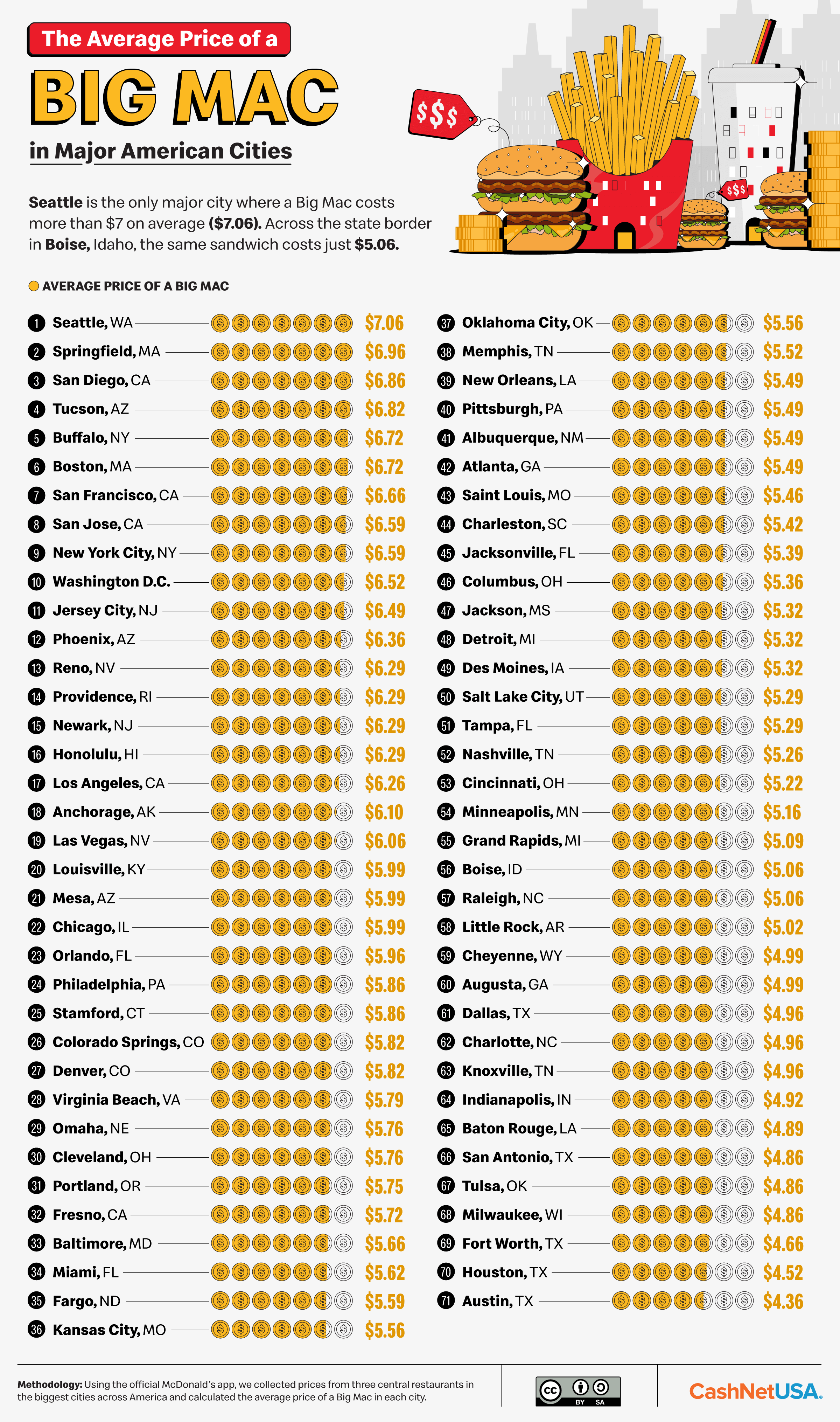
The short answer to whether California McDonald’s is more expensive than Texas McDonald’s is, overwhelmingly, yes. Anecdotal evidence, consumer surveys, and economic data consistently show that fast food, along with many other goods and services, carries a higher price tag in the Golden State compared to the Lone Star State. This isn’t merely a corporate pricing strategy; it’s a reflection of fundamental economic disparities rooted in various factors that directly impact travelers’ budgets and experiences.

Understanding this disparity is crucial for anyone planning a trip or considering an extended stay in either state. While a few extra dollars on a combo meal might seem negligible, it compounds across an entire trip, impacting daily spending on meals, snacks, and even everyday necessities. For tourists, recognizing these underlying economic currents allows for more effective budgeting and a deeper appreciation of the regional economic landscapes they are exploring. It helps clarify why dining out, entertainment, and even souvenirs might feel significantly different on the wallet when moving from, say, Los Angeles to Houston, or from San Francisco to Dallas.
Unpacking the Price Disparity: Factors at Play
Several key economic factors contribute to the observed price differences at McDonald’s and other consumer goods between California and Texas. These elements combine to create a higher cost of doing business, which is then passed on to the consumer.
Labor Costs and Minimum Wage
One of the most significant drivers of higher fast-food prices in California is its elevated minimum wage. California has historically maintained one of the highest minimum wages in the United States, and recent legislation has further increased it specifically for fast-food workers. This means that McDonald’s restaurants in California incur substantially higher payroll expenses compared to their counterparts in Texas, where the state minimum wage often aligns with the lower federal standard. These increased labor costs are a direct operational expense that restaurants must recover through higher menu prices.
Real Estate and Operational Overheads
The cost of real estate in California, especially in popular metropolitan areas like San Francisco, Los Angeles, and San Diego, is notoriously high. Renting or owning commercial property for a McDonald’s franchise in these areas can be exponentially more expensive than in comparable cities in Texas such as Houston, Dallas, or Austin. Higher property costs translate directly into higher operational overheads, which, like labor costs, are factored into the final price of a burger and fries. Beyond property, utilities, insurance, and other operational expenses can also be higher in California due to various state-specific regulations and market dynamics.
State and Local Taxation
Both states have different tax structures that impact businesses and consumers. While Texas has no state income tax, it relies heavily on property and sales taxes. California has a progressive income tax, higher sales taxes in many jurisdictions, and various business taxes and fees that can add to the cost of doing business. These tax burdens are ultimately absorbed into the pricing of goods and services, making items more expensive for the end-user. For tourists, this means that every purchase, from a souvenir to a meal, will have a different underlying tax component.
Regulatory Environment
California is known for its stringent environmental, health, and labor regulations. While many of these regulations serve important public interests, they often come with compliance costs for businesses. From stricter waste disposal rules to specific packaging requirements or energy efficiency mandates, these regulatory hurdles can add to the operational expenses for a McDonald’s franchisee. Texas, generally having a more business-friendly regulatory environment, often presents fewer such cost-adding challenges.

Beyond the Big Mac: What This Means for Tourists
The price difference at McDonald’s serves as a microcosm for the broader cost of tourism in California versus Texas. If fast food is more expensive, it’s highly probable that nearly every other aspect of your trip will follow suit.
Accommodation Costs
This is perhaps the most significant impact. Hotel rooms, vacation rentals, and other forms of accommodation are notoriously more expensive in popular California destinations. A modest hotel room in San Francisco or Santa Monica can easily cost double or triple what a comparable room would in San Antonio or Fort Worth. This directly reflects the higher real estate costs and demand that also drive up fast-food prices. Tourists visiting California must allocate a significantly larger portion of their budget to lodging.
Transportation Expenses
Gas prices in California are consistently among the highest in the United States due to higher taxes and specialized fuel formulations. For tourists planning road trips, this means higher fuel costs. Public transportation, while extensive in some California cities, can also be pricier. Ride-sharing services, influenced by local labor costs and demand, may also show higher fares in California than in Texas.
Activities and Attractions
While both states boast world-class attractions, entry fees for theme parks, museums, and natural parks can often be higher in California. The same economic pressures driving up McDonald’s prices—high labor, real estate, and operational costs—also affect the pricing of tourist experiences. For example, a day at a major California theme park might cost considerably more than a similar experience in Texas.
Overall Budget Implications
For a budget-conscious traveler, these cumulative differences can make or break a trip. A week-long vacation in California might require a budget that is 30-50% higher than an equivalent trip to Texas, even for similar itineraries. Understanding this economic reality upfront allows tourists to set realistic expectations and plan their spending more effectively, perhaps by adjusting the length of their stay or the types of activities they engage in.
Navigating Your Culinary Journey: Tips for Tourists
Given the economic realities, travelers to both states can employ specific strategies to manage their food budget and enhance their culinary experiences.
Budgeting for Food in California
- Embrace Supermarkets: For longer stays or if your accommodation includes a kitchenette, utilize local supermarkets like Trader Joe’s or Safeway. Preparing some of your own meals can lead to substantial savings.
- Seek Out Ethnic Eateries: California’s diverse cultural landscape means excellent and often affordable ethnic food options are abundant. Explore taco trucks, pho shops, or authentic dim sum parlors, especially in areas like Los Angeles or San Francisco.
- Pack Snacks and Drinks: Before heading out for a day of sightseeing, stock up on snacks, water, and non-alcoholic beverages. Buying these on the go from convenience stores or tourist traps will quickly deplete your budget.
- Look for Lunch Specials: Many restaurants offer more affordable lunch menus compared to dinner. This is a great way to experience higher-end dining without the full price tag.
Maximizing Value in Texas
- Dive into Local BBQ and Tex-Mex: Texas is famous for its barbecue and Tex-Mex cuisine, which can often be enjoyed at very reasonable prices. From roadside BBQ joints to bustling Tex-Mex cantinas, these authentic culinary experiences are generally more budget-friendly than their California counterparts.
- Explore Diner Culture: Classic American diners and local cafes are plentiful in Texas and offer hearty, affordable meals, especially for breakfast and lunch.
- Utilize Happy Hour Deals: Many establishments in cities like Austin and Houston offer attractive happy hour specials on both food and drinks, providing a great opportunity to sample local flavors at a reduced cost.
The Local Food Scene: Beyond Fast Food
While McDonald’s offers a useful baseline, neither state’s culinary identity is defined by fast food. Tourists should always strive to explore the unique local food scenes. In California, this might mean fresh farm-to-table dining, innovative fusion cuisine, or classic drive-ins. In Texas, it’s often about savoring authentic slow-smoked barbecue, spicy chili, or comforting chicken-fried steak. Researching local eateries and reading reviews can guide you to fantastic and often surprisingly affordable culinary gems that truly capture the essence of your destination.
Planning Ahead
Regardless of your destination, planning your food budget in advance is a smart move. Research average meal costs in the cities you plan to visit, consider purchasing a travel guide focused on budget eating, and utilize apps that help you find deals or affordable restaurants. By understanding the economic landscape—even down to the price of a McDonald’s meal—you can ensure a more enjoyable and financially stress-free trip.
LifeOutOfTheBox is a participant in the Amazon Services LLC Associates Program, an affiliate advertising program designed to provide a means for sites to earn advertising fees by advertising and linking to Amazon.com. Amazon, the Amazon logo, AmazonSupply, and the AmazonSupply logo are trademarks of Amazon.com, Inc. or its affiliates. As an Amazon Associate we earn affiliate commissions from qualifying purchases.