
Living the California lifestyle often conjures images of sun-drenched beaches, vibrant cities like Los Angeles and San Francisco, and an emphasis on wellness. However, a critical yet often overlooked aspect of maintaining this desired lifestyle, whether as a resident, long-term visitor, or new arrival, is understanding the state’s health insurance requirements. Far from a mere bureaucratic formality, possessing adequate health coverage in the Golden State is a foundational element of financial security, access to quality care, and ultimately, a balanced way of life.
Understanding California’s Health Insurance Mandate
For many years, the question of whether health insurance was “required” at a federal level was largely answered by the Affordable Care Act (ACA), which introduced an individual mandate. While the federal penalty for not having coverage was eliminated starting in 2019, California took a distinct path. In a move to stabilize its insurance market and ensure broader access to care, California implemented its own statewide individual mandate, effective January 1, 2020. This means that most California residents are required to have qualifying health insurance coverage for themselves and their dependents throughout the year.
The impetus behind this state-level mandate is multi-faceted. It aims to prevent a scenario where only the sickest individuals seek coverage, driving up premiums for everyone else. By ensuring a broad risk pool, the mandate helps keep insurance affordable and accessible. It’s a policy decision rooted in the belief that access to healthcare is a fundamental right and that a healthy populace benefits the entire community, from economic productivity to social well-being. Failure to comply can result in a tax penalty, a significant detail for anyone planning their financial life in the state. This penalty is assessed during tax season by the California Franchise Tax Board.
Who Needs to Comply? Navigating Residency and Visitor Status
The scope of California’s health insurance mandate extends beyond just long-term residents. Understanding who is subject to the requirement is crucial for different groups, including students, remote workers relocating to the state, and even certain categories of visitors.
Defining Residency for Health Insurance Purposes
Generally, if you are considered a resident of California for tax purposes, you are subject to the individual mandate. This typically includes individuals who live in the state for more than half the year (183 days), have a permanent home in California, and intend to make California their home. However, residency rules can be complex, especially for those with transient lifestyles or who split their time between states.
Implications for New Arrivals and Long-Term Visitors
For individuals moving to California, whether for work, education, or retirement, the mandate applies once they establish residency. It’s imperative to secure coverage promptly to avoid penalties. Short-term tourists or those visiting for a few weeks are generally not subject to the mandate, as they are not considered residents. However, having travel insurance with medical coverage is highly recommended for any visitor, as medical emergencies can be incredibly costly.
Specific groups also need to consider their status:
- Students: Many colleges and universities in California require students to have health insurance as a condition of enrollment. If a student’s university plan doesn’t meet the state’s minimum essential coverage (MEC) requirements, or if they opt out of the school plan, they must secure an alternative plan.
- Remote Workers: Individuals moving to [California](https://lifeoutofthebox.com/california] to work remotely for an out-of-state company will likely become California residents and will need to comply with the mandate, seeking individual coverage if their employer’s plan doesn’t cover them in California or doesn’t meet MEC standards.
- Seasonal Workers: Those engaged in seasonal employment in California may also be subject to the mandate if their stay qualifies them as a resident for tax purposes.
Exemptions exist for certain individuals, such as those with religious conscience exemptions, members of federally recognized Indian tribes, or individuals who qualify for financial hardship exemptions, but these are specific and require documentation.
Pathways to Coverage: Options for Californians
Fortunately, California offers a robust marketplace and various avenues for residents to obtain qualifying health insurance coverage, making compliance manageable for most.
Employer-Sponsored Plans
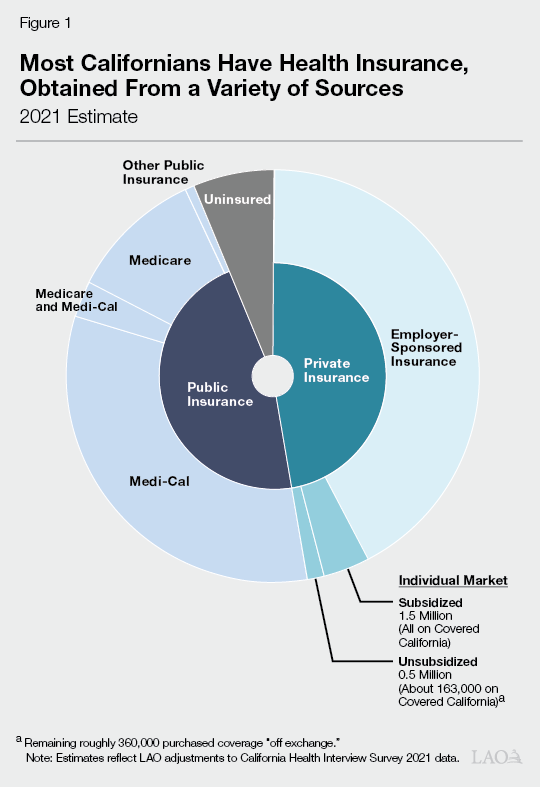
For many, the most common route is through an employer-sponsored health plan. If your employer offers health benefits, these plans typically meet the state’s minimum essential coverage requirements. It’s important to verify the specifics of your plan if you’re unsure.
Covered California: The State Exchange
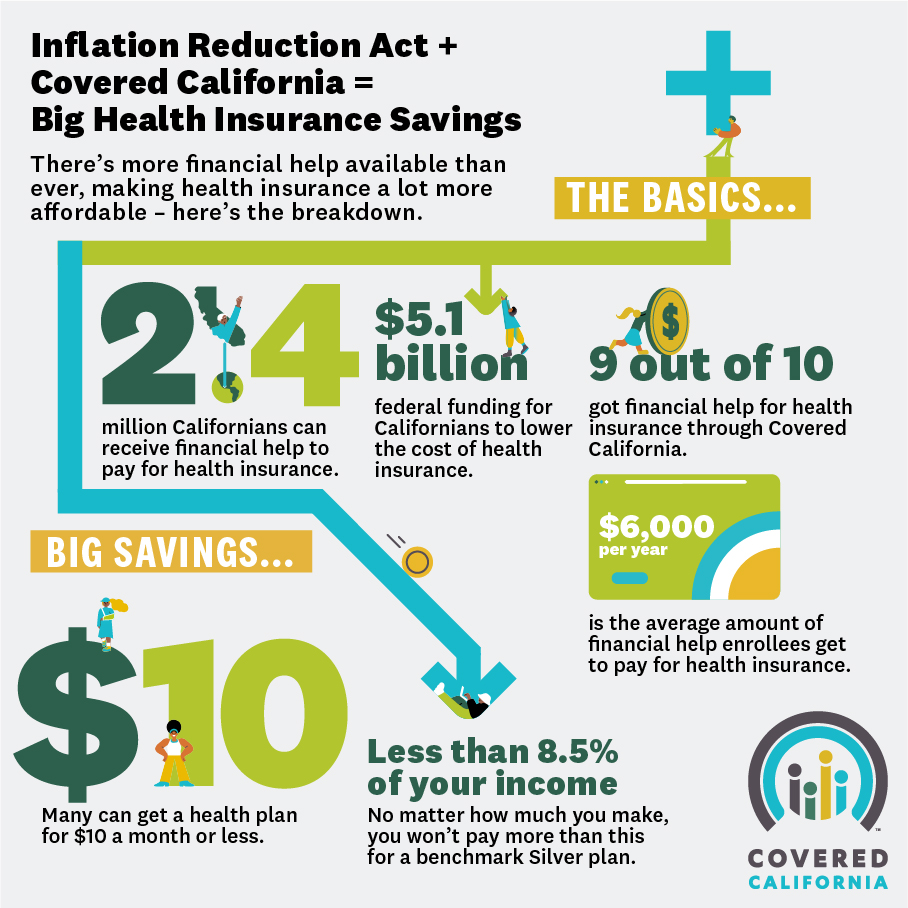
Covered California is California’s state-run health insurance marketplace, established under the Affordable Care Act. It provides a platform for individuals and small businesses to compare and enroll in health insurance plans from various private insurers like Kaiser Permanente, Blue Shield of California, and Anthem Blue Cross. Crucially, Covered California is also where eligible individuals can receive financial assistance – tax credits and subsidies – to help lower the cost of monthly premiums and out-of-pocket expenses. This is particularly beneficial for individuals and families with moderate incomes, significantly enhancing affordability. The open enrollment period for Covered California typically runs from October to January, but special enrollment periods are available for life events like marriage, birth, or loss of other coverage.
Medi-Cal: Public Health Program
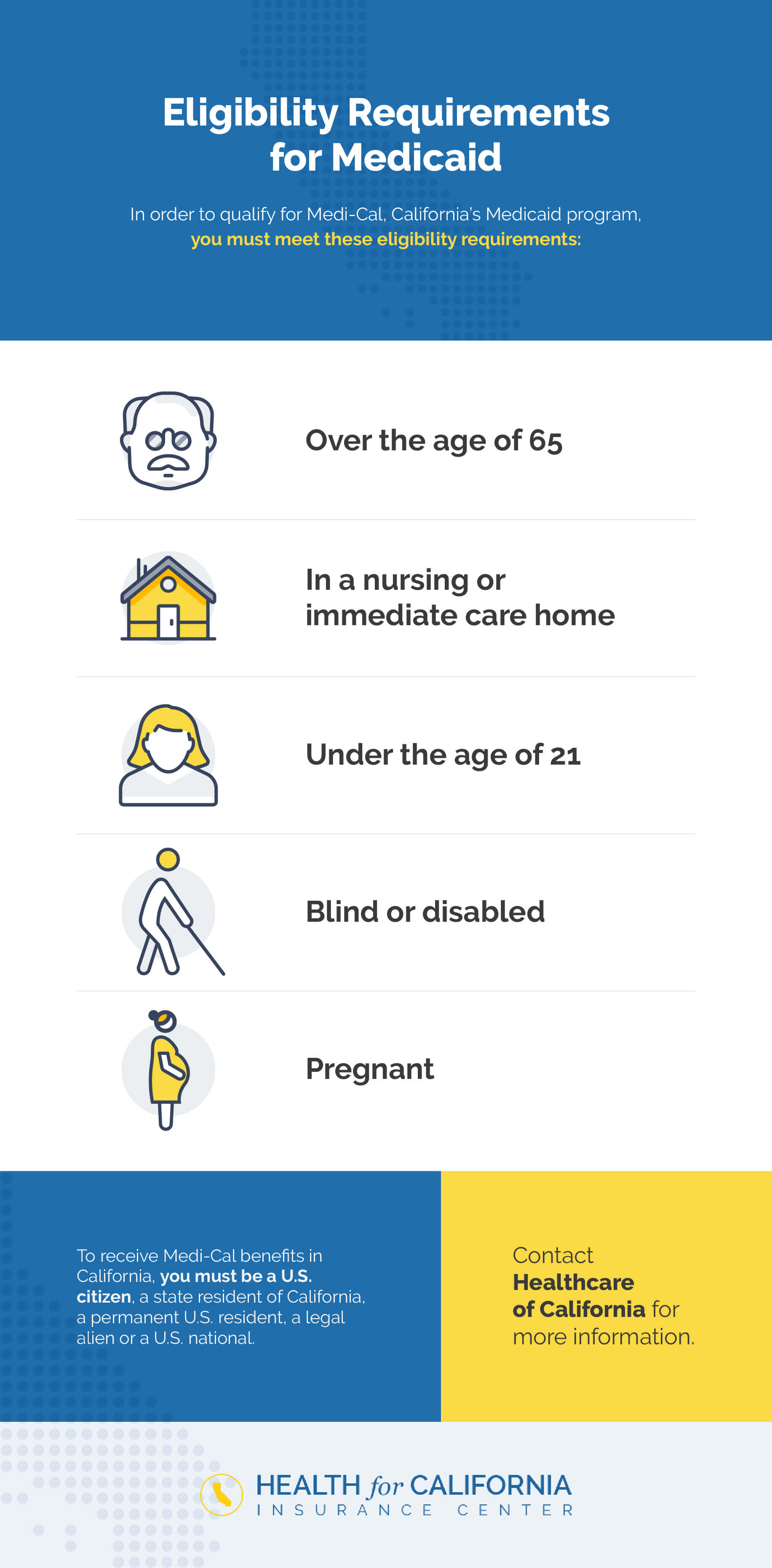
For low-income individuals and families, Medi-Cal is California’s version of Medicaid. It provides free or low-cost health coverage to eligible residents, including children, pregnant women, adults, and individuals with disabilities. California expanded its Medi-Cal program under the Affordable Care Act, making coverage available to many more residents who meet income requirements. Enrollment in Medi-Cal is year-round.
Private Insurance Outside the Marketplace
Individuals can also purchase health insurance directly from private insurance companies outside of Covered California. While these plans must still meet California’s minimum essential coverage standards, they do not offer the same financial assistance that is available through the state exchange. This option is typically considered by those who do not qualify for subsidies through Covered California or who have specific needs not met by marketplace plans.
The Ramifications of Non-Compliance
Choosing to forego health insurance in California carries both immediate and potential long-term consequences, extending beyond just financial penalties.
Financial Penalties and Tax Implications
The most direct consequence of not having qualifying health insurance in California is a state tax penalty. This penalty is assessed by the California Franchise Tax Board when you file your state income taxes. The amount can vary but is generally calculated as a flat fee per adult and child in the household, or a percentage of your household income, whichever is greater. For instance, for the 2023 tax year, the penalty for an adult without coverage for the entire year is $850, and $425 per dependent child under 18. These figures can add up quickly, especially for families.
Access to Care and Medical Debt
Beyond the tax penalty, the more significant risk of being uninsured is the lack of access to affordable medical care. A sudden illness, accident, or chronic condition can lead to astronomical medical bills. Without insurance, even routine check-ups or preventative screenings become financially daunting, often leading individuals to delay necessary care until a condition becomes critical and more expensive to treat. This can result in:
- High Out-of-Pocket Costs: Every doctor’s visit, prescription, and hospital stay would be paid for entirely by the individual.
- Medical Debt: Unpaid medical bills are a leading cause of bankruptcy in the United States. A single emergency room visit or an unexpected surgery can quickly create tens of thousands of dollars in debt, profoundly impacting one’s financial stability and credit score.
- Limited Care Options: Hospitals and clinics may require upfront payment or deny non-emergency services to uninsured patients, significantly limiting care options.
Health Insurance as a Lifestyle Choice
In California, health insurance is not merely a legal obligation; it’s a fundamental aspect of a responsible and secure lifestyle. It represents a proactive decision to safeguard one’s well-being and financial future in a state that prides itself on progress and quality of life.
Peace of Mind and Financial Security
Knowing you have health insurance provides invaluable peace of mind. It means that if you or a family member falls ill or gets injured, you can seek necessary medical attention without the crushing burden of exorbitant costs. This security allows individuals to focus on their work, family, and leisure activities, rather than constantly worrying about potential medical expenses. For those enjoying the vibrant outdoor lifestyle of [California](https://lifeoutofthebox.com/california] – hiking in Yosemite National Park, surfing off the coast, or exploring the urban jungles of Los Angeles – the assurance of medical coverage is paramount.
Access to Quality Care and Preventative Health
California boasts some of the world’s leading healthcare providers and facilities. Health insurance grants access to this high standard of care, including preventative services like annual physicals, vaccinations, and screenings, which are often covered at no additional cost. These services are vital for maintaining long-term health, catching potential issues early, and ultimately contributing to a higher quality of life. Embracing a wellness-focused lifestyle in California inherently includes prioritizing regular health maintenance.
Supporting a Healthier Community
Beyond personal benefits, complying with the health insurance mandate contributes to a healthier, more stable community. A broader insured population means fewer people rely on emergency rooms for primary care, easing the burden on these critical services. It also helps stabilize the insurance market, benefiting everyone through more predictable premiums and wider access to care.
Ultimately, while the question “Is health insurance required in California?” has a definitive “yes” for most residents, the deeper implication is that it’s a wise and necessary choice for anyone seeking to embrace the full potential of life in the Golden State. It’s an investment in personal health, financial stability, and the collective well-being that defines the California way of life.
LifeOutOfTheBox is a participant in the Amazon Services LLC Associates Program, an affiliate advertising program designed to provide a means for sites to earn advertising fees by advertising and linking to Amazon.com. Amazon, the Amazon logo, AmazonSupply, and the AmazonSupply logo are trademarks of Amazon.com, Inc. or its affiliates. As an Amazon Associate we earn affiliate commissions from qualifying purchases.