
California has long been at the forefront of progressive labor policies, and the question of minimum wage increases is a recurring and significant topic. For tourists planning a visit to the Golden State, understanding the implications of these wage adjustments is crucial, as they can directly influence the cost of everything from a gourmet meal in San Francisco to a souvenir in Los Angeles. The state, known for its vibrant culture, diverse landscapes, and world-class attractions, operates on an economic model heavily influenced by labor costs. As the cost of living continues to rise in many of California’s major urban centers, the push for a higher minimum wage aims to provide workers with a more livable income. This economic shift, however, often translates into adjustments in consumer prices across various sectors, most notably within the tourism industry.

The Evolving Economic Landscape for California Tourism
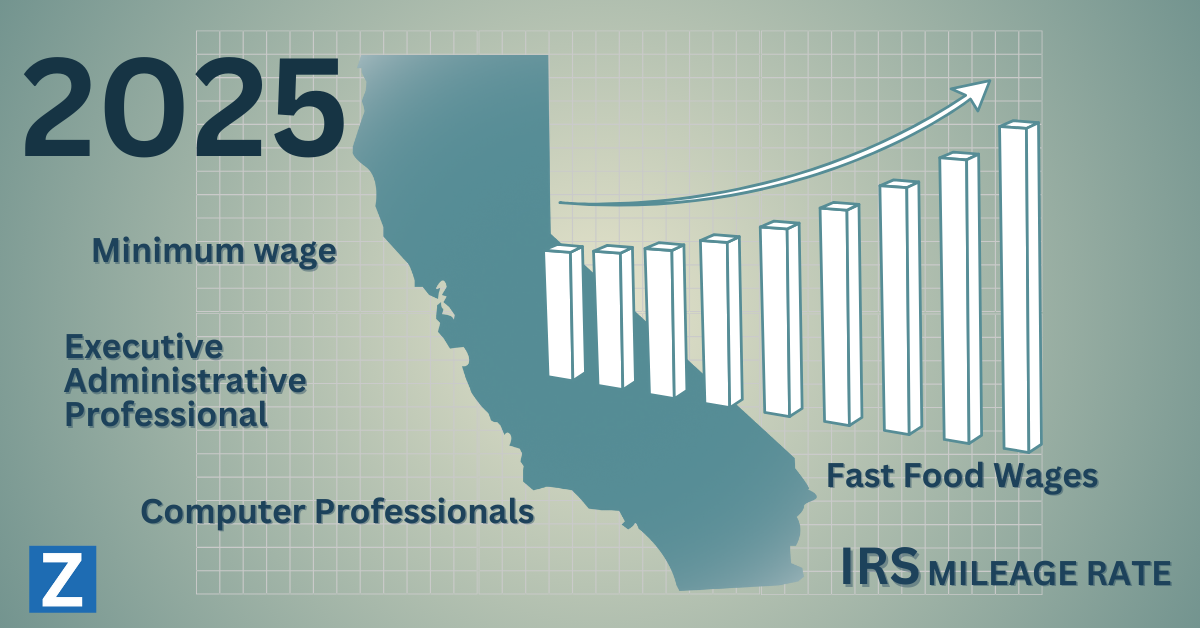
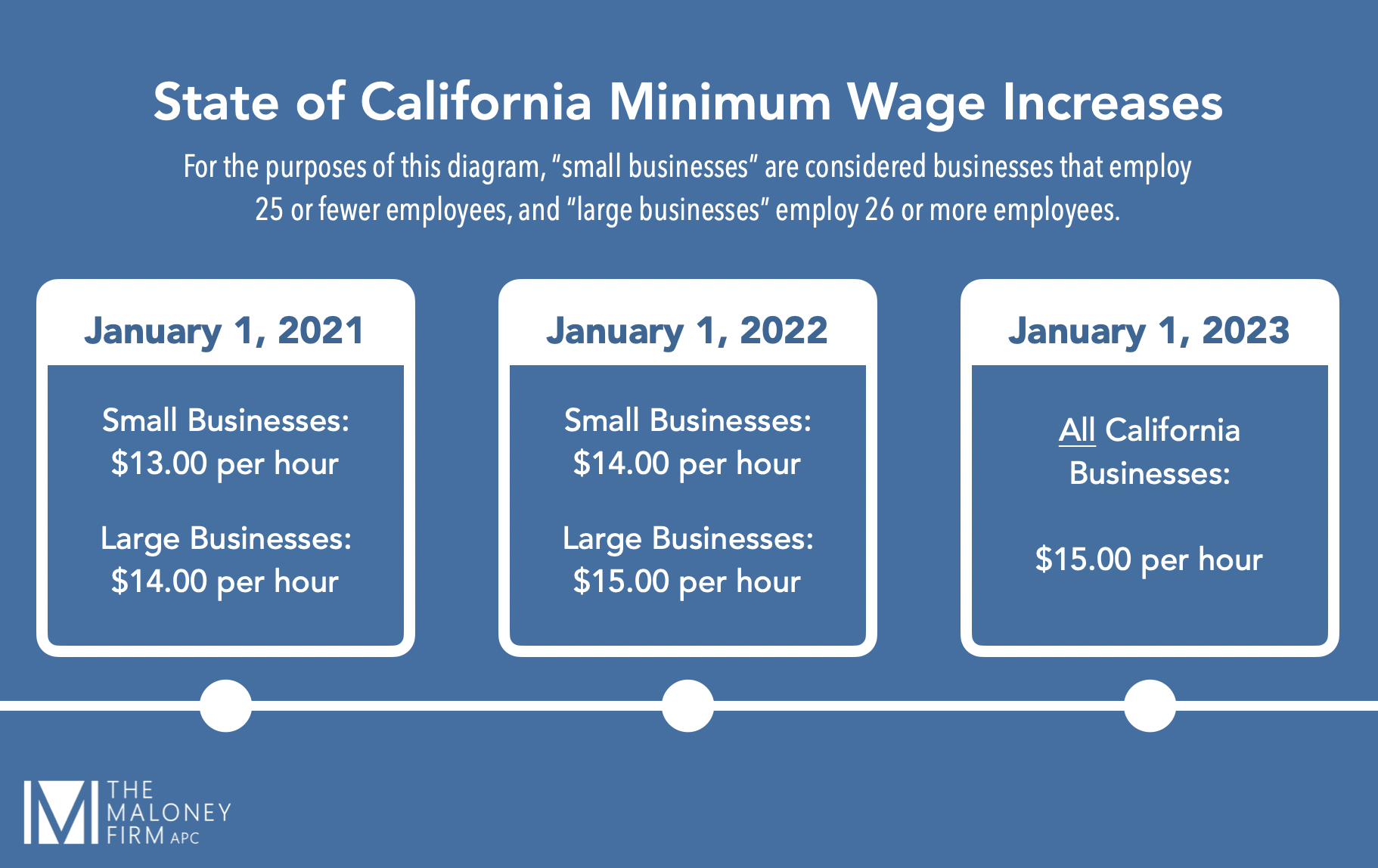
California’s economic policies, particularly regarding minimum wage, are designed to address the high cost of living prevalent in many parts of the state. Unlike federal minimum wage standards, California has historically set its own, often higher, rates, with some cities and counties establishing even loftier local minimums. This dynamic environment means that wage increases are not a monolithic statewide event but rather a staggered process, sometimes varying by industry and location.
For instance, specific sectors like fast food or healthcare often see targeted wage hikes before or beyond the general state minimum. These increases ripple through the local economy, affecting businesses of all sizes, from multinational corporations to small, family-owned enterprises. In the context of tourism, this translates to adjustments in operational costs for hotels, restaurants, tour operators, and local attractions. These businesses, faced with higher labor expenses, often pass a portion of these costs onto consumers through increased prices for goods and services. Understanding this underlying economic reality is the first step for any tourist looking to budget effectively for their California adventure. The goal for visitors isn’t to avoid areas with higher wages, but rather to anticipate and plan for the associated costs, ensuring a seamless and enjoyable travel experience.
Impact on Local Food and Dining Experiences
One of the most immediate and tangible impacts of minimum wage increases for tourists in California is felt in the culinary scene. From Michelin-starred restaurants to casual diners and food trucks, the cost of labor is a significant component of operating expenses.
Rising Restaurant Costs
When the minimum wage goes up, restaurants face higher payroll expenses. This inevitably leads to price adjustments on menus. Dishes may become slightly more expensive to cover these increased costs, affecting everything from appetizers to desserts and even the price of a cup of coffee. Tourists should be prepared for potentially higher dining bills, especially in popular tourist hubs like San Francisco, Los Angeles, and coastal towns. Furthermore, the rising wages can influence tipping culture. Some establishments may opt for a service charge to distribute earnings more equitably among staff, potentially reducing the need for traditional tipping, while others might maintain the status quo but anticipate higher overall customer spending. Exploring local eateries remains a highlight of any California trip, but understanding the economic underpinnings helps manage expectations regarding cost.
Farm-to-Table Dynamics
California is renowned for its vibrant agricultural sector, particularly in regions like the Central Valley and Napa Valley. Wage increases for agricultural workers can translate into higher costs for produce, dairy, and other raw ingredients. Restaurants that pride themselves on using fresh, locally sourced ingredients—a hallmark of California cuisine—will see their supply chain costs increase. This trickle-down effect can contribute to the overall rise in menu prices, even for dishes that might seem simple. However, the quality and freshness often justify the cost, offering tourists an unparalleled gastronomic experience that reflects the state’s rich agricultural bounty.
Budgeting for Culinary Adventures
For the savvy tourist, several strategies can help manage food costs without sacrificing the diverse culinary experiences California offers. Consider visiting local farmers’ markets, which often provide fresh, high-quality ingredients at prices potentially lower than supermarket chains, if you have self-catering accommodation. Exploring food trucks and casual eateries can offer delicious and authentic meals at a more accessible price point than sit-down restaurants. Taking advantage of happy hour specials, early bird dinners, or lunch menus (which are often more affordable than dinner options) can also provide significant savings. Finally, prioritizing a few “splurge” meals at highly-rated establishments and balancing them with more budget-friendly options ensures you get a taste of California’s best without breaking the bank.
Activities, Attractions, and Local Services: A Price Adjustment?
Beyond dining, minimum wage increases can impact the cost of various activities, attractions, and local services that form the core of a California vacation.
Tour Operators and Guides
Many local tour operators, from walking tours in San Francisco to wine tours in Napa Valley or surf lessons on the coast, rely heavily on skilled local guides and staff. As wages for these professionals increase, so too might the price of these specialized experiences. Smaller, independent operators, in particular, may need to adjust their pricing to maintain profitability. While group tours might see a modest increase, personalized private tours, which inherently have higher labor costs per person, could experience more significant price shifts. Tourists seeking immersive, guided experiences should factor these potential price adjustments into their budget, recognizing that the expertise and local insight provided by these guides are invaluable.
Theme Parks and Major Attractions
California is home to world-renowned theme parks like Disneyland in Anaheim and Universal Studios Hollywood. These massive operations employ thousands of staff, from ride operators and entertainers to concession workers and retail associates. When minimum wage mandates rise, the cumulative impact on their labor budget can be substantial. Consequently, visitors might observe incremental increases in ticket prices, parking fees, and in-park food and merchandise costs. These parks often adjust their pricing annually regardless of wage changes, but significant labor cost increases can accelerate or amplify these adjustments. Pre-booking tickets online, looking for multi-day passes, or visiting during off-peak seasons can often provide cost savings.
Independent Boutiques and Artisan Shops
Shopping for unique souvenirs, local crafts, or fashion in California’s charming independent boutiques and artisan shops is a popular activity. These smaller businesses often operate with tighter margins and rely on local staff. Higher wages for sales associates and production workers can lead to a slight increase in the price of goods. However, the unique items found in these shops often reflect the artistry and craftsmanship of California’s creative community, and the prices reflect the fair compensation of the individuals behind them. Supporting these local businesses remains a crucial way for tourists to contribute directly to the local economy and culture.
Navigating Your California Trip: Tips for the Savvy Tourist
Successfully navigating a trip to California amidst evolving economic conditions requires a proactive and informed approach. A little planning can go a long way in ensuring your budget stretches further without compromising the quality of your experience.
Advance Planning and Booking
One of the most effective strategies is to plan and book major components of your trip well in advance. This includes flights, accommodations, and popular attractions. Prices for many services, especially hotels and tour packages, tend to increase closer to the travel date, particularly during peak seasons. By locking in prices early, you can often secure better deals and avoid last-minute surges that might be influenced by current economic shifts. Using online travel agencies and comparison sites can also help you find the best value.
Exploring Beyond the Major Hubs
While cities like San Francisco, Los Angeles, and San Diego offer iconic experiences, they are also among the most expensive areas in California. Consider exploring charming smaller towns and regions that offer equally rich cultural and natural attractions but at a lower cost. For example, instead of exclusively Napa Valley, consider the less-trodden wine regions of Paso Robles or Sonoma. Exploring destinations like Santa Barbara, Monterey, or areas surrounding Yosemite National Park can offer incredible experiences without the premium price tags associated with California’s largest cities. These areas often have a strong local economy with a vibrant tourism sector that provides excellent value.
Embracing Free and Low-Cost Activities
California’s greatest treasures are often free or very low cost. The state boasts an unparalleled array of natural beauty, from pristine beaches along the Pacific Coast Highway to majestic national parks like Yosemite National Park, Joshua Tree National Park, and Redwood National Park. Hiking, swimming, surfing, and exploring scenic drives offer incredible experiences without significant expenditure. Many cities also offer free attractions, such as walking across the Golden Gate Bridge, exploring the Santa Monica Pier, or wandering through vibrant neighborhoods. Look for free cultural events, public art installations, and municipal parks. Incorporating these activities into your itinerary can significantly reduce your overall trip costs, allowing you to allocate your budget to specific experiences that truly matter to you.
Transportation Considerations
While public transportation is available in major urban centers, California is largely car-dependent. Rental car prices, gas costs, and parking fees can accumulate. Ride-sharing services, whose drivers are also subject to minimum wage laws, may see price adjustments. Consider consolidating trips, utilizing public transport where feasible, or exploring walking-friendly neighborhoods. For longer distances, intercity buses or trains can be more economical than flying or extensive driving, offering a scenic journey through the state.
By remaining informed about California’s economic landscape and adopting a flexible, strategic approach to travel planning, tourists can continue to enjoy the myriad wonders this diverse state has to offer, making memories that last a lifetime, regardless of the fluctuating numbers on a price tag.
LifeOutOfTheBox is a participant in the Amazon Services LLC Associates Program, an affiliate advertising program designed to provide a means for sites to earn advertising fees by advertising and linking to Amazon.com. Amazon, the Amazon logo, AmazonSupply, and the AmazonSupply logo are trademarks of Amazon.com, Inc. or its affiliates. As an Amazon Associate we earn affiliate commissions from qualifying purchases.