
The Birkenstock Boston clog has achieved a cult status, transcending its utilitarian origins to become a bona fide fashion statement. Seen on the feet of everyone from casual explorers navigating the cobbled streets of Florence to style-conscious individuals in bustling New York City, its popularity is undeniable. Yet, for many, the question of how this unique footwear should fit remains a persistent query. Unlike more conventional shoes, the Birkenstock Boston offers a distinct experience, rooted in its anatomically shaped footbed and its characteristic design. Achieving the optimal fit is paramount to unlocking its renowned comfort and supportive qualities, especially when considering long days of travel or extended periods of exploration.
Understanding the Birkenstock Footbed and Boston Design
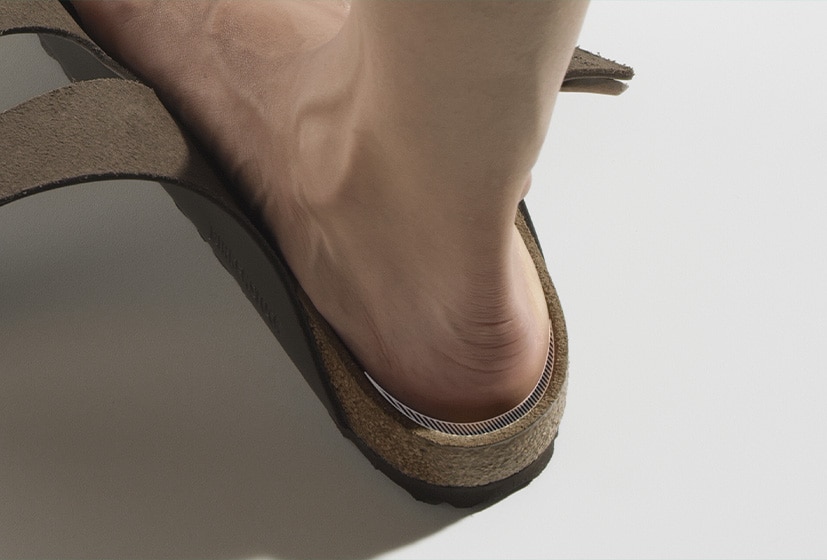
At the heart of every Birkenstock shoe lies its legendary contoured footbed. Crafted from a blend of cork and latex, this foundation is designed to mimic the natural imprint of a foot in sand. It features a deep heel cup for shock absorption, arch supports to promote proper weight distribution, and a raised toe bar to encourage natural toe gripping. The Birkenstock Boston, as a closed-toe clog, builds upon this foundation with a slightly different approach to fit compared to open-toed sandals.
The Cork-Latex Footbed: A Living Component
The cork-latex material is not static. It’s designed to mold to your individual foot over time, providing a personalized fit that enhances comfort with each wear. This means that an initial fit might feel slightly firm, but with regular use, especially during your travel adventures, it will adapt. Understanding this dynamic nature is key to assessing the “correct” fit. The footbed should feel supportive, not restrictive, cradling the contours of your foot without causing pressure points.
The Boston’s Unique Construction
The clog design of the Birkenstock Boston presents a slightly different fit dynamic than their sandals. The enclosed upper means that the heel should ideally stay within the confines of the shoe’s back, but with a slight, comfortable space. The toe box, while offering more protection than an open sandal, should still allow for natural toe movement. The adjustable strap across the instep is crucial for fine-tuning the fit, ensuring the shoe remains secure without being too tight.
Assessing the Perfect Fit: Key Indicators
Determining the ideal fit for your Birkenstock Boston clogs involves paying close attention to several tactile and visual cues. This is not about achieving a snug, skin-tight fit, but rather a relaxed yet secure embrace that supports your foot’s natural biomechanics, essential for comfortable sightseeing or navigating busy airports.
Heel and Arch Support
- Heel Cup: Your heel should sit comfortably within the heel cup. There should be a small amount of space, typically about a finger’s width, between your heel and the back edge of the shoe when you’re standing still. This space allows your heel to move slightly without slipping out, which is important for natural gait.
- Arch Support: The arch support of the footbed should align with the natural arch of your foot. You should feel gentle pressure and support under your arch. If you feel a significant gap or an uncomfortable poking sensation, the sizing or the specific footbed might not be right for you.
Toe Room and Toe Bar
- Toe Space: When standing, there should be ample room for your toes to wiggle freely. They should not feel cramped or pushed together. A common mistake is assuming a perfect fit means no space at the front. In reality, for comfortable walking, especially on inclines or descents common during travel, your toes need room to naturally splay and move.
- Toe Bar Placement: The raised toe bar is designed to sit comfortably just behind the ball of your foot, encouraging your toes to grip naturally. It should feel like a gentle nudge, not an aggressive pressure point. If the toe bar feels too far forward or too far back, affecting your natural toe position, the size might be incorrect.
Instep and Overall Secureness
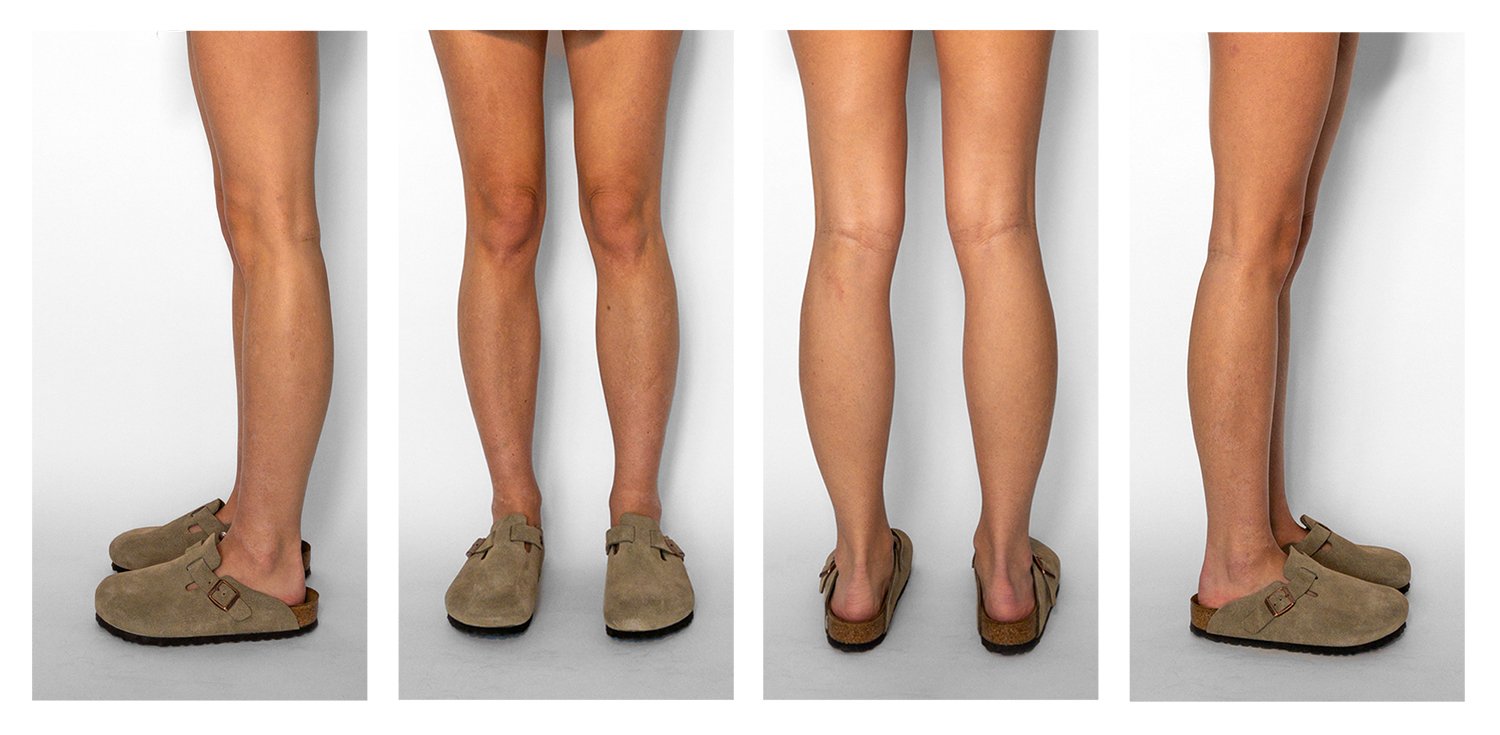
- Instep Strap: The adjustable strap across the instep is your primary tool for customizing the fit. When tightened appropriately, it should hold your foot securely in place without digging into your skin. You should be able to feel the shoe moving with your foot, not independently of it.
- No Pinching or Rubbing: Throughout the shoe, there should be no areas of pinching, rubbing, or excessive pressure. While the cork footbed will soften, the initial fit should not cause immediate discomfort. This is particularly important for long periods of wear, such as during flights or extensive walking tours.
Sizing and Width Considerations
Birkenstock offers its footwear in various sizes and widths, and understanding these nuances is crucial for achieving the perfect fit for the Boston. The brand uses a unique sizing system, and width is indicated by symbols.
Understanding Birkenstock Sizing
Birkenstock sizes generally run larger than conventional shoe sizes. It’s often recommended to go down a size from your typical shoe size. However, this can vary, making trying them on or carefully measuring your feet essential. A good way to gauge your size is to trace your foot and measure its length, then compare this to Birkenstock’s sizing chart. Remember, the footbed’s contours are designed to accommodate your foot’s natural shape, so it should feel spacious yet supportive.
The Importance of Width
Birkenstock offers two primary widths: narrow (indicated by a single footprint icon) and regular/wide (indicated by a double footprint icon).
- Narrow Fit: This is suitable for individuals with slender feet. The footbed will be narrower, and the straps will sit more snugly across the instep.
- Regular/Wide Fit: This is the standard width and accommodates most foot types. If you have a wider forefoot or find narrow shoes constricting, this is likely your best option.
The width of the shoe significantly impacts how the footbed cradles your foot and how the straps function. A shoe that is too narrow can cause the sides of your foot to spill over the footbed, negating the arch support and leading to discomfort. Conversely, a shoe that is too wide might feel sloppy, even with the strap adjusted.
The “Break-In” Period: Patience and Adaptation
The concept of a “break-in” period is integral to the Birkenstock experience, particularly for the Boston. Unlike shoes that require significant stretching or painful wear to conform, Birkenstock footwear is designed to adapt gradually. This adaptation is key to achieving that personalized, ultimate comfort for your travel needs.
What to Expect During Break-In
In the initial stages, you might notice the cork footbed feeling a bit firm, and the arch support might feel pronounced. The leather upper, especially if it’s a natural leather, might also feel a little stiff. The goal during this phase is to wear the shoes for short, intermittent periods. This allows the footbed to start molding to your unique foot shape and the leather to soften and flex. Think of it as a gentle introduction rather than an immediate commitment to a full day of walking.

Tips for a Smooth Break-In
- Start Small: Begin by wearing your Birkenstock Boston for an hour or two at home. Gradually increase the duration as they become more comfortable.
- Wear with Socks: During the initial break-in, wearing thin socks can provide an extra layer of protection and help the leather conform more smoothly.
- Listen to Your Feet: Pay attention to any new pressure points or discomfort. If a particular area feels persistently uncomfortable, it might indicate a sizing or width issue rather than just a need for break-in.
- Avoid Overdoing It: Resist the urge to wear them for an entire day of travel or extensive walking right away. This can lead to blisters or undue fatigue.
The break-in period for Birkenstock Boston clogs is typically a matter of days to a few weeks of consistent, albeit moderate, wear. The result is a shoe that feels uniquely yours, a comfortable companion for exploring new destinations or simply navigating your daily routine with an unparalleled level of support and ease. The key is to embrace the process, understanding that this perceived “stiffness” is the beginning of a personalized comfort journey, rather than a sign of a poor fit.
LifeOutOfTheBox is a participant in the Amazon Services LLC Associates Program, an affiliate advertising program designed to provide a means for sites to earn advertising fees by advertising and linking to Amazon.com. Amazon, the Amazon logo, AmazonSupply, and the AmazonSupply logo are trademarks of Amazon.com, Inc. or its affiliates. As an Amazon Associate we earn affiliate commissions from qualifying purchases.