
Understanding the Legal Landscape in California: More Than Just a Joke
Living in or visiting California offers an incredible array of experiences, from the sun-drenched beaches of San Diego to the bustling tech hubs of San Francisco. With this vibrant lifestyle comes a responsibility to understand the local legal framework that governs everyday interactions, including seemingly innocuous acts like prank calling. What might appear as a harmless joke to some can carry significant legal repercussions under California law, deeply impacting an individual’s lifestyle, freedom, and future prospects. It’s crucial for residents and visitors alike to recognize that the state takes various forms of telephone harassment seriously, aiming to protect its citizens from disruption, fear, and financial harm.
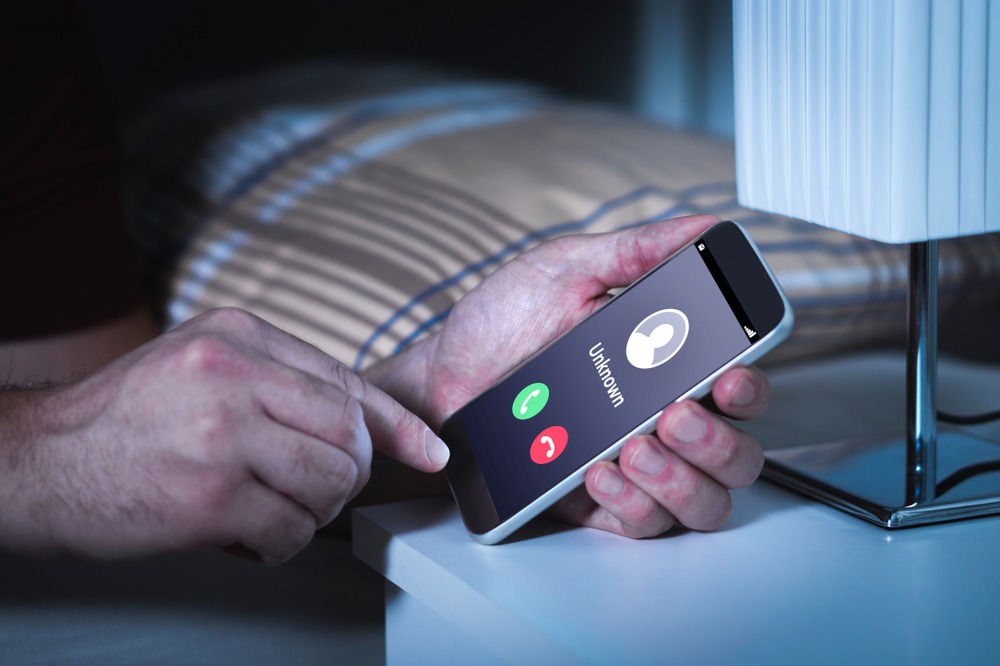
The Fine Line Between Harmless Fun and Criminality
The distinction between a casual, good-natured joke among friends and an illegal prank call often lies in intent, content, and frequency. While a lighthearted call to a close acquaintance might not raise legal eyebrows, any call that aims to annoy, harass, threaten, or defraud another person crosses a critical boundary. In California, laws are designed to address calls that:
- Intentionally annoy or harass: Making repeated phone calls with the sole purpose of bothering someone, even without explicit threats.
- Make threats: Conveying threats of bodily harm, property damage, or other unlawful acts.
- Use obscene language: Employing vulgar, profane, or indecent language with intent to offend.
- Report false emergencies: Falsely reporting incidents to emergency services, often referred to as “swatting,” which carries severe penalties due to the diversion of critical resources and the danger it poses.
- Defraud or extort: Using phone calls to deceive someone into giving up money or property.
The critical element in many of these cases is the intent of the caller. Was the call made with malicious intent to disturb, frighten, or deceive? California courts will often examine the circumstances surrounding the call, the content of the conversation, and the impact on the recipient to determine if a crime has occurred. For anyone seeking to maintain a clean record and responsible lifestyle in the state, understanding these nuances is paramount.
Key Statutes Governing Phone Misconduct
Several sections of the California Penal Code and other relevant statutes address various forms of phone harassment and misuse. While specific legal advice should always be sought from a qualified attorney, general awareness of these laws is a vital part of responsible digital citizenship.
- California Penal Code Section 653m: Annoying or Harassing Telephone Calls. This statute specifically targets individuals who make repeated calls with the intent to annoy, or who make calls containing obscene language with the intent to offend. It’s often the most directly applicable law for traditional “prank calls.” The emphasis here is on the intent to annoy or harass, and the repeated nature of such calls can escalate the severity of the charge.
- California Penal Code Section 422: Criminal Threats. If a prank call escalates to include threats that cause the recipient to fear for their safety or the safety of their family, it can fall under this serious felony statute. The threat must be credible and place the victim in reasonable fear. This can quickly turn a juvenile prank into a life-altering legal battle.
- California Penal Code Section 148.3: False Report of an Emergency. The act of “swatting” – making a false report to emergency services like 911 – is not merely a prank; it’s a dangerous felony. This act can lead to police, fire, or medical personnel responding to a non-existent emergency, diverting resources from actual crises and potentially endangering innocent lives. The penalties for this offense are severe, reflecting the gravity of the potential harm.
- California Penal Code Section 530.5: Identity Theft. In scenarios where a prank call is used to gain personal information for fraudulent purposes, it can lead to charges of identity theft, which carries significant felony penalties.
Understanding these legal boundaries is not just about avoiding trouble; it’s about fostering a respectful and safe digital environment, which is an increasingly important aspect of modern lifestyle in interconnected communities like those in California.
Potential Consequences for Prank Callers: Impact on Your California Lifestyle
The ramifications of illegal prank calling extend far beyond a slap on the wrist. For individuals, particularly young adults and minors, involvement in such activities can profoundly disrupt their current lifestyle and cast a long shadow over their future. From immediate legal penalties to lasting social and economic impacts, understanding these consequences is essential for making responsible choices.
Misdemeanors and Felonies: What’s at Stake
The severity of penalties for illegal prank calling in California varies depending on the specific crime committed, the intent, and the harm caused.
- Misdemeanor Charges: Many basic forms of annoying or harassing phone calls (e.g., Penal Code Section 653m) are typically charged as misdemeanors. Convictions can lead to:
- Jail Time: Up to six months in a county jail.
- Fines: Substantial monetary fines, potentially running into hundreds or thousands of dollars.
- Probation: A period of supervised release with specific conditions, such as refraining from further phone harassment.
- Criminal Record: Even a misdemeanor conviction creates a criminal record, which can impact employment, housing, and educational opportunities.
- Felony Charges: More severe offenses, such as criminal threats (Penal Code Section 422), false reports of emergency (“swatting” under Penal Code Section 148.3), or identity theft, are felonies. Felony convictions carry much harsher penalties:
- State Prison Time: Years in state prison, depending on the specific charge and prior criminal history.
- Hefty Fines: Fines that can reach thousands or even tens of thousands of dollars.
- Strict Probation/Parole: Longer and more restrictive periods of supervision.
- Permanent Criminal Record: A felony conviction has a far-reaching and often permanent impact on an individual’s life, significantly limiting opportunities.
For minors, while the juvenile justice system aims for rehabilitation, serious offenses can still lead to detention in juvenile facilities, significant restrictions, and a record that can follow them into adulthood, affecting college applications and future careers. The potential for such severe outcomes underscores why responsible digital behavior is a critical component of a thoughtful lifestyle in California.
Civil Liabilities: Beyond Criminal Charges
Beyond the criminal justice system, prank callers can also face civil lawsuits. Victims who have suffered harm as a result of illegal calls can sue for damages. This can include:

- Emotional Distress: Compensation for psychological suffering, anxiety, or trauma.
- Financial Losses: Reimbursement for lost wages, medical bills, or expenses incurred due to the prank, such as unnecessary emergency services responses.
- Restraining Orders: A court can issue a civil harassment restraining order, preventing the caller from contacting the victim in any way, shape, or form. Violation of such an order can lead to further criminal charges.
These civil penalties can impose a significant financial burden on the perpetrator, potentially leading to garnished wages, seized assets, and long-term debt, fundamentally altering their financial stability and lifestyle.
Long-Term Repercussions for Your Future
A criminal record, whether misdemeanor or felony, can have profound and lasting effects on various aspects of an individual’s life, especially in competitive and opportunity-rich states like California.
- Employment: Many employers conduct background checks, and a criminal record can make it challenging to secure certain jobs, particularly those requiring trust, security clearances, or professional licenses (e.g., in healthcare, finance, or education).
- Housing: Landlords often run background checks, and a criminal history can hinder efforts to rent apartments or homes.
- Education: College admissions can be impacted, and eligibility for financial aid may be jeopardized.
- Social Reputation: A criminal record can damage one’s reputation within their community and social circles, leading to stigma and distrust.
- Travel: For serious felony convictions, international travel may be restricted, limiting global experiences that are often part of a desirable lifestyle.
- Civic Rights: Felony convictions can result in the loss of certain civic rights, such as the right to vote or possess firearms.
These long-term consequences highlight that engaging in illegal prank calling is not just a momentary lapse but a decision with potentially irreversible implications for one’s entire lifestyle and future trajectory in California.
Protecting Yourself and Others: A Responsible California Approach
In a state as populous and digitally connected as California, being proactive about digital safety and responsible communication is an essential part of a secure and thoughtful lifestyle. This includes knowing how to react if you become a victim of illegal prank calling and educating younger generations on the importance of digital etiquette.
What to Do if You’re a Victim
If you find yourself or someone you know targeted by illegal prank calls, taking swift and appropriate action is crucial.
- Do Not Engage: The first and most important step is to avoid engaging with the caller. Do not argue, threaten, or try to reason with them. This can escalate the situation and provide the caller with the reaction they seek.
- Document Everything: Keep a detailed log of all calls. Record the date, time, duration, phone number (if visible), and a brief description of the content of the call. If voicemails are left, save them. This documentation is vital evidence for law enforcement.
- Use Call Blocking Features: Most mobile phones and landline services offer call blocking features. Block the number if it’s visible. Consider apps or services that screen or block spam and unknown callers.
- Report to Your Phone Carrier: Contact your telephone service provider. They may be able to trace harassing calls, even if the number is blocked or private, and can offer additional features to help stop the harassment.
- Report to Law Enforcement: If the calls involve threats, obscene content, repeated harassment, or false reports of an emergency (swatting), contact your local police department. Provide them with all the documentation you’ve collected. Law enforcement in cities like Los Angeles, San Francisco, and Sacramento are equipped to handle such cases. For severe threats, contact 911 immediately.
- Seek Legal Counsel: If the situation is ongoing or particularly severe, consulting with an attorney can help you understand your legal options, including pursuing civil remedies against the perpetrator.
Taking these steps not only helps protect you but also contributes to holding offenders accountable, fostering a safer digital environment for everyone in California.
Educating Minors on Digital Etiquette
Many illegal prank calls originate from younger individuals who may not fully grasp the severity of their actions. Therefore, educating minors about digital etiquette and the legal consequences of phone misuse is a critical aspect of responsible parenting and community engagement in California.
- Open Communication: Foster an environment where children feel comfortable discussing their online and phone interactions.
- Clear Boundaries: Establish clear rules regarding phone use, including what constitutes acceptable and unacceptable behavior.
- Explain Consequences: Educate children on the potential legal, academic, social, and personal consequences of phone harassment, using real-world examples (without sensationalism).
- Empathy and Respect: Teach empathy by encouraging children to consider the impact of their actions on others. Emphasize that what might seem funny to them could be frightening or distressing to someone else.
- Digital Citizenship: Integrate lessons on responsible digital citizenship into their learning, highlighting that online and phone interactions are subject to the same laws and ethical standards as face-to-face interactions.
- Supervision: Monitor phone and internet use appropriate for their age, ensuring they are not engaging in or becoming victims of inappropriate behavior.
By actively guiding young people, communities in California can foster a generation that understands and upholds responsible digital conduct, reducing the incidence of illegal prank calling and promoting a more respectful lifestyle for all.
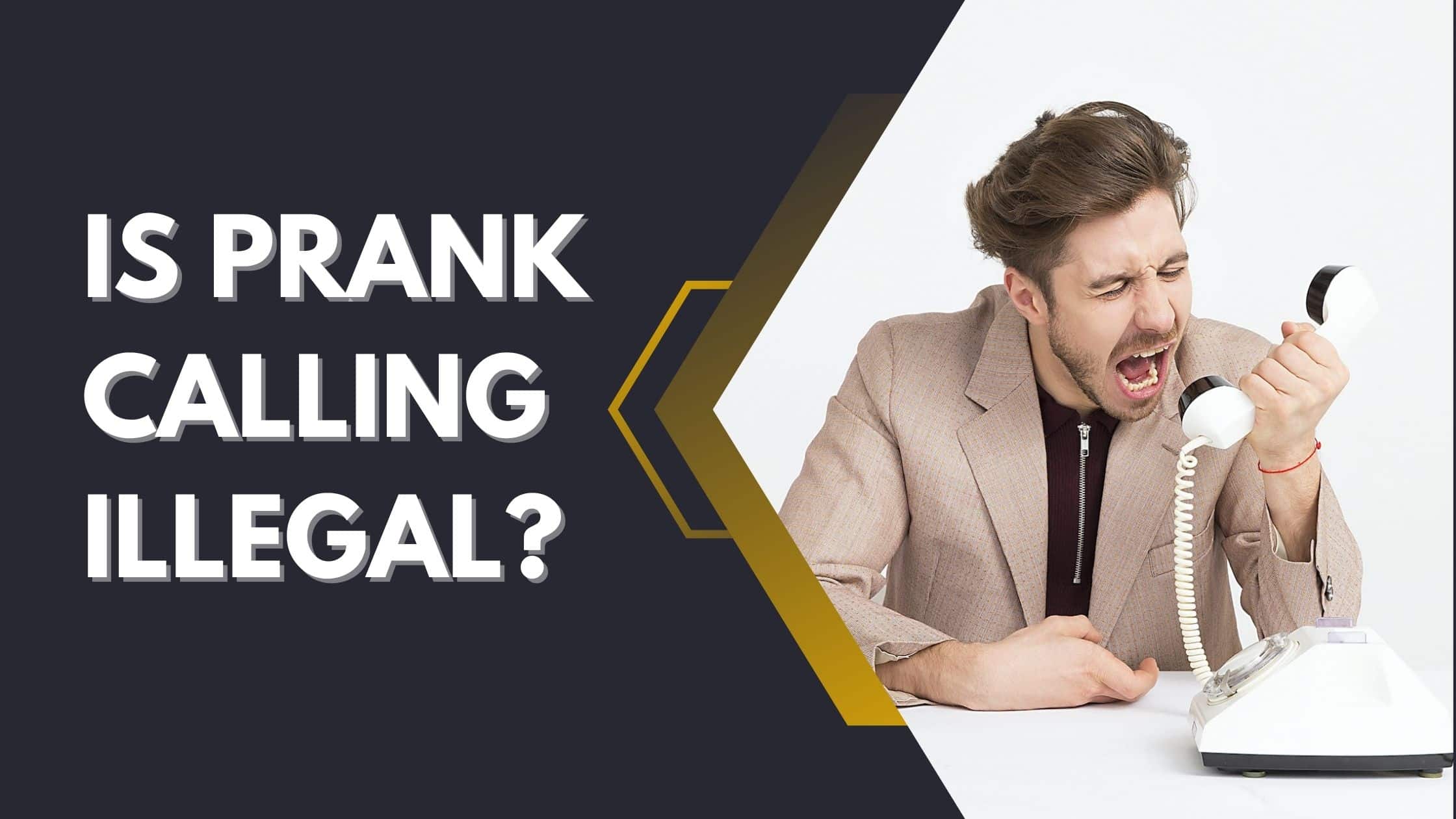
The Broader Lifestyle Implications: Digital Citizenship and Respect
Ultimately, the legality of prank calling in California underscores a larger conversation about digital citizenship and respect in our increasingly connected world. In a state that thrives on innovation and interconnectedness, the responsibility to use communication technologies ethically and legally is paramount. A responsible lifestyle in California involves not only enjoying its myriad opportunities but also contributing to a safe, respectful, and law-abiding community.
Understanding laws related to phone harassment is a fundamental part of this digital citizenship. It’s about recognizing that our actions, even those performed remotely, have real-world impacts on others’ peace of mind, safety, and well-being. Whether you are a long-time resident, a new transplant, or a tourist exploring the wonders of California, adhering to these legal and ethical standards ensures that your presence contributes positively to the vibrant and diverse tapestry of the state. By embracing responsible digital etiquette, individuals can avoid severe legal consequences and uphold a lifestyle characterized by respect, integrity, and consideration for all.
LifeOutOfTheBox is a participant in the Amazon Services LLC Associates Program, an affiliate advertising program designed to provide a means for sites to earn advertising fees by advertising and linking to Amazon.com. Amazon, the Amazon logo, AmazonSupply, and the AmazonSupply logo are trademarks of Amazon.com, Inc. or its affiliates. As an Amazon Associate we earn affiliate commissions from qualifying purchases.