
The question of what drives the devastating wildfires in California is a complex one, frequently debated across various platforms, including online forums like Reddit. For those involved in or impacted by tourism, understanding these causes is paramount, as they directly influence travel decisions, safety protocols, and the very landscape that draws millions of visitors each year. The discussion online often coalesces around the interplay of natural factors, human activities, and the overarching shadow of climate change, all of which converge to create the conditions for these catastrophic events.
The Interplay of Climate, Landscape, and Human Factors
Wildfires are an inherent part of many natural ecosystems, particularly in regions like California, which possesses a Mediterranean climate characterized by hot, dry summers and mild, wet winters. However, the scale and intensity of recent fires indicate a departure from historical norms, prompting closer examination of the contributing elements.

Understanding California’s Natural Vulnerabilities
California’s diverse topography, ranging from coastal chaparral to dense forests in the Sierra Nevada mountains, provides ample fuel for fires. The state’s natural vegetation, particularly drought-resistant species like chaparral and manzanita, are highly flammable. Historically, ecosystems like these evolved with periodic fires, which served to clear underbrush and promote new growth. However, a century of fire suppression policies, aimed at protecting expanding human settlements, led to an unnatural accumulation of fuel. This dense undergrowth, combined with dead trees from insect infestations and prolonged droughts, creates a tinderbox effect. When a fire ignites, it can spread with alarming speed and intensity, making containment exceedingly difficult. This natural susceptibility directly impacts tourism, as vast tracts of wilderness and beloved natural attractions like Yosemite National Park become vulnerable, forcing closures and impacting visitor experiences.
Human Activity and Infrastructure as Ignitors
While natural conditions set the stage, human activities are overwhelmingly the primary cause of wildfire ignitions in California. A significant portion of fires are linked to faulty electrical equipment, especially power lines, which can spark in high winds. Utility companies like Southern California Edison and Pacific Gas and Electric have faced immense scrutiny and legal battles over their role in starting some of the most destructive fires. Other human causes include vehicle accidents, campfires left unattended, discarded cigarettes, agricultural burns, arson, and equipment use that creates sparks. The expansion of the wildland-urban interface (WUI), where human developments encroach into fire-prone natural areas, further exacerbates the risk. This proximity means that when fires do ignite, they immediately threaten homes, infrastructure, and the very communities that underpin local tourism economies. For travelers, understanding this risk means exercising extreme caution with any potential ignition sources, particularly during dry seasons.
Climate Change as an Accelerant
The scientific consensus increasingly points to climate change as a critical factor intensifying California’s fire season. Rising global temperatures contribute to longer and more severe droughts, drying out vegetation and creating more flammable conditions. Studies show that the fire season is now significantly longer than in previous decades. Additionally, climate change is linked to more extreme weather patterns, including powerful, dry winds (like the Santa Ana and Diablo winds) that rapidly spread fires across vast distances. These winds can carry embers for miles, bypassing fire breaks and overwhelming firefighting efforts. The interplay of drier fuels, higher temperatures, and extreme winds creates a feedback loop, making each fire season potentially more destructive than the last. For the tourism sector, this means a growing need to adapt to a new normal, where periods of high fire risk become a regular consideration for destination marketing, operational planning, and traveler advisories.
The Ripple Effect on California Tourism
Wildfires cast a long shadow over California’s vibrant tourism industry, affecting everything from iconic natural landmarks to local economies and the perceptions of potential visitors. The discussions on platforms like Reddit often highlight these multifaceted impacts, offering a real-time pulse on public concern and shifts in travel sentiment.
Impact on Natural Attractions and Outdoor Activities
Many of California’s most cherished tourist destinations are its natural wonders: national parks, state forests, and coastal wilderness areas. Fires frequently lead to the closure of these sites, sometimes for extended periods, as was seen with areas surrounding Big Sur or parts of the Redwood National Park complex. Hiking trails become inaccessible, campsites are evacuated, and scenic drives are rerouted or shut down. Even areas not directly touched by flames can suffer from hazardous air quality due to smoke, deterring outdoor activities and diminishing the visitor experience. This directly impacts tourism operators specializing in outdoor recreation, from guided tours and fishing expeditions to equestrian activities. Rebuilding damaged infrastructure and restoring ecosystems can take years, if not decades, fundamentally altering the landscape that once drew tourists.
Economic Downturns for Local Businesses
The economic repercussions of wildfires are immediate and severe for the communities reliant on tourism. Hotels see cancellations, restaurants face reduced patronage, and small businesses from souvenir shops to adventure outfitters lose vital revenue. In regions famous for agritourism, such as Napa Valley and Sonoma County, smoke taint can devastate grape harvests, impacting wineries and the entire wine tourism industry for years. The loss of agricultural products, coupled with reduced visitor numbers, creates a cascading effect that can lead to job losses and business closures. Even when fires are contained, the lingering perception of danger, combined with air quality issues, can deter visitors long after the immediate threat has passed, making recovery a protracted and challenging process. This forces local tourism boards to pivot their marketing efforts, focusing on resilience and showcasing unaffected areas, while simultaneously supporting communities in their rebuilding efforts.
Shifting Tourist Perceptions and Safety Concerns
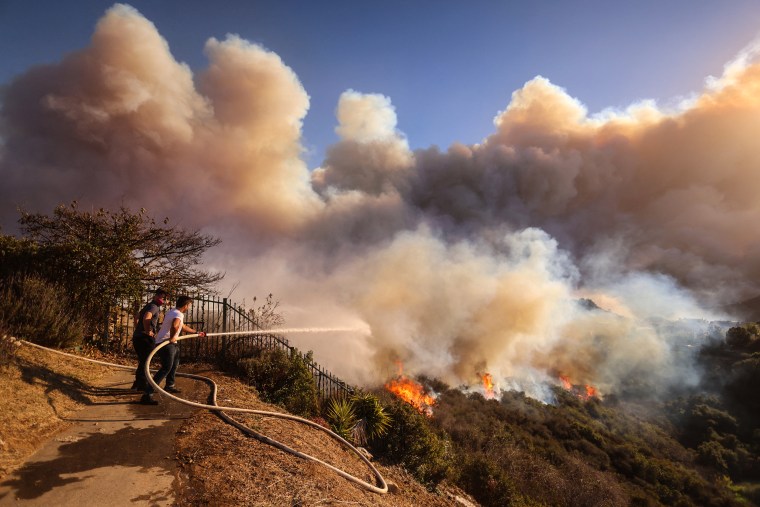
The relentless news cycle and viral images of California burning undeniably shape how potential tourists view the state. Safety becomes a primary concern, with travelers questioning the wisdom of visiting during fire season or even considering alternative destinations. Discussions on Reddit often include inquiries about air quality, evacuation routes, and the overall safety of specific regions. While parts of California may be entirely unaffected, the widespread media coverage can create a perception of generalized danger across the entire state, impacting tourism in major urban centers like Los Angeles and San Francisco, far removed from the immediate fire zones. Addressing these shifting perceptions requires proactive and transparent communication from tourism authorities, providing accurate, localized information and demonstrating robust safety measures.
Navigating Information: Reddit and Public Discourse
In the age of instant information, online platforms like Reddit play a significant, albeit often mixed, role in shaping public understanding and tourist behavior during and after wildfire events. For travelers, understanding how to navigate these conversations is crucial for making informed decisions.
How Online Communities Shape Narratives
Reddit, with its myriad subreddits dedicated to news, specific regions (r/California, r/LosAngeles), and even specific events, becomes a hub for real-time discussion about wildfires. Users share firsthand accounts, photos, and links to local news, often providing a more granular and immediate perspective than traditional media. These narratives can offer valuable insights into local conditions, community impacts, and the effectiveness of emergency responses. For potential tourists, these discussions can be a double-edged sword: they offer authentic, unfiltered perspectives but also require careful discernment to separate verified information from speculation. The collective experience shared online can quickly build a narrative around the severity and impact of fires, which, in turn, influences broader perceptions of California as a travel destination.
Disinformation vs. Ground-Truth Accounts
The open nature of platforms like Reddit also makes them susceptible to the spread of misinformation and disinformation during crises. Rumors about causes, spread of fires, or evacuation orders can proliferate rapidly, causing unnecessary panic or leading to dangerous actions. However, alongside this, there are genuine “ground-truth” accounts from residents, emergency personnel, and local experts who provide invaluable, accurate information. Identifying credible sources within these discussions is vital. Travelers seeking information should prioritize posts from verified accounts, official news sources, and cross-reference information with official channels like CAL FIRE, the National Weather Service, and local county emergency services. Relying solely on anecdotal evidence from online forums can lead to misguided travel plans or an exaggerated sense of danger or safety.
Resources for Responsible Travel Planning
For tourists planning to visit California, especially during fire season (typically summer and fall), leveraging official and reputable sources is key. Websites for the National Park Service and the U.S. Forest Service provide up-to-date information on park closures and air quality. State resources, such as the California Office of Emergency Services and local county fire departments, offer real-time alerts and evacuation information. When engaging with online communities, seek out threads that provide links to these official sources, and be wary of information that lacks verification. Responsible travel planning involves not only monitoring fire activity but also understanding local emergency protocols and having contingency plans in place.
Responding to Fire Season: Tips for Travelers
For visitors to California, especially during the peak fire season months, awareness and preparedness are key. Rather than avoiding the state entirely, travelers can adopt strategies that prioritize safety, minimize disruption, and even contribute positively to affected communities.
Monitoring Conditions and Planning Flexibly
The most critical tip for traveling during California’s fire season is to stay informed about current conditions. Before and during your trip, regularly check official sources like CAL FIRE’s incident map, the National Weather Service for red flag warnings (indicating high fire danger), and local air quality indexes. Websites like AirNow.gov provide real-time air quality data. Maintain flexibility in your travel plans, particularly if visiting areas known for their natural beauty or outdoor activities. Have backup plans for accommodations and attractions, as sudden closures or evacuation orders can arise. Consider travel insurance that covers disruptions due to natural disasters, offering peace of mind and financial protection. Being adaptable allows you to enjoy unaffected parts of the state while respecting the fluid nature of fire activity.
Supporting Affected Communities Responsibly
While wildfires bring devastation, responsible tourism can play a vital role in recovery. After a fire has passed and areas are deemed safe, consider visiting communities that were impacted, spending money at local businesses, and participating in recovery efforts if appropriate. Before traveling to a recently affected area, confirm that local infrastructure and services are operational and that your visit won’t strain emergency resources. Respect local advisories and temporary closures; these are in place for your safety and to allow communities to rebuild without added pressure. Engage with local residents, learn about their experiences, and consider donating to reputable local charities involved in fire relief and long-term recovery efforts. Your presence and spending can provide a much-needed boost to local economies striving to get back on their feet.

Understanding Evacuation Routes and Emergency Protocols
For any trip to California, especially when venturing into fire-prone regions, familiarize yourself with local emergency procedures. Know the evacuation routes for your planned destinations and accommodations. Many hotels and tourist facilities will have pre-established emergency plans, and it’s wise to review these upon arrival. Keep your phone charged, have a way to receive emergency alerts (local news, weather apps, emergency service notifications), and consider having an emergency kit in your vehicle, including water, snacks, a first-aid kit, and a map (as GPS might be unreliable in an emergency). The goal is not to live in fear, but to be prepared, enabling a safer and more enjoyable experience, even during a challenging fire season. By taking these proactive steps, tourists can continue to explore the diverse offerings of California while remaining mindful of its environmental realities.
LifeOutOfTheBox is a participant in the Amazon Services LLC Associates Program, an affiliate advertising program designed to provide a means for sites to earn advertising fees by advertising and linking to Amazon.com. Amazon, the Amazon logo, AmazonSupply, and the AmazonSupply logo are trademarks of Amazon.com, Inc. or its affiliates. As an Amazon Associate we earn affiliate commissions from qualifying purchases.