
California, a state renowned for its diverse landscapes and progressive policies, also holds some of the strictest regulations in the United States concerning the ownership and interaction with exotic animals. For residents considering an unconventional pet or visitors interested in unique animal encounters, understanding these laws is crucial. The state’s approach reflects a deep commitment to public safety, environmental protection, and animal welfare, significantly shaping the lifestyle choices available to its populace and the experiences of its tourists. Navigating the intricate web of state and federal statutes reveals a nuanced picture where outright prohibition is often the default, with specific exceptions granted under rigorous conditions.
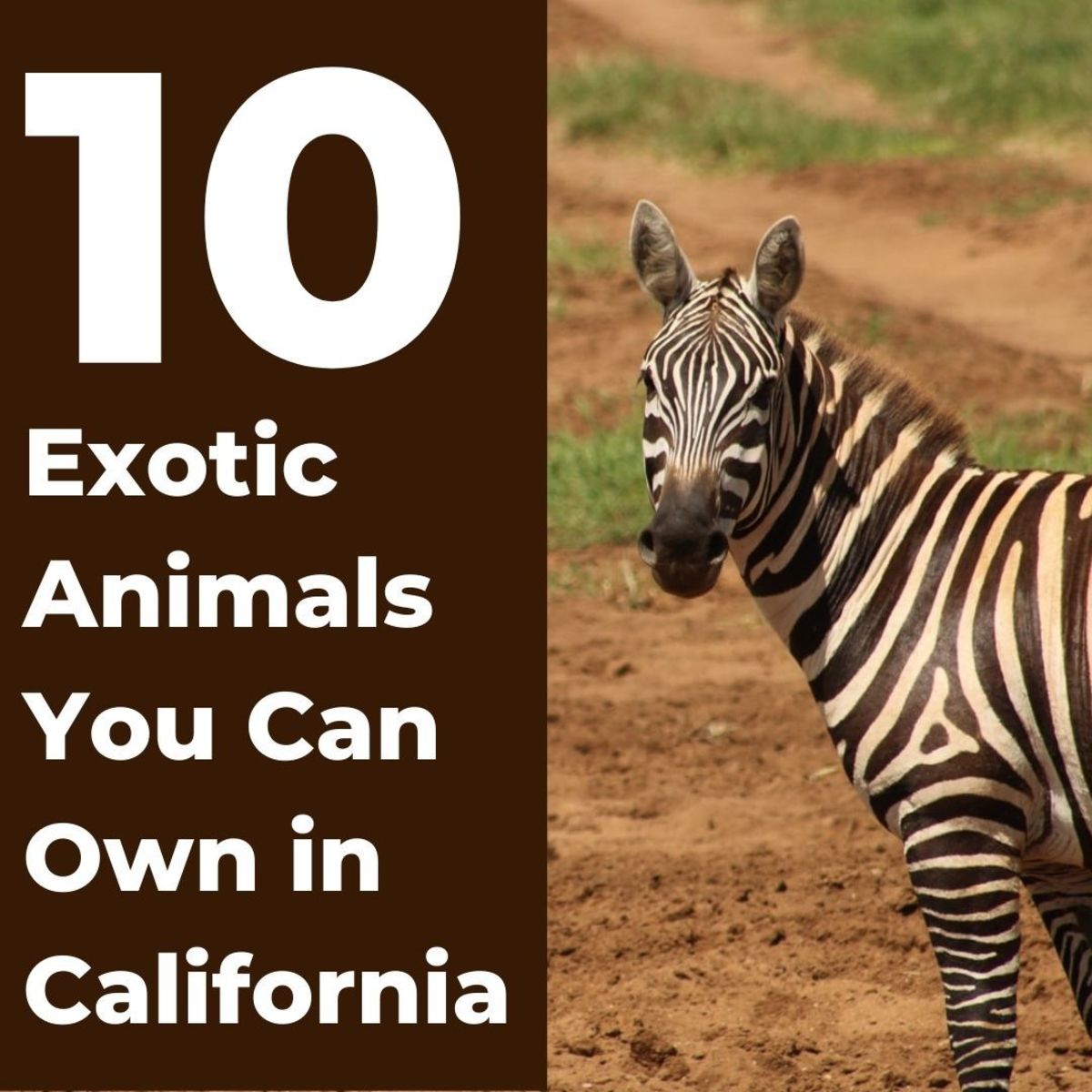
California’s Stance on Exotic Animal Ownership: A General Overview
The California Department of Fish and Wildlife (CDFW) oversees the complex regulations governing exotic animal ownership. Unlike some states with more lenient exotic pet laws, California operates on a “restricted species” list, which essentially prohibits the possession of any animal not explicitly listed as legal without a special permit. This proactive approach aims to prevent potential dangers to humans, safeguard native ecosystems from invasive species, and ensure the humane treatment of animals that may not thrive in typical household environments.
The Rationale Behind Strict Regulations
The strict regulations stem from several key concerns. Firstly, many exotic animals pose inherent public safety risks. Predators like lions, tigers, and bears, even if raised from birth, retain their wild instincts and can inflict severe injury or death. Venomous snakes, large constrictors, and certain primates also fall into this category. The escape of such animals poses an immediate threat to communities.
Secondly, exotic animals can have devastating impacts on California’s delicate native ecosystems. Non-native species, if released or escaped, can outcompete native wildlife for resources, spread diseases, or even become invasive predators, leading to population declines or extinctions of indigenous species. The state has invested heavily in conservation efforts, and preventing the introduction of harmful non-native species is a cornerstone of this work.
Finally, the welfare of the animals themselves is a significant consideration. Many exotic species have complex needs regarding diet, habitat, social interaction, and environmental enrichment that are exceedingly difficult, if not impossible, to meet in a typical home setting. Overcrowding, improper nutrition, and lack of veterinary care specific to exotic species are common issues, leading to suffering and premature death. California’s laws aim to prevent such scenarios by restricting ownership to entities demonstrably capable of providing specialized care.
General Prohibitions and the “Restricted Species” List
The list of prohibited animals is extensive and covers most species people commonly associate with “exotic pets.” This includes all non-domesticated felines (e.g., lions, tigers, bobcats, servals), canines (e.g., wolves, coyotes, foxes), bears, primates (e.g., monkeys, chimpanzees, lemurs), venomous reptiles (e.g., cobras, rattlesnakes), large constrictor snakes (e.g., pythons, anacondas over a certain size), crocodilians (e.g., alligators, crocodiles), and many species of exotic birds and amphibians. Even hybrid animals, such as wolf-dogs or savannah cats, are often subject to the same restrictions as their wild progenitors.
The California Fish and Game Code details these prohibitions, making it clear that possession, importation, or transportation of these species without a valid permit is a criminal offense, often carrying significant fines and potential jail time. This firm stance defines a lifestyle in California where owning a wild animal as a pet is simply not an option for the vast majority of residents.
Understanding Legal Exotic Animals and Exceptions
While the list of prohibited animals is vast, there are certain exotic species that may be legally owned in California, often with specific conditions or permits. These exceptions are typically made for animals that pose minimal threat to public safety and native ecosystems, or for institutions with specialized capabilities.
Animals That May Be Permitted (With Caveats)
Some examples of exotic animals that are generally considered legal without special permits (though local ordinances may vary) include:
- Most domestic animals: This includes dogs, cats, rabbits, hamsters, guinea pigs, and most common pet birds like parakeets and cockatiels.
- Small rodents: Mice, rats, gerbils, and chinchillas are typically allowed.
- Certain reptiles and amphibians: Non-venomous, non-large constrictor snakes (e.g., ball pythons under 8 feet), bearded dragons, leopard geckos, common turtles, and various frogs are generally legal. However, some species, like African Clawed Frogs, are restricted due to their invasive potential.
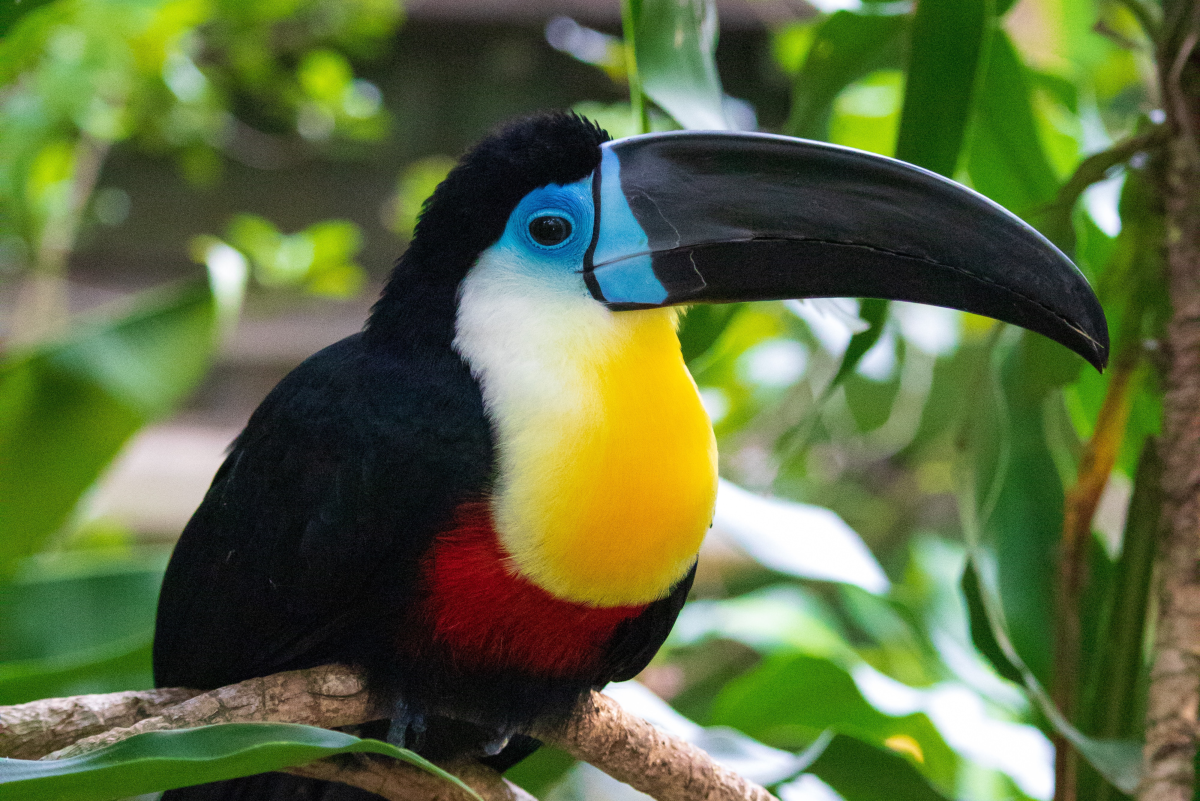
- Specific exotic birds: While many exotic birds are restricted, species like finches, canaries, and some non-native parrots are often permissible.
- Invertebrates: Many insects (e.g., tarantulas, scorpions, pet roaches) are legal, though species like the African Giant Land Snail are prohibited due to agricultural pest concerns.
It is always advisable for residents to verify legality with the CDFW and local animal control agencies before acquiring any exotic animal, as specific regulations can be complex and subject to change. The intent of these allowances is to permit pet ownership that aligns with a responsible and safe lifestyle for both the owner and the broader community.
The Role of Permits and Licenses
For the vast majority of prohibited exotic animals, the only way to legally possess them in California is through a special permit issued by the CDFW. These permits are not granted for private pet ownership but are reserved for specific, highly regulated purposes, primarily for:
- Zoological Institutions: Accredited zoos and wildlife parks, such as the renowned San Diego Zoo, Oakland Zoo, or Los Angeles Zoo, obtain permits to house a wide array of exotic species for conservation, education, and public display. They must meet stringent standards set by the Association of Zoos and Aquariums (AZA) and various federal and state agencies, including the Animal Welfare Act and Endangered Species Act.
- Wildlife Sanctuaries and Rescue Organizations: Organizations dedicated to rescuing and rehabilitating injured or illegally owned exotic animals may receive permits. These facilities provide lifelong care for animals that cannot be released back into the wild.
- Scientific and Educational Institutions: Universities and research facilities may obtain permits for specific species for study or educational programs, under strict containment and welfare protocols.
- Entertainment Industry: Animals used in film, television, or theatrical productions may be permitted, but their use is highly regulated, requiring specific permits for each animal and rigorous safety measures.
The application process for these permits is extensive, requiring detailed plans for housing, feeding, veterinary care, security, and emergency protocols. Only individuals or organizations with demonstrated expertise and resources are considered, ensuring that any permitted exotic animal is managed in a way that minimizes risk and maximizes welfare. This permit system creates a distinct boundary between the private lifestyle of pet ownership and the specialized, highly regulated lifestyle of professional animal management.
Exotic Animal Encounters in California: Zoos, Sanctuaries, and Educational Facilities
For those whose lifestyle includes an appreciation for exotic animals, but who understand the legal and ethical boundaries of ownership, California offers numerous opportunities for responsible interaction and viewing. These institutions serve as vital educational resources and conservation hubs, allowing the public to connect with wildlife from around the globe without compromising safety or welfare.
Accredited Institutions and Public Access
California is home to several world-class zoos and aquariums, all operating under strict state and federal permits. Institutions like the San Diego Zoo, the Oakland Zoo, and the Los Angeles Zoo are not merely entertainment venues but active participants in global conservation efforts, breeding programs for endangered species, and scientific research. They provide meticulously designed habitats, expert veterinary care, and educational programs that inform visitors about biodiversity and conservation challenges. Visiting these facilities allows for a legal and ethical way to observe and learn about exotic animals, fostering a lifestyle of appreciation for nature.
Beyond traditional zoos, California also hosts a network of reputable wildlife sanctuaries and rescue centers. These organizations often provide homes for animals that have been seized from illegal operations or retired from the entertainment industry. They typically offer tours and educational experiences, providing a more intimate look at the lives of rescued exotic animals. When choosing a facility to visit, it’s essential to ensure it is genuinely accredited and focuses on animal welfare and conservation, rather than exploitative practices.
Ethical Considerations for Interaction
While these facilities provide public access, the nature of interaction is carefully managed. Direct contact with dangerous or sensitive exotic animals is almost always restricted to trained professionals. Visitors typically observe animals from safe distances, through secure enclosures. Some facilities may offer supervised “animal encounters” with certain non-dangerous species, often as part of an educational program. These interactions are carefully designed to minimize stress on the animals and ensure visitor safety.
For residents and visitors alike, embracing a lifestyle that respects wildlife means supporting institutions that prioritize animal welfare, conservation, and education. It means understanding that true appreciation for exotic animals comes from observing them in well-managed environments, rather than attempting to keep them as pets, which is largely illegal and often detrimental to the animals’ well-being.
The Impact on Residents and Visitors: A Lifestyle Perspective
The stringent laws surrounding exotic animals in California profoundly influence the lifestyle choices and experiences within the state. They underscore a collective societal value placed on responsible animal stewardship and environmental protection.
Pet Ownership as a Lifestyle Choice
For California residents, the legal framework clearly defines the boundaries of pet ownership. The desire for an exotic pet, while common in some other regions, is largely unsupported by state law, redirecting potential owners towards domesticated species or exotic animals with proven safety and welfare records. This shapes a lifestyle where the default is responsible pet ownership, prioritizing animal well-being and public safety over the novelty of a wild animal. Those seeking to integrate an animal into their family must understand and adhere to these regulations, fostering a culture of informed and compliant pet keeping. The focus shifts from owning the “rarest” animal to providing the best possible care for legal, suitable companions.
Experiencing Wildlife Responsibly
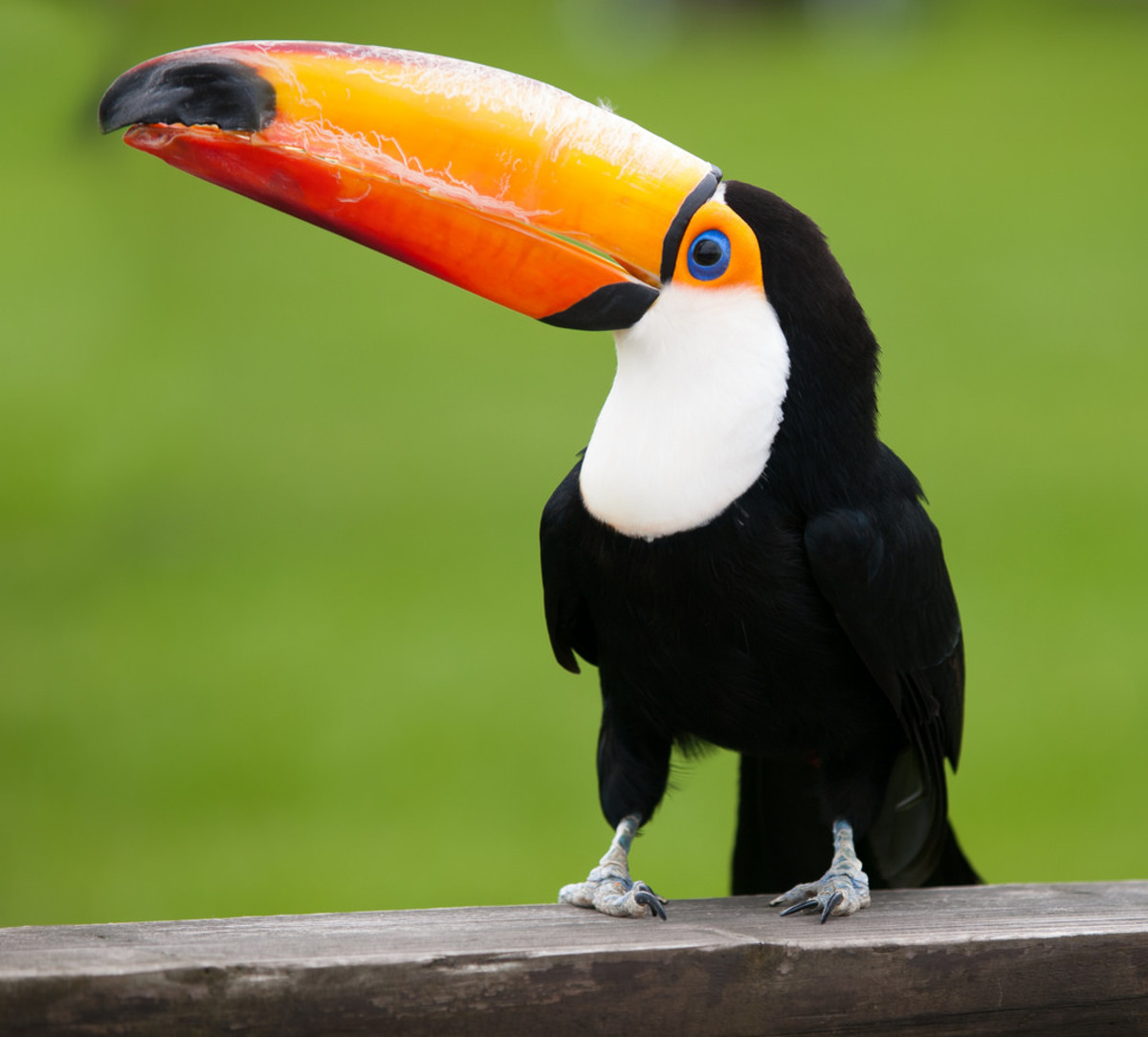
For visitors, the regulations mean that casual, unregulated interaction with exotic animals is virtually non-existent. Instead, their lifestyle experience in California involving these creatures is channeled through professional, ethical institutions. This ensures that wildlife tourism contributes to conservation and education rather than exploitation. Whether one is exploring the diverse ecosystems of California’s national parks, encountering rescued animals at a sanctuary, or marveling at global species in an accredited zoo, the overarching theme is one of respect for wildlife and adherence to robust legal frameworks. This approach allows both residents and visitors to enjoy and learn about exotic animals in a manner that aligns with California’s progressive values, ensuring a harmonious balance between human fascination and animal welfare.
LifeOutOfTheBox is a participant in the Amazon Services LLC Associates Program, an affiliate advertising program designed to provide a means for sites to earn advertising fees by advertising and linking to Amazon.com. Amazon, the Amazon logo, AmazonSupply, and the AmazonSupply logo are trademarks of Amazon.com, Inc. or its affiliates. As an Amazon Associate we earn affiliate commissions from qualifying purchases.