
Understanding the legal landscape of any destination is a crucial aspect of responsible living and thoughtful travel, significantly impacting one’s lifestyle choices. For those planning a visit, considering a relocation, or simply navigating daily life within California, knowing the specific laws governing personal interactions, especially concerning minors, is paramount. One such fundamental legal concept is the age of consent, which defines the age at which an individual is legally considered capable of consenting to sexual activity. This guide delves into California’s age of consent laws, exploring their nuances and broader implications for personal safety, relationships, and responsible conduct within the state.
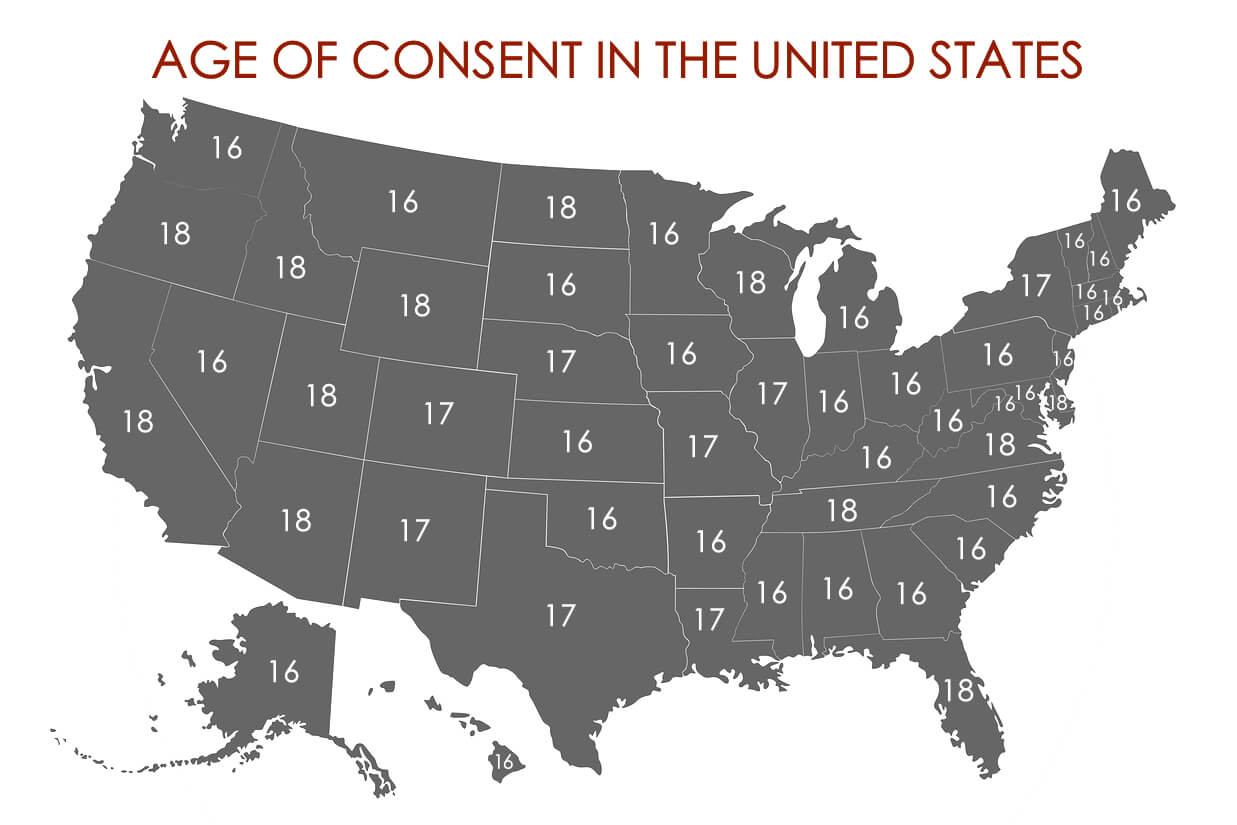
Understanding the Legal Framework in California
California’s age of consent is a critical component of its legal system, designed to protect minors from exploitation and ensure that all individuals involved in sexual activity are capable of giving informed consent. The law is explicit and carries significant weight, impacting how individuals interact and form relationships within the state.
The Standard Age of Consent
In California, the general age of consent is 18 years old. This means that any sexual activity with a person under the age of 18 is considered unlawful, regardless of whether the minor seemingly “consented” or not. The law prioritizes the protection of minors, recognizing that individuals below this age may not fully possess the maturity or understanding to make such significant decisions, or may be susceptible to coercion. This standard is consistent across many parts of the United States, reflecting a societal consensus on youth protection.
Exceptions and Nuances: Romeo and Juliet Laws
While the age of 18 is the standard, California also incorporates what are commonly referred to as “Romeo and Juliet” laws. These provisions acknowledge that relationships can naturally occur between individuals close in age, even if one is slightly below the general age of consent. Specifically, California law includes an exception where the older participant is no more than three years older than the minor.
- Age Differential Exception: Under California Penal Code Section 261.5, if the perpetrator is no more than three years older than the victim, and the victim is 14 or 15 years old, the offense may be charged as a misdemeanor rather than a felony. This exception does not apply if the minor is under 14, or if the age difference exceeds three years, in which case felony charges would typically apply.
- Purpose: These exceptions are not meant to condone underage sexual activity but rather to differentiate between cases involving significant age gaps and power imbalances, and those where the individuals are near peers. It’s a nuanced attempt to apply justice thoughtfully, though the underlying principle of protecting minors remains paramount.
It is crucial to understand that even with these exceptions, any sexual activity with a minor is still illegal and can lead to legal consequences, even if charged as a misdemeanor. The primary takeaway for anyone living in or visiting California should always be that individuals under 18 cannot legally consent.
Implications for Relationships and Personal Safety
Understanding California’s age of consent laws extends beyond mere legal compliance; it’s fundamental for fostering healthy relationships and ensuring personal safety within the state’s diverse communities, from the bustling streets of Los Angeles to the serene landscapes of Northern California.
Navigating Relationships Responsibly
For young adults and adults alike, these laws dictate the boundaries of acceptable romantic or sexual relationships. Ignorance of the law is not a defense, and individuals can face severe legal repercussions, including imprisonment and registration as a sex offender, if they engage in sexual activity with someone under 18, regardless of their own perception of consent. This highlights the importance of open communication and ensuring clarity about age in any developing relationship. It promotes a lifestyle where respect for legal boundaries is prioritized over assumptions.
Protecting Minors and Vulnerable Populations
The age of consent laws serve as a vital protective measure for minors. They acknowledge that young people may not have the life experience, emotional maturity, or understanding of potential risks associated with sexual activity. By setting a clear legal threshold, California aims to safeguard its youth from exploitation, abuse, and situations where they might be pressured or manipulated. This legal framework is a cornerstone of child protection efforts, and understanding it is part of being a responsible citizen or visitor in the state. For parents, understanding these laws is crucial in guiding their children and ensuring their safety in a world where online interactions can blur geographical and age boundaries.
Special Considerations for Travelers and Residents
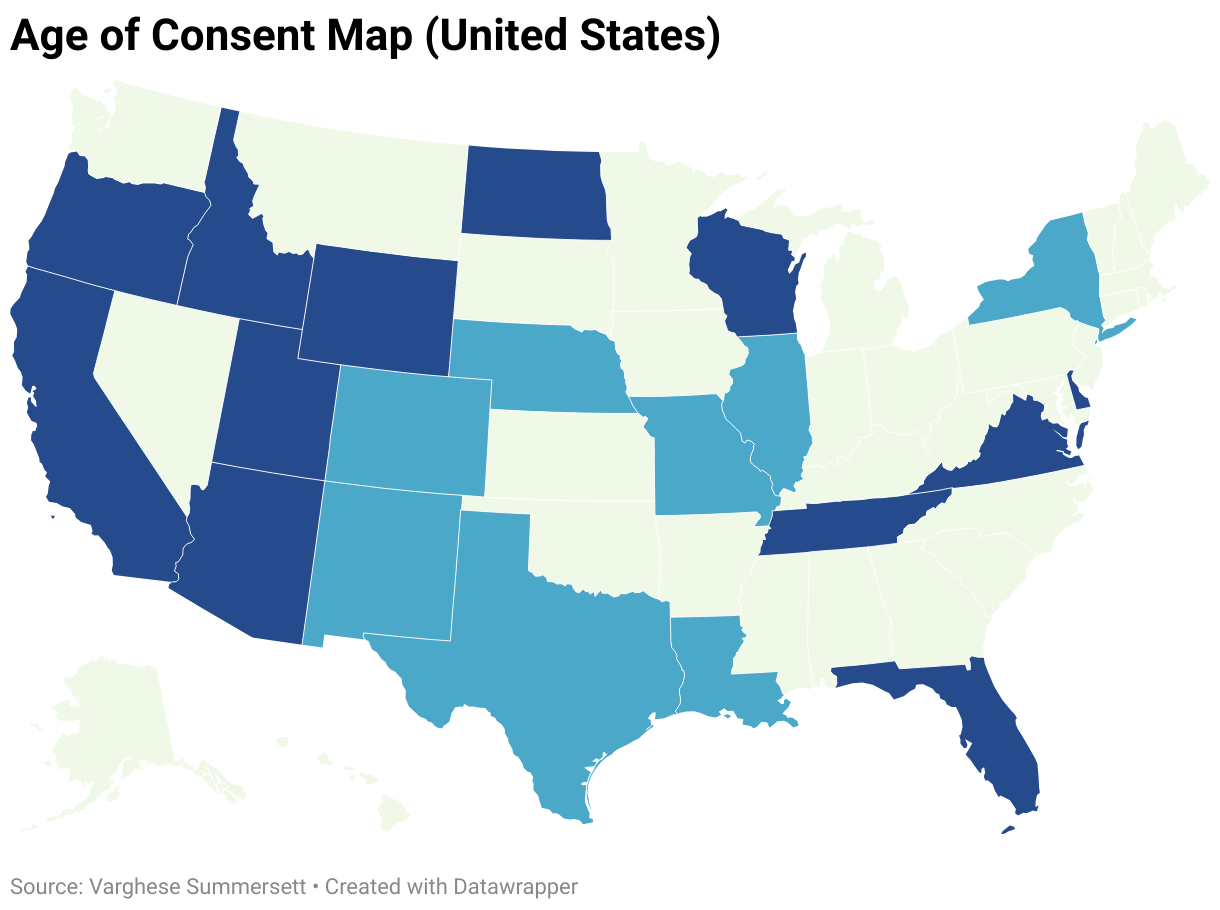
Whether you are a long-term resident of California or just passing through as a tourist exploring destinations like San Francisco or San Diego, the age of consent laws apply universally within the state’s jurisdiction. This has specific implications for your lifestyle and interactions.
For Visitors and Tourists
Travelers from other states or countries might encounter different age of consent laws in their home jurisdictions. It is imperative to remember that when in California, you are subject to California law. This means adhering to the 18-year-old age of consent, regardless of what the law might be in your place of origin. For instance, if you’re from a country where the age of consent is lower, those laws do not apply once you step foot in California. Failure to comply can lead to serious legal consequences, disrupting your travel plans and potentially leading to significant legal battles far from home. A responsible travel lifestyle includes familiarizing oneself with local laws and customs.
For New Residents and Those Considering Relocation
For individuals and families considering making California their home, understanding these fundamental laws is part of integrating into the community. It influences everything from how schools handle relationships among students to public awareness campaigns about youth protection. New residents should ensure they are fully informed about all local laws, especially those pertaining to interactions with minors, to avoid unintentional legal pitfalls. This includes not only direct sexual activity but also broader concepts like child endangerment, which can arise from situations where a minor is exposed to harm due to an adult’s negligence or inappropriate behavior.
Parental Guidance and Youth Empowerment
The age of consent laws also play a crucial role in shaping parental guidance and youth empowerment strategies within California families and communities. It’s about more than just legal compliance; it’s about fostering a culture of safety, respect, and informed decision-making.
Open Communication Within Families
Parents residing in or traveling to California are encouraged to have open and honest conversations with their children about the age of consent, healthy relationships, boundaries, and personal safety. Educating children about these laws empowers them to understand their rights and responsibilities, and to recognize situations that might be legally or personally harmful. It also equips them with the knowledge to seek help if they or someone they know is in a compromising situation. This proactive approach is a cornerstone of a responsible family lifestyle, particularly in the digital age where interactions are increasingly complex.
Educational Initiatives
California’s schools and community organizations often implement educational programs that address sexual health, consent, and legal boundaries. These initiatives aim to inform young people about the law, promote healthy relationships, and provide resources for reporting abuse or inappropriate behavior. Such programs underscore the state’s commitment to youth well-being and complement the legal framework by fostering a supportive and knowledgeable environment for minors. Engaging with these resources can be an important part of a family’s lifestyle in California.
Promoting Responsible Conduct and Awareness
Ultimately, the age of consent laws in California are about promoting responsible conduct and raising awareness across all segments of the population. They reflect societal values concerning the protection of children and the importance of genuine, informed consent in all relationships.
The Importance of Due Diligence
For anyone engaging in new relationships, particularly when age might be a factor, exercising due diligence is not just a legal recommendation but a lifestyle imperative. Verifying age, understanding social cues, and respecting personal boundaries are all crucial steps. If there is any doubt about a person’s age or ability to consent, it is always advisable to err on the side of caution and avoid any actions that could be misinterpreted or violate the law. This cautious approach helps prevent misunderstandings and protects everyone involved.

Contributing to a Safer Community
By understanding and adhering to the age of consent laws, individuals contribute to creating a safer and more respectful community environment. This adherence helps prevent exploitation, supports victims, and reinforces the legal and ethical standards that protect the most vulnerable members of society. Whether you are enjoying the vibrant nightlife in Hollywood, exploring the natural beauty of Yosemite National Park, or simply living your daily life in California, being informed about these laws is a fundamental aspect of responsible living and a commitment to the well-being of all. It forms part of the ethos of a thoughtful and aware lifestyle that values safety and justice for everyone.
LifeOutOfTheBox is a participant in the Amazon Services LLC Associates Program, an affiliate advertising program designed to provide a means for sites to earn advertising fees by advertising and linking to Amazon.com. Amazon, the Amazon logo, AmazonSupply, and the AmazonSupply logo are trademarks of Amazon.com, Inc. or its affiliates. As an Amazon Associate we earn affiliate commissions from qualifying purchases.