

The Mandated Accommodation: Understanding the 5250 Hold
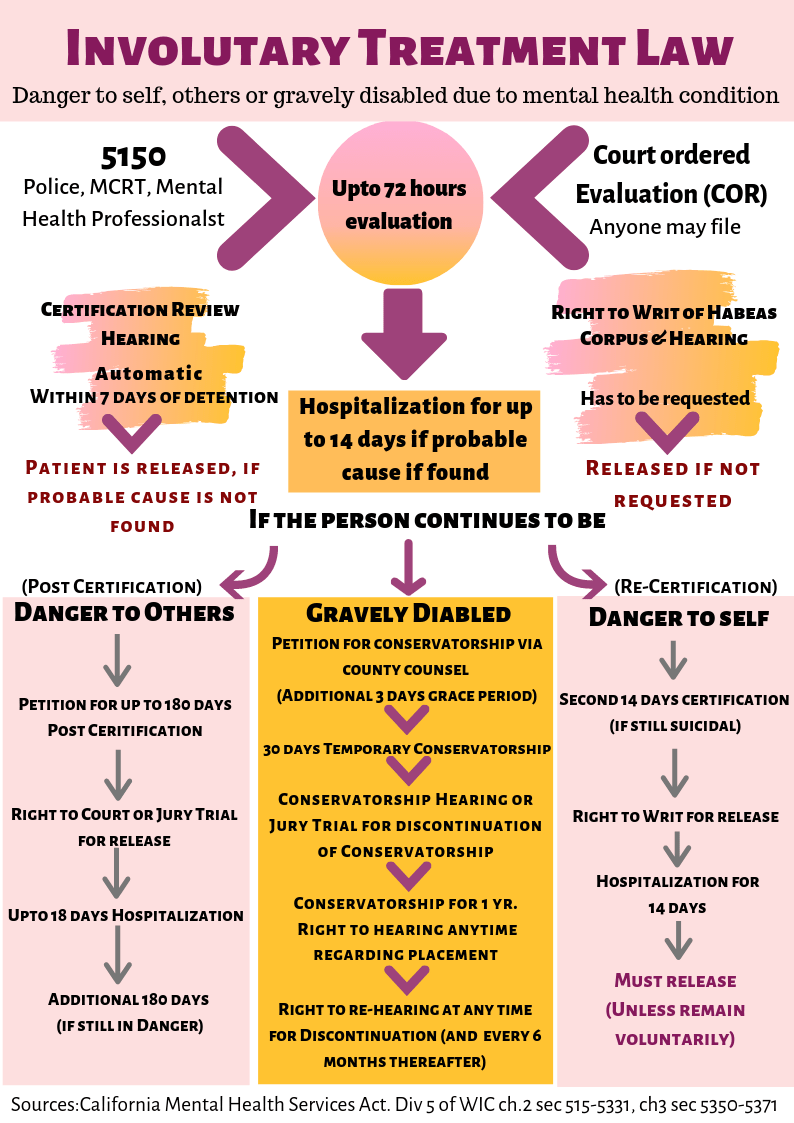
A 5250 hold in California signifies an involuntary, 14-day psychiatric detention under the Lanterman-Petris-Short (LPS) Act. This critical intervention is initiated when an individual is assessed as a danger to themselves, others, or gravely disabled due to a mental disorder. From an accommodation standpoint, this represents an abrupt and mandatory relocation. The individual is transferred from their current living situation – be it a private residence, temporary lodging, or homelessness – to a secure, licensed psychiatric inpatient facility. This is not a choice or a booking; it’s a therapeutic placement prioritizing acute stabilization, continuous observation, and immediate medical and psychiatric intervention. The facility becomes the individual’s sole form of accommodation, fundamentally differing from any conventional residential or hospitality setting.
Characteristics of Involuntary Stay
Accommodation during a 5250 hold is highly structured and regulated. Individuals reside in secured units, with autonomy over movement restricted. Rooms are often semi-private or communal, furnished functionally for safety, designed to prevent self-harm, and minimalist. Personal belongings may be limited, and communication with external contacts is managed. Meals are provided communally, and daily routines are scheduled, centering on therapy, group sessions, and medication. While restrictive, this environment provides a safe, therapeutic space for individuals to regain stability away from external pressures. The “stay” prioritizes specialized clinical care and crisis resolution, acting as a critical, temporary form of shelter.
Patient Rights in a Clinical Accommodation
Despite the involuntary nature, individuals under a 5250 hold retain specific rights regarding their accommodation and care: humane treatment, communication with loved ones (within guidelines), and informed consent for treatment (barring emergencies or conservatorship). Facilities adhere to stringent California state regulations for a safe, therapeutic environment, covering cleanliness, nutrition, staffing, and patient interactions. The 14-day duration provides an extended period for comprehensive psychiatric evaluation, treatment, and discharge plan development. The objective is to lay a foundation for recovery, preparing for a secure transition to a less restrictive living arrangement.
Navigating the Transition from Mandated Accommodation
The conclusion of a 5250 hold initiates a vital transition concerning an individual’s living situation. As the 14-day period ends, the clinical team meticulously assesses the individual’s mental state and risk factors. If hold criteria are no longer met, discharge is mandated. This pivotal moment signifies a sharp shift from a highly supervised, structured accommodation to community living. Successful transition relies heavily on comprehensive pre-discharge planning, specifically addressing immediate and ongoing accommodation needs. It’s about securing a safe, stable, and supportive environment essential for sustained recovery.
Discharge Planning for Future Living
Effective discharge planning is paramount for a smooth, safe transition from involuntary accommodation. Before release, social workers and case managers collaborate with the individual (and often their support network) to identify appropriate post-discharge living arrangements. These range from returning to a stable prior residence to exploring new housing solutions like short-term residential programs, sober living, supportive housing, or temporary shelters. The plan also details follow-up appointments, medication access, and community resource connections. The goal: prevent crisis recurrence by ensuring continuity of care and stable living conditions, mitigating re-hospitalization risks. This planning phase views discharge as a critical hand-off to the next accommodation journey.
Securing Post-Hold Housing and Support
The period immediately following a 5250 hold often presents significant challenges in securing stable housing and adequate support. Individuals may have lost previous accommodation due to the crisis, or their former living situation might be unsuitable for ongoing recovery. Navigating complex public and private housing assistance programs, especially in high-cost regions within California, can be overwhelming. Support services are crucial, connecting individuals with housing navigators, rental assistance, and mental health agencies offering case management focused on housing stability. For those with limited resources, crisis residential facilities or transitional housing programs provide a structured, supportive environment, acting as a step-down accommodation. Securing appropriate housing is often as critical to recovery as the clinical treatment received during the hold.
Long-Term Accommodation and Reintegration Pathways
The 5250 hold experience can have profound, long-term implications for an individual’s accommodation and overall quality of life. While immediate efforts focus on stabilization and discharge, the broader objective is sustainable reintegration into the community, often necessitating a re-evaluation of living arrangements, support networks, and daily routines. The aim is to transition from merely surviving to thriving within a stable and personally fulfilling residential environment.
Sustainable Housing Support Systems
Securing and maintaining stable housing is a foundational element of long-term mental health recovery. Various organizations and government programs across California assist individuals with mental health conditions in finding and retaining appropriate accommodation. These include permanent supportive housing programs (combining affordable housing with voluntary services) and targeted rental subsidies for individuals with disabilities. For those transitioning from inpatient care, access to these programs significantly influences sustained recovery and mitigates instability cycles. The focus shifts from temporary crisis accommodation to empowering sustainable, independent living arrangements that foster well-being and community integration, often involving complex application processes and eligibility understanding.
Empowering Independent Living
Ultimately, the aspiration following a 5250 hold is to empower individuals to achieve the highest possible level of independent living within stable and supportive accommodation. This may encompass vocational training for employment (fostering financial independence for housing) and developing essential life skills for managing a household, budgeting, and nurturing relationships. For some, independent living means their own apartment; for others, it involves shared living with peers or family in a supportive environment. The recovery journey is highly individualized, and “stable accommodation” evolves with progress. The mental health system strives to provide a continuum of care beyond the immediate crisis, supporting individuals in building lives that include safe, secure, meaningful places to call home, ensuring the involuntary stay serves as a stepping stone.
LifeOutOfTheBox is a participant in the Amazon Services LLC Associates Program, an affiliate advertising program designed to provide a means for sites to earn advertising fees by advertising and linking to Amazon.com. Amazon, the Amazon logo, AmazonSupply, and the AmazonSupply logo are trademarks of Amazon.com, Inc. or its affiliates. As an Amazon Associate we earn affiliate commissions from qualifying purchases.