
The California sushi roll stands as a culinary bridge, a beloved staple that introduced many in the Western world to the delights of Japanese cuisine. Far from its traditional origins in Japan, this iconic roll is a testament to culinary adaptation and creativity, embodying a fusion that has carved its own significant niche in global gastronomy. For visitors exploring the vibrant food scene, understanding the California roll is not just about its ingredients but appreciating its role in local American culture and its broad appeal. It represents an accessible entry point for those new to sushi, making it a cornerstone of culinary tourism in California and beyond.

The Genesis of an American Icon
The California roll’s story is one of innovation driven by a desire to make sushi more palatable and approachable for a Western audience. Born in the bustling culinary landscape of North America, its creation is often credited to chefs in Los Angeles or Vancouver in the late 1960s or early 1970s. This period saw a burgeoning interest in international cuisines, yet raw fish, a cornerstone of traditional sushi, was a significant hurdle for many diners. The ingenuity behind the California roll lay in its ability to circumvent this apprehension while retaining the essence of a fresh, flavorful sushi experience.
Origins and Innovation
The prevailing narrative attributes the invention to Ichiro Mashita, a chef at Tokyo Kaikan in Los Angeles. Faced with diners reluctant to eat raw tuna and a seasonal scarcity of fresh fish, Mashita ingeniously substituted tuna with cooked crab meat and added avocado for its rich, buttery texture. Crucially, he pioneered the “uramaki” style, or inside-out roll, tucking the nori (seaweed) on the inside. This subtle change dramatically altered the roll’s appearance, making it less intimidating by concealing the dark seaweed that many first-time sushi eaters found off-putting. The incorporation of familiar ingredients like avocado and cucumber, combined with the mild, cooked crab, created a flavor profile that resonated with a broader palate. This innovation wasn’t just a culinary tweak; it was a cultural bridge that fundamentally reshaped sushi’s presence outside of Japan.
Key Ingredients: A Breakdown
At its core, the California roll is defined by a specific set of ingredients, each contributing to its balanced flavor and appealing texture:
- Sushi Rice: The foundation, seasoned with rice vinegar, sugar, and salt, providing a slightly sweet and tangy base.
- Nori (Seaweed): Although hidden, the dried seaweed sheet provides a subtle umami flavor and structural integrity.
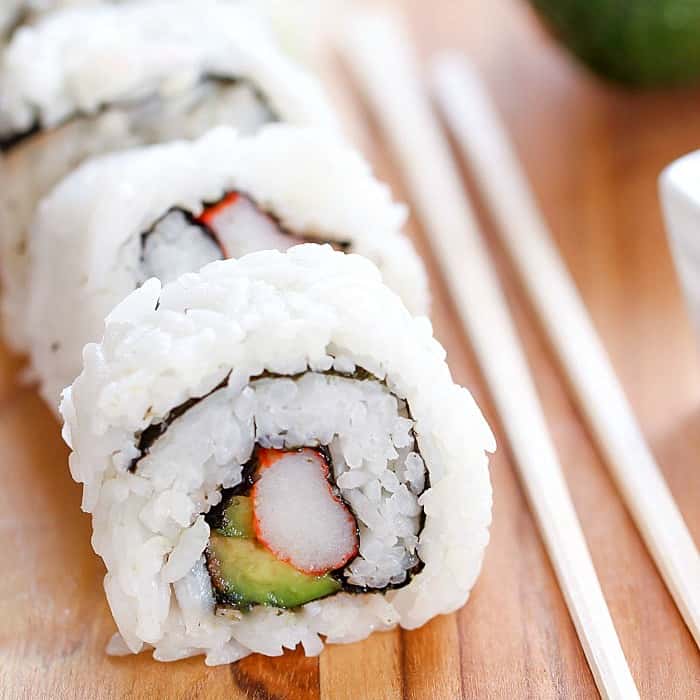
- Avocado: Creamy and smooth, adding a rich, almost buttery texture and a mild, earthy flavor.
- Cucumber: Crisp and refreshing, offering a textural contrast and a clean, fresh taste.
- Crab Meat (Real or Imitation): The protein core. Often, imitation crab, known as kani, is used for its sweet, mild flavor and accessible cost, though authentic crab meat elevates the roll significantly.
- Toasted Sesame Seeds: Sprinkled on the outside, they add a nutty flavor and a pleasing visual and textural element.
These ingredients combine to create a symphony of textures and tastes: the chewiness of the rice, the creaminess of avocado, the crunch of cucumber, the sweetness of crab, and the subtle nuttiness of sesame. This thoughtful combination is precisely why the California roll remains a go-to for many.
Deconstructing the Roll: A Culinary Anatomy
To truly appreciate the California roll, one must examine each component and its contribution to the overall experience. This detailed look reveals the genius behind its simplicity and enduring popularity among both locals and visitors. The unique construction method, combined with its carefully chosen fillings, crafts a distinct flavor and texture profile that sets it apart.
Nori on the Inside: The Uramaki Revolution
The most distinguishing feature of the California roll is its “inside-out” construction, known as uramaki. Instead of the traditional method where nori wraps the rice and fillings, here the rice forms the outermost layer, often dusted with sesame seeds or tobiko (flying fish roe). The nori sheet is positioned between the rice and the fillings. This structural decision was pivotal. It addressed the visual aversion many Western diners had to black seaweed, making the roll appear more palatable and familiar. Functionally, it also allows the rice to absorb flavors more readily and presents a softer initial bite, as the rice gives way before the slight chewiness of the nori. This simple inversion was a masterstroke in cross-cultural culinary design.
The Creamy Avocado and Crunchy Cucumber
The interplay between avocado and cucumber is central to the California roll’s appeal. Avocado, particularly the buttery Hass variety abundant in California, provides a lush, smooth texture that complements the stickiness of the rice. Its mild, almost nutty flavor acts as a perfect foil to the other ingredients, adding richness without overpowering. Cucumber, on the other hand, introduces a vital element of crispness and a refreshing, clean taste. Typically cut into thin, uniform sticks, it provides a textural counterpoint to the soft rice and creamy avocado, ensuring each bite offers a dynamic sensory experience. Together, these two vegetables ensure the roll feels fresh and vibrant.
The Sweet and Savory Kani or Real Crab
The protein component is arguably the most critical for defining the roll’s character. While some establishments use authentic crab meat, which offers a delicate sweetness and flaky texture, imitation crab, or kani, is more commonly found. Kani is typically made from surimi, a paste made from white fish such as pollock, flavored and shaped to resemble crab legs. It possesses a slightly sweet, mild, and distinctly savory flavor, along with a firm, slightly chewy texture. Its cooked nature and subtle taste were key to making the California roll approachable for those hesitant about raw seafood. The choice between real crab and kani significantly impacts the cost and gourmet level of the roll, but both options maintain the essence of its balanced profile.

Sticky Rice and Toasted Sesame
The sushi rice itself is paramount. It must be perfectly cooked and seasoned – sticky enough to hold its shape, yet individual grains should be discernible. The subtle sweetness and tang from the vinegar seasoning provide a crucial background flavor that brightens the other ingredients. Finally, the toasted sesame seeds, often sprinkled liberally on the outer rice layer, are more than just a garnish. They add a delightful crunch and a distinct nutty aroma and flavor, enhancing the overall sensory experience and providing visual appeal that makes the roll instantly recognizable.
Beyond the Basics: Variations and California Roll’s Impact
The success of the original California roll spawned a wave of creativity, leading to countless variations and cementing its status as a global culinary phenomenon. Its basic framework proved highly adaptable, encouraging chefs to experiment while keeping its core appeal intact. For culinary tourists, exploring these variations offers a deeper dive into local interpretations and preferences.
Regional Interpretations and Creative Twists
While the classic combination of crab, avocado, and cucumber remains the standard, many restaurants introduce their own spin. Some might add a dollop of spicy mayonnaise for a “Spicy California Roll,” while others incorporate cream cheese for added richness, or even replace the crab with shrimp tempura for a “Shrimp Tempura California Roll.” The outer layer, typically sesame seeds, can be replaced with masago (capelin roe) or tobiko for a burst of color and a subtly briny pop. These variations, while departing from the original, speak to the California roll’s versatility and its role as a canvas for new ideas in sushi. Exploring these regional or chef-specific twists can be a highlight for visitors seeking unique dining experiences.
Pairing and Presentation
The California roll is typically served with traditional sushi accompaniments: pickled ginger (gari) to cleanse the palate, wasabi for a touch of heat, and soy sauce for dipping. Its presentation is often simple yet elegant, highlighting the vibrant colors of the ingredients. The neat, bite-sized pieces make it ideal for sharing or as part of a larger sushi platter. Its mild flavor profile also makes it incredibly versatile for pairing with a range of beverages, from crisp sake and light beers to white wines, further enhancing its appeal in various dining settings. This ease of pairing contributes to its ubiquity in diverse culinary establishments, from casual eateries to upscale restaurants.
A Gateway to Sushi Culture
More than just a dish, the California roll has been a crucial “gateway sushi” for millions. Its non-intimidating ingredients and familiar flavor profile have demystified sushi, encouraging adventurous eaters to explore more traditional and complex rolls. It played a significant role in popularizing sushi in the West, paving the way for the broader acceptance of raw fish dishes. For someone on a culinary journey, starting with a California roll is often the first step towards appreciating the intricate artistry and diverse flavors of Japanese cuisine.
The California Roll’s Place in Tourism and Local Culture
For visitors to California or any city with a vibrant sushi scene, the California roll isn’t just an item on a menu; it’s a cultural touchstone. It represents a story of adaptation, innovation, and the successful blending of culinary traditions. Its ubiquity means it’s accessible almost anywhere, making it a reliable and enjoyable choice for those exploring local foodways.
A Must-Try for Visitors
No culinary tour of a major American city, especially one with a strong Asian influence, is complete without sampling a California roll. It offers insight into how global cuisines evolve and assimilate into local cultures. Tourists can find authentic, artisanal versions in dedicated sushi restaurants or enjoy more casual iterations in cafes and grocery stores. Its consistent presence across diverse dining establishments highlights its deep integration into everyday American eating habits. Trying a California roll is a direct engagement with the dynamic food history of the region.
Culinary Ambassador
The California roll serves as a powerful culinary ambassador. It embodies the innovative spirit of California and its ability to embrace and reinterpret global influences. For many international visitors, it offers a glimpse into how traditional dishes are adapted and celebrated outside their country of origin. Its fame has traveled globally, making it recognizable in sushi restaurants from London to Sydney, a testament to its universal appeal.
Simplicity and Approachability
Ultimately, the enduring success of the California roll in tourism and local food culture stems from its simplicity and approachability. It offers a comforting blend of familiar flavors and textures, making it a safe and satisfying choice for diverse palates. Whether you are a seasoned sushi enthusiast or a first-time explorer, the California roll remains a delightful and culturally significant dish, perfectly encapsulating the spirit of fusion cuisine that defines modern American dining. Its journey from an inventive solution to a global icon makes it an essential experience for anyone exploring the culinary landscape.
LifeOutOfTheBox is a participant in the Amazon Services LLC Associates Program, an affiliate advertising program designed to provide a means for sites to earn advertising fees by advertising and linking to Amazon.com. Amazon, the Amazon logo, AmazonSupply, and the AmazonSupply logo are trademarks of Amazon.com, Inc. or its affiliates. As an Amazon Associate we earn affiliate commissions from qualifying purchases.