
Navigating the financial landscape of California is a crucial aspect of managing one’s lifestyle, whether you’re a long-term resident, a new transplant, or a business owner considering the Golden State. Understanding California’s state tax system is not merely a bureaucratic exercise; it’s fundamental to budgeting, financial planning, and making informed decisions about where and how you live, work, and spend your leisure time. The state’s progressive tax structure and varied levies significantly influence everything from your take-home pay to the cost of everyday goods and major investments. This comprehensive overview delves into the primary components of California state tax, examining their direct impact on the lifestyle of individuals and entities within its borders.
Understanding California’s Tax Landscape for Residents and Visitors
California operates a sophisticated tax system that funds its extensive public services, infrastructure, and ambitious environmental initiatives. For anyone engaging with the state, a grasp of these taxes is essential. From the moment you earn income to when you purchase goods or own property, state taxes play a role. Even visitors, often focused on the allure of California’s destinations, will encounter sales and use taxes impacting their travel budget.
Personal Income Tax: A Progressive System
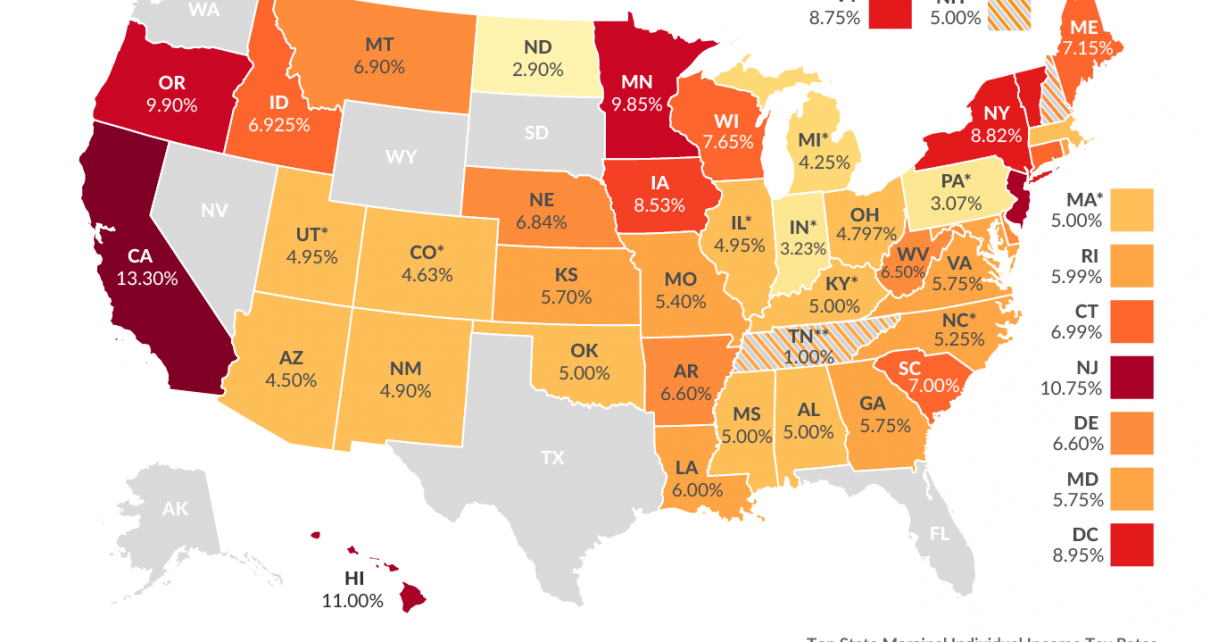
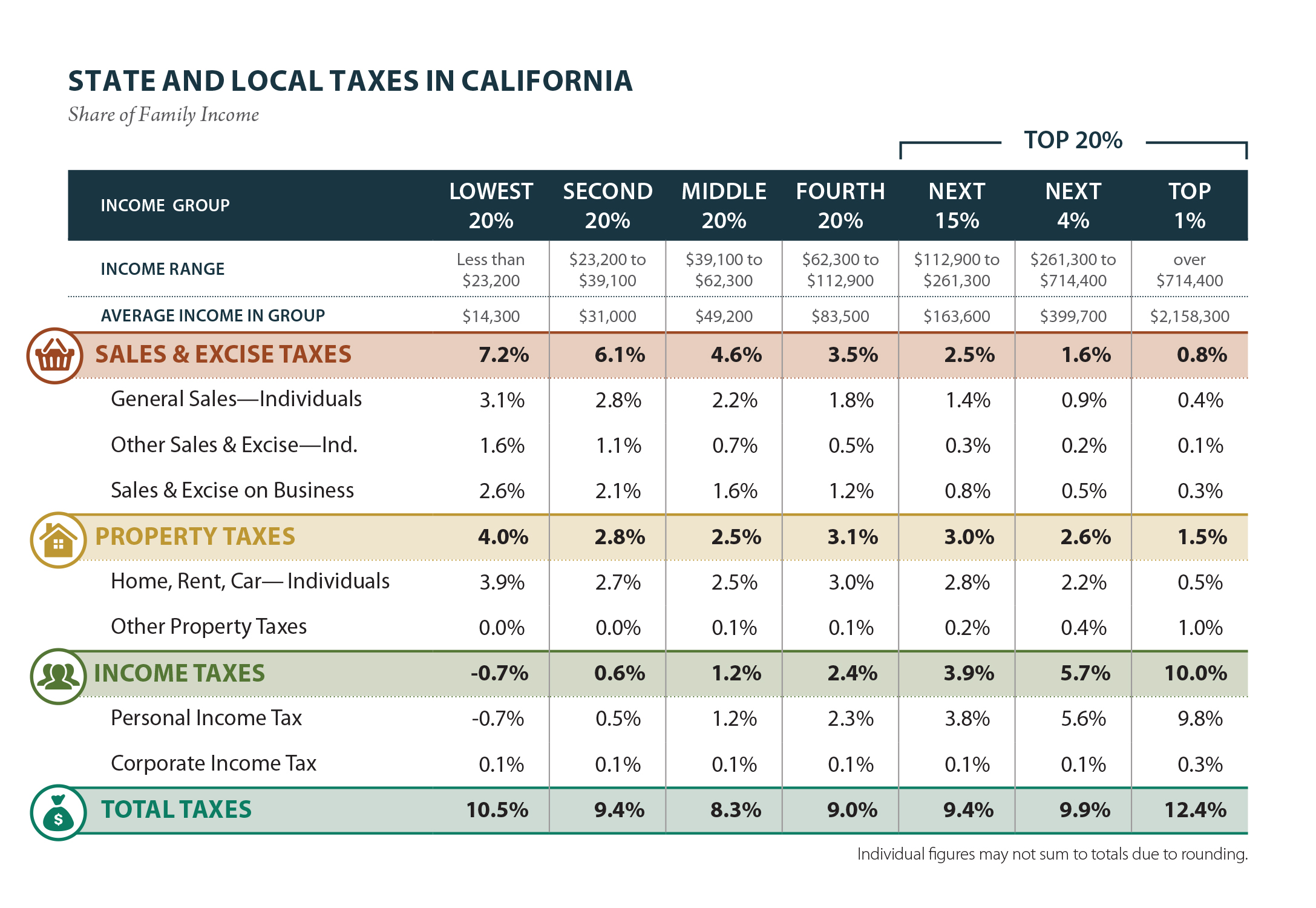
California is renowned for having one of the most progressive personal income tax systems in the United States. This means that higher earners contribute a larger percentage of their income to state coffers. The state levies personal income tax on worldwide income for residents, while non-residents are taxed only on income derived from California sources. Tax rates vary across multiple brackets, ranging from a modest percentage for lower incomes to a top marginal rate that can reach over 13% for the highest earners. This progressive structure significantly influences financial planning for families and individuals, impacting everything from savings goals to retirement strategies and overall disposable income for lifestyle choices. For those considering moving to California or taking up employment, understanding their potential tax bracket is a critical component of assessing the true cost of living and maintaining their desired lifestyle. The Franchise Tax Board (FTB) is the primary state agency responsible for administering personal income tax, providing resources and guidance for taxpayers.
Sales and Use Tax: Impact on Everyday Purchases
The sales and use tax is another pervasive state tax impacting nearly every consumer transaction in California. The statewide base sales tax rate is currently 7.25%. However, this figure is just the starting point. Most localities impose additional district taxes, which can push the combined sales tax rate considerably higher in many cities and counties, sometimes exceeding 10%. This means that when you buy anything from groceries (excluding most unprepared food items), clothing, electronics, or even pay for certain services, a significant percentage is added to the price. For individuals, this directly affects the cost of living and daily budgeting. For businesses, especially retailers and service providers, it dictates pricing strategies and compliance requirements. The “use tax” component applies to purchases made outside California but consumed within the state, ensuring a level playing field for in-state and out-of-state retailers and preventing tax avoidance. Administered by the California Department of Tax and Fee Administration (CDTFA), this tax is a constant consideration for consumers and a significant revenue stream for the state.
Property Tax: A Key Consideration for Homeowners and Investors
Property tax in California holds a unique position, largely shaped by Proposition 13, a landmark ballot initiative passed in 1978. Proposition 13 fundamentally altered property tax calculation by capping the maximum ad valorem tax on real property at 1% of its full cash value, plus approved local bonded indebtedness. Crucially, it also limits annual increases in assessed value to a maximum of 2% per year, until the property is sold or undergoes significant new construction. At that point, it is reassessed at its current market value.
This system has profound implications for homeowners and real estate investors, directly influencing housing affordability and long-term financial planning. For existing homeowners, Proposition 13 often provides stability and predictability in property tax expenses, a significant advantage in a state with rapidly appreciating property values. This stability allows for better long-term budgeting for housing costs, which are a major component of lifestyle expenses. However, for new homebuyers, particularly in competitive markets like San Francisco or Los Angeles, the initial property tax assessment can be substantial, reflecting current market values. Understanding these nuances is vital for anyone considering purchasing property in California, whether for primary residence, investment, or a vacation home. It affects mortgage payments, overall cost of ownership, and ultimately, the financial viability of a real estate-centric lifestyle in the state. Local county assessors and treasurers are responsible for the assessment and collection of property taxes.
Business Taxes: Navigating the Golden State’s Regulations
For entrepreneurs, small business owners, and large corporations, California’s business tax environment is a critical factor influencing operational costs, profitability, and overall business strategy. The state employs a range of taxes and fees on businesses, which are essential to understand for sustainable growth and compliance.
Corporate Income and Franchise Tax
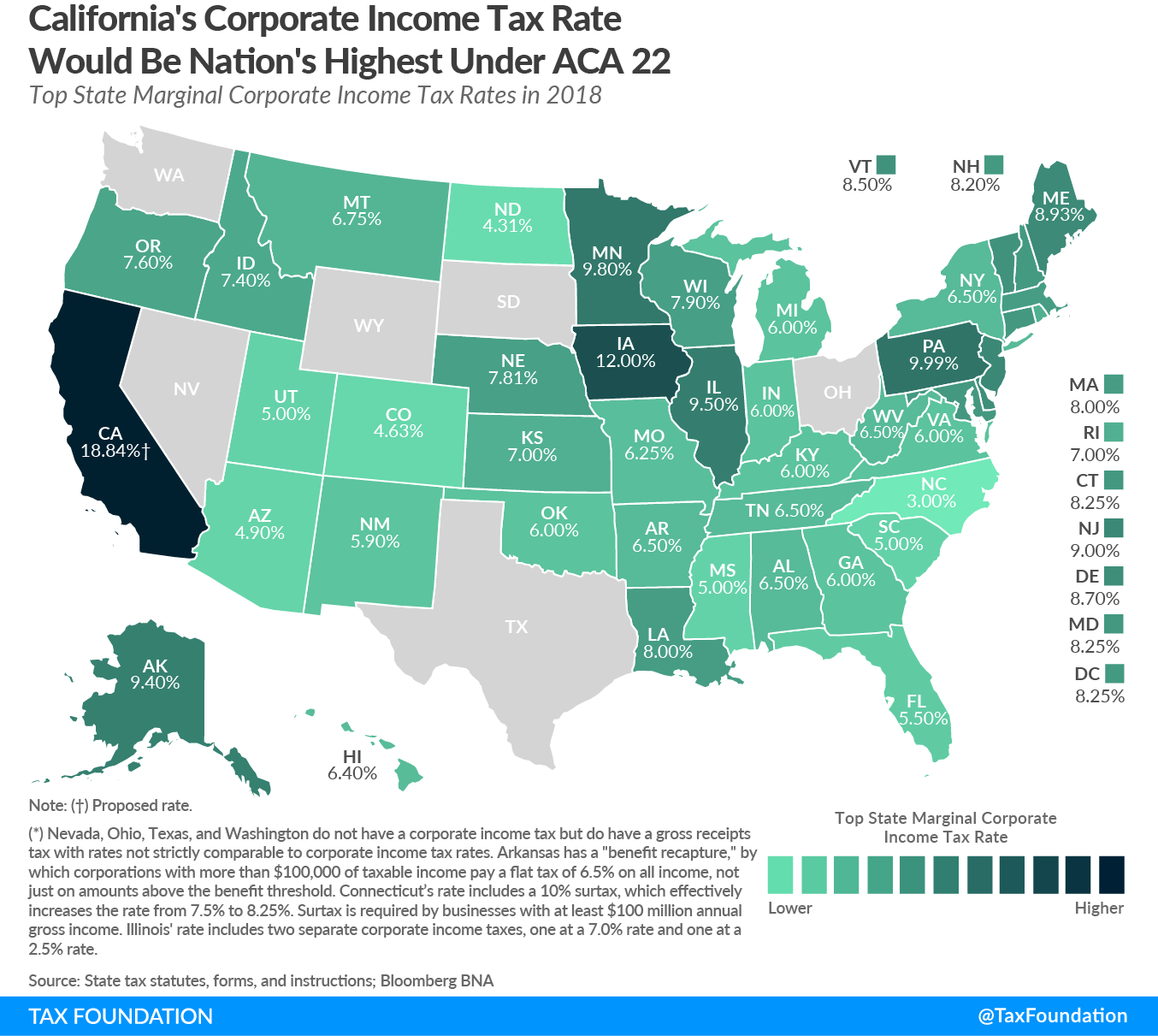
California imposes a corporate income tax on C corporations and an annual franchise tax on all corporations, including S corporations, that are doing business in the state. The corporate income tax rate is currently 8.84%, which applies to net income. Additionally, a minimum franchise tax of $800 is levied annually on most corporations, regardless of income. This minimum tax is particularly relevant for startups and small businesses, as it represents a fixed cost that must be absorbed even during periods of low or no profitability. For businesses considering establishing operations in California, these taxes are a significant line item in their financial projections, directly impacting their ability to compete, invest, and ultimately contribute to the state’s economy. The Franchise Tax Board (FTB) is responsible for administering these taxes, and compliance requires careful attention to reporting requirements and deadlines.
Employment Taxes
Any business with employees in California must contend with a variety of state-mandated employment taxes. These include:
- Unemployment Insurance (UI): Funded by employers, this provides temporary benefits to eligible workers who are unemployed through no fault of their own.
- Employment Training Tax (ETT): A smaller tax, also paid by employers, that funds job training programs.
- State Disability Insurance (SDI): Funded primarily through employee payroll deductions, SDI provides partial wage replacement benefits to eligible workers who are unable to work due to non-work-related illness or injury, or pregnancy.
- Personal Income Tax (PIT) Withholding: Employers are required to withhold California personal income tax from employees’ wages and remit it to the state.
These employment taxes add to the overall cost of labor and workforce management, influencing hiring decisions, payroll budgeting, and competitive compensation packages. For businesses, effective management of these obligations, administered by the Employment Development Department (EDD), is crucial for maintaining a healthy and compliant operational lifestyle.
Specialized Taxes and Their Lifestyle Impact
Beyond the major taxes, California also implements several specialized taxes and fees that can subtly or significantly affect various aspects of daily life and specific industries. Understanding these can help individuals and businesses make more informed lifestyle and financial choices.
Fuel Taxes and Vehicle Fees
California imposes significant taxes on gasoline and diesel fuel, which contribute to the cost of transportation and directly impact the lifestyle of commuters, long-haul drivers, and anyone who relies on personal vehicles. These taxes fund infrastructure projects and road maintenance. Coupled with various vehicle registration fees, which are among the highest in the nation, the cost of owning and operating a car in California is notably higher than in many other states. This can influence decisions regarding vehicle purchases (e.g., choosing more fuel-efficient cars), commuting choices, and overall transportation budgets for individuals and businesses alike. For those considering a move to California, factoring in these ongoing transportation costs is a vital part of assessing the total cost of living and personal mobility.
Sin Taxes and Environmental Levies
Like many states, California levies “sin taxes” on certain goods, such as tobacco products and alcoholic beverages. These taxes are often designed not only to generate revenue but also to discourage consumption of products deemed harmful or to fund related public health initiatives. For consumers, this means higher prices for these specific items.
Additionally, California has a range of environmental fees and levies aimed at promoting sustainability and addressing climate change. These can include fees on certain types of packaging, greenhouse gas emissions programs (like cap-and-trade), and other charges related to environmental impact. While some of these are primarily business-to-business charges, they can indirectly influence consumer prices and the availability of certain products, aligning with California’s broader lifestyle emphasis on environmental consciousness.
Managing Your Financial Lifestyle in California
Understanding California’s state tax structure is more than just knowing rates; it’s about comprehending its profound impact on your financial lifestyle. The progressive income tax system dictates disposable income, while sales and property taxes influence daily expenses and long-term asset accumulation. For businesses, the combination of corporate and employment taxes shapes operational costs and competitive positioning.
Effective financial management in California often involves strategic planning around these tax implications. Residents might explore deductions, credits, and retirement savings vehicles to optimize their tax burden. Businesses might structure operations, manage payroll, and invest in tax-advantaged areas to enhance profitability. For visitors or those contemplating a move, a clear picture of these taxes is crucial for accurate budgeting and assessing the overall cost of living or conducting business in the state. While California’s tax system is complex, a proactive and informed approach ensures that individuals and entities can thrive and enjoy the diverse opportunities the state offers without unforeseen financial strains.
LifeOutOfTheBox is a participant in the Amazon Services LLC Associates Program, an affiliate advertising program designed to provide a means for sites to earn advertising fees by advertising and linking to Amazon.com. Amazon, the Amazon logo, AmazonSupply, and the AmazonSupply logo are trademarks of Amazon.com, Inc. or its affiliates. As an Amazon Associate we earn affiliate commissions from qualifying purchases.