
Understanding the “temp” in California is paramount for any traveler planning a visit to the Golden State. Far from a uniform climate, California is a land of dramatic climatic contrasts, where soaring desert heat can exist just hours from snow-capped mountains and foggy coastal havens. This incredible diversity in temperature, often referred to as its “temp,” dictates everything from what to pack to the best time for specific activities, profoundly shaping the tourist experience. From the sun-drenched beaches of San Diego to the majestic peaks of the Sierra Nevada, California’s weather mosaic is a key aspect of its allure and a crucial consideration for any well-planned itinerary.

The Golden State’s Climatic Kaleidoscope
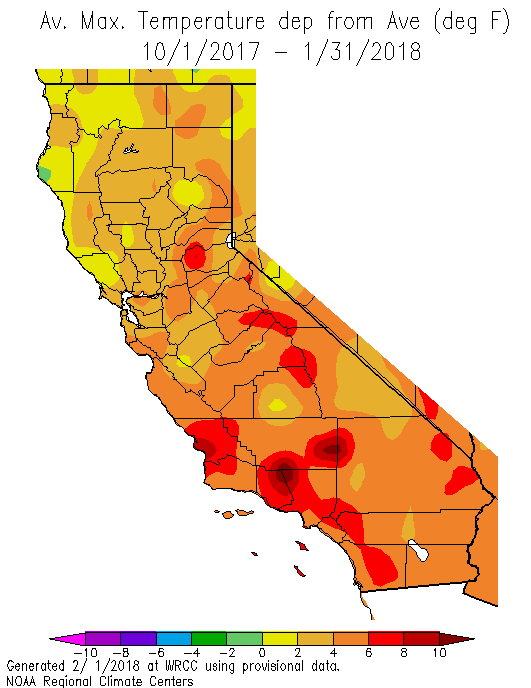
California’s expansive geography, stretching over 800 miles from north to south and encompassing vast mountain ranges, deserts, and a lengthy coastline, creates a complex tapestry of distinct microclimates. This makes its “temp” incredibly varied, sometimes even within a short drive.
Coastal Charm and Foggy Mornings
Along California’s extensive Pacific coastline, the “temp” is generally mild and temperate year-round, heavily influenced by the cool currents of the Pacific Ocean. Cities like San Francisco are famous for their persistent summer fog, which keeps temperatures surprisingly cool even when inland areas are sweltering. Los Angeles and Santa Barbara enjoy a Mediterranean climate, characterized by warm, dry summers and mild, wet winters. Average summer temperatures along the coast typically range from the mid-60s to low 70s Fahrenheit (18-23°C), while winters see averages in the 50s and low 60s Fahrenheit (10-17°C). The consistency of these temperatures makes coastal California a popular destination throughout much of the year, though visitors should always be prepared for cooler evenings and the marine layer.
Inland Heat and Valley Vistas
Moving eastward from the coast, the moderating influence of the ocean quickly diminishes, giving way to significantly hotter “temps,” especially during the summer months. The vast Central Valley, which includes cities like Sacramento, experiences hot, dry summers where temperatures routinely climb into the 90s and often exceed 100°F (38°C). Winters are cooler and often foggy, but rarely extreme. Similarly, the wine regions of Napa Valley and Sonoma, while enjoying mild spring and fall “temps” ideal for vineyard tours, can also experience very warm summers. The interior valleys are excellent for agricultural pursuits but require tourists to be mindful of heat, especially from June to September.
Mountain Majesty and Snow Caps
California’s towering mountain ranges, most notably the Sierra Nevada, create their own distinct “temp” zones. Elevations here mean significantly colder temperatures, especially in winter, where heavy snowfall is common. Destinations like Lake Tahoe and Yosemite National Park become winter wonderlands, attracting skiers, snowboarders, and snowshoe enthusiasts. Summer “temps” in the mountains are delightfully mild, often in the 70s Fahrenheit (21-26°C), providing a cool escape from the valley heat and perfect conditions for hiking and camping. Even in summer, mountain evenings can be quite cool, necessitating layers. Further north, the dormant volcano of Mount Shasta also offers extreme temperature variations between its base and summit, characteristic of alpine environments.
Desert Dramas and Extreme Swings
Southeastern California is home to vast desert landscapes, including the Mojave Desert, Joshua Tree National Park, and the infamous Death Valley, one of the hottest places on Earth. Here, the “temp” reaches its most extreme. Summer daytime temperatures in Death Valley frequently surpass 120°F (49°C), making it hazardous for unprepared tourists. Even Joshua Tree sees regular summer “temps” above 100°F (38°C). Winters, however, are surprisingly pleasant, with daytime highs in the 60s and 70s Fahrenheit (15-25°C), making it the ideal season for desert exploration. Nighttime “temps” in the desert can drop dramatically, sometimes by 30-40°F (17-22°C), highlighting the need for versatile clothing. The Anza-Borrego Desert State Park further exemplifies this pattern, offering stunning spring wildflowers after winter rains, but becoming intensely hot by late spring.
Seasonal Shifts and Their Impact on Travel
The best time to visit California largely depends on what you want to do and where you plan to go, as seasonal “temps” significantly alter the tourist landscape.
Spring: Bloom and Mild Exploration
Spring (March to May) offers some of the most pleasant “temps” across much of the state. Wildflowers carpet hillsides, particularly in regions like Gold Country and the Central Valley foothills. Coastal areas are comfortably mild, perfect for exploring cities or driving the scenic Big Sur coast before the summer crowds arrive. Mountain passes begin to open, offering access to stunning views in Yosemite National Park without the peak summer rush, though some high-elevation trails may still be snowy. Desert “temps” are ideal for hiking and camping, with warm days and cool nights.
Summer: Sun-Drenched Adventures and Coastal Escapes
Summer (June to August) brings abundant sunshine and high “temps” to inland California. This is peak season for beach activities, surfing, and enjoying theme parks like Disneyland, where coastal breezes or artificial cooling provide relief. The coastal cities remain popular due to their milder “temps.” Mountain regions are fully accessible, offering hiking, fishing, and watersports at places like Lake Tahoe. However, desert travel is generally discouraged due to extreme heat, and travelers in the Central Valley should plan activities for early mornings or evenings.
Fall: Harvest Hues and Pleasant Prowls
Fall (September to November) is often considered one of the best times to visit California, particularly for wine enthusiasts as the “temp” cools down in Napa Valley and Sonoma for harvest season. Coastal areas maintain their pleasant warmth well into September and October, often experiencing an “Indian Summer” with clear skies. Mountain “temps” are crisp, and the changing leaves add a splash of color, though higher elevations begin to see early snowfalls. Desert regions become inviting again as the intense summer heat subsides, perfect for exploring Joshua Tree.
Winter: Snow Sports and Desert Warmth
Winter (December to February) showcases the full spectrum of California’s “temp” diversity. The Sierra Nevada comes alive with snow sports, drawing visitors to resorts around Lake Tahoe and Mammoth Lakes. Coastal “temps” are mild, with more rainfall, making it a good time for cultural activities in cities like San Francisco or whale watching off the coast. The deserts, especially Death Valley and Anza-Borrego Desert State Park, offer comfortably warm days for hiking and sightseeing, providing a stark contrast to the snowy peaks just hours away.
Microclimates: California’s Unique Weather Phenomenon
One of the most fascinating aspects of California’s “temp” is its pronounced microclimates – localized atmospheric conditions that differ significantly from the surrounding area, sometimes within mere miles.
The Influence of the Pacific Ocean
The Pacific Ocean is the primary driver of coastal microclimates. The cool ocean currents and prevailing westerly winds create a marine layer that often brings fog, especially in the mornings, and keeps coastal “temps” mild. This effect is particularly noticeable in areas like San Francisco, where one neighborhood might be shrouded in fog and require a jacket, while another, just a few miles inland, enjoys warm sunshine. The presence of the ocean also moderates extremes, leading to less fluctuation between day and night temperatures along the immediate coast compared to inland areas.
Mountain Ranges as Weather Barriers
California’s north-south trending mountain ranges, such as the Coast Ranges and especially the Sierra Nevada, act as significant weather barriers. They block moisture-laden air from the Pacific Ocean from reaching the interior, creating a “rain shadow” effect. This leads to abundant rainfall and snowfall on the western slopes and arid, desert conditions on the eastern side. These ranges also create elevation-dependent “temps,” with temperatures dropping approximately 3.5°F (2°C) for every 1,000 feet (300 meters) of elevation gain, explaining the presence of snow and glaciers even in a mostly warm state.
Urban Heat Islands
Large urban areas, like Los Angeles and San Francisco, can also create their own localized “urban heat island” effect. Concrete, asphalt, and buildings absorb and re-emit the sun’s heat more than natural landscapes, leading to higher “temps” in city centers compared to surrounding rural areas, particularly at night. This can subtly influence a tourist’s comfort level, especially during summer visits to bustling metropolitan areas.
Planning Your California Trip Around the Temp
Navigating California’s diverse “temp” requires thoughtful planning to ensure a comfortable and enjoyable trip.
Packing Essentials for Diverse Weather
Given the rapid changes in “temp” you might encounter, layering is key. Even if you’re visiting Los Angeles in summer, bring a light jacket or sweater for evenings or a day trip to the coast. For mountain excursions, even in summer, pack warmer clothing. If venturing into the desert in winter, plan for warm days and surprisingly cold nights. Sun protection (hat, sunglasses, high-SPF sunscreen) is essential year-round, regardless of location, due to California’s intense sun.
Best Times for Specific Activities
- Beach & Surfing: Summer and early fall for warm water, though wetsuits are common year-round. San Diego and Huntington Beach are prime spots.
- Hiking & National Parks (Yosemite National Park, Redwood National Park, Joshua Tree): Spring and Fall offer the most comfortable “temps.” Summer can be very hot in deserts and valleys, but perfect in higher elevations.
- Skiing & Snowboarding (Lake Tahoe): Winter, typically December through April, with peak conditions often in February and March.
- Wine Tasting (Napa Valley, Sonoma): Late spring and fall for pleasant weather during vineyard tours, though summers are also popular despite higher “temps.”
- Desert Exploration (Death Valley, Mojave Desert): Winter and early spring for tolerable “temps.”

Staying Hydrated and Sun-Safe
Regardless of the “temp,” California’s sun can be powerful. Always carry water, especially when hiking or exploring inland areas, and reapply sunscreen frequently. Be aware of the signs of heat exhaustion or sunstroke, particularly in desert environments or during summer heat waves. If you plan to visit islands like Catalina Island, remember that even offshore, sun exposure can be significant.
In conclusion, the “temp” in California is not a single forecast but a dynamic, ever-changing element that defines its diverse regions and seasons. By understanding these climatic nuances, travelers can better prepare, choose the ideal time for their adventures, and fully appreciate the unparalleled natural beauty and varied experiences the state has to offer.
LifeOutOfTheBox is a participant in the Amazon Services LLC Associates Program, an affiliate advertising program designed to provide a means for sites to earn advertising fees by advertising and linking to Amazon.com. Amazon, the Amazon logo, AmazonSupply, and the AmazonSupply logo are trademarks of Amazon.com, Inc. or its affiliates. As an Amazon Associate we earn affiliate commissions from qualifying purchases.