
A Glimpse into Colorado’s Evolving Jurisprudence and Identity
When exploring a new destination, visitors often immerse themselves in the local culture – the food, the festivals, the historical landmarks, and the natural beauty. Yet, a deeper understanding of a place often requires looking beyond the superficial, delving into the foundational principles and values that shape its society. The legal framework of a state, particularly concerning profound matters of justice, serves as a significant indicator of its unique cultural identity and moral compass. For those interested in a comprehensive appreciation of the Centennial State, understanding its stance on capital punishment offers a unique lens into Colorado’s evolving societal values and its commitment to justice reform. It reflects a facet of “local culture” that, while not immediately visible, subtly influences the state’s character and distinguishes it from other locales across the United States. This nuanced exploration helps to paint a fuller picture of Colorado for anyone seeking to truly comprehend its essence.

The Historical Trajectory of Capital Punishment in the Centennial State
The history of capital punishment in Colorado mirrors the broader national debate, marked by periods of fervent support, abolitionist movements, and legislative changes that reflect shifting public and political sentiment. Understanding this journey is crucial to appreciating the current legal landscape and its cultural implications.
Early Beginnings and Shifting Sentiments
From its territorial days, Colorado authorized capital punishment, a common practice across the fledgling United States. Early executions were often public affairs, serving as stark deterrents and expressions of community retribution. The state constitution, adopted in 1876, allowed for the death penalty, and it was consistently applied for various capital offenses, primarily murder. However, even in these early periods, there were sporadic voices and movements advocating for its abolition, influenced by humanitarian concerns and evolving legal philosophies. Public opinion, while generally supportive, was never monolithic, and the debate simmered beneath the surface of the state’s burgeoning development. As Colorado grew from a rugged frontier into a more settled and progressive state, the ethical and practical questions surrounding the death penalty became increasingly prominent, setting the stage for more intense scrutiny in the 20th century.
The Modern Era: Debates and Moratoriums
The 20th century brought significant legal and social challenges to capital punishment in Colorado. Following the landmark 1972 Furman v. Georgia Supreme Court decision, which temporarily halted executions nationwide, Colorado had to revise its statutes. The state reinstated the death penalty in 1979, attempting to address the constitutional concerns regarding arbitrary application. However, even with revised laws, executions remained rare, and the state grappled with persistent legal appeals and increasing public skepticism.
By the early 21st century, the debate intensified. Concerns about wrongful convictions, the disproportionate application of the death penalty based on race and socioeconomic status, and the exorbitant costs associated with lengthy appeals processes fueled calls for abolition. Governors often faced difficult decisions regarding scheduled executions, leading to intense public discourse. A significant moment came in 2013 when then-Governor John Hickenlooper issued an indefinite reprieve for a death row inmate, citing his discomfort with the fairness and finality of capital punishment. While not a full repeal, this action served as a de facto moratorium and signaled a growing legislative and public appetite for reconsidering the ultimate penalty, paving the way for the profound changes that would follow.
Colorado’s Pivotal Decision: Repeal and Its Cultural Resonance
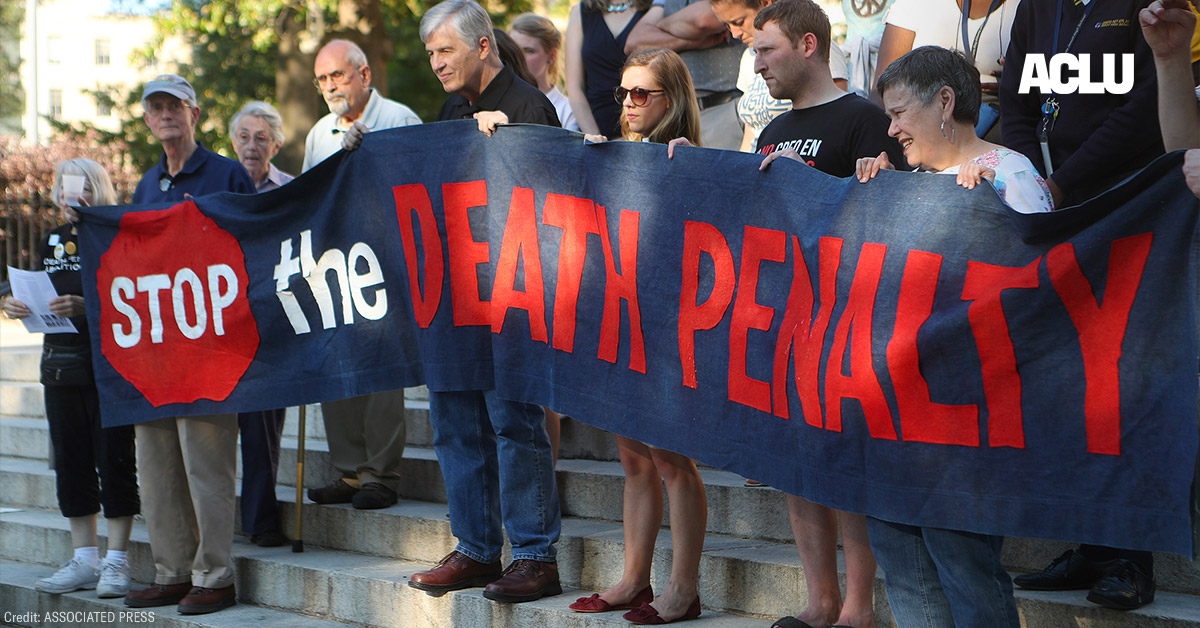
The culmination of decades of debate, legal challenges, and evolving societal values arrived in 2020, marking a significant shift in Colorado’s legal and cultural landscape. This decision not only abolished capital punishment but also reinforced the state’s identity as a forward-thinking and progressively minded destination.
The Legislative Process and Key Figures
In 2020, after years of legislative efforts, Colorado officially repealed the death penalty. The bill, Senate Bill 20-100, successfully passed through the state legislature, driven by a coalition of advocates, legal experts, and bipartisan lawmakers. Governor Jared Polis signed the repeal into law on March 23, 2020, solidifying Colorado’s position as the 22nd state to abolish capital punishment.
The arguments for repeal were multifaceted, reflecting deep societal concerns. Proponents cited the inherent fallibility of the justice system and the irreversible nature of the death penalty, emphasizing the risk of executing an innocent person. The financial burden was another key factor; studies consistently showed that death penalty cases were significantly more expensive than life imprisonment due to extensive legal appeals. Ethical and moral objections to state-sanctioned killing, alongside evidence of racial and economic disparities in its application, also played a crucial role. This legislative victory was seen by many as a testament to Colorado’s commitment to human rights and a more equitable justice system, defining an aspect of its “local culture” that resonates with visitors who value social justice.
The Commutation of Sentences and Broader Implications
A critical component of the 2020 repeal was the fate of the three inmates who were on Colorado’s death row at the time. Upon signing the repeal, Governor Jared Polis commuted their death sentences to life imprisonment without the possibility of parole. This action ensured that no individual would face execution for crimes committed in the state, even those sentenced under the previous law.
The decision to commute the sentences was a symbolic and practical step that underscored the finality of the repeal. It demonstrated a clear break from the past, aligning Colorado with a growing number of states and nations that have moved away from capital punishment. For visitors and residents alike, this stance contributes to the perception of Colorado as a state that prioritizes rehabilitation and restorative justice principles over retributive punishment. This aspect of the state’s legal culture fosters an environment that is seen by some as more humane and advanced, further enriching the cultural narrative of a destination renowned for its forward-thinking policies and inclusive community values.

What Colorado’s Stance Means for Its Identity as a Destination
For travelers, the legal and ethical stances of a destination, while not typically listed on tourist brochures, subtly shape its overall appeal and identity. Colorado’s decision to abolish capital punishment is more than just a legal reform; it is a profound declaration of its local culture and values, influencing how the state is perceived both nationally and internationally. This ethical position contributes to the fabric of its unique character, resonating with a segment of tourists who seek out destinations aligning with progressive social ideals.
In a world where travelers are increasingly conscious of the deeper societal currents of the places they visit, Colorado’s progressive stance on justice serves as a subtle yet significant draw. It reinforces the state’s image as a place that values human dignity, prioritizes systemic fairness, and is willing to challenge entrenched norms in pursuit of a more equitable society. This is part of the “local culture” that draws a particular kind of visitor – one who appreciates destinations with a strong moral compass and a commitment to modern, humane governance.
For many, this progressive approach to justice aligns with other aspects of Colorado’s identity, such as its focus on environmental conservation, its legalization of cannabis, and its generally liberal political landscape. These elements collectively paint a picture of a state that is often at the forefront of social change and innovation in the United States. Tourists exploring Denver‘s vibrant neighborhoods, hiking through the majestic Rocky Mountains, or enjoying the state’s burgeoning culinary scene, are not necessarily thinking about judicial reform. However, for those who take a deeper dive, understanding that Colorado has definitively moved away from capital punishment contributes to a holistic appreciation of its unique ethos. It suggests a community that is reflective, compassionate, and dedicated to evolving its institutions to meet contemporary ethical standards. This intellectual and ethical dimension enriches the overall “tourism” experience, offering a layer of cultural depth beyond the scenic beauty and recreational opportunities that Colorado is famously known for.
LifeOutOfTheBox is a participant in the Amazon Services LLC Associates Program, an affiliate advertising program designed to provide a means for sites to earn advertising fees by advertising and linking to Amazon.com. Amazon, the Amazon logo, AmazonSupply, and the AmazonSupply logo are trademarks of Amazon.com, Inc. or its affiliates. As an Amazon Associate we earn affiliate commissions from qualifying purchases.