
The question of ownership for a globally recognized hospitality giant like Hilton Hotels & Resorts often conjures images of a single, powerful magnate or a monolithic corporation. However, the reality of Hilton Worldwide Holdings Inc., the parent company, is far more nuanced. Unlike many privately held businesses, Hilton is a publicly traded company. This means its ownership is distributed among its shareholders – individuals, institutional investors, and various funds who have purchased stock in the company.
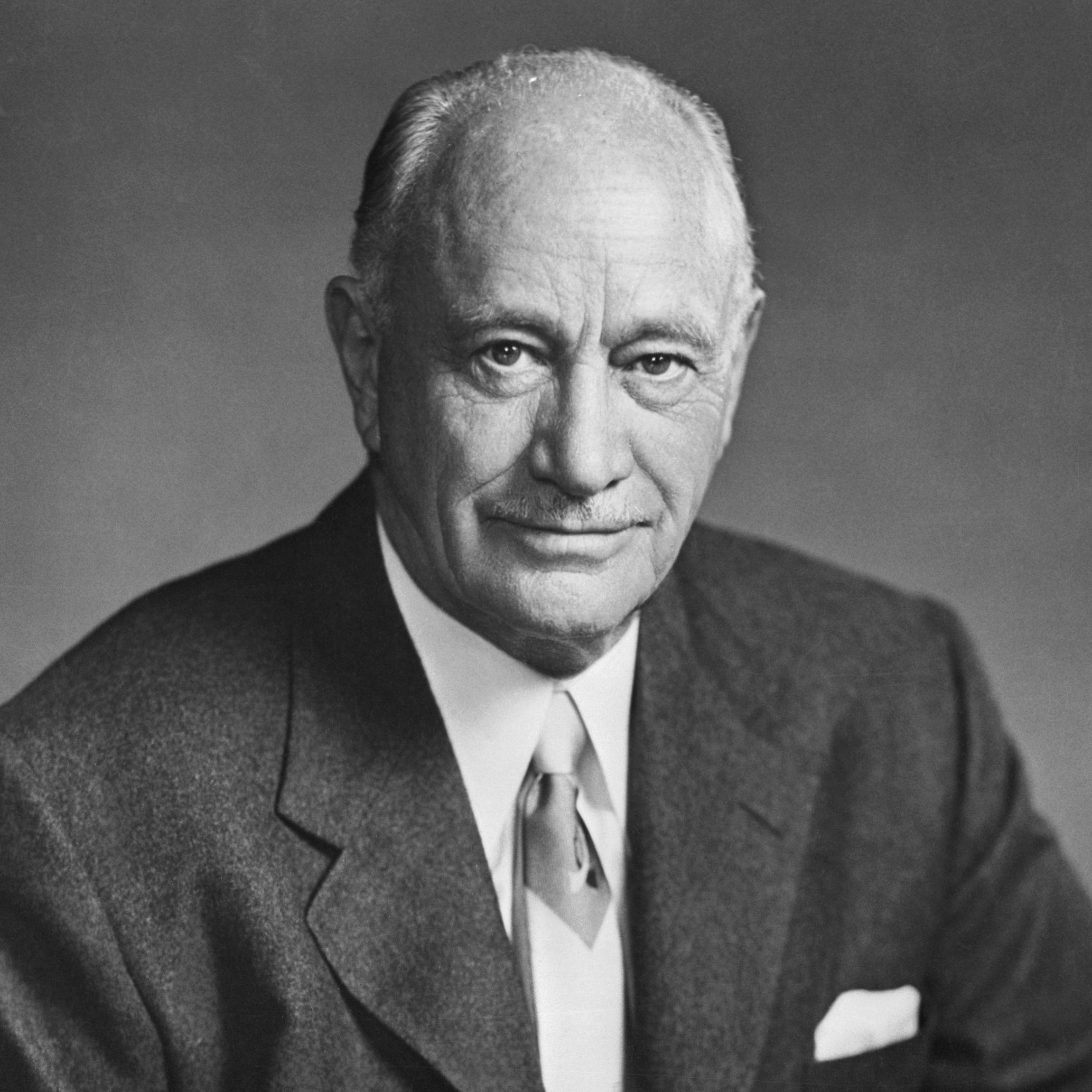
The origins of Hilton trace back to Conrad Hilton in 1919, a visionary entrepreneur who purchased his first hotel, the Mobley Hotel, in Cisco, Texas. His ambition and strategic acumen led to the acquisition and development of numerous hotels across the United States, culminating in the iconic Hilton Hotel in Albuquerque, New Mexico, in 1938, and the first Conrad International in Long Beach, California, in 1947. The company continued to expand and evolve under his leadership and that of his successors, undergoing various ownership structures, including periods of private equity control, before its landmark initial public offering (IPO) in 2013. This transition back to public ownership cemented its current status as a company owned by those who invest in its future.
The Publicly Traded Nature of Hilton Worldwide Holdings Inc.
As a publicly traded entity listed on the New York Stock Exchange (NYSE) under the ticker symbol “HLT,” Hilton is subject to the regulations and scrutiny of the Securities and Exchange Commission (SEC). This structure dictates that no single individual or entity holds outright majority ownership. Instead, ownership is fragmented among millions of shares.
Shareholders: The De Facto Owners
The millions of shares of Hilton stock are held by a diverse group of stakeholders. These include:
- Individual Investors: Everyday people who buy shares through brokerage accounts, seeking to participate in the company’s growth and potential dividends.
- Institutional Investors: Large organizations such as mutual funds, pension funds, hedge funds, and asset management firms. These entities often hold significant blocks of shares, influencing company decisions through their voting power and investment strategies. Major institutional holders at any given time can include firms like The Vanguard Group, Inc., BlackRock, Inc., and Berkshire Hathaway Inc.
- Company Insiders: While not a majority, executives and board members of Hilton also hold company stock, aligning their financial interests with those of other shareholders.
The power of these shareholders is exercised through voting on significant corporate matters, including the election of the Board of Directors. The Board, in turn, is responsible for overseeing the company’s management and strategic direction, ensuring it operates in the best interests of all shareholders.
The Role of the Board of Directors and Management
While shareholders are the ultimate owners, the day-to-day operations and strategic decisions are managed by a professional executive team led by the Chief Executive Officer (CEO). The Board of Directors, elected by the shareholders, acts as a crucial intermediary. They provide oversight, guidance, and accountability for the management team. The CEO and their executive team are responsible for implementing the company’s vision, managing its extensive portfolio of brands, and driving profitability. Therefore, while the “owners” are technically the shareholders, the “operators” are the management and the Board they elect.
Understanding Corporate Structure: Beyond the Individual
The misconception of a single owner often stems from the historical figures associated with major brands. Conrad Hilton was undoubtedly the founder and driving force behind the initial establishment and expansion of Hilton. His legacy is deeply ingrained in the company’s DNA and brand identity. However, corporate structures evolve.

From Founder to Public Company
After Conrad Hilton’s passing, the company underwent various transformations. It was acquired by Transmedia Investments in 1966 and later by Ladbroke Group PLC in 1987. In 2007, Blackstone Group, a private equity firm, acquired Hilton for $26 billion. Under Blackstone‘s ownership, Hilton underwent a significant restructuring and revitalization. This period of private ownership preceded the company’s return to the public markets.
The 2013 IPO: A New Era of Ownership
The re-emergence of Hilton as a publicly traded company via its IPO in December 2013 was a pivotal moment. This event effectively transferred ownership from the private equity firm Blackstone to a broad base of public investors. The IPO allowed Blackstone to realize substantial returns on its investment while simultaneously making Hilton accessible to a wider array of investors seeking to own a piece of the renowned hotel brand.
The Global Brand and its Diverse Portfolio
Hilton Worldwide Holdings Inc. operates a vast portfolio of hotel brands, each catering to different market segments and traveler needs. These include, but are not limited to, Waldorf Astoria Hotels & Resorts, Conrad Hotels & Resorts, Hilton Hotels & Resorts, Curio Collection by Hilton, DoubleTree by Hilton, Embassy Suites by Hilton, Hilton Garden Inn, Hampton by Hilton, Tru by Hilton, and Homewood Suites by Hilton. While Hilton Worldwide Holdings Inc. owns the brands and manages many of the properties directly, a significant portion of its hotels operate under franchise or management agreements.
Franchise and Management Agreements
Under these agreements, individual owners or developers license the Hilton brand name and benefit from the company’s operational expertise, marketing reach, and reservation systems. In return, they pay fees and royalties to Hilton Worldwide Holdings Inc.. This model allows Hilton to expand its global footprint rapidly and efficiently without the direct capital investment required to own every property.
Therefore, when considering who “owns” a specific Hilton hotel, the answer is multifaceted. The brand itself is owned by Hilton Worldwide Holdings Inc., which is in turn owned by its shareholders. The physical property might be owned by a separate real estate investment trust (REIT), a private investor, or the hotel company itself, depending on the management structure in place.
The Enduring Legacy and Future of Hilton
Conrad Hilton’s dream was to build a global hospitality empire, and that dream continues to be realized through Hilton Worldwide Holdings Inc.. The company’s commitment to excellence in service, innovation in guest experience, and expansion into new markets remains its driving force.
Governance and Accountability
The publicly traded nature of Hilton ensures a level of transparency and accountability that benefits all stakeholders. Financial reports are regularly disclosed, providing insights into the company’s performance. Independent audits and shareholder meetings are standard practices, fostering trust and allowing for direct engagement on critical company matters. This structured governance model is essential for maintaining investor confidence and ensuring the long-term health and success of the Hilton brand and its extensive network of hotels worldwide. Ultimately, the collective ownership by millions of shareholders, guided by a dedicated board and management team, defines the current ownership landscape of this iconic hospitality leader.
LifeOutOfTheBox is a participant in the Amazon Services LLC Associates Program, an affiliate advertising program designed to provide a means for sites to earn advertising fees by advertising and linking to Amazon.com. Amazon, the Amazon logo, AmazonSupply, and the AmazonSupply logo are trademarks of Amazon.com, Inc. or its affiliates. As an Amazon Associate we earn affiliate commissions from qualifying purchases.