
When planning a trip to Los Angeles, California, understanding the prevailing weather conditions is paramount to ensuring a comfortable and enjoyable experience. While providing a real-time, instantaneous temperature reading is beyond the scope of a static guide, we can delve deep into what travelers can typically expect from the diverse climate of Los Angeles throughout the year, how to best prepare for its nuances, and how temperature influences the best ways to explore this sprawling metropolis. Knowing the general climate patterns empowers visitors to pack appropriately, plan activities, and make the most of their time in the City of Angels.
Understanding Los Angeles’ Diverse Climate
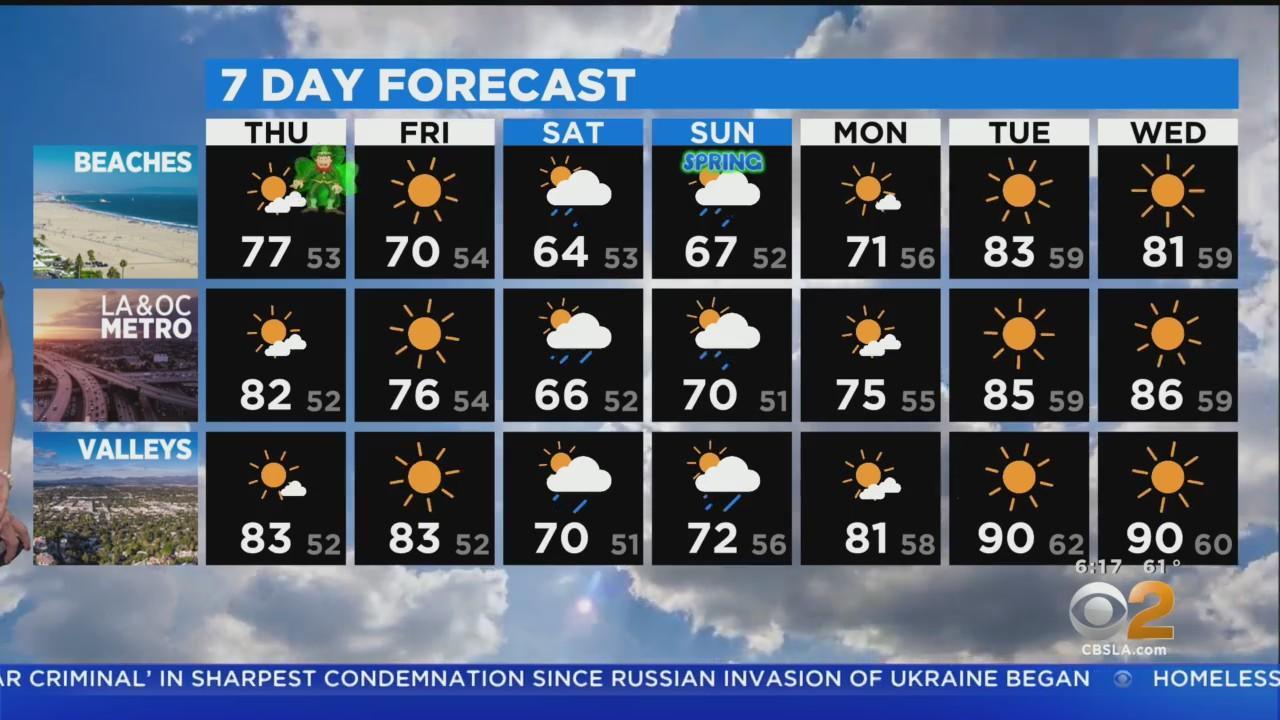
Los Angeles is renowned for its Mediterranean climate, characterized by warm to hot, dry summers and mild, wet winters. However, describing Los Angeles’ weather as uniform would be a disservice to its geographical complexity. The city spans a vast area, encompassing coastal regions, sprawling valleys, and foothills, each presenting distinct microclimates. This variability means that while one part of the city might be enjoying a gentle ocean breeze, another could be experiencing significantly higher temperatures.
Coastal vs. Inland Temperatures
The most significant factor influencing temperature in Los Angeles is its proximity to the Pacific Ocean. Areas like Santa Monica, Venice Beach, and Malibu benefit from the moderating effect of the ocean. During summer, these coastal cities often remain cooler, typically in the high 60s to low 70s Fahrenheit (20-23°C), sometimes accompanied by the famous “June Gloom” or “May Gray”—a marine layer that brings overcast skies in the mornings, often burning off to sunshine by midday. This phenomenon provides a natural air conditioning effect, keeping temperatures relatively mild.
As one moves inland, away from the ocean’s influence, temperatures tend to rise significantly, especially during the summer months. The San Fernando Valley, for instance, can experience summer temperatures regularly soaring into the 90s and even triple digits Fahrenheit (32-38°C+). Downtown Los Angeles and areas like Hollywood fall somewhere in between, experiencing warmer days than the coast but usually cooler than the extreme inland valleys. This geographical distinction is crucial for travelers planning their itinerary and packing strategy, as a day trip from the coast to an inland attraction could involve a substantial temperature swing.
Seasonal Variations and Their Impact on Travel
Each season in Los Angeles brings its own typical temperature range and atmospheric conditions, directly impacting travel experiences:
- Spring (March-May): Generally mild and pleasant, with temperatures averaging in the high 60s to low 70s Fahrenheit (18-23°C). Rainfall decreases significantly, and the days are usually sunny. This is a popular time for outdoor activities and sightseeing before the summer heat.
- Summer (June-August): Hot and dry, especially inland. Coastal areas remain temperate, while inland temperatures can consistently be in the 80s and 90s Fahrenheit (27-38°C). Humidity is typically low, making the heat more tolerable than in many other climates. This is peak tourist season, ideal for beach visits and water sports.
- Autumn (September-November): Often considered the most delightful season by locals. Temperatures cool down from summer highs but remain warm and sunny, typically in the 70s and 80s Fahrenheit (21-30°C), particularly in September and October. The Santa Ana winds, known for bringing hot, dry air from the deserts, can occasionally lead to unusually warm days during this period.
- Winter (December-February): Mild with more frequent rainfall. Temperatures generally range from the mid-50s to mid-60s Fahrenheit (10-18°C). While not cold by many standards, evenings can be chilly, dropping into the 40s Fahrenheit (4-9°C). Snow is extremely rare in the city itself, though it’s common in the nearby San Gabriel Mountains. This season offers a quieter travel experience with fewer crowds.
Preparing for Los Angeles’ Weather: Packing Essentials
Given the microclimates and seasonal shifts, packing for Los Angeles requires a thoughtful approach. Layering is almost always the key, regardless of the time of year.
Warm Weather Wardrobe
For most of the year, especially from late spring through early autumn, lightweight and breathable clothing is essential. Think cotton, linen, and moisture-wicking fabrics. Shorts, t-shirts, sundresses, and light skirts are perfect for daytime exploration. Don’t forget swimwear if you plan to visit the beaches of Santa Monica or Malibu. Sun protection is non-negotiable: a wide-brimmed hat, sunglasses, and high-SPF sunscreen should always be in your bag, as the California sun can be intense even on cooler days. Comfortable walking shoes are also a must, as Los Angeles offers numerous opportunities for exploration on foot, from the Hollywood Walk of Fame to the trails of Griffith Park.
Cooler Evenings and Unexpected Turns
Even on the hottest summer days, evenings in Los Angeles can bring a noticeable drop in temperature, especially near the coast. A light jacket, cardigan, or a stylish wrap is advisable for dinners out, strolls along the Santa Monica Pier, or enjoying an outdoor concert. During the cooler winter months, a medium-weight jacket or a warm sweater will be necessary, particularly for evenings. While rain isn’t constant, a compact umbrella or a light rain jacket can be handy during the winter season. Always check a reliable local weather forecast a few days before and during your trip to get the most up-to-date “current temperature” information for specific areas you plan to visit.
Activities and Experiences Tailored to the Thermometer
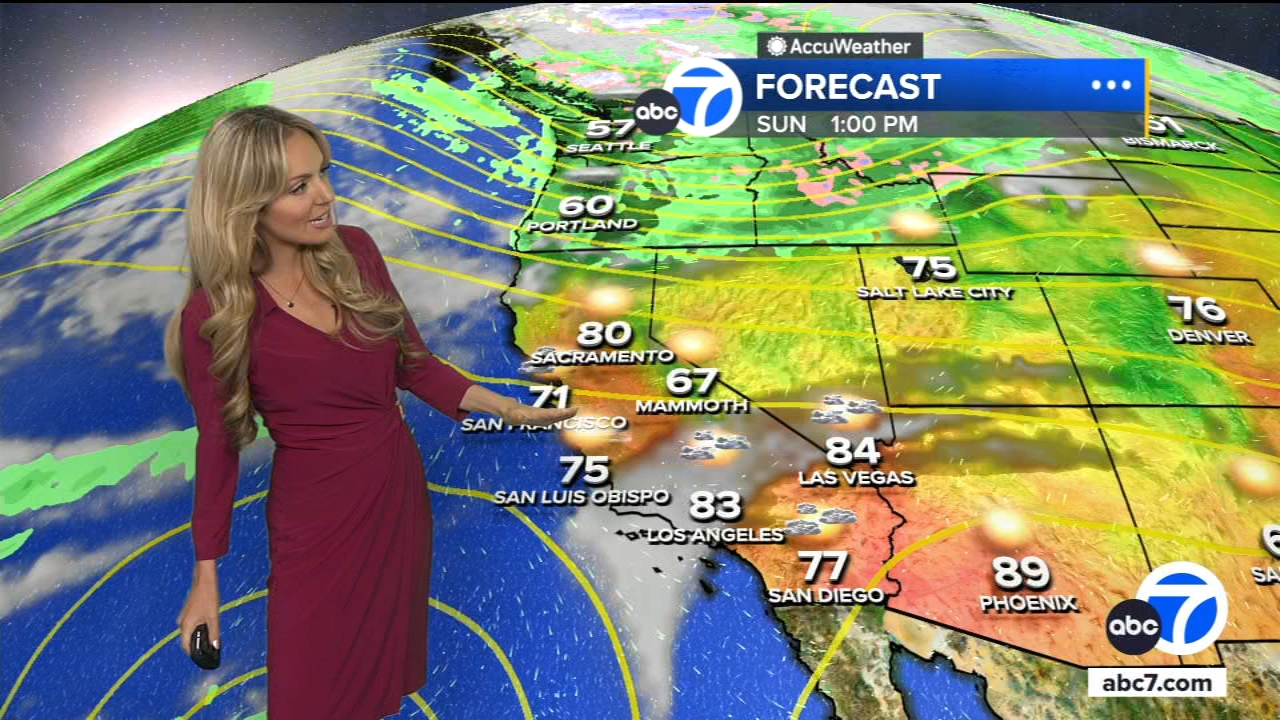
The temperature in Los Angeles profoundly shapes the types of activities travelers gravitate towards. From sun-drenched beaches to cool museums, the city offers something for every climate preference.
Beach Days and Ocean Breezes
When temperatures soar, the coastal areas become natural magnets. The beaches of Venice, Santa Monica, and Malibu offer refreshing ocean breezes and opportunities for swimming, surfing, paddleboarding, or simply lounging in the sand. A cooler day, however, might be better suited for a leisurely bike ride along the strand or exploring the shops and restaurants lining the boardwalks.
Urban Exploration and Indoor Attractions
On hotter days, or for those seeking respite from the sun, Los Angeles boasts an incredible array of indoor attractions. World-class museums such as the Getty Center, the Los Angeles County Museum of Art (LACMA), and the California Science Center offer hours of air-conditioned enjoyment. Theme parks like Universal Studios Hollywood and Disneyland Resort also have numerous indoor rides and shaded areas, though intense summer heat can still make outdoor queuing challenging. Downtown Los Angeles’ historic architecture and vibrant arts district are also best explored when temperatures are moderate.
Hiking and Outdoor Adventures
Los Angeles is a hiker’s paradise, with trails ranging from the iconic Runyon Canyon Park to the scenic routes in the Santa Monica Mountains. These activities are most enjoyable during the milder spring, autumn, and winter months, or in the early mornings during summer to avoid the peak heat. Cooler temperatures also create ideal conditions for exploring outdoor gardens, open-air markets, and strolling through neighborhoods like Beverly Hills or West Hollywood.
Best Times to Visit Los Angeles Based on Temperature Preferences
While Los Angeles is a year-round destination, certain periods offer more appealing temperatures depending on your travel goals.
Spring: Mild and Pleasant
For travelers seeking comfortable temperatures for extensive sightseeing and outdoor activities without the summer crowds, spring (March to May) is arguably the best time. The weather is consistently mild, typically in the high 60s to low 70s Fahrenheit (18-23°C), with clear skies and blooming flora. This period is perfect for visiting gardens, exploring diverse neighborhoods, and enjoying patio dining.
Summer: Sun-Drenched and Lively
If your primary goal is to experience the quintessential Southern California beach culture and vibrant summer energy, June through August is ideal. While inland areas can be hot, coastal temperatures are often very pleasant. Be prepared for crowds at popular attractions and beaches, and make sure to stay hydrated and plan indoor breaks during the hottest parts of the day.
Autumn: Ideal for Exploration
Many seasoned travelers consider September and October the sweet spot for visiting Los Angeles. The scorching summer heat begins to wane, but the days remain warm and sunny, with average temperatures often in the 70s and 80s Fahrenheit (21-30°C). The ocean water is still warm enough for swimming, and the summer crowds have dispersed, making it a fantastic time for both coastal relaxation and urban exploration. The beautiful golden light of autumn also enhances the city’s scenic beauty.
Winter: Cooler Charm
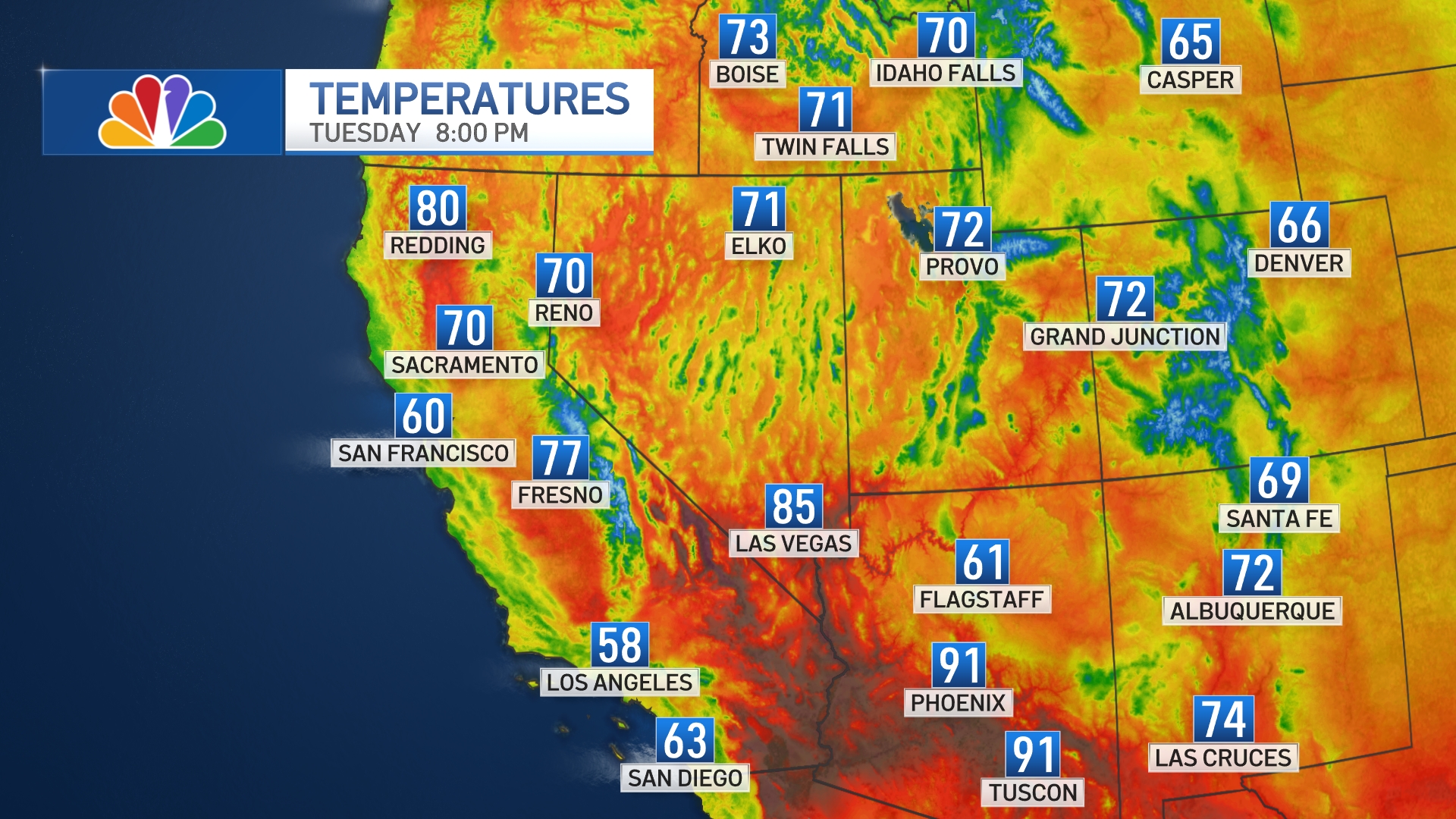
For those who prefer cooler temperatures, fewer tourists, and potentially lower prices, winter (December to February) offers a different kind of charm. Temperatures are cool but rarely freezing, hovering in the 50s and 60s Fahrenheit (10-18°C). This is an excellent time to enjoy Los Angeles’ rich cultural scene, world-class museums, and cozy cafes without the intense sun. While there’s a higher chance of rain, many days are still sunny and crisp, perfect for a long walk or exploring holiday festivities.
Ultimately, understanding the general temperature patterns and microclimates of Los Angeles is far more useful than a single “current temperature” reading. By considering the time of year and the specific areas you plan to visit, you can confidently prepare for a fantastic California adventure, regardless of what the thermometer reads on any given day.
LifeOutOfTheBox is a participant in the Amazon Services LLC Associates Program, an affiliate advertising program designed to provide a means for sites to earn advertising fees by advertising and linking to Amazon.com. Amazon, the Amazon logo, AmazonSupply, and the AmazonSupply logo are trademarks of Amazon.com, Inc. or its affiliates. As an Amazon Associate we earn affiliate commissions from qualifying purchases.