
Traveling through the Golden State, from the sun-drenched beaches of San Diego to the majestic redwoods of Northern California, often involves extensive driving. Whether you’re embarking on a scenic road trip along Highway 1 or navigating the bustling freeways of Los Angeles, understanding local driving regulations is paramount for a smooth and uninterrupted journey. One often-overlooked aspect for many travelers, particularly those bringing their own vehicles or renting, pertains to window tinting laws. California has specific and strictly enforced rules regarding the legal percentage of tint on vehicle windows, designed primarily for safety and visibility.

Navigating California’s Roads: A Traveler’s Guide to Window Tint Laws
For visitors and residents alike, knowing the legal window tint limits in California is crucial. Non-compliance can lead to unexpected fines and a disruption to your travel plans. The state’s regulations are based on Visible Light Transmission (VLT), which measures the percentage of light that passes through the tinted window. A higher VLT percentage means more light passes through, making the tint lighter, while a lower VLT percentage indicates a darker tint.
The primary reasons behind California’s stringent tint laws are road safety and law enforcement visibility. Clear windows ensure that drivers have an unobstructed view of their surroundings, reducing the risk of accidents. For law enforcement, the ability to see into a vehicle is essential for officer safety during traffic stops and for identifying occupants. While tint offers benefits like reduced glare and interior heat, California prioritizes these safety considerations.
Why Tint Laws Matter for Travelers
Imagine you’re driving your personal vehicle from out of state, where tint laws might be more lenient, or you’ve rented a car locally that happens to have non-compliant tint. A simple traffic stop for a minor infraction could quickly escalate if an officer observes illegal window tint. This could result in a “fix-it” ticket, requiring you to remove the tint and prove compliance, or a monetary fine, potentially delaying your itinerary or impacting your budget. Being informed allows you to proactively address these issues, ensuring your travel experience remains enjoyable and free of legal complications.
The Specifics: Understanding VLT in California
California Vehicle Code Section 26708 dictates the state’s window tint laws, making specific distinctions for different windows of a vehicle. These regulations apply to all passenger vehicles, light trucks, and SUVs.
Front Side Windows: The 70% Rule
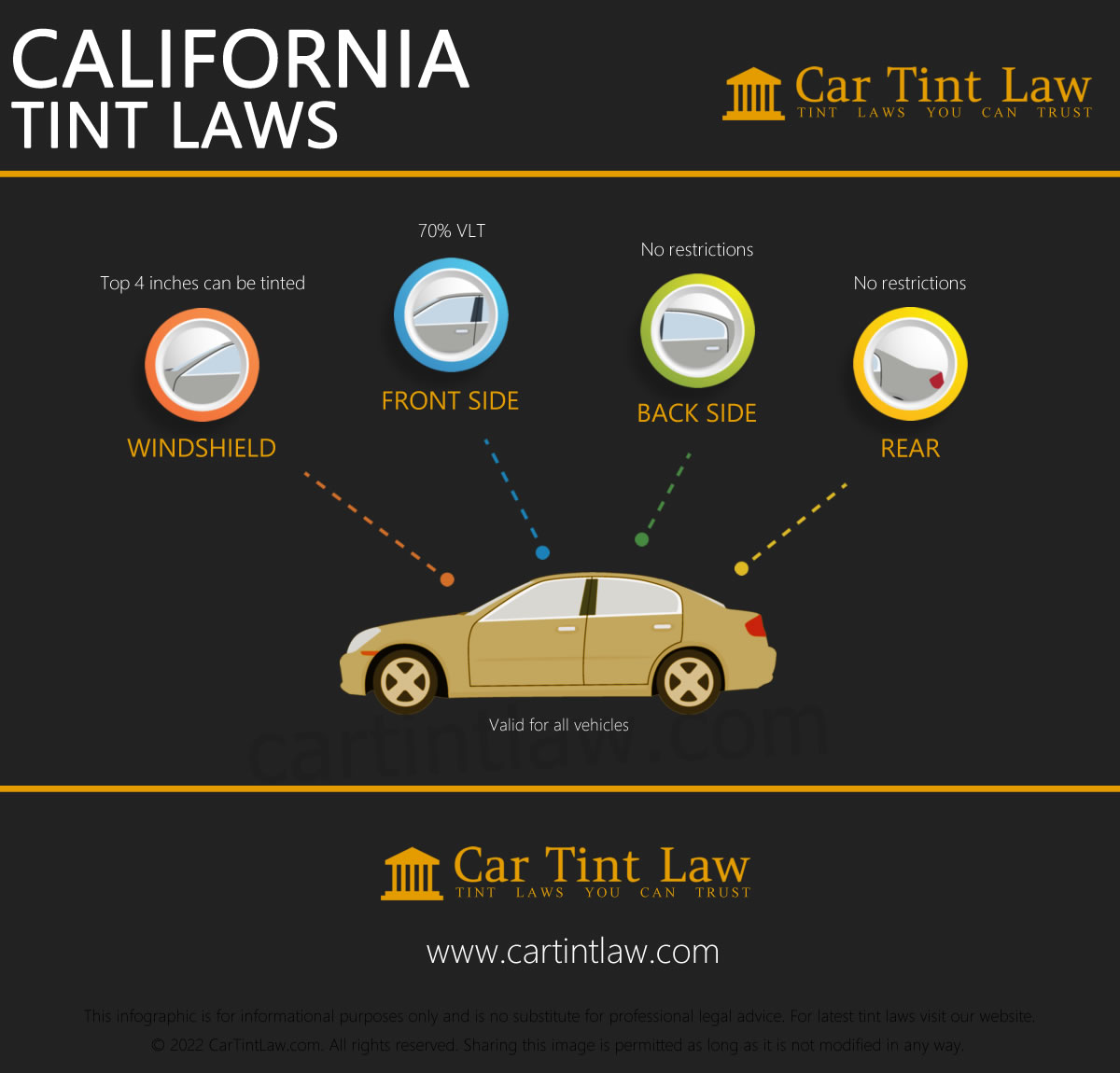
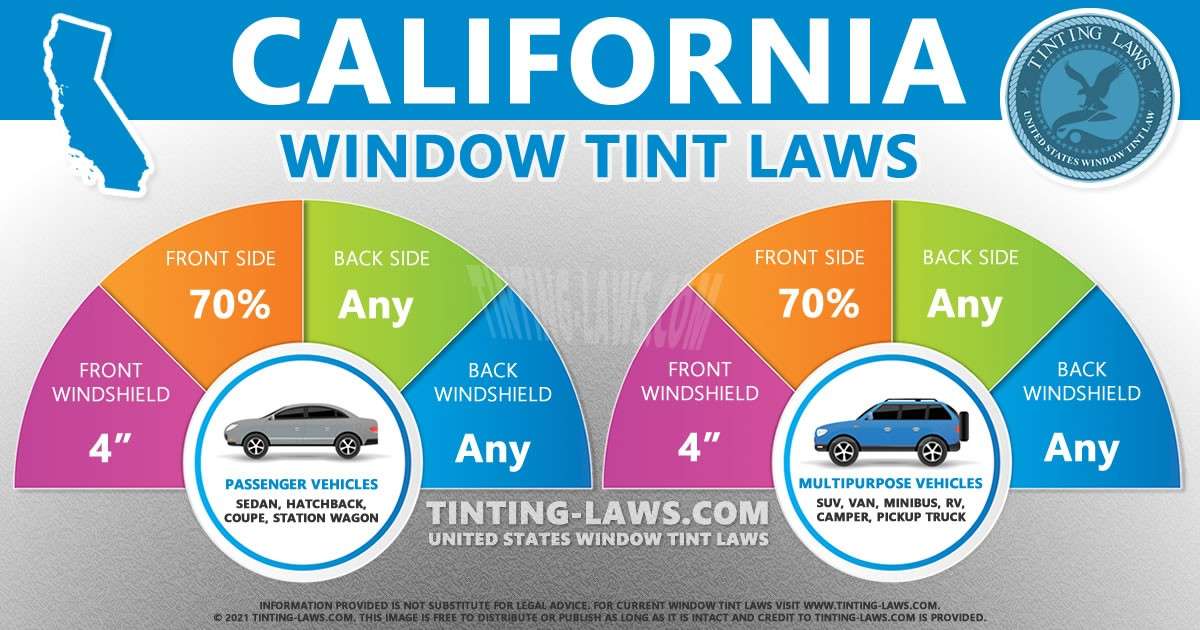
The most critical regulation for travelers to remember concerns the front side windows – those to the immediate left and right of the driver. California law mandates that these windows must allow at least 70% of visible light to pass through. This effectively means that any aftermarket tint applied to these windows must have a VLT of at least 70%. In practical terms, a 70% VLT tint is very light and often appears nearly transparent, primarily offering UV protection rather than significant darkening. This rule is strictly enforced to ensure maximum visibility for the driver and to allow law enforcement clear sight into the vehicle’s cabin.
It’s important to note that many vehicle manufacturers integrate a slight tint into the glass itself during production. This factory tint is generally factored into the 70% VLT, so adding any aftermarket film on top of it will likely push the total VLT below the legal limit. Therefore, if your vehicle already has a factory tint, adding more tint to the front side windows is almost certainly illegal.
Rear Side and Rear Windows: More Flexibility
For the rear side windows (behind the driver’s seat) and the rear window (windshield), California tint laws offer considerably more flexibility. There are no specific VLT limits for these windows, meaning you can have them tinted as dark as you wish, including 5% (limo tint) or even 0% (if such a product existed). This allowance recognizes that visibility through these windows is less critical for immediate driving safety, as the primary fields of vision are forward and to the sides of the driver.
However, there’s a crucial caveat: if the rear window is tinted, the vehicle must have working dual side mirrors (one on the left and one on the right) to ensure the driver has adequate rearward visibility. Most modern vehicles come standard with these mirrors, but it’s a point to verify, especially for older or custom vehicles.
Windshield: The AS-1 Line Exception
The windshield, the largest and most critical window for forward visibility, has the strictest tinting rules. No aftermarket tint is allowed on the main portion of the windshield below the “AS-1 line.” The AS-1 line is a manufacturer’s mark, typically found near the top of the windshield, indicating the maximum allowable area for tinting. If you can’t locate an AS-1 line, the tint strip must not extend more than 4-5 inches down from the top of the windshield. This small strip is primarily for sun glare reduction and must be non-reflective and transparent. The purpose is to prevent any obstruction of the driver’s forward view.
Reflective and Colored Tints
Beyond the VLT percentages, California law also addresses the type and color of tint. Reflective or mirrored window tint is illegal on any window in California. Such tints can cause glare for other drivers, creating a potential hazard. Similarly, tints that are red, amber, or blue are also prohibited, as they can interfere with the recognition of traffic signals or emergency vehicle lights. Only clear, neutral gray, or smoke-colored tints are generally acceptable within the VLT limits.
Penalties and Enforcement for Visitors
Getting caught with illegal window tint in California can lead to a non-moving violation, typically resulting in a base fine of around $25, which can increase significantly with court fees and surcharges, often totaling over $100. More importantly for travelers, it often comes with a “fix-it” ticket. This means you’ll be required to remove the illegal tint and provide proof of correction to the court or law enforcement agency within a specified timeframe. For someone on vacation or a business trip, this can be an enormous inconvenience, potentially requiring an unexpected stop at a tint shop, legal fees, and administrative hassle, all while trying to enjoy your stay in California. Failure to comply with a fix-it ticket can lead to further penalties, including higher fines or even a hold on your vehicle registration.
Before You Hit the Road: Tips for Renters and Out-of-State Drivers
To avoid any issues during your [California](https://lifeoutofthebox.com/california] travels, here are some proactive tips:
Renting a Car in California
If you’re renting a vehicle within California, rest assured that reputable rental car companies will provide vehicles that comply with state laws. However, it’s always good practice to do a quick visual check, especially if you notice very dark tint on the front side windows, which is highly unlikely but not impossible with older or privately rented vehicles.
Driving a Car from Another State
This is where most travelers encounter problems. If your home state has more lenient tint laws, your vehicle’s tint may be illegal in California. There is no “grace period” for out-of-state vehicles regarding tint laws; the moment you cross the border, you are subject to California’s regulations. Before your trip, measure your front window tint’s VLT, or consider having illegal tint removed to avoid potential issues. A simple way to check is to look into your car’s front windows from the outside; if it’s difficult to see clearly into the driver’s seat, your tint is likely too dark for California.
Medical Exemptions
California law does allow for medical exemptions for individuals who have documented medical conditions that require protection from the sun’s rays. To qualify, you must obtain a doctor’s note or a signed affidavit from a licensed physician specifying the need for darker tint. Even with an exemption, there are still guidelines on the type and placement of tint, and the medical documentation must be kept in the vehicle at all times. This is a rare exception and not applicable to most travelers.
Beyond the Law: Practical Considerations for Travel
While adhering to the law is non-negotiable, understanding the practical implications of window tint can enhance your travel experience. California’s sunny climate, particularly during summer months in destinations like Palm Springs or the Central Valley, means intense UV exposure. Even legal, lighter tints (70% VLT) can offer significant UV protection for you and your passengers, helping to keep the interior cooler and protecting upholstery from sun damage.
Privacy is another factor, especially for those with valuables in the back seat or traveling through urban areas. The flexibility to have darker tint on rear and rear side windows offers a degree of privacy that can be comforting. However, always prioritize safety and visibility. At night, even legal tint can slightly reduce visibility, so extra caution is always advised.
In conclusion, a fantastic California adventure starts with preparedness. By understanding and complying with the state’s window tint laws, you can ensure a safer, more enjoyable, and legally trouble-free journey, allowing you to focus on the breathtaking scenery and unique experiences the Golden State has to offer.
LifeOutOfTheBox is a participant in the Amazon Services LLC Associates Program, an affiliate advertising program designed to provide a means for sites to earn advertising fees by advertising and linking to Amazon.com. Amazon, the Amazon logo, AmazonSupply, and the AmazonSupply logo are trademarks of Amazon.com, Inc. or its affiliates. As an Amazon Associate we earn affiliate commissions from qualifying purchases.