
California, often celebrated as the Golden State, is a land of unparalleled diversity, not just in its landscapes and cultural offerings, but also in its climate. Travelers often wonder about the optimal time to visit, and a common query revolves around deciphering its hottest month. The answer, however, is rarely a simple one-word response, as California’s vastness encompasses several distinct climate zones, each with its own peak temperature patterns. Understanding these nuances is key to planning an enjoyable and comfortable trip across its varied terrain.
Navigating California’s Diverse Climates
To truly grasp when and where California experiences its peak heat, it’s essential to first appreciate the state’s significant geographical variations. From sun-drenched beaches to arid deserts, towering mountains to fertile valleys, California’s topography creates a complex mosaic of microclimates. What might be the perfect warm day along the coast could be an oppressive inferno just a few hours inland.

Coastal California’s Mild, Delayed Summers
The iconic coastline of California, stretching from San Diego in the south to the redwood forests of the north, is heavily influenced by the cool, stabilizing presence of the Pacific Ocean. This marine layer acts as a natural air conditioner, moderating temperatures year-round. As a result, coastal cities like Los Angeles, Santa Monica, La Jolla, and San Francisco rarely experience the scorching heat waves that characterize inland areas during traditional summer months.
In fact, the early summer along the coast is often marked by phenomena known as “May Gray” and “June Gloom,” where persistent low clouds and fog keep temperatures relatively cool, often in the 60s Fahrenheit (15-20°C). For many coastal destinations, the warmest, sunniest weather typically arrives later in the year, often in September and sometimes extending into October. This period, known as “Indian Summer,” sees the marine layer recede, allowing for clearer skies and temperatures that can comfortably reach the 70s and low 80s Fahrenheit (21-28°C), making it a prime time for beach visits and exploring seaside towns. So, if your travel plans focus primarily on the coast, prepare for pleasant warmth rather than extreme heat, with the actual “hottest” time often shifting to early autumn.
Inland Valleys and Deserts: The Epicenter of Summer Heat
Venturing inland, away from the ocean’s moderating influence, reveals a dramatically different picture. The Central Valley, a vast agricultural heartland encompassing cities like Sacramento and Fresno, experiences true, intense summer heat. Here, July and August are undeniably the hottest months, with average daytime temperatures consistently soaring into the high 90s and often exceeding 100°F (38°C). The absence of ocean breezes, coupled with dry air, allows temperatures to build up considerably.
Even more extreme are California’s desert regions, including popular destinations like Palm Springs, Death Valley, and Joshua Tree National Park. These areas record some of the highest temperatures on Earth. In Death Valley National Park, for instance, July routinely sees average daily high temperatures well over 110°F (43°C), with many days exceeding 120°F (49°C). Traveling through these areas during July and August requires careful planning, focusing on early morning or late evening activities, and constant hydration. For these specific regions, July and August are definitively the hottest months, presenting a unique set of challenges and experiences for intrepid travelers.
Mountain Regions: Alpine Retreats in Summer
High in the Sierra Nevada and other mountain ranges, the summer months of July and August bring the warmest and most pleasant conditions. Destinations like Lake Tahoe, Yosemite National Park, and Mammoth Lakes transform into hiker’s paradises, with clear skies and comfortable daytime temperatures typically ranging from the 70s to low 80s Fahrenheit (21-28°C). While these are their “hottest” months compared to other times of the year, the heat is usually dry and enjoyable, making it ideal for outdoor activities like hiking, camping, and water sports. Evenings at higher elevations can still be cool, necessitating layers.
Pinpointing the Hottest Month Across the Golden State
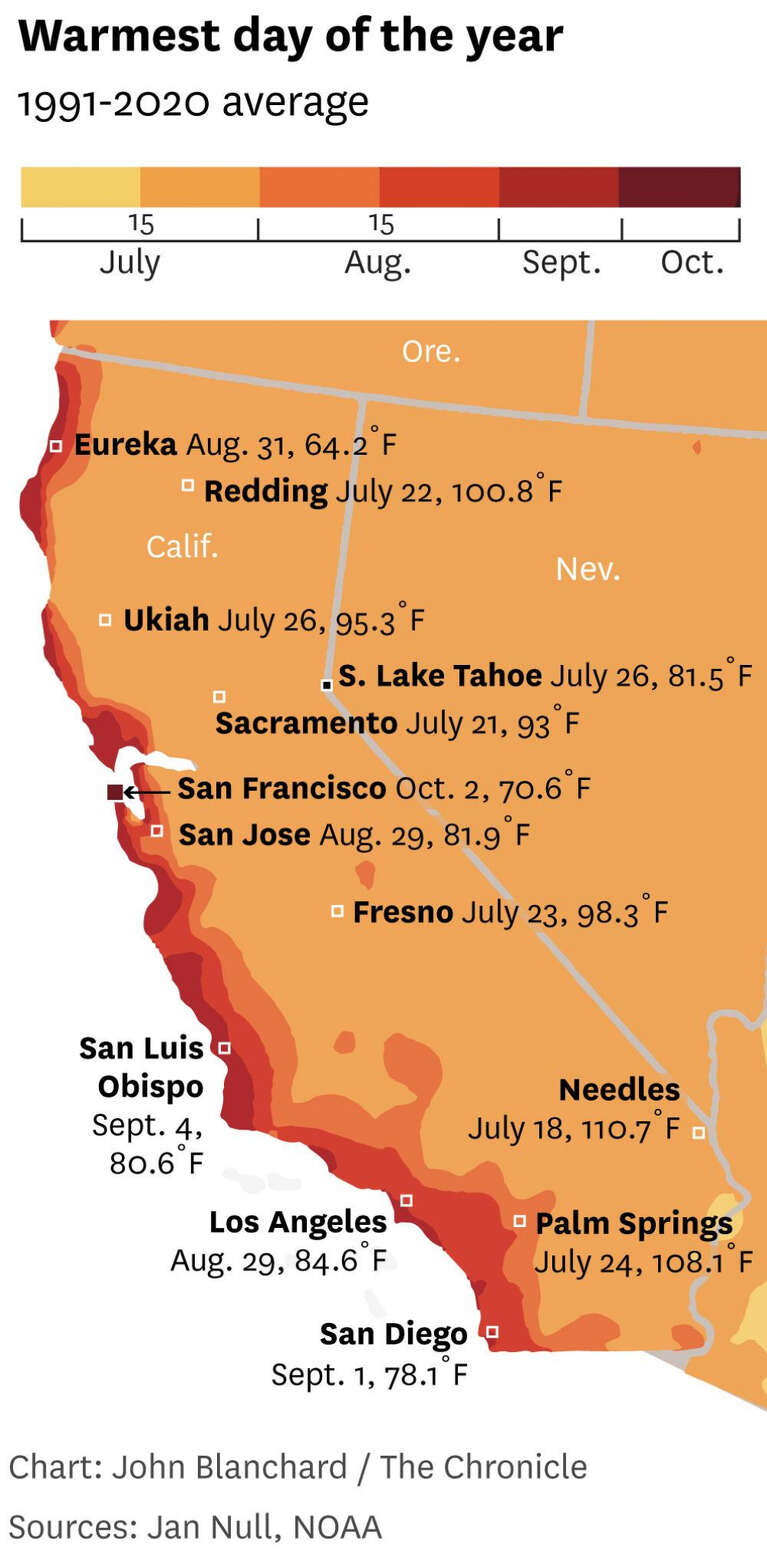
Considering the varied climates, a generalized answer to “What’s the hottest month in California?” points overwhelmingly to July and August. These two months mark the peak of summer heat for the vast majority of the state’s landmass, particularly in the expansive inland valleys, desert plains, and most mountain areas. The sun’s highest angle, longest daylight hours, and the sustained lack of marine influence inland allow temperatures to reach their zenith.
While the coastal strip might experience its warmest and clearest weather in September or even October due to the delayed dissipation of the marine layer, the sheer geographic dominance of inland and desert regions means that July and August are statistically and experientially the hottest for the overall state. Travelers seeking intense heat will find it in spades in the deserts, while those preferring warmer but tolerable conditions will enjoy the mountains. Coastal areas during these months offer a refreshing escape from the heat, with generally mild and often overcast mornings giving way to pleasant afternoons.
Planning Your California Travel Around the Heat
Understanding California’s temperature patterns is crucial for tailoring your travel itinerary to your preferences and ensuring a comfortable experience.
Summer Travel (June-August) Considerations
If your travel dates fall within the traditional summer months, embracing the heat (or strategically avoiding it) is key:
- Pros: Long daylight hours, ideal for enjoying coastal beaches and exploring mountain trails without snow cover, and vibrant summer events.
- Cons: Extreme heat in inland and desert areas can be debilitating, higher crowds at popular attractions, and peak season pricing for flights and accommodations.
- Tips:
- Coastal Focus: Prioritize destinations like Big Sur, Santa Monica, San Diego, or San Francisco for milder temperatures.
- Mountain Escapes: Head to Lake Tahoe or Yosemite National Park for cooler air and active adventures.
- Desert Strategy: If visiting deserts, plan activities for very early mornings or late evenings, spend midday indoors, and always prioritize hydration.
- Book Ahead: Especially for popular destinations, secure accommodations and tours well in advance.
Fall Shoulder Season (September-October): Often the “Sweet Spot”
For many discerning travelers, the period of September and October offers the quintessential California travel experience, especially if warm but not scorching weather is desired.
- Coastal Perfection: This is when Southern California beaches and Northern California coastal areas truly shine, often experiencing their warmest, clearest days with fewer crowds than in peak summer.
- Milder Inland: The intense heat of the Central Valley and deserts begins to subside, making these regions more tolerable for exploration.
- Harvest Season: It’s harvest time in wine regions like Napa Valley and Temecula Valley, offering unique tasting experiences amidst beautiful autumn colors.
- Fewer Crowds: With schools back in session, many popular attractions are less crowded, leading to a more relaxed travel pace.
Essential Tips for Traveling California’s Summer Heat
Whether you intentionally seek the heat or simply find your travel plans aligning with it, preparing for California’s summer temperatures is crucial for a comfortable and safe journey.
- Hydration is Paramount: Always carry ample water, especially if you plan to be outdoors, even in seemingly mild coastal areas. In deserts and inland valleys, this becomes a matter of safety. Dehydration can set in quickly.
- Sun Protection: California’s sun is powerful. Pack and use high-SPF sunscreen, wear wide-brimmed hats, and don sunglasses. Long-sleeved, light-colored clothing made from breathable fabrics can also offer significant protection.
- Layering is Key: While daytime temperatures can be high, coastal evenings, and especially mountain nights, can become quite cool. Always bring layers, even in summer, to adjust to changing conditions.
- Vehicle Preparation: If undertaking a road trip, particularly through long stretches of desert or inland areas, ensure your vehicle is in top condition. Check tires, fluid levels, and, crucially, that the air conditioning is fully functional. A breakdown in extreme heat can be dangerous.
- Air Conditioning: When booking accommodations, verify that air conditioning is available and reliable, especially if staying outside coastal zones. What might be a luxury elsewhere is often a necessity in inland California during summer.
- Strategic Activity Timing: For strenuous outdoor activities like hiking or biking in hot regions, plan them for the early morning hours (before 9 AM) or late afternoons/evenings (after 5 PM) to avoid the most intense midday sun and heat.
- Flexibility and Backup Plans: Be prepared to adapt your plans on extremely hot days. Have indoor alternatives, such as museums, aquariums, or shopping centers, for unexpected heat waves. Always check local weather forecasts specific to your destination leading up to and during your trip.
In conclusion, while July and August generally stand out as the hottest months across the majority of California, the state’s incredible climatic diversity means that travelers can often find a comfortable temperature zone that aligns with their preferences. Whether seeking the scorching desert sun, the invigorating mountain air, or the mild coastal breezes, a little research and strategic planning will ensure your California adventure is nothing short of golden.
LifeOutOfTheBox is a participant in the Amazon Services LLC Associates Program, an affiliate advertising program designed to provide a means for sites to earn advertising fees by advertising and linking to Amazon.com. Amazon, the Amazon logo, AmazonSupply, and the AmazonSupply logo are trademarks of Amazon.com, Inc. or its affiliates. As an Amazon Associate we earn affiliate commissions from qualifying purchases.