
The democratic process is a cornerstone of American society, and in the vibrant tapestry of the Golden State, understanding when and how to participate in elections is an integral part of the Californian lifestyle. Far more than just a procedural query, knowing when polls are open in California reflects a deeper engagement with the state’s dynamic civic life, community values, and the future trajectory of its diverse regions, from the bustling streets of Los Angeles to the innovative hubs of Silicon Valley. For residents, long-term visitors, or anyone with a vested interest in the state’s pulse, civic participation is a defining characteristic, shaping everything from local governance to statewide policy and the overall quality of life.

Understanding California’s Voting Landscape
California has progressively evolved its electoral system to prioritize accessibility and convenience, making the act of voting a flexible component of its residents’ busy lifestyles. The traditional image of waiting in line at a polling place on Election Day, while still a valid option, has been augmented by a robust system designed to integrate seamlessly into modern living. This transformation reflects a broader societal commitment to ensuring every eligible voice can be heard, underpinning the civic ethos that defines life in the state.
Key Election Dates and Hours
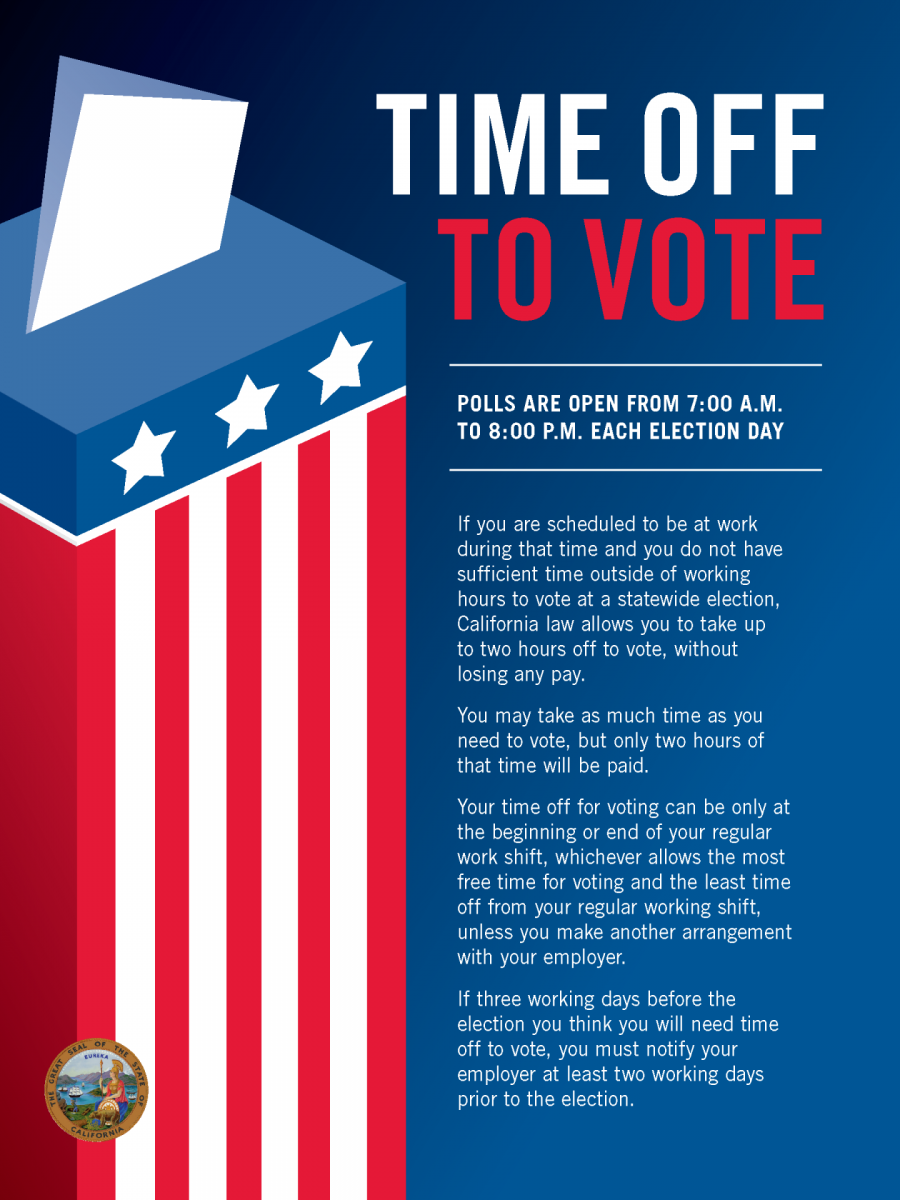
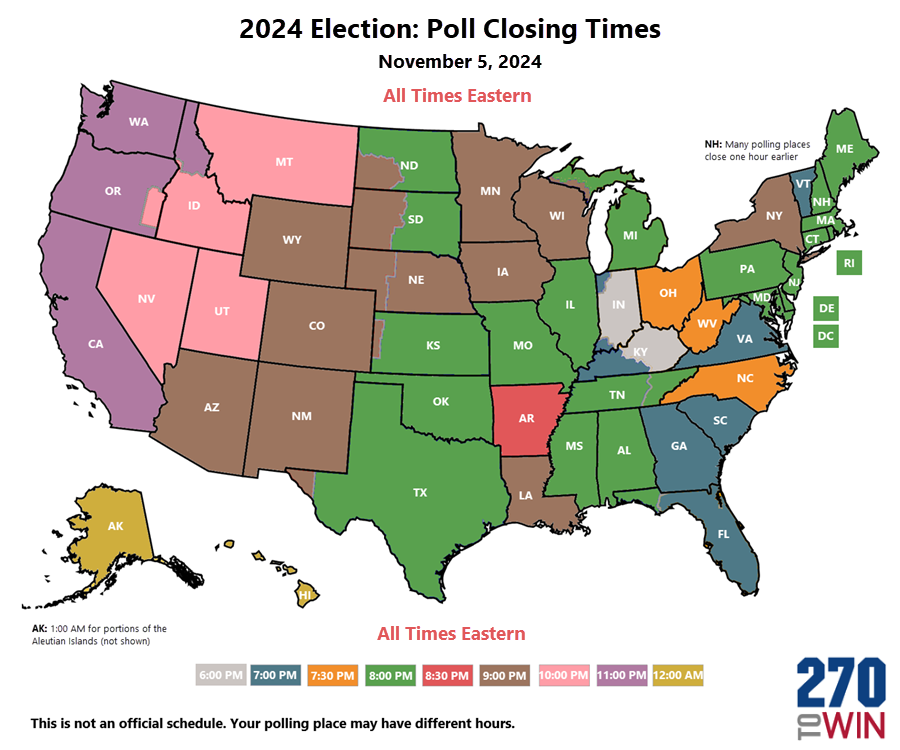
The most straightforward answer to “When are polls open?” typically refers to in-person voting centers on Election Day. For most statewide general elections in California, polls are open from 7:00 AM to 8:00 PM Pacific Time on the official Election Day. This 13-hour window provides ample opportunity for individuals to cast their ballot before or after work, or to incorporate voting into their daily routines. Federal and state laws ensure that anyone in line by 8:00 PM is permitted to cast their vote, regardless of how long the wait may be.
Beyond the general elections, California also holds primary elections, special elections for vacant offices, and local municipal elections, each with their own specific dates. These dates are crucial for active citizens who wish to influence local governance, which directly impacts community services, schools, and neighborhood development – all vital aspects of the Californian lifestyle. The Secretary of State of California‘s website serves as the definitive source for these critical dates, providing a clear roadmap for civic engagement throughout the year.
The Rise of Early and Mail-In Voting
A defining feature of California’s modern electoral system, and a significant convenience for its dynamic population, is the widespread adoption of early voting and vote-by-mail. This flexibility has fundamentally reshaped the “when” of voting, extending it far beyond a single Election Day.
Since 2020, all registered voters in California receive a vote-by-mail ballot automatically. These ballots are typically mailed out approximately 29 days before Election Day, giving voters nearly a month to research candidates, consider propositions, and complete their ballot at their leisure. This allows voting to be integrated into one’s personal schedule, reflecting a lifestyle that values both convenience and informed decision-making. Voters can return their completed ballots via:
- Mail: Postmarked by Election Day and received by election officials within 7 days.
- Official Drop Boxes: Secure drop boxes are available at various locations, including libraries and community centers, from the day ballots are mailed out until 8:00 PM on Election Day. This option provides a quick and secure way to submit ballots without relying on postal services.
- Voting Centers: In-person voting centers open several days or even weeks before Election Day in many counties, offering an alternative to traditional polling places. These centers provide services such as voter registration, provisional balloting, and language assistance, catering to a diverse populace.
The emphasis on early and mail-in voting underscores a lifestyle in California that values proactive participation and recognizes the varying demands on individuals’ time. It transforms voting from a rigid, single-day event into a flexible window for civic duty.
Civic Engagement as a Californian Lifestyle Element
Beyond the mechanics of casting a ballot, civic engagement in California is a deeply embedded aspect of its social and cultural lifestyle. The act of voting is often just one facet of a broader commitment to community, advocacy, and the democratic ideals that shape life in the state. This active participation contributes to the unique character and progressive spirit for which California is known.
Beyond the Ballot Box: Community Involvement
The “polls” being open extends beyond the physical act of voting; it represents a period of heightened civic dialogue and community mobilization. Many Californians express their lifestyle through active involvement in political campaigns, volunteering for causes they believe in, or participating in grassroots movements. This can include:
- Campaign Volunteering: Knocking on doors, making phone calls, or assisting with campaign logistics are common ways residents invest their time, reflecting a passion for particular candidates or issues.
- Advocacy Groups: California is home to countless advocacy organizations, from environmental conservation groups to social justice initiatives. Participation in these groups is a core lifestyle choice for many, driving policy debates and public awareness, especially during election cycles.
- Public Forums and Town Halls: Attending and participating in local government meetings or candidate forums provides direct engagement, allowing residents to voice concerns and influence decision-makers. This direct interaction helps shape the character of communities like San Francisco or San Diego.
These activities demonstrate that for many, the electoral period is a lifestyle choice that involves more than just a single visit to a polling station. It is a time of increased social connectivity and collective action.
The Impact on Local Culture and Discourse
Election cycles profoundly influence the cultural and intellectual discourse across California. From lively debates in university towns to passionate discussions in neighborhood cafes, political topics become a more prominent feature of daily life. Media outlets, both traditional and digital, dedicate extensive coverage, shaping public opinion and informing citizens. This constant flow of information and debate contributes to an engaged and often critical populace, a hallmark of the Californian lifestyle.
Furthermore, the results of these open polls directly affect the cultural fabric through policy changes. Decisions made at the ballot box can influence funding for arts programs, environmental regulations that impact outdoor recreation, or urban planning initiatives that redefine cityscapes. Thus, the “polls opening” marks a critical juncture for both the immediate future and the long-term cultural evolution of the state.
Navigating the Electoral Process for Residents and Long-Term Visitors
For anyone making California their home, whether permanently or for an extended period, understanding the practical aspects of voting is essential to fully embrace the lifestyle of civic participation. The process is designed to be user-friendly, but knowing the key steps ensures a smooth and impactful experience.
Voter Registration Essentials
The first step to participating when polls are open is to be a registered voter. In California, eligibility requirements are straightforward:
- Be a U.S. citizen and a resident of California.
- Be at least 18 years old by Election Day.
- Not currently in state or federal prison for the conviction of a felony.
- Not currently found mentally incompetent to vote by a court.
California offers same-day voter registration, allowing eligible individuals to register and cast a provisional ballot at any voting center up to and including Election Day. This “conditional voter registration” ensures that even those who miss the standard 15-day registration deadline can still exercise their right to vote, reflecting the state’s commitment to maximum participation. This flexibility supports a lifestyle where civic duty can be fulfilled even amidst life’s unexpected turns.
Finding Your Polling Place
While most Californians now vote by mail, traditional in-person voting centers remain vital resources. These locations are particularly important for those who prefer to vote in person, require assistance, or need to register on Election Day. Finding your specific polling place or any accessible vote center is simplified through the Secretary of State of California’s online tools. By entering your address, voters can locate the nearest options, hours of operation, and available services.
For residents in larger metropolitan areas like Oakland or Sacramento, these centers are often strategically located in schools, community centers, or public libraries, making them accessible via public transport or a short drive. The availability of multiple voting options reinforces the idea that civic participation should accommodate diverse lifestyles and needs.
The Broader Social Tapestry: What Elections Mean for California Living
The act of polls being open in California is more than a momentary event; it is a recurring ritual that weaves itself into the state’s social tapestry, profoundly influencing its future and the daily lives of its inhabitants. The choices made at the ballot box have long-lasting effects on everything from economic policy to environmental protection, shaping the very definition of the Californian lifestyle.
Policy Impact on Daily Life
Every election in California has direct implications for daily life. Propositions on the ballot can dictate property taxes, education funding, healthcare access, and infrastructure development. The election of governors, state legislators, and local officials directly influences the regulatory environment, public services, and overall governance. For instance, policies related to housing affordability in cities like San Jose, environmental conservation along the coast, or transportation initiatives in sprawling urban centers are all shaped by the collective will of the voters. Engaging with the electoral process is, therefore, a direct way to influence the practical aspects of one’s lifestyle in California.
A Legacy of Participation
California has a rich history of political activism and citizen engagement. The period when polls are open is a continuation of this legacy, providing a platform for collective decision-making and the expression of diverse viewpoints. For many, participating in elections is not merely a duty but a privilege and an opportunity to contribute to the progressive narrative of the state. It fosters a sense of ownership and responsibility for the community and its future. This active and informed participation strengthens the democratic foundations of the Golden State, making civic engagement a truly emblematic aspect of the Californian way of life.
LifeOutOfTheBox is a participant in the Amazon Services LLC Associates Program, an affiliate advertising program designed to provide a means for sites to earn advertising fees by advertising and linking to Amazon.com. Amazon, the Amazon logo, AmazonSupply, and the AmazonSupply logo are trademarks of Amazon.com, Inc. or its affiliates. As an Amazon Associate we earn affiliate commissions from qualifying purchases.