
Understanding California’s Democratic Landscape
California, a state renowned for its sprawling landscapes, vibrant cities, and innovative spirit, is also a beacon of active civic participation. For residents and those considering making the Golden State their home, understanding the democratic process is an integral part of engaging with the local culture and contributing to the community’s future. From local elections that shape neighborhoods to statewide initiatives that impact millions, voting in California is a fundamental right and responsibility. This guide delves into the specifics of when and how individuals can participate in the electoral system, providing a clear pathway for civic engagement in one of the most populous and politically dynamic states in the US.
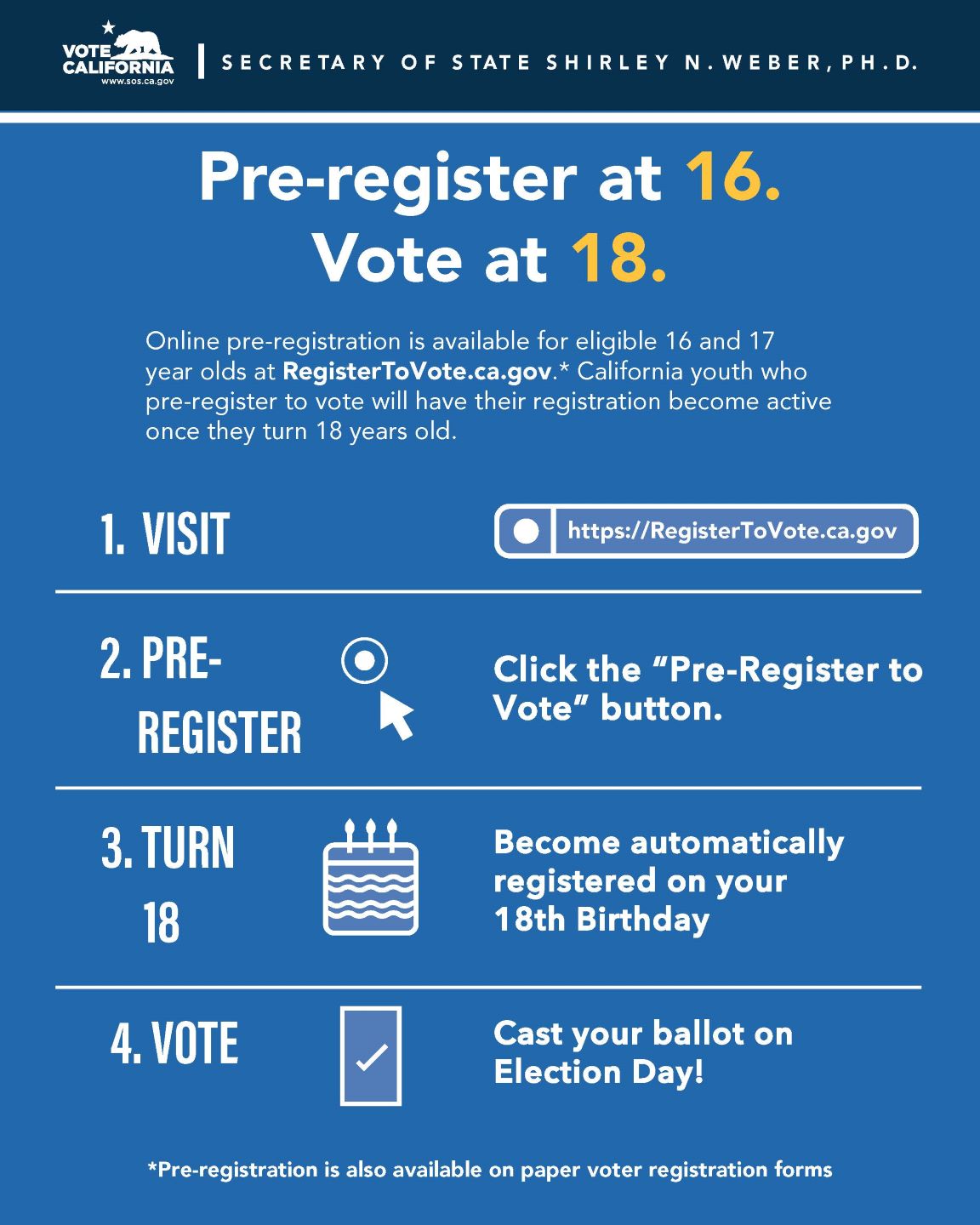
Eligibility and Voter Registration in the Golden State
Participating in California’s elections begins with understanding who is eligible to vote and how to properly register. The state prides itself on accessible voting, but certain criteria must be met to ensure the integrity of the electoral process.
Who is Eligible to Vote?
To cast a ballot in California, an individual must satisfy several core requirements:
- Citizenship: You must be a US citizen. This is a federal requirement for voting in all state and federal elections.
- Age: You must be at least 18 years old by Election Day.
- Residency: You must be a resident of California. There is no specific duration required for residency; once you establish residency, you are generally eligible.
- Felony Disenfranchisement: You must not be currently serving a state or federal prison term for the conviction of a felony. Crucially, in California, those on parole, probation, or who have completed their sentence (including those with past felony convictions) have their voting rights restored and are eligible to register and vote. This progressive approach ensures broader civic participation.
- Mental Competency: You must not currently be found mentally incompetent to vote by a court.
These requirements ensure that the electoral process is open to all qualified citizens, reflecting the state’s diverse population.
How to Register to Vote
Registering to vote in California is a straightforward process, designed for convenience and accessibility. The deadline to register for any election is 15 days before Election Day. However, California offers Conditional Voter Registration (CVR), allowing individuals to register and vote conditionally up to and including Election Day.
Here are the primary methods for registration:
- Online Registration: The easiest and most common method is to register online through the California Secretary of State‘s official voter registration website. This secure portal guides applicants through the process, requiring a California driver’s license or DMV identification card number, or the last four digits of their social security number.
- Mail-in Registration: Paper voter registration forms are available at post offices, public libraries, DMV offices, and county election offices. These forms can be filled out and mailed to the appropriate county election official.
- In-person Registration: You can register in person at any county election office or at the DMV when applying for or renewing your driver’s license or state ID card.
- Automatic Voter Registration: California implements an automatic voter registration system through the DMV. Eligible citizens conducting transactions at the DMV are automatically registered to vote unless they opt out.
Once registered, voters receive a sample ballot and a voter information guide prior to each election, detailing candidates, ballot measures, and polling place information.
Navigating Election Types and Voting Methods
California’s electoral system features a variety of election types and multiple convenient methods for casting a ballot, designed to maximize participation.
Types of Elections in California
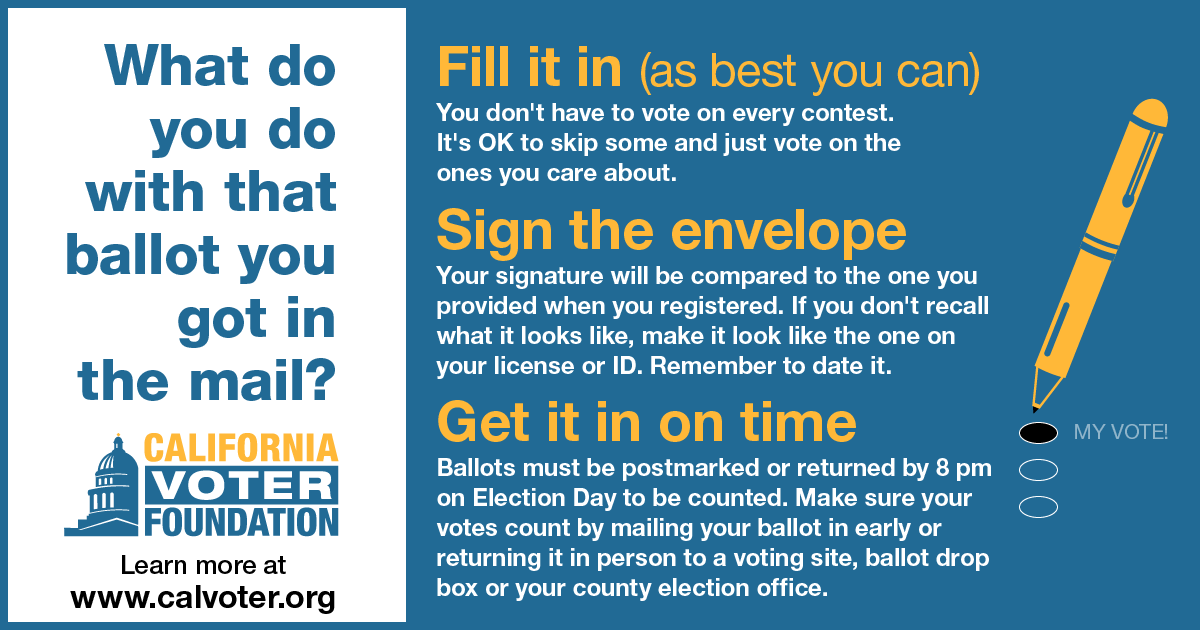
Understanding the different elections is crucial for civic engagement:
- Primary Elections: These elections precede general elections and allow voters to select party nominees for various offices or, in California’s “Top Two Voters-Choose Primary,” to select the top two candidates regardless of party affiliation who will then advance to the general election. This system applies to most state and federal contests.
- General Elections: Held in even-numbered years on the first Tuesday after the first Monday in November, general elections determine who fills elected offices, from the President of the United States and members of Congress to state legislators and local officials.
- Special Elections: These are called to fill vacancies in elected offices or to vote on specific ballot measures outside the regular election schedule.
- Local Elections: Many cities, counties, and special districts hold their own elections for city councils, school boards, water boards, and other local positions. These often occur at different times than state and federal elections and can have a profound impact on daily life in communities like Los Angeles, San Francisco, and San Diego.
- Ballot Propositions and Initiatives: A unique and powerful aspect of California’s democratic process is the frequent use of ballot measures. Citizens can propose and vote on laws, constitutional amendments, and bond issues directly, bypassing the legislature. These initiatives cover a wide array of topics, from environmental regulations to tax policies, and are a direct reflection of the state’s engaged electorate.
Voting Methods
California has embraced various voting methods to ensure every eligible citizen can cast their ballot with ease:
- Vote-by-Mail: As of 2021, all active registered voters in California receive a ballot in the mail for every election. This means you can complete your ballot at home and return it via mail, a secure drop box, or in person at any voter center or polling place in your county. Mail-in ballots are sent out at least 29 days before Election Day.
- In-Person Voting: For those who prefer to vote in person, California counties offer voter centers or polling places. Voter centers typically open several days before Election Day and offer more services, such as conditional voter registration and replacement ballots, compared to traditional polling places which are generally only open on Election Day itself.
- Accessibility for Voters with Disabilities: California is committed to making voting accessible for all. Voter centers and polling places are designed to be accessible, and accessible voting equipment is provided. Voters with disabilities can also request accommodations or assistance.
The Impact of Your Vote and Civic Participation
Understanding “When Can You Vote in California?” is just the first step. The true essence of civic life in the Golden State lies in recognizing the profound impact of participation, both through voting and other forms of engagement.
Beyond the Ballot Box: Other Forms of Engagement
While casting a vote is paramount, civic engagement in California extends far beyond the ballot box:
- Understanding Local Issues: Stay informed about the issues affecting your city, county, and state. Local newspapers, community meetings, and official government websites are excellent resources.
- Attending Public Meetings: City council meetings, school board gatherings, and county supervisor sessions are open to the public. Attending these meetings offers direct insight into decision-making processes and provides opportunities to voice concerns.
- Volunteering for Campaigns or Community Organizations: Contributing time and skills to political campaigns or non-profit organizations working on causes you care about is a powerful way to make a difference.
- Advocacy for Specific Causes: Joining advocacy groups, signing petitions, or contacting elected officials directly can influence policy decisions and bring about change on issues ranging from environmental protection to social justice.
These avenues of engagement enrich the democratic fabric of California and offer a deeper understanding of its vibrant culture.
Why Your Vote Matters in California
Every vote cast in California contributes to shaping the state’s future:
- Influence on State and Local Policies: From funding for public education and infrastructure projects to environmental regulations and housing policies, the outcomes of elections directly impact the laws and services that govern daily life.
- Shaping the Future of Communities: Local elections determine who leads cities like Los Angeles, San Francisco, and San Diego, influencing everything from public safety to urban planning. Your vote ensures that your community’s unique needs and aspirations are represented.
- Reflecting the Diverse Voices of the State: California is incredibly diverse, and the electoral process is designed to ensure that this rich tapestry of perspectives is reflected in its leadership and policies. High voter turnout strengthens the legitimacy and representativeness of elected bodies.

Key Resources for Voters
To ensure you have accurate and up-to-date information, rely on official and non-partisan sources:
- California Secretary of State: This is the official source for all voter-related information in the state, including registration status, election dates, and ballot information.
- County Election Offices: Each county maintains an election office that can provide specific details about local elections, polling places, and voter services in your area.
- Non-Partisan Voter Information Guides: Organizations like the League of Women Voters and other civic engagement groups often publish non-partisan guides that explain ballot measures and candidate platforms.
Engaging with the democratic process in California is a rewarding experience that connects individuals to the heart of the state’s unique culture and future direction. By understanding when, where, and how to vote, residents can play a vital role in shaping the Golden State for generations to come.
LifeOutOfTheBox is a participant in the Amazon Services LLC Associates Program, an affiliate advertising program designed to provide a means for sites to earn advertising fees by advertising and linking to Amazon.com. Amazon, the Amazon logo, AmazonSupply, and the AmazonSupply logo are trademarks of Amazon.com, Inc. or its affiliates. As an Amazon Associate we earn affiliate commissions from qualifying purchases.