
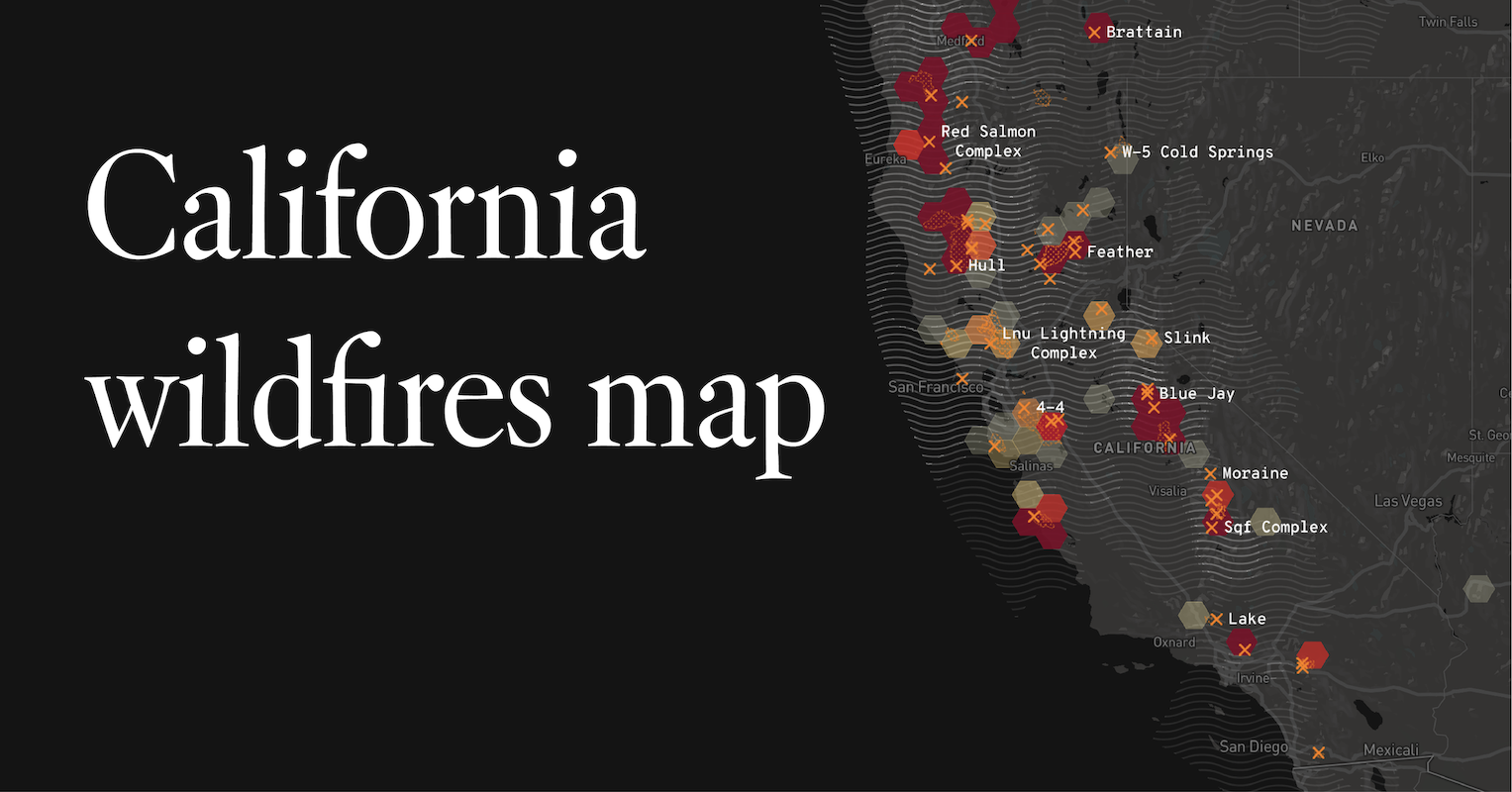
California, a land of diverse landscapes from sun-kissed beaches to towering mountains, vibrant cities to tranquil vineyards, beckons travelers from across the globe. However, its natural beauty also comes with a seasonal challenge: wildfires. For many prospective visitors, the question of “Where are the California forest fires?” is paramount to planning a safe and enjoyable trip. Understanding the dynamics of California’s fire season and how it impacts travel is crucial for navigating this stunning state responsibly. This guide aims to provide travelers with the insights needed to make informed decisions, ensuring their journey through the Golden State is memorable for all the right reasons.
Understanding California’s Fire Season: A Traveler’s Perspective
California’s Mediterranean climate, characterized by hot, dry summers and mild, wet winters, creates an environment where wildfires are a natural, albeit destructive, phenomenon. The fire season typically runs from late spring through late autumn, often peaking in August, September, and October, when vegetation is driest and strong winds (like the Santa Anas in the south or the Diablo winds in the north) can quickly spread flames.
Historical Context and Seasonal Patterns
While wildfires have always been a part of California’s ecological cycle, recent decades have seen an increase in their frequency and intensity, attributed to factors such as climate change, prolonged droughts, and historical fire suppression practices leading to fuel accumulation. As a traveler, it’s important to recognize that a statewide fire does not exist; fires are localized events. While one region might be actively battling a blaze, vast expanses of the state remain entirely unaffected and open for tourism. The key is to stay informed about specific areas and current conditions rather than making broad assumptions.
Current Fire Status: Resources for Travelers
For travelers, reliable, real-time information is your best friend. Before and during your trip, leverage official sources to monitor fire activity and air quality.
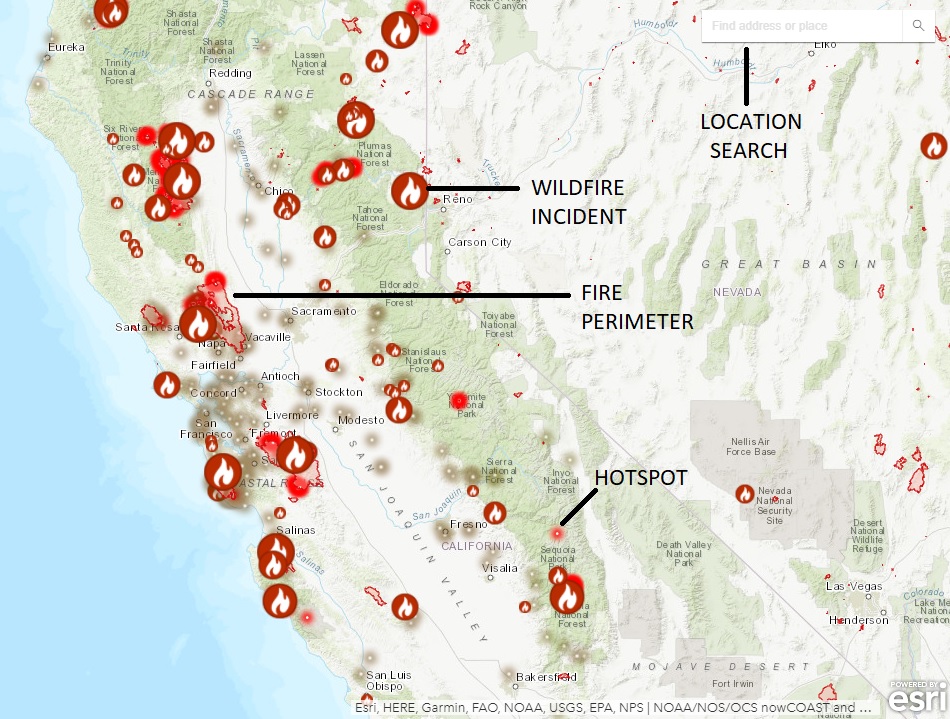
- CalFire: The California Department of Forestry and Fire Protection (CalFire) provides an incident map with detailed information on active fires, their containment status, and evacuation orders. This is the primary authority for ground-level fire information.
- AirNow: For air quality, which can be affected by smoke even far from a fire’s origin, AirNow.gov offers real-time air quality data by zip code or location. Checking the Air Quality Index (AQI) is vital, especially for individuals with respiratory sensitivities.
- National Park Service and U.S. Forest Service: If your travel plans include national parks or forests, check their official websites directly. Park and forest closures, trail restrictions, or road closures are frequently updated there. For instance, before visiting Yosemite National Park or Sequoia National Park, their respective websites will have critical alerts.
- Local Tourism Boards: City and county tourism websites are excellent resources for local conditions, including road closures, business impacts, and alternative activities.
By consulting these sources regularly, travelers can gain a clear picture of localized impacts and adjust their itineraries accordingly, ensuring they avoid hazardous areas and poor air quality.
Navigating California: Safe Travel During Fire Season
Traveling through California during fire season doesn’t mean canceling your trip; it means traveling smarter and with greater awareness. Proactive planning is paramount to a safe and enjoyable experience.
Pre-Trip Planning and Research
Before you even pack your bags, thorough research is key.
- Monitor Your Destination: Keep an eye on the news and official resources for the specific regions you plan to visit. If a fire starts or is active near your intended destination, assess its proximity and potential impact.
- Flexibility in Itinerary: Build flexibility into your travel plans. Having alternative destinations or routes in mind can save your trip if a primary location becomes inaccessible or unsafe. Consider booking accommodations with flexible cancellation policies.
- Accommodation and Activity Bookings: Verify the operating status of hotels, attractions, and tour operators in your chosen area. Some may temporarily close or modify services due to fire activity or smoke.
- Fire Restrictions: Be aware of any statewide or local fire restrictions. These often include bans on campfires (even in designated fire rings), restrictions on outdoor grilling, or limitations on vehicle access to certain wilderness areas. Respecting these rules is not only about personal safety but also about preventing new ignitions.
On-the-Ground Awareness and Safety Tips
Once you’re in California, maintaining awareness is crucial.
- Stay Informed: Continue to check official news sources and weather forecasts daily. Pay attention to local alerts and emergency notifications.
- Heed Warnings and Evacuation Orders: If an evacuation order is issued for an area you are in or planning to visit, follow it immediately. These orders are for your safety.
- Road Closures: Forest fires can lead to sudden road closures. Use navigation apps that provide real-time traffic and road condition updates, and always have a physical map or offline map download as a backup. The California Department of Transportation (Caltrans) website is another excellent resource for road conditions.
- Air Quality: If smoke is visible or the AQI is unhealthy, limit outdoor activities, especially if you have respiratory conditions. Consider spending more time indoors or adjusting your plans to visit areas with better air quality.
- Emergency Kit: It’s always wise to travel with an emergency kit, especially in rural or wilderness areas. This could include water, snacks, a first-aid kit, a flashlight, and a charged power bank for your phone.
Travel Insurance and Contingency Plans
Investing in comprehensive travel insurance is a smart decision for any trip, but particularly so when visiting areas prone to seasonal natural events. Look for policies that cover trip cancellation or interruption due to natural disasters. Understand the terms regarding wildfire-related disruptions, as not all policies are identical. Having a contingency plan, including alternative routes and accommodation options, can significantly reduce stress if your initial plans are affected.
Exploring Unaffected Regions and Alternative Destinations
One of the beauties of California is its sheer size and geographical diversity. When one area faces challenges, countless others remain pristine and ready to explore.
Coastal Escapes: A Breath of Fresh Air
The California coastline often provides a natural buffer from inland fires, with coastal breezes typically pushing smoke eastward, away from the ocean. Popular coastal destinations like San Diego, Los Angeles, Santa Barbara, and San Francisco generally remain unaffected by direct fire threats, though they might occasionally experience hazy skies from distant smoke.
- San Diego: Enjoy its pristine beaches, Balboa Park, and world-class culinary scene.
- Los Angeles: Explore Hollywood, vibrant neighborhoods, and numerous museums, often with clear coastal air.
- Santa Barbara: Known as the “American Riviera,” its beautiful beaches, Spanish colonial architecture, and wineries offer a luxurious escape.
- Big Sur: While sections can be vulnerable, much of the scenic Pacific Coast Highway remains open, offering breathtaking views (always check road status).
- Mendocino: Further north, this charming coastal town offers dramatic cliffs, redwood forests, and a vibrant arts community, often far from major fire activity.
Southern California: Beyond the Blazes
While Southern California is prone to fires, particularly in its chaparral-covered hills, many areas remain safe.
- Palm Springs and the Coachella Valley: This desert oasis typically experiences very low fire risk due to its arid environment. It’s an excellent choice for a getaway focused on relaxation, mid-century modern architecture, and outdoor activities like hiking and golf.
- Joshua Tree National Park: Located in the desert, this unique park offers stunning landscapes for hiking and climbing, often far from forest fire zones.
- Death Valley National Park: The hottest place on Earth, its vast, barren landscapes offer a unique travel experience with minimal fire risk.
Northern California’s Hidden Gems
Northern California offers numerous destinations away from fire-prone forests.
- Napa Valley and Sonoma County: While these wine regions have faced fire threats in the past, many wineries and related businesses have robust safety protocols and often resume operations quickly. Check local tourism sites for current conditions.
- Mount Shasta and the Far North: This region, including cities like Redding, offers opportunities for hiking, fishing, and exploring volcanic landscapes. While fires can occur, this vast area often has clear zones.
- Redwood National Park: The damp, cool environment of the ancient redwood forests often makes them less susceptible to large-scale fires, although vigilance is always required. This offers a magnificent escape into nature.
- Lake Tahoe: While the Sierra Nevada region surrounding Lake Tahoe can experience fires, the lake itself and its immediate surroundings are often less impacted, offering water sports and mountain activities. Always confirm specific conditions before visiting.
Supporting California’s Tourism Responsibly
When you choose to travel to California, especially during fire season, you have an opportunity to be a responsible and supportive visitor.
Economic Impact on Local Communities
Tourism is a significant economic driver for many California communities. When fires occur, they not only threaten lives and property but also devastate local economies as visitors stay away. By carefully selecting unaffected destinations and continuing your travel plans, you help support local businesses, workers, and the overall recovery efforts of the state. Your conscious decision to visit can be a lifeline for small businesses that rely on tourism dollars.

Sustainable Travel Practices
Beyond immediate fire concerns, embracing sustainable travel practices benefits California’s environment and communities in the long run.
- Respect Nature: Stick to marked trails, pack out everything you pack in, and never leave trash.
- Fire Safety: Be extra cautious with anything that could spark a fire. This includes adhering to campfire bans, properly disposing of cigarettes, and ensuring vehicles are well-maintained to prevent hot catalytic converters from igniting dry grass.
- Support Local: Prioritize local businesses, from restaurants and shops to tour guides, to ensure your tourism dollars directly benefit the community.
- Educate Yourself: Learn about California’s unique ecosystems and the challenges they face. An informed traveler is a more respectful traveler.
Ultimately, “Where are the California forest fires?” is a question that requires a dynamic and informed answer. With proactive planning, adherence to safety guidelines, and a commitment to responsible tourism, travelers can continue to explore and enjoy the unparalleled beauty and experiences that California offers, even during its most challenging seasons. The Golden State remains open, inviting explorers to discover its vast and varied wonders with care and respect.
LifeOutOfTheBox is a participant in the Amazon Services LLC Associates Program, an affiliate advertising program designed to provide a means for sites to earn advertising fees by advertising and linking to Amazon.com. Amazon, the Amazon logo, AmazonSupply, and the AmazonSupply logo are trademarks of Amazon.com, Inc. or its affiliates. As an Amazon Associate we earn affiliate commissions from qualifying purchases.