
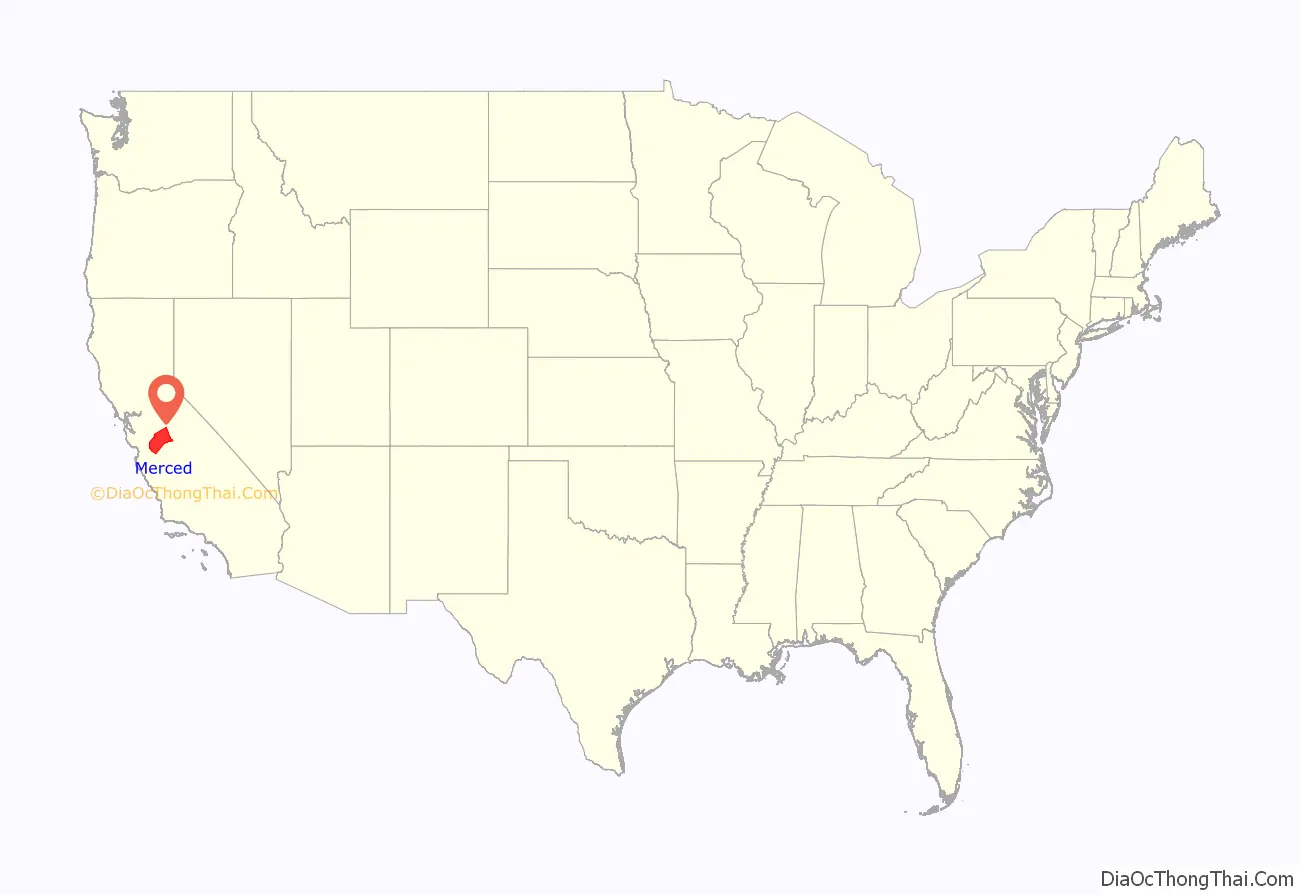
Merced, California holds a pivotal position within the Golden State, often recognized as a vital crossroad for travelers exploring the vast agricultural heartland and the majestic natural wonders that define California’s diverse landscape. Strategically situated almost equidistant from several of the state’s major metropolitan areas and serving as a key entry point to world-renowned national parks, understanding Merced’s precise location is essential for anyone planning a journey through this dynamic region. This article delves into the geographical coordinates of Merced, illustrating its significance as both a standalone destination and a crucial stopover on a grander California adventure.

The Heart of the San Joaquin Valley
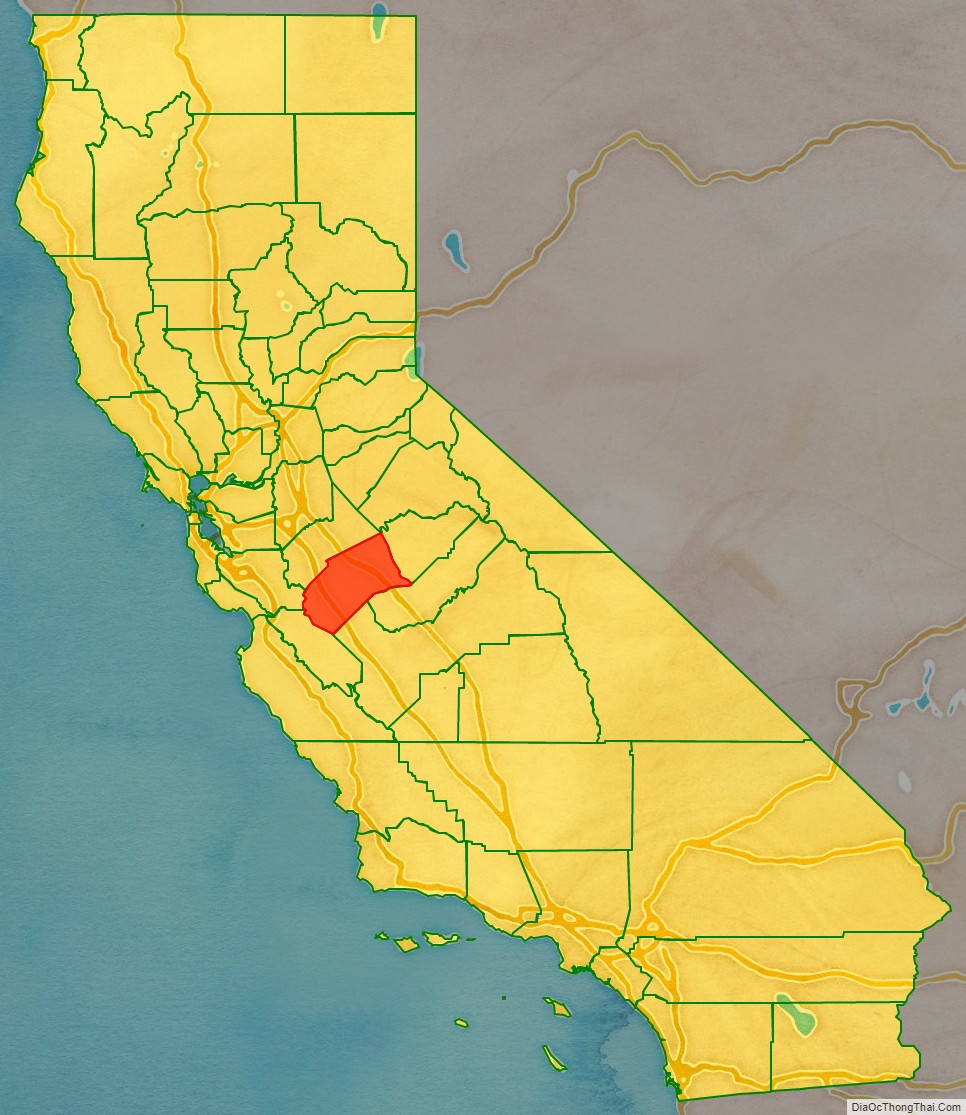
Merced is nestled deep within the fertile expanse of the San Joaquin Valley, a vast and productive agricultural region that forms the southern half of the larger Central Valley of California. Geographically, Merced is situated approximately at 37.30 degrees North latitude and 120.48 degrees West longitude. This central placement makes it a natural hub for transportation and commerce within the valley.
The city benefits from its strategic equidistance from many of California’s prominent urban centers. It is roughly 110 miles southeast of the state capital, Sacramento, and approximately 130 miles southeast of the bustling San Francisco Bay Area. To the south, Merced is about 65 miles north of Fresno, another major San Joaquin Valley city. This central location means that Merced is often a convenient midpoint for travelers traversing California via Highway 99, the primary north-south artery running through the Central Valley. Its position ensures accessibility, making it an ideal stop for refueling, resting, or embarking on further explorations into the state’s interior or coastal regions.
Merced’s Strategic Position: A Gateway to Natural Wonders
One of the most compelling aspects of Merced’s location for travelers is its designation as a primary gateway city to some of California’s most iconic natural landscapes, particularly Yosemite National Park and the broader Sierra Nevada Mountains.
Proximity to Yosemite National Park
Merced is renowned as the “Gateway to Yosemite.” It is the closest major city with comprehensive services and infrastructure along the most direct western route into the park via Highway 140. The drive from Merced to the Arch Rock Entrance of Yosemite National Park typically takes about two to two and a half hours, depending on traffic and road conditions. This convenience makes Merced an invaluable base camp for visitors planning a multi-day exploration of Yosemite’s towering granite cliffs, ancient sequoia groves, and cascading waterfalls.
For travelers who prefer not to drive, Merced serves as a key departure point for the Yosemite Area Regional Transportation System (YARTS). This public transit service provides daily bus routes directly into Yosemite Valley, offering a stress-free and environmentally conscious way to experience the park. The YARTS connection further solidifies Merced’s reputation as the preferred launchpad for Yosemite adventures, attracting international and domestic tourists alike.
Access to the Sierra Nevada Mountains
Beyond Yosemite, Merced’s location provides excellent access to the western foothills of the expansive Sierra Nevada Mountains. This region is a treasure trove of outdoor recreational opportunities, offering everything from hiking and fishing to boating and camping. Lakes such as Lake McClure and Lake McSwain are within an hour’s drive, providing popular spots for water sports, picnics, and family outings. These natural attractions, combined with the agricultural landscapes of the valley, present a diverse palette of experiences for the adventurous traveler. The transition from the flat, fertile valley floor to the rolling, oak-studded foothills and then to the dramatic peaks of the Sierra Nevada is a geographical journey in itself, all easily accessible from Merced.
Understanding Merced’s Local Landscape and Urban Fabric
While its gateway status is a major draw, Merced itself offers a unique blend of historical charm, modern growth, and agricultural heritage that contributes to its identity as a travel destination.
A Growing University City
The establishment of the University of California, Merced (UC Merced) in 2005 dramatically reshaped the city’s demographic and cultural landscape. UC Merced is the tenth and newest campus of the prestigious University of California system, bringing with it a vibrant academic community, research innovation, and a more youthful, diverse population. This influx has spurred significant urban development, including new housing, businesses, and cultural venues, enriching the city’s offerings for both residents and visitors. The university’s presence adds an intellectual and progressive dimension to Merced, attracting conferences and events that draw visitors interested in academia and innovation.
Agriculture and Community Roots
Despite its modern advancements, Merced remains deeply rooted in its agricultural heritage. The surrounding San Joaquin Valley is one of the most productive agricultural regions in the world, cultivating a vast array of crops from almonds and walnuts to sweet potatoes and dairy. This rich agricultural backdrop is evident in Merced’s local markets, farm-to-table dining experiences, and community events that celebrate the harvest season. Travelers visiting Merced can experience this firsthand through visits to local farms, farmers’ markets, and festivals that showcase the bounty of the valley. The city’s history is preserved at institutions like the Merced County Courthouse Museum, offering insights into the region’s past from its indigenous inhabitants to its pioneering settlers and agricultural development.
Planning Your Journey to Merced
Understanding the logistical ease of reaching and navigating Merced is crucial for any travel itinerary.
Transportation Hub
Merced’s accessibility is one of its strongest assets. The city is well-connected by road, rail, and air. Highway 99 runs directly through Merced, making it easily reachable by car from most parts of California. Other state highways, such as Highway 59 and Highway 140, provide convenient routes to the coast and the Sierra Nevada, respectively.
For those preferring rail travel, Merced is a significant stop on the Amtrak San Joaquins route, connecting the Bay Area and Sacramento to Bakersfield in the south. This service offers a scenic and relaxing way to travel through the Central Valley, with direct connections to YARTS for seamless travel to Yosemite.
Air travel is facilitated by the Merced Regional Airport (MCE), which offers commercial flights, connecting travelers to major hubs. While small, it provides essential regional air access, complementing the larger international airports located a few hours’ drive away in Fresno, Sacramento, and the San Francisco Bay Area.
What to Expect When You Arrive
Upon arrival in Merced, travelers will find a city that balances its functional role as a transit point with its own unique attractions. The revitalized downtown area offers dining, shopping, and entertainment options. Family-friendly attractions like the Applegate Park Zoo and the various city parks provide opportunities for leisure. The climate is typical of the San Joaquin Valley, with hot, dry summers and mild, foggy winters. The shoulder seasons of spring and fall are particularly pleasant for outdoor activities and exploring the region. Whether staying overnight or simply passing through, Merced provides all the necessary amenities, from a range of accommodation options to diverse culinary experiences.
Merced’s Evolving Identity as a Travel Destination
In conclusion, Merced, California, is much more than just a dot on the map. Its location is a key determinant of its identity, positioning it at the crossroads of agriculture, academia, and outdoor adventure. As a vital hub in the San Joaquin Valley, it offers unparalleled access to Yosemite National Park and the Sierra Nevada Mountains, making it an indispensable stop for nature enthusiasts. Simultaneously, its growing University of California campus and enduring agricultural roots create a distinct local charm worthy of exploration. For any traveler seeking to understand the breadth and depth of California’s interior, a comprehensive appreciation of where Merced lies, and what it offers, is an essential part of the journey.
LifeOutOfTheBox is a participant in the Amazon Services LLC Associates Program, an affiliate advertising program designed to provide a means for sites to earn advertising fees by advertising and linking to Amazon.com. Amazon, the Amazon logo, AmazonSupply, and the AmazonSupply logo are trademarks of Amazon.com, Inc. or its affiliates. As an Amazon Associate we earn affiliate commissions from qualifying purchases.