
Nestled in the heart of the San Fernando Valley, Pacoima, California, stands as a vibrant community rich in history, culture, and untold stories. Often overshadowed by its more famous Los Angeles neighbors, Pacoima offers a unique slice of Southern California life, inviting curious travelers to delve deeper into its captivating identity. Geographically, it is situated in the northeastern quadrant of the San Fernando Valley, an integral part of the sprawling City of Los Angeles. For those looking to explore beyond the typical tourist paths and immerse themselves in authentic local experiences, Pacoima presents an intriguing destination, characterized by its resilient spirit, colorful public art, and strong community bonds.
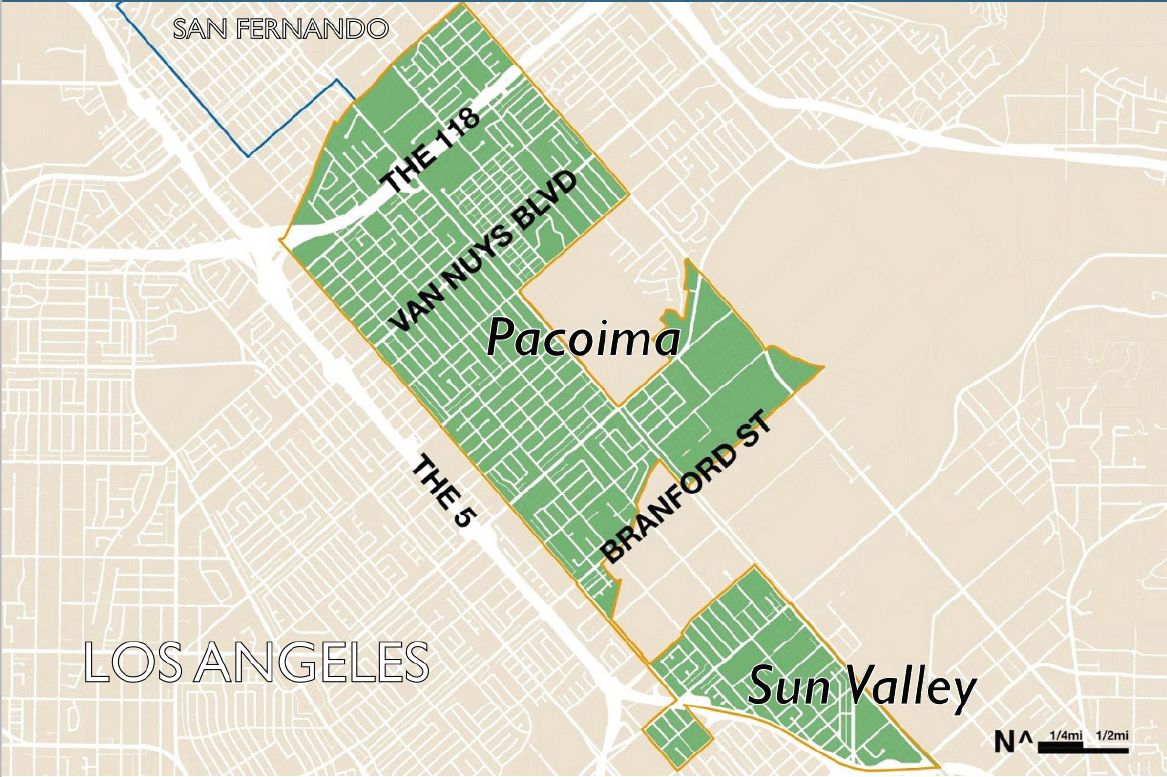
Discovering Pacoima’s Rich Tapestry of Culture and History
The journey to understanding Pacoima begins with its deep historical roots and the cultural mosaic that defines it today. From its ancient origins to its modern-day vibrancy, the community tells a compelling story of transformation and endurance.
A Glimpse into the Past: Origins and Evolution
Long before Spanish colonization, the fertile lands of Pacoima were home to the Tongva people, who thrived in the abundant natural environment. The name “Pacoima” itself is believed to derive from a Tongva word, possibly meaning “running water” or “mouth of the canyon,” reflecting the area’s historical water sources and topography. With the arrival of Spanish missionaries and settlers in the late 18th century, the landscape began to change. The land eventually became part of the vast land grants under Mexican rule, evolving from mission lands to rancho estates focused on agriculture and livestock.
In the late 19th and early 20th centuries, as Los Angeles expanded, Pacoima transitioned into an agricultural hub, primarily cultivating citrus and other crops. Its strategic location at the confluence of several transportation routes facilitated its growth. The post-World War II boom brought significant industrial development and a rapid increase in population, shaping Pacoima into a diverse working-class community. Despite economic shifts and natural challenges over the decades, the spirit of resilience and community pride has remained a defining characteristic, fostering a unique identity that visitors can experience today.
Cultural Vibrancy and Community Spirit
Today, Pacoima is celebrated for its dynamic cultural scene, most notably its incredible public art. The streets serve as an open-air gallery, adorned with vibrant murals that depict the community’s history, aspirations, and heroes. These artworks are not merely decorative; they are powerful narratives created by local artists, reflecting the social consciousness, cultural heritage, and shared experiences of its predominantly Latino population. The murals contribute significantly to the neighborhood’s identity, making a stroll through Pacoima an engaging artistic journey.
Beyond the visual arts, Pacoima pulses with a strong community spirit, evident in its local events, festivals, and tight-knit neighborhoods. These gatherings often showcase diverse culinary traditions, music, and dance, offering an authentic glimpse into local life. Engaging with the community, whether through a neighborhood festival or by visiting local businesses, provides travelers with a genuine connection to the heart of this San Fernando Valley gem. The warmth and hospitality of its residents are palpable, inviting visitors to experience Pacoima not just as a location, but as a living, breathing community.
Exploring Pacoima’s Local Attractions and Green Spaces
While Pacoima may not boast the traditional “tourist attractions” found in other parts of Los Angeles, its charm lies in its unique local landmarks, recreational areas, and the pervasive artistic expression found throughout its streets.
Recreational Havens
For those seeking outdoor activities or a moment of tranquility, Pacoima offers several points of interest. The majestic Pacoima Dam, nestled in the rugged San Gabriel Mountains just north of the community, is an engineering marvel. While direct access to the dam itself might be restricted, the surrounding areas provide scenic viewpoints and opportunities for hiking and nature appreciation, offering breathtaking vistas of the valley and mountains. The dam’s impressive structure, built in the 1920s, holds historical significance as one of the earliest arch dams in the United States.
Another notable site is Whiteman Airport, a general aviation airport that has served the San Fernando Valley since the 1940s. For aviation enthusiasts, observing small aircraft take off and land offers a nostalgic glimpse into regional air travel. While not a major commercial hub, its presence adds a unique element to the local landscape and history.
Within the community, several parks provide essential green spaces for recreation and relaxation. Ritchie Valens Park, named after the legendary rock and roll pioneer who grew up in Pacoima, is a central hub for sports and community gatherings. It features a skate park, gymnasium, and various sports fields, reflecting the area’s active lifestyle. Branford Park is another important community park, offering playgrounds, picnic areas, and space for families to enjoy the outdoors. These parks are not just recreational spots; they are vital social centers where local life unfolds.
Art and Murals: An Outdoor Gallery
The most striking and accessible “attraction” in Pacoima is undoubtedly its vast collection of public murals. What started as community-driven initiatives to beautify neglected spaces and deter graffiti has evolved into an extraordinary outdoor art museum. Travelers can embark on a self-guided mural tour, discovering pieces that range from historical depictions of agricultural life and indigenous heritage to vibrant portraits of cultural icons and powerful social commentaries.
Organizations like the Pacoima Arts Collaborative have been instrumental in fostering this artistic renaissance, commissioning works and supporting local talent. Notable murals can be found along major thoroughfares like Pacoima Avenue and Van Nuys Boulevard, transforming ordinary walls into canvases of expression. Each mural tells a story, contributing to the collective memory and ongoing dialogue of the community. This artistic landscape provides a compelling reason to visit, offering a visually rich and culturally immersive experience unlike any other in Los Angeles.
Planning Your Visit to Pacoima
For travelers eager to discover the authentic pulse of Los Angeles beyond its famous landmarks, Pacoima offers a rewarding detour. Understanding its location and local nuances will enhance your exploration.
Getting There and Around
Pacoima’s location in the San Fernando Valley makes it relatively accessible by car. It is strategically situated near several major freeways, including the Golden State Freeway (I-5), the San Diego Freeway (I-405), and the Foothill Freeway (I-210), allowing for straightforward navigation from other parts of Los Angeles and beyond. While driving offers the most flexibility for exploring the murals and parks, public transportation options are also available. Los Angeles Metro (METRO) bus lines serve the area, connecting Pacoima to various parts of the valley and other Los Angeles neighborhoods. For a more comprehensive exploration, a combination of driving and walking within specific areas is often recommended.
What to Expect and Tips for Travelers
When visiting Pacoima, expect an experience that is distinctly local and culturally rich. The dining scene is heavily influenced by its diverse demographics, offering an array of authentic Mexican and Central American cuisine, from bustling taquerias to family-owned restaurants. Exploring these eateries is an essential part of the Pacoima experience, providing delicious insights into the community’s flavors.
Travelers are encouraged to approach their visit with an open mind and a respectful attitude towards the local community. The best time to visit is during the cooler months of spring or fall, to comfortably enjoy walking tours of the murals and outdoor spaces. While generally safe, like any urban environment, it’s wise to be aware of your surroundings, especially when exploring on foot. Engaging with local business owners and residents can often lead to discovering hidden gems and gaining deeper insights into the area.
Connecting with the Wider San Fernando Valley
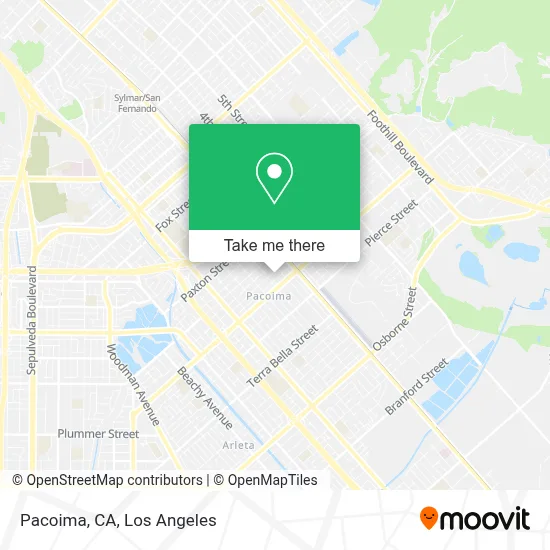
Pacoima serves as a vital thread in the extensive fabric of the San Fernando Valley. Its proximity to other valley cities like San Fernando, Arleta, and Sylmar makes it an excellent starting point for a broader exploration of this often-overlooked region of Los Angeles. It offers a counterpoint to the more glitzy parts of L.A., showcasing the authentic, working-class heart that powers much of the city. By venturing to Pacoima, travelers gain a more complete and nuanced understanding of Los Angeles, discovering a community that proudly preserves its heritage while looking towards a vibrant future. It’s a destination for those who seek genuine encounters and a deeper appreciation for the diverse cultural landscape of Southern California.
LifeOutOfTheBox is a participant in the Amazon Services LLC Associates Program, an affiliate advertising program designed to provide a means for sites to earn advertising fees by advertising and linking to Amazon.com. Amazon, the Amazon logo, AmazonSupply, and the AmazonSupply logo are trademarks of Amazon.com, Inc. or its affiliates. As an Amazon Associate we earn affiliate commissions from qualifying purchases.