
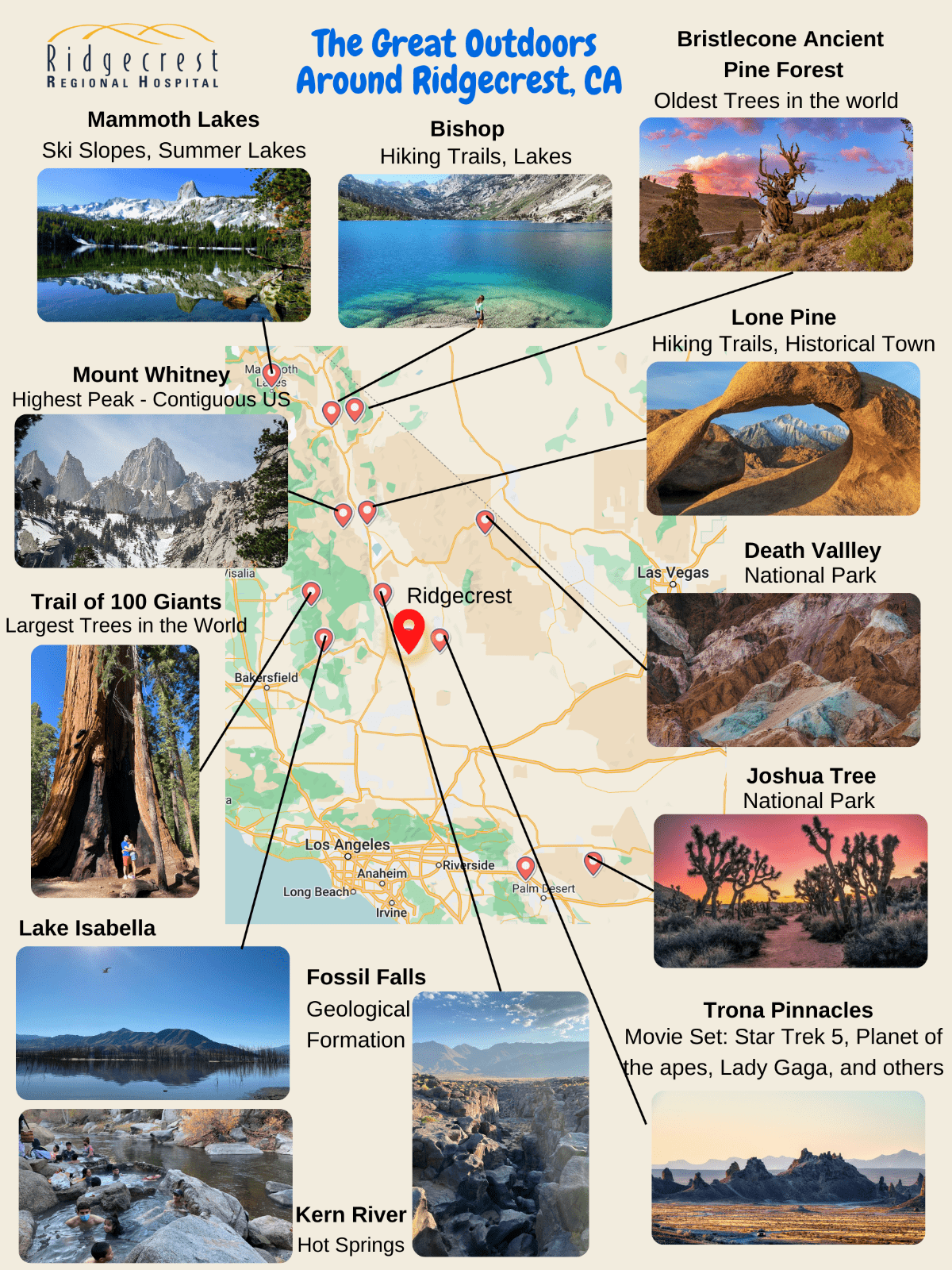
Ridgecrest, a vibrant city nestled in the Indian Wells Valley of the Mojave Desert, holds a distinctive position within California. Often considered a gateway to some of the state’s most dramatic landscapes and geological wonders, its location is far from incidental. Situated roughly 110 miles northeast of Bakersfield, 150 miles north of Los Angeles, and 170 miles west of Las Vegas, Ridgecrest serves as a strategic base for explorers venturing into the vastness of the Great Basin and the stunning eastern flanks of the Sierra Nevada mountains.
Its geographical context places it at a fascinating crossroads where diverse ecosystems converge, offering travelers a unique blend of high desert beauty, volcanic history, and unparalleled stargazing opportunities. While it might not always feature on the mainstream tourist radar, Ridgecrest is a pivotal destination for those seeking authentic outdoor adventures, geological marvels, and a quiet retreat from the bustling urban centers. Its climate, characterized by hot summers and mild winters, dictates the best times for exploration, making spring and fall particularly inviting for outdoor activities. The city itself, though modest in size, provides essential services and amenities, positioning it as a convenient launching point for expeditions into its extraordinary surroundings.

A Haven for Natural Wonders
The primary allure of Ridgecrest lies in its unparalleled access to a concentration of natural landmarks that captivate geologists, photographers, and nature enthusiasts alike. The surrounding landscape is a testament to millions of years of geological activity, featuring stark contrasts and breathtaking formations.
Geological Marvels and Stark Landscapes
One of the most iconic destinations within a short drive from Ridgecrest is the Trona Pinnacles National Natural Landmark. These otherworldly tufa towers, rising dramatically from the dry bed of what was once Searles Lake, look like something from a science fiction film. Composed of calcium carbonate, these strange spires are remnants of an ancient inland sea that covered much of the Mojave Desert during the last Ice Age. Visitors can drive right up to the formations, explore their bases, and marvel at their unique beauty, particularly captivating during sunrise or sunset when the light paints them in various hues. Its distinct appearance has made it a popular filming location for Hollywood blockbusters and television shows, adding to its mystique.
Further north, the vast expanse of Death Valley National Park is within a comfortable driving distance, making Ridgecrest an excellent base for exploring North America’s lowest, hottest, and driest point. From the mesmerizing salt flats of Badwater Basin to the colorful badlands of Zabriskie Point and the majestic dunes of Mesquite Flat Sand Dunes, Death Valley offers an array of surreal landscapes. While the park is immense, day trips from Ridgecrest can cover significant portions, allowing travelers to experience its stark beauty and extreme conditions without requiring an overnight stay within the park itself.
Southwest of Ridgecrest lies Red Rock Canyon State Park, a geological wonderland famed for its dramatic desert cliffs, buttes, and spectacular formations. The vibrant hues of red, white, and orange sediments are exposed in layers, telling a story of ancient volcanic activity and erosion. The park offers excellent opportunities for hiking, photography, and primitive camping, with trails winding through narrow canyons and across open vistas. It’s a prime spot for birdwatching and observing desert wildlife, providing a stark contrast to the nearby tufa towers.
Closer to home, just north of Ridgecrest, are the unique formations of Fossil Falls. This area showcases a fascinating landscape carved by ancient lava flows and glacial meltwater. The dark, polished volcanic rock, smoothed over millennia, forms abstract shapes and patterns, resembling a waterfall of solidified lava. It’s an accessible and intriguing stop for those interested in geological history and unique rock formations.
Engaging with Ridgecrest’s Culture and Community
Beyond its stunning natural surroundings, Ridgecrest offers glimpses into local culture, history, and community life, providing a well-rounded travel experience. While not a bustling metropolis, the city boasts institutions and events that reflect its unique character.
Local History and Artistic Expression

The Maturango Museum stands as the cultural heart of Ridgecrest. This institution is dedicated to preserving and interpreting the natural and cultural history of the upper Mojave Desert and Indian Wells Valley. It features exhibits on local geology, flora, fauna, and the rich heritage of Native American communities, particularly the Coso people, who left behind an extraordinary collection of rock art. The museum is renowned for organizing tours to the Coso Rock Art sites, offering a rare opportunity to see thousands of petroglyphs, some dating back thousands of years. These tours are highly sought after and provide invaluable insight into the region’s ancient past. Additionally, the museum hosts art exhibits, educational programs, and a gift shop featuring local crafts and literature.
Ridgecrest’s identity is also significantly shaped by the presence of Naval Air Weapons Station China Lake, a vast military research and development facility. While direct access to the base is restricted, its influence is palpable in the community, contributing to the local economy and demographics. The presence of engineers, scientists, and military personnel creates a unique blend of intellectual curiosity and small-town charm within Ridgecrest.
Throughout the year, Ridgecrest hosts various community events and festivals that offer visitors a taste of local life. From farmers’ markets showcasing regional produce to seasonal celebrations and car shows, these events provide opportunities to interact with residents and experience the hospitality of the high desert community. Exploring local eateries, from casual diners to family-owned restaurants, allows travelers to savor regional flavors and specialties.
Practical Travel Planning for Your Ridgecrest Adventure
Visiting Ridgecrest requires a bit of planning, especially when considering the unique conditions of the desert environment. Being prepared ensures a comfortable and enjoyable exploration of this captivating region.
Best Times to Visit and Essential Gear
The optimal times to visit Ridgecrest and its surrounding attractions are during the spring (March to May) and fall (September to November). During these seasons, temperatures are milder, making outdoor activities like hiking and sightseeing much more pleasant. Summers can be intensely hot, often exceeding 100°F (38°C), making prolonged outdoor exposure challenging. Winters are generally mild, but nights can be cold, and occasional snow can occur at higher elevations.
When packing for a trip to Ridgecrest, essentials include plenty of water, especially for any desert excursions, sun protection (hats, sunglasses, high-SPF sunscreen), and layered clothing. Desert temperatures can fluctuate dramatically between day and night, even within the same season. Comfortable, sturdy hiking shoes are a must for exploring trails and rocky terrain. Given the emphasis on natural attractions, binoculars for wildlife viewing and a good camera for capturing the stunning landscapes are highly recommended. For stargazing, which is exceptional in this area due to minimal light pollution, a blanket and perhaps a small telescope can enhance the experience.
Accommodation and Dining Options
Ridgecrest offers a range of accommodation options, primarily consisting of well-known chain hotels and motels, providing comfortable and convenient stays for travelers. These establishments cater to various budgets and often include amenities such as swimming pools, Wi-Fi, and complimentary breakfasts, making them ideal bases for daily excursions. For those seeking a more personal touch, a few independent lodging options and vacation rentals can also be found.
The dining scene in Ridgecrest is diverse, reflecting the tastes of its varied population. Visitors can find everything from classic American diners and fast-food chains to Mexican, Asian, and Italian restaurants. There are also local establishments that offer unique regional dishes and a chance to experience the local culinary scene. Given its remote location, many restaurants focus on hearty, satisfying meals suitable for travelers and locals alike.
Crafting Your Itinerary
A trip to Ridgecrest can be tailored to various durations and interests. A long weekend (3-4 days) allows ample time to explore the Trona Pinnacles, Red Rock Canyon State Park, Fossil Falls, and the Maturango Museum, with evenings dedicated to stargazing. For those wishing to venture into Death Valley National Park or explore the more remote areas of the Mojave Desert, an extended stay of 5-7 days is advisable. This allows for deeper exploration without rushing, including potentially exploring Indian Wells Canyon, known for its scenic trails and natural springs.
Ridgecrest is not just a point on the map; it’s a destination that unlocks the raw beauty and profound history of California’s high desert. For the adventurous traveler, the history buff, or simply someone seeking a different kind of natural beauty, Ridgecrest offers an unforgettable experience, serving as a tranquil yet engaging launchpad for exploration.
LifeOutOfTheBox is a participant in the Amazon Services LLC Associates Program, an affiliate advertising program designed to provide a means for sites to earn advertising fees by advertising and linking to Amazon.com. Amazon, the Amazon logo, AmazonSupply, and the AmazonSupply logo are trademarks of Amazon.com, Inc. or its affiliates. As an Amazon Associate we earn affiliate commissions from qualifying purchases.