
For many embracing the modern “life out of the box” philosophy, navigating the complexities of tax season can feel like an entirely different journey than exploring a new city. While the allure of remote work, digital nomadism, or extended international stays offers unparalleled freedom, it also brings unique administrative considerations, particularly for those with ties to California. The question of “where to mail your federal tax return” transcends a simple address; it speaks to the logistical challenges, residency nuances, and strategic planning inherent in maintaining financial compliance while living a flexible, boundary-defying lifestyle.
The Modern Nomad’s Tax Dilemma: Beyond the Traditional Mailbox
The rise of the digital nomad and the proliferation of remote work have transformed how professionals structure their lives and careers. For individuals who call California home—even if only by domicile—but spend significant time living abroad, traveling extensively, or moving between states, tax obligations remain a constant. This lifestyle choice, while enriching, often complicates what would otherwise be a straightforward annual task. The literal “where to mail” question becomes intertwined with broader considerations: How do you receive tax documents? What address should you use for official correspondence? How do you ensure timely submission when you’re in a different time zone or without a stable physical address?
California’s robust economy and progressive tax policies mean that even a temporary relocation or a prolonged international stay might not sever one’s tax ties entirely. Understanding the intricacies of federal tax filing from a mobile perspective is crucial for maintaining compliance and avoiding undue stress. This isn’t merely about finding a post office; it’s about establishing a reliable administrative pipeline that supports a non-traditional lifestyle. For many, the ultimate goal is to seamlessly integrate financial responsibilities into a life defined by flexibility, ensuring that the freedom of movement isn’t overshadowed by tax anxiety.
Understanding Residency and Domicile: The Golden State’s Reach
Before even considering where to send your federal return, the critical first step for any mobile California individual is to understand their residency status. The Internal Revenue Service (IRS) determines federal tax obligations based on citizenship or residency within the United States. However, your state of domicile significantly influences state tax liability, and for California, this can be particularly impactful. California considers you a resident if you’re in the state for other than a temporary or transitory purpose, or if you’re domiciled in California and outside the state for a temporary or transitory purpose. This means that even if you’re traveling the world, if California is still considered your permanent home base where you intend to return, you might still owe state income tax and your federal filing would reflect your California address.
This distinction is vital for those living a nomadic lifestyle. Maintaining a California driver’s license, voter registration, bank accounts, or even having family in the state can all point to continued domicile, regardless of your physical location for most of the year. For digital nomads, remote workers, or expatriates, careful documentation of intent to move, duration of stay elsewhere, and establishment of new ties can be critical in demonstrating a change of domicile. Without a clear break, the state often presumes continued residency. This foundational understanding dictates which IRS mailing addresses are relevant and how your overall tax strategy should be shaped. Proactive consultation with a tax professional specializing in multi-state or international taxation for mobile lifestyles is highly recommended to navigate these complex waters effectively.
Navigating Federal Filing from Afar: Practicalities for the Mobile Professional
The actual act of mailing a federal tax return takes on new dimensions when your lifestyle keeps you away from a fixed physical address. While the Internal Revenue Service provides specific mailing addresses based on your location and the type of form, the challenge for mobile professionals lies not just in knowing the address, but in reliably getting mail to and from it.
Electronic Filing vs. Paper Mail: The Digital Advantage
For the vast majority of taxpayers, electronic filing (e-filing) is the simplest and most recommended method, especially for those with a mobile lifestyle. E-filing offers several advantages:
- Convenience: File from anywhere with an internet connection, eliminating the need for physical mail drops or worrying about postal services.
- Speed: Returns are processed faster, and refunds are typically issued more quickly.
- Accuracy: Tax software often flags errors, reducing the chance of mistakes that could lead to delays or audits.
- Proof of Submission: You receive immediate confirmation that your return has been received by the Internal Revenue Service.

For California federal filers living a mobile lifestyle, e-filing through an authorized e-file provider or tax software is the ideal solution, removing the logistical hurdles of physical mail. This aligns perfectly with a “life out of the box” ethos, allowing you to manage critical financial obligations without being tethered to a physical location.
When Paper is Necessary: The “Where” of Physical Returns
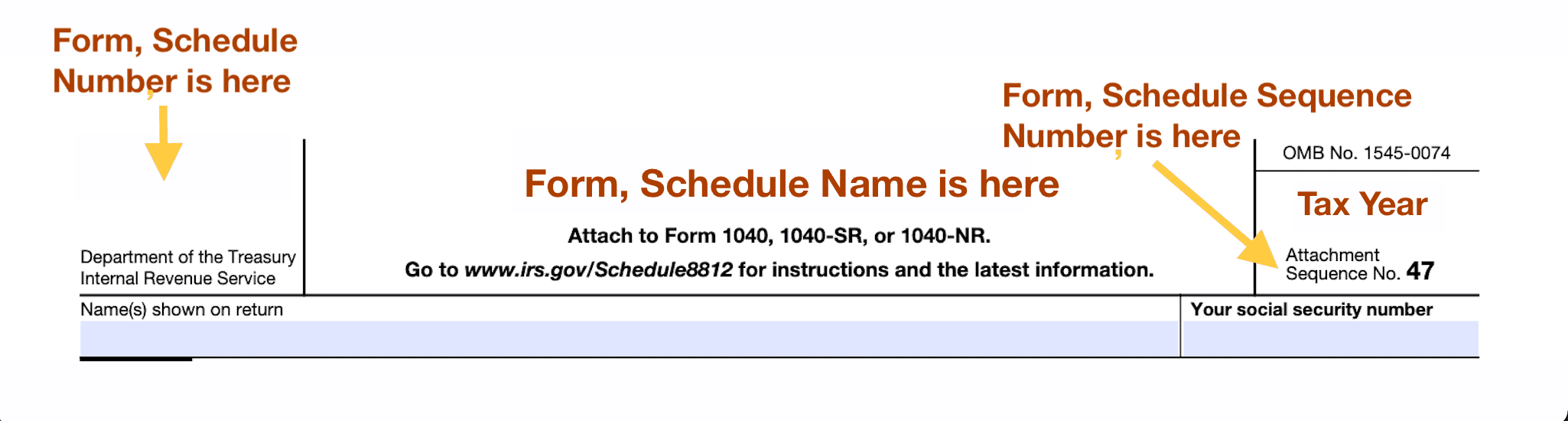
Despite the prevalence of e-filing, there are still situations where a paper return might be necessary. This could include filing certain amended returns, specific forms not supported by e-file, or if you are a first-time filer who hasn’t previously submitted electronically. For California residents who must mail their federal return, the specific Internal Revenue Service mailing address depends on the type of form being filed and whether payment is included. Typically, for California residents filing Form 1040 (U.S. Individual Income Tax Return) without a payment, the return might go to a service center in Austin, Texas, or Kansas City, Missouri, among others, as Internal Revenue Service processing centers can change. Always consult the official Internal Revenue Service instructions for the specific tax year and form you are filing to confirm the correct address.
For the mobile professional, the challenge then shifts to reliably sending this paper document. Options include:
- Trusted Contact: Designating a trusted family member or friend in California to receive mail, sign, and send documents on your behalf, using a pre-paid and addressed envelope.
- Mail Forwarding Services: Utilizing a professional mail forwarding service that provides a physical California address, scans your mail, and can forward physical documents upon request. These services are invaluable for digital nomads needing a stable address for official correspondence.
- Registered Agent: For those with businesses, a registered agent service can sometimes assist with mail handling, though their primary role is legal compliance.
- International Postal Services: If mailing from abroad, be mindful of international shipping times, tracking capabilities, and potential customs delays. Using certified mail with a return receipt is advisable for critical documents.
The critical insight here is that “where to mail” is less about finding a single address and more about establishing a secure and efficient logistical chain that accommodates your chosen lifestyle.
International Considerations for California Filers
For California residents living and working abroad, additional federal tax provisions come into play, such as the Foreign Earned Income Exclusion (FEIE) on Form 2555. While these provisions can reduce your federal tax burden, they often add layers of complexity to the filing process. The instructions for these forms will guide you to specific Internal Revenue Service addresses dedicated to international filers, which might differ from those for domestic filers. Understanding these specific requirements ensures that your strategically reduced tax liability is correctly reported and submitted.
Key Deadlines and Extensions for the Mobile Professional
Managing deadlines is paramount for any taxpayer, but for the mobile professional with a California connection, it requires an extra layer of diligence. The standard federal tax deadline is April 15 each year. However, the Internal Revenue Service offers specific extensions that are particularly relevant to those living a flexible lifestyle:
- Automatic Six-Month Extension (Form 4868): Anyone can file Form 4868 to get an automatic extension to file until October 15. This is invaluable for digital nomads who might be in remote areas or simply need more time to gather documents while on the move. Remember, this is an extension to file, not to pay. Any estimated taxes due must still be paid by April 15 to avoid penalties.
- Automatic Extension for U.S. Citizens and Resident Aliens Abroad: If you are a U.S. citizen or resident alien living outside the [United States](https://lifeoutofthebox.com/united states) and Puerto Rico, and your main place of business or post of duty is outside the United States and Puerto Rico, you are granted an automatic two-month extension to file and pay taxes, pushing the deadline to June 15. This extension is automatically granted without having to file Form 4868, though you should attach a statement to your return explaining that you meet the conditions. If you need more time, you can then file Form 4868 by June 15 for an additional four-month extension until October 15. In rare cases, further extensions may be granted using Form 2350 for those who need to meet the bona fide residence or physical presence tests for the Foreign Earned Income Exclusion.
Understanding these extensions is not just about avoiding penalties; it’s about building peace of mind into your mobile lifestyle. Knowing you have ample time to gather necessary documentation, consult with tax professionals, and submit your return allows you to focus on your travels and work without the looming stress of an immediate deadline.
Securing Your Financial Future While Living Free
For those who have embraced a life where the boundaries of work and travel blur, the question “Where to mail California federal tax return” is more than an administrative detail. It’s a reflection of a dynamic lifestyle that requires proactive planning, intelligent use of technology, and a clear understanding of legal obligations. The goal is to maximize the benefits of a mobile existence—freedom, exploration, and diverse experiences—without compromising financial stability or regulatory compliance.
Whether you choose to e-file from a café in Paris, utilize a mail forwarding service to handle physical documents while you trek through the Himalayas, or lean on the expertise of an international tax advisor, the key is intentionality. By understanding your residency status, leveraging digital tools, and knowing the available extensions, you can seamlessly integrate your tax responsibilities into your adventurous life. This proactive approach ensures that your journey continues unhindered, allowing you to truly live “out of the box” while remaining financially sound and compliant with the Internal Revenue Service.
LifeOutOfTheBox is a participant in the Amazon Services LLC Associates Program, an affiliate advertising program designed to provide a means for sites to earn advertising fees by advertising and linking to Amazon.com. Amazon, the Amazon logo, AmazonSupply, and the AmazonSupply logo are trademarks of Amazon.com, Inc. or its affiliates. As an Amazon Associate we earn affiliate commissions from qualifying purchases.