
The Critical Role of Hotel Staff as Mandated Reporters in California
In the diverse and vibrant landscape of California’s hospitality industry, hotels serve as temporary havens for a myriad of guests, from families on vacation to business travelers and individuals seeking respite. While the primary focus of a hotel is guest comfort and satisfaction, there’s a profound, often overlooked, legal and ethical responsibility that many of its employees carry: the duty of a mandated reporter. Understanding who falls under this designation and their obligations is not just a matter of compliance, but a cornerstone of guest safety and community well-being, particularly for vulnerable populations like children and elder adults.

Defining a Mandated Reporter
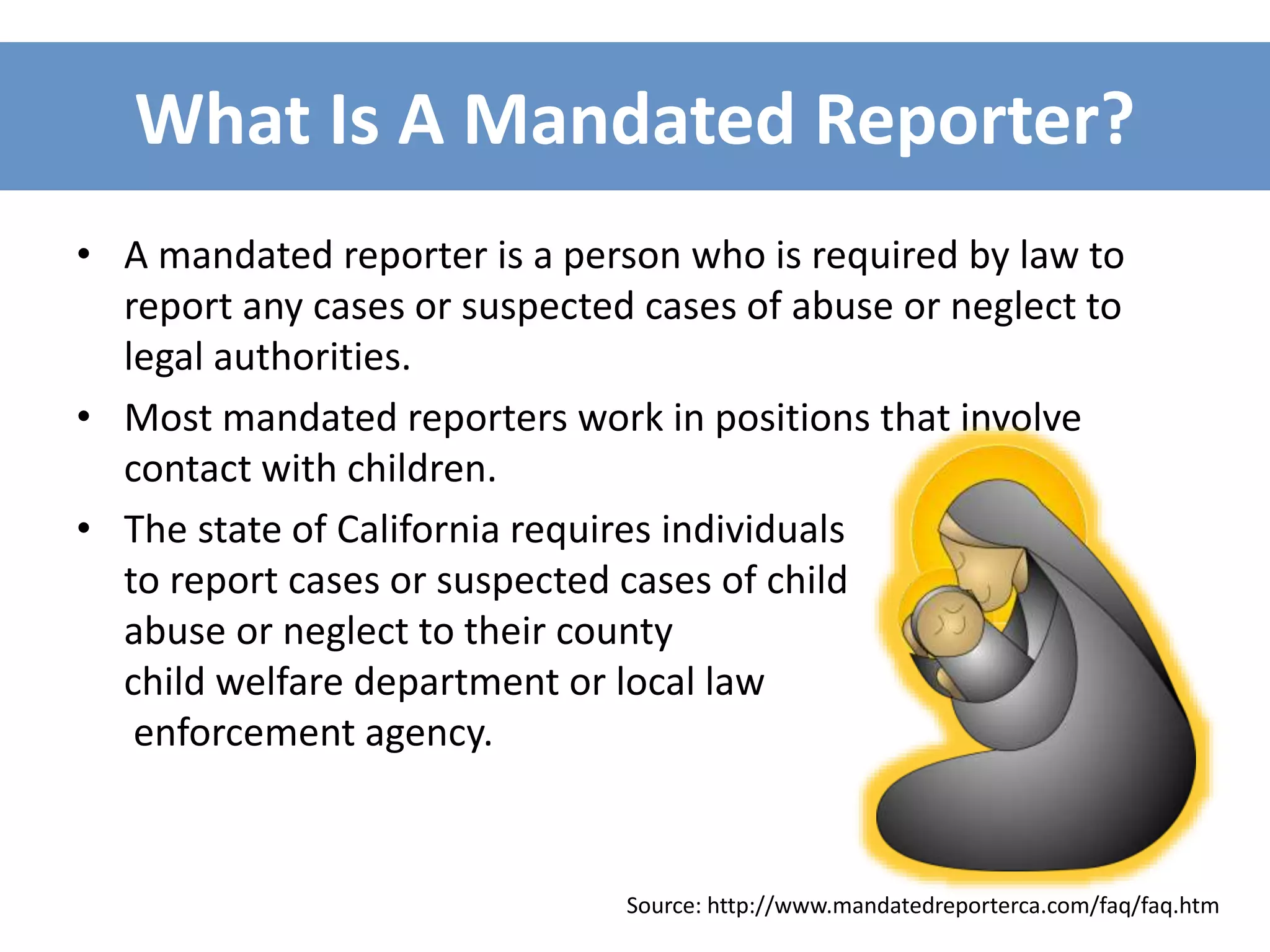
A mandated reporter is an individual who, by virtue of their profession, is legally required to report suspected child abuse, elder abuse, or dependent adult abuse or neglect to the appropriate authorities. These laws are designed to create a safety net, leveraging professionals who are likely to come into contact with victims. In California, the Child Abuse and Neglect Reporting Act (CANRA) and similar statutes for elder and dependent adult abuse broadly define who these individuals are. While professions like teachers, doctors, and law enforcement officers are commonly recognized, the scope extends significantly into sectors like hotels, where employees regularly interact with the public in private or semi-private settings.
Why Hotels? Unique Vulnerabilities and Guest Interactions
Hotels, by their very nature, are unique environments. They host guests of all ages and backgrounds, providing accommodations that range from short overnight stays to extended residences. This constant flow of diverse individuals means that hotel staff are often privy to situations that might not be visible in public spaces. Guests, including children and vulnerable adults, spend significant, unsupervised time within hotel premises—their rooms, common areas, recreational facilities, and dining establishments. This environment, while intended for relaxation and convenience, can unfortunately also be a place where abuse or neglect occurs, often hidden from plain sight.
For instance, a housekeeper entering a room might observe signs of neglect or injury. A front desk agent might notice suspicious interactions between an adult and a child during check-in or throughout a stay. A concierge might receive unusual requests or observe concerning behaviors. Staff managing hotel pools or children’s activity centers are in direct contact with minors and are therefore strategically positioned to notice indicators of distress or harm. The transient nature of hotel stays also means that victims might not have consistent external contacts during their travel, making hotel staff potentially critical in identifying and reporting concerning situations that could otherwise go unnoticed. The legal framework in California recognizes these unique vulnerabilities and assigns a crucial role to hotel employees in safeguarding those who may be at risk.
Identifying Key Hotel Personnel Under California’s Reporting Laws
The designation of a mandated reporter in the hotel industry is not uniform across all roles but typically encompasses positions that involve direct contact with guests, particularly minors or vulnerable adults, or those with supervisory responsibilities. The specifics can vary, but certain roles are consistently identified due to their inherent duties and access within a hotel environment.
Front-Line Staff: Housekeeping, Bellhops, Concierge
These roles are often the eyes and ears of a hotel.
- Housekeeping staff have perhaps the most intimate access to guest spaces. During their daily duties, they may observe the condition of a room, hygiene of occupants, or physical signs on individuals (e.g., unexplained injuries, unusual clothing choices that might hide marks). Their observations are critical and often occur when other staff are not present.
- Bellhops and porters interact with guests upon arrival and departure, assisting with luggage and transportation. They might notice dynamics between family members, a child’s demeanor, or an adult’s controlling behavior.
- Concierge and front desk agents are the primary points of contact for guests throughout their stay. They handle check-ins, requests, and inquiries, providing ample opportunity to observe guest interactions, listen to conversations, and note any unusual patterns in behavior or requests that might raise concerns. For example, repeated requests for specific rooms or isolated areas, or an adult excessively limiting a child’s movement or communication.
Management and Supervisory Roles
Hotel managers, supervisors, and department heads bear a dual responsibility. Firstly, they themselves are often mandated reporters due to their position of authority and oversight. Secondly, and equally important, they are responsible for ensuring that their staff are aware of their mandated reporter obligations, are properly trained, and have a clear process for reporting suspicions. This includes general managers, assistant managers, and supervisors of various departments such as security, food and beverage, and guest services. Their role extends to creating a supportive environment where staff feel empowered and protected when reporting concerns. For a large hotel in Los Angeles or San Francisco, this internal structure is vital for consistent application of the law.
Recreation and Childcare Services within Hotels
Many hotels, especially resorts or family-oriented establishments, offer amenities like kids’ clubs, swimming pool supervision, and recreational activity coordinators. Individuals working in these roles have direct and often prolonged interactions with children. They are explicitly covered under mandated reporting laws, much like schoolteachers or daycare providers. They are trained to create safe environments and are therefore uniquely positioned to notice signs of abuse or neglect during activities, group interactions, or even casual observations by the poolside. Their vigilance is paramount given their direct care responsibilities.
Recognizing Indicators of Abuse and Neglect in a Hotel Setting
Being a mandated reporter is not just about having the legal designation; it’s about being equipped to recognize the signs that trigger the reporting obligation. In a hotel environment, these indicators can be subtle or overt, manifesting in physical, behavioral, or environmental observations.
Observable Physical and Behavioral Signs
Hotel staff should be trained to look for certain red flags:
- Physical Signs: Unexplained bruises, cuts, burns, fractures, or other injuries, especially if they are inconsistent with the explanation given or appear in unusual patterns (e.g., marks resembling objects, cigarette burns). Signs of malnourishment or poor hygiene can also be indicators of neglect.
- Behavioral Signs in Children: Children who are unusually withdrawn, fearful, anxious, or aggressive; exhibiting regressive behaviors (e.g., bedwetting in an older child); showing extreme passivity or compliance; demonstrating an unusual fear of adults or specific individuals; or appearing overly sexualized or knowledgeable about sexual matters beyond their age.
- Behavioral Signs in Vulnerable Adults: Similar to children, this can include unexplained fear or anxiety, depression, withdrawal, or agitation. They may also show signs of confusion not consistent with their condition, or an unusual desire to please a caregiver.
- Caregiver Behavior: An adult who is overly critical, dismissive, or aggressive towards a child or vulnerable adult; refusing to allow the individual to speak for themselves; exhibiting excessive control; or isolating them from others.
Situational Red Flags Specific to Accommodations
The unique context of a hotel can also present specific indicators:
- Room Condition: A room that is excessively soiled, has strong odors, or shows signs of chronic neglect, especially when children or vulnerable adults are present.
- Lack of Essentials: A child or vulnerable adult lacking appropriate clothing for the weather, basic hygiene items, or sufficient food, despite the apparent means of the accompanying adult.
- Unusual Isolation: An adult consistently keeping a child or vulnerable adult confined to the room, preventing them from participating in hotel activities, or interacting with others.
- Unexplained Absences: Frequent and prolonged absences of an adult, leaving a child or vulnerable adult unsupervised for inappropriate periods.
- Inappropriate Interactions: Observing an adult engaging in overly intimate or inappropriate physical contact with a child, or verbally abusing them.
It’s crucial for hotel staff to understand that they are not required to prove abuse or neglect. Their duty is to report suspicions based on reasonable observation. The authorities are responsible for investigation.
Navigating the Reporting Process and Legal Compliance for California Hotels
Fulfilling the duty of a mandated reporter involves not only recognizing the signs but also understanding and executing the correct reporting procedure. For hotels in California, establishing clear internal protocols is essential for legal compliance and ethical operation.
Immediate Steps for Hotel Employees
When a hotel employee suspects abuse or neglect, the immediate steps are critical:
- Document Observations: Discreetly make notes of what was observed, including dates, times, specific behaviors, statements made, and any physical signs. This helps in providing a clear and objective account.
- Notify Management/Designated Person: Employees should immediately inform their supervisor or the hotel’s designated point person for mandated reporting. This ensures that the hotel can coordinate the official report and provide support.
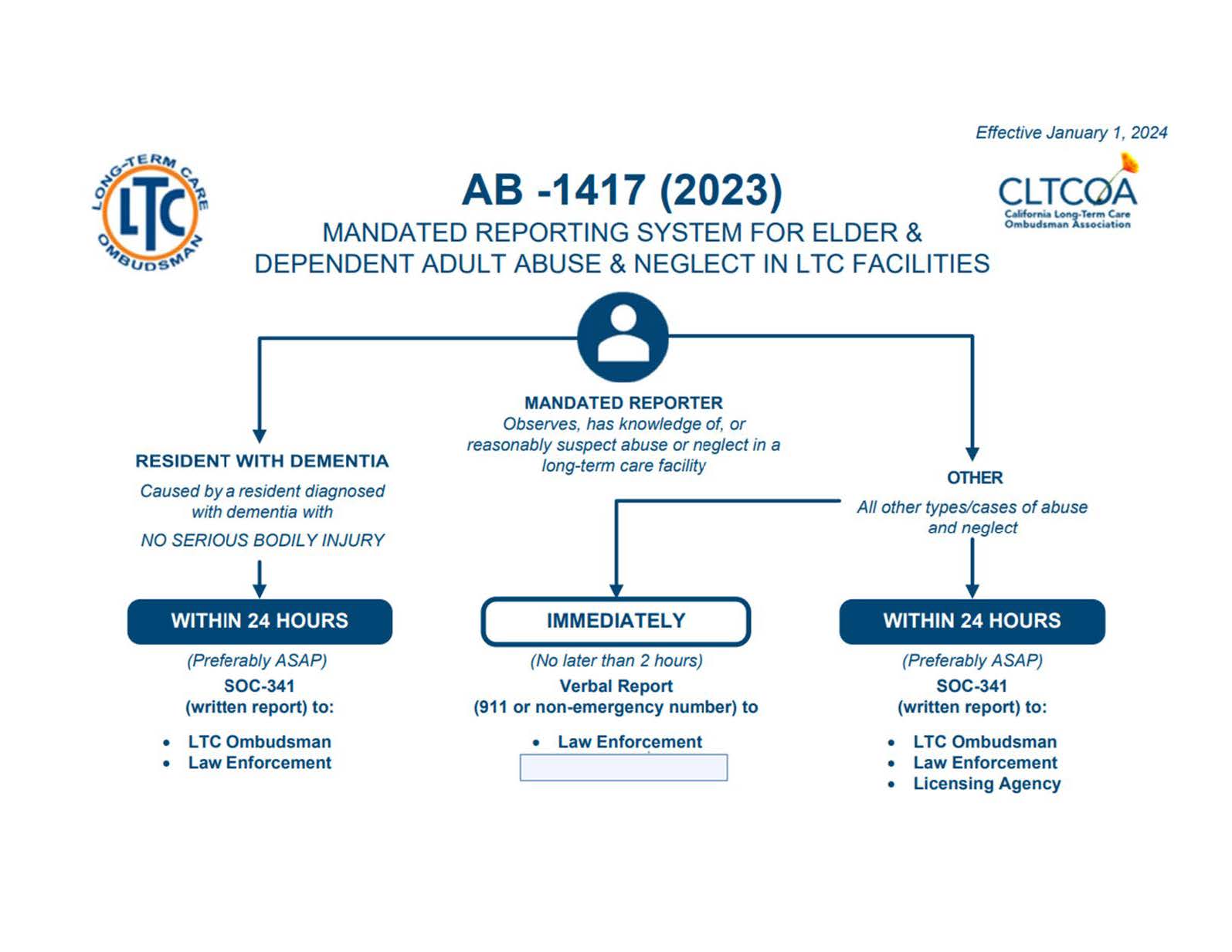
- Initiate Report to Authorities: The report must be made to the appropriate agency—Child Protective Services (CPS) for child abuse, or Adult Protective Services (APS) for elder/dependent adult abuse. This typically involves a telephone call followed by a written report (Form SS 8572 for child abuse) within a specific timeframe (e.g., 36 hours for child abuse reports). It is important to remember that the individual mandated reporter is legally responsible for making the report, not solely the hotel.
Hotel Policies, Training, and Record-Keeping
Effective compliance requires more than just reactive measures. Hotels must proactively implement:
- Comprehensive Policies: Clear, written policies outlining the hotel’s commitment to mandated reporting, defining who is a mandated reporter within the organization, and detailing the internal and external reporting procedures.
- Mandatory Training: Regular and comprehensive training for all relevant staff on their roles as mandated reporters. This training should cover recognition of abuse indicators, reporting protocols, legal obligations, and the importance of confidentiality and non-retaliation. New hires should receive this training as part of their onboarding.
- Designated Contact: Identifying a specific manager or department (e.g., Human Resources or Legal) responsible for overseeing mandated reporting compliance, providing guidance to staff, and maintaining records of training and reports made (while respecting privacy laws).
- Record-Keeping: Maintaining confidential records of all mandated reporter training provided and copies of reports submitted, as legally permissible and necessary for compliance audits.
Legal Protections and Consequences of Non-Compliance
California law provides significant protections for mandated reporters who make a report in good faith. They are immune from civil or criminal liability for reporting suspected abuse. This protection is crucial for encouraging reports without fear of reprisal.
Conversely, the consequences of failing to report suspected abuse or neglect are severe. A mandated reporter who fails to report may face misdemeanor charges, including fines and/or imprisonment. Beyond legal penalties, a hotel that fails to adequately train its staff or establish proper reporting mechanisms could face significant reputational damage, civil lawsuits, and loss of public trust. Upholding the mandated reporter duty is not just a legal obligation; it’s a moral imperative that reflects a hotel’s commitment to the safety and well-being of all its guests.
LifeOutOfTheBox is a participant in the Amazon Services LLC Associates Program, an affiliate advertising program designed to provide a means for sites to earn advertising fees by advertising and linking to Amazon.com. Amazon, the Amazon logo, AmazonSupply, and the AmazonSupply logo are trademarks of Amazon.com, Inc. or its affiliates. As an Amazon Associate we earn affiliate commissions from qualifying purchases.