
The narrative of housing insecurity in California is often dominated by discussions of affordability, but a more acute, sudden, and devastating form of housing loss frequently strikes the Golden State: the obliteration of homes due to natural disasters. From raging wildfires to catastrophic floods and mudslides, these events leave behind not just physical ruins but also a profound and often prolonged crisis of accommodation. Understanding who precisely loses their homes in these cataclysms, the immediate challenges they face, and the intricate path to regaining stable long-term accommodation is crucial for comprehending the full scope of disaster impact on residential landscapes.
The Scope of Displacement: Understanding the Numbers
California’s dramatic landscapes, while beautiful, are inherently susceptible to a range of natural hazards. The ongoing climate crisis has only exacerbated the frequency and intensity of events like wildfires, which have become a grim annual ritual, alongside increasingly volatile weather patterns leading to floods and mudslides. The sheer scale of destruction these events can unleash on residential areas is staggering, creating massive, often sudden, waves of displacement.
A Recurring Tragedy in the Golden State
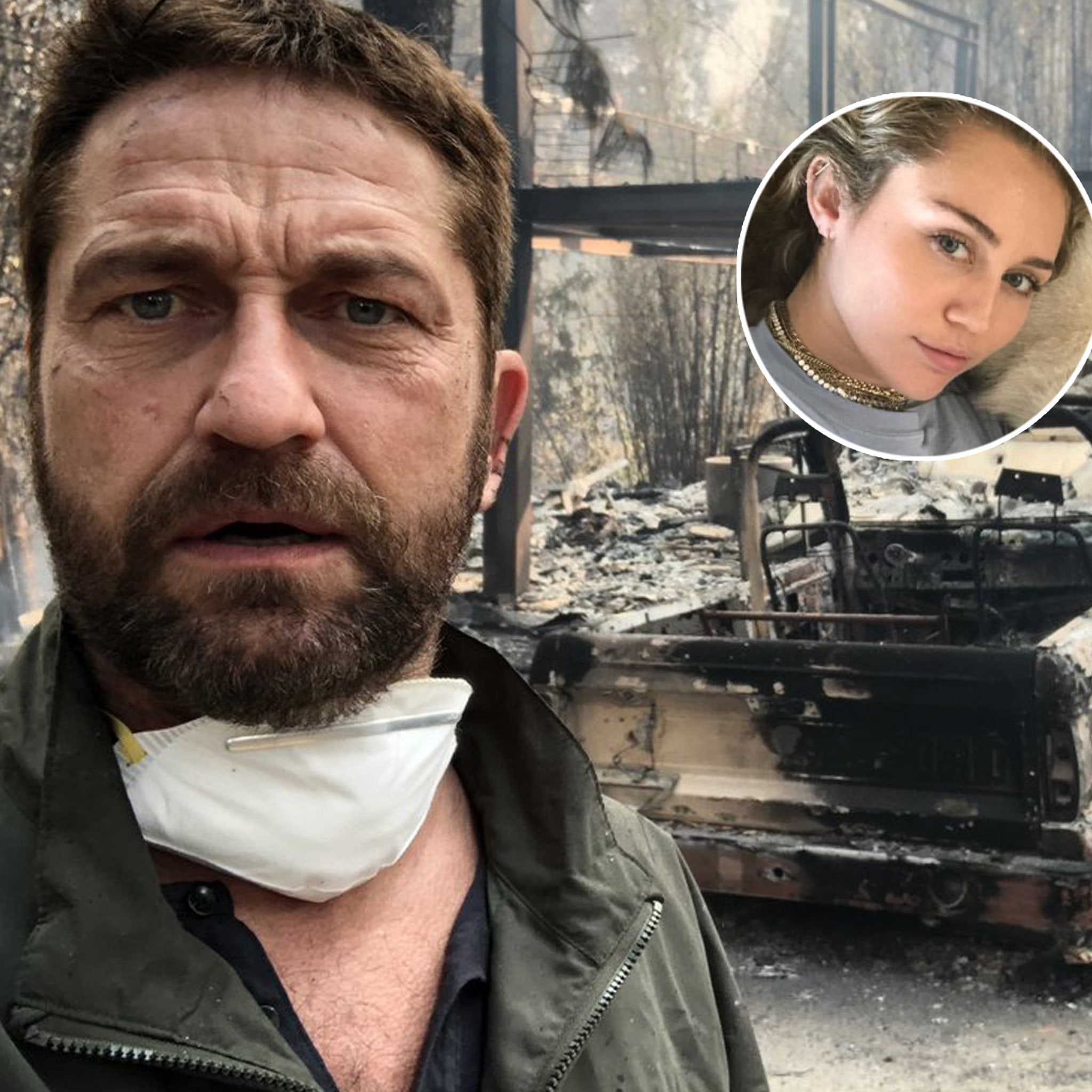
Wildfires, in particular, have been responsible for the vast majority of home losses in recent years. While the headlines often focus on the acreage burned or the financial cost, the true human toll is measured in the thousands of individual residences reduced to ash. For instance, the 2018 Camp Fire, which virtually incinerated the town of Paradise in Butte County, destroyed over 18,000 structures, predominantly homes, displacing nearly the entire population of what was once a thriving community. Similarly, the 2017 Tubbs Fire devastated large sections of Santa Rosa, wiping out thousands of homes overnight. These are not isolated incidents but part of a distressing pattern, with other major fires like the Woolsey Fire impacting communities in and around Malibu, further demonstrating the pervasive threat to Californian housing. Beyond fires, atmospheric rivers can trigger severe flooding and mudslides, leading to significant structural damage and rendering homes uninhabitable, albeit often localized.
Identifying the Vulnerable Demographics
The question of “who lost their homes” extends beyond a simple count of structures. It delves into the demographics of the displaced. Both homeowners and renters are impacted, though often with different pathways to recovery. Homeowners with adequate insurance might face the daunting task of rebuilding, but renters are often left with less recourse, struggling to find new housing in already tight markets. Low-income communities and mobile home parks are frequently disproportionately affected. These areas may lack the resources for robust fire-resistant landscaping or modern building materials, and their residents often have fewer financial buffers to navigate a crisis. Furthermore, the loss of homes doesn’t just impact direct residents; it creates a ripple effect, displacing local service workers, teachers, and small business owners, all of whom contribute to the community’s fabric. The pre-existing housing crisis in California, characterized by high rents and limited availability, means that even a moderate loss of housing stock can have outsized impacts, especially on vulnerable populations.
Immediate Accommodation Challenges Post-Disaster
The moments immediately following a major disaster are chaotic, marked by urgency and the fundamental human need for shelter. For those who have lost everything, the immediate scramble for accommodation is a critical first step on a long and arduous journey toward recovery.
The Race for Shelter
As evacuation orders are issued and homes burn, the immediate need is simply a safe place to sleep. Community centers, school gymnasiums, and fairgrounds quickly transform into emergency shelters, offering cots, food, and basic necessities. While these provide crucial immediate relief, they are inherently temporary and offer little privacy or comfort. Families, often separated during evacuations, strive to reunite, relying on informal networks. Many seek refuge with relatives or friends in unaffected areas, a solution that can strain resources and relationships over time. This initial phase is marked by shock, trauma, and the bewildering realization that one’s entire living environment has been obliterated.
Temporary Housing Solutions
Beyond emergency shelters, the search for slightly more stable, albeit still temporary, housing begins. Hotels and motels in neighboring towns experience a surge in demand, often leading to rapid bookings and increased prices. For those with insurance or disaster relief funds, a short-term hotel stay can offer a semblance of normalcy. However, the availability is finite, particularly after large-scale events, and sustained stays can quickly deplete resources. The rental market becomes another battleground. Short-term rental platforms, while sometimes offering discounted or free stays in the immediate aftermath, cannot absorb thousands of displaced individuals. Many families turn to recreational vehicles (RVs) or manufactured housing, parking them on their damaged properties or in designated temporary sites, accepting a significantly downgraded living standard in exchange for proximity to their former homes and communities. The psychological toll of living in limbo, often for months, cannot be overstated, contributing to stress, anxiety, and a sense of displacement far beyond the physical loss.

Support Systems for the Displaced
In this tumultuous period, various support systems activate. The Federal Emergency Management Agency (FEMA) is often a primary resource, offering temporary housing assistance, rental assistance, and grants for essential needs. Non-profit organizations like the American Red Cross provide immediate shelter, food, and emotional support, while local charities and community groups organize donations, aid distribution, and volunteer efforts. These organizations are critical in bridging the gap between immediate disaster and the longer-term recovery phase, providing not just material aid but also a vital sense of community and hope. Navigating the complex bureaucracy of aid applications, insurance claims, and various support programs itself becomes a full-time job for many survivors, adding to their already immense burdens.
Navigating the Path to Long-Term Accommodation
Once the immediate crisis subsides, the focus shifts to establishing long-term accommodation. This phase is often the most prolonged and challenging, characterized by complex decisions, financial hurdles, and emotional resilience.
The Complexities of Rebuilding
For homeowners, the primary decision is often whether to rebuild on their existing lot or relocate entirely. Rebuilding is a monumental undertaking. It involves navigating insurance claims, which can be protracted and contentious, dealing with debris removal, securing permits from local authorities, and finding contractors in an overwhelmed market. New building codes, often designed to enhance resilience, can add significant costs and complexity. The emotional burden of recreating a home from scratch, in a landscape scarred by disaster, can be immense. Many survivors face “underinsurance,” where their policy limits do not cover the full cost of reconstruction, forcing difficult financial decisions or scaling down their future homes. This process can take years, leaving families in temporary housing solutions for extended periods, longing for stability.
Relocation and New Beginnings
For a significant number, particularly renters and homeowners without sufficient insurance or the will to rebuild, relocation becomes the only viable option. This means finding new permanent housing in a competitive market, often far from their original community. The challenges are formidable: securing new employment, enrolling children in different schools, and recreating social networks. The existing housing crisis in California, marked by high demand and limited affordable options, means that finding suitable replacement housing is incredibly difficult, especially for low-income families or those who lost their employment due to the disaster. Many are forced to move further afield, creating “disaster diaspora” communities and fracturing the social fabric of the original town. The psychological impact of losing not just a home but an entire way of life and community is a profound aspect of this long-term displacement.
Government and Community Initiatives
Recognizing the scale of the long-term housing crisis post-disaster, various government and community initiatives aim to support survivors. State and federal grants may assist with down payments for new homes or provide funds for rental assistance. Local governments often streamline permitting processes for rebuilding and explore options for increasing affordable housing stock. Community land trusts and non-profit development corporations play a role in acquiring land and building new homes that are genuinely affordable for displaced residents. Some communities explore innovative housing models, such as modular homes or pre-fabricated units, to accelerate rebuilding and provide quicker pathways to permanent accommodation. The success of these initiatives often hinges on sustained funding, inter-agency cooperation, and strong community engagement.

Building a Resilient Future for California’s Accommodation Landscape
The repeated trauma of home loss due to natural disasters in California has underscored the urgent need for a more resilient accommodation landscape. Learning from past adversity is paramount to mitigating future crises and ensuring stable housing for all residents.
Learning from Adversity
Each disaster provides invaluable, albeit painful, lessons. There’s a growing understanding of the need for proactive measures rather than purely reactive responses. This includes promoting fire-resistant construction materials, particularly in areas identified as high-risk. Implementing and enforcing stringent building codes that account for seismic activity, wildfire susceptibility, and flood risks are crucial. Furthermore, advocating for defensible space around homes—clearing vegetation and creating buffers—has proven highly effective in protecting structures from advancing wildfires. These lessons are slowly being integrated into rebuilding efforts and new community developments, aiming to create homes that can withstand future environmental challenges.
Innovative Housing Solutions
The housing crisis exacerbated by disasters has spurred innovation in accommodation. Accessory Dwelling Units (ADUs), once niche, are now being actively promoted as flexible housing solutions, capable of being built relatively quickly and providing additional housing capacity. Modular homes and pre-fabricated structures are gaining traction as they can be manufactured off-site and assembled rapidly, offering a faster path to permanent housing for displaced families. There’s also increasing interest in community-led housing initiatives, where groups of residents or non-profits pool resources to develop resilient and affordable housing solutions, often incorporating sustainable design principles and shared community spaces. These diverse approaches are vital in a state where traditional housing development struggles to keep pace with demand, let alone disaster-induced losses.
Policy and Planning for Prevention
Ultimately, creating a truly resilient accommodation landscape requires fundamental shifts in policy and urban planning. This includes sustainable land-use planning that carefully considers development in high-risk zones, potentially restricting or significantly altering construction in areas prone to wildfires or coastal erosion. Updated zoning regulations are essential to guide growth away from hazard-prone areas and to encourage denser, more resilient development in safer locations. Climate-informed urban development, which integrates climate change projections into all planning decisions, is no longer optional. Furthermore, comprehensive state-level strategies that address not only immediate disaster response but also long-term housing recovery, financial incentives for resilience, and support for vulnerable populations are critical. By taking a holistic and forward-looking approach, California can strive to ensure that fewer residents face the devastating reality of losing their homes in the face of future natural events.