
The confluence of the Mississippi River and the Missouri River is a geographical marvel, a pivotal point where two of North America’s most significant waterways merge to form a single, mighty entity. This union is not merely a physical meeting of water; it is a landmark of immense historical, ecological, and navigational importance. Understanding this nexus is crucial for anyone interested in the natural history, the development of the American heartland, and the enduring power of its river systems.
The Geography of the Confluence
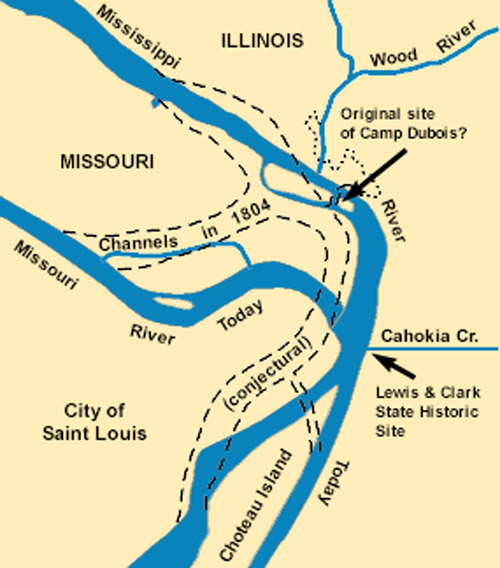
The point at which the Mississippi River and the Missouri River converge is located near the city of St. Louis, Missouri. More precisely, it is situated just north of the downtown area, within the boundaries of St. Louis County. This specific location marks the transition of the Mississippi River from its upper course, characterized by a generally northerly flow and a narrower channel, to its middle course, where it gains significant volume and width.
The Missouri River’s Journey
The Missouri River, the longest river in North America, originates in the Rocky Mountains of western Montana. Its journey is a testament to the vastness of the continent, traversing thousands of miles through diverse landscapes. From its headwaters, it flows eastward and then southeastward, gathering strength from numerous tributaries. Its waters are often characterized by a muddy, sediment-laden appearance, a stark contrast to the clearer, darker waters of the Mississippi River upstream. This sediment load is a defining characteristic of the Missouri River, carrying with it the erosion products of the western plains and mountains.
The Mississippi River’s Upstream Character
The Mississippi River upstream of the confluence, while significant, is generally considered the “upper” section. It flows from its source at Lake Itasca in northern Minnesota. In this segment, the river is narrower, often flowing through forested regions and agricultural lands. Its character is more placid compared to the energetic, silt-laden flow of the Missouri River. As the Mississippi River approaches the confluence, it has already passed by cities like Minneapolis and St. Paul.
The Dynamics of the Confluence
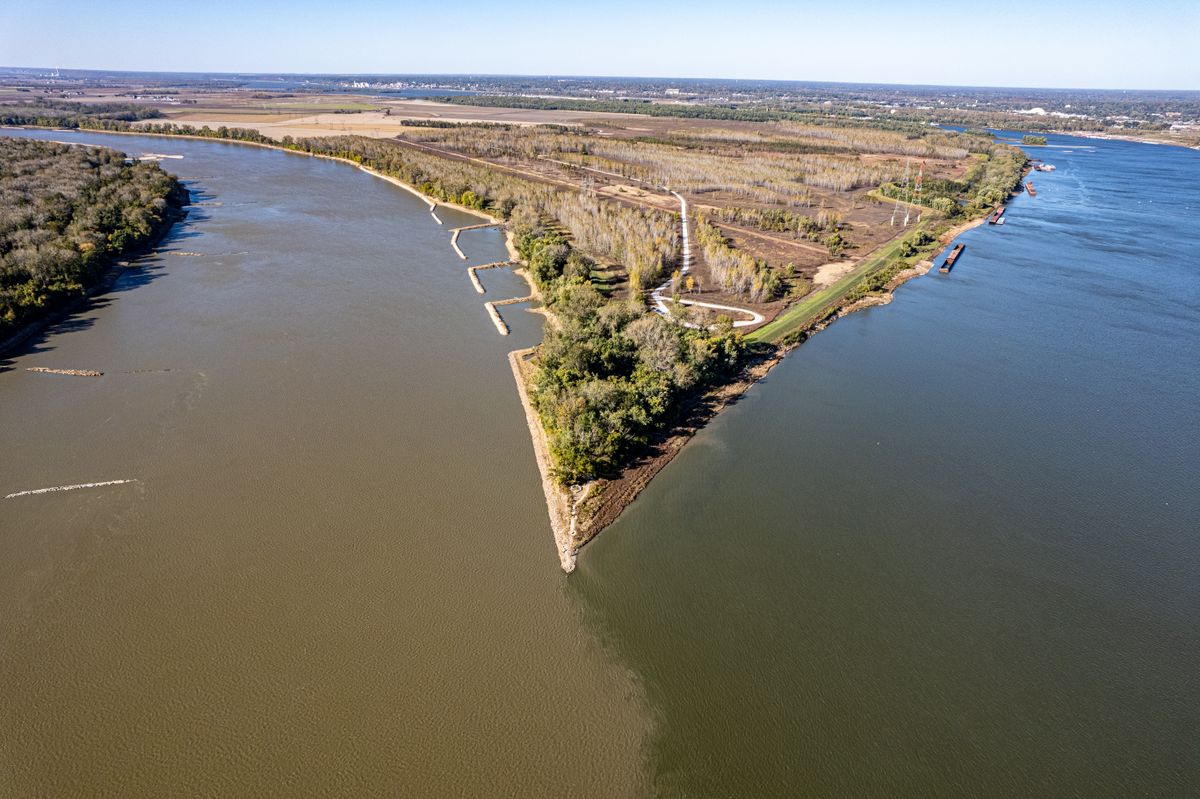
The meeting of these two colossal rivers is a dynamic event. The sheer volume and momentum of the Missouri River often cause it to dominate the combined flow for some distance downstream, giving the merged river a more turbid appearance for a while. This mixing zone is a unique aquatic environment, supporting a specific array of flora and fauna adapted to the changing conditions. The precise point of confluence can shift subtly over time due to natural processes of erosion and deposition, although human interventions have also influenced the river channels in this region.
Historical Significance of the Confluence
The confluence of the Mississippi River and the Missouri River has been a site of human activity for millennia. Indigenous peoples, including the Mississippian culture, recognized the strategic importance of this location for settlement, trade, and transportation. The fertile lands around the confluence provided ample resources for sustenance, and the rivers served as highways for communication and travel.
Early Exploration and Settlement
European explorers, such as Jacques Marquette and Louis Jolliet in 1673, navigated these waters, documenting their journeys and the indigenous communities they encountered. Later, the Lewis and Clark Expedition departed from near the confluence in 1804, using the Missouri River as their gateway to the American West. This expedition solidified the confluence’s role as a launching point for westward expansion, a symbolic gateway to the vast, unexplored territories beyond.
The Rise of St. Louis
The city of St. Louis owes its very existence and prosperity to its prime location at this confluence. Founded in 1764 by French fur traders, St. Louis quickly grew into a vital hub for the fur trade, connecting the resources of the interior with markets in Europe and the eastern United States. The confluence provided unparalleled access for bringing pelts downriver and distributing manufactured goods inland. As the nation expanded, St. Louis became a crucial port of entry and departure for settlers, goods, and agricultural products, earning it the nickname “Gateway to the West.” The iconic Gateway Arch stands as a monumental tribute to this historical role.
Navigational Importance

Throughout history, the confluence has been central to the development of inland navigation in the United States. The combined waterway, once navigable and dredged, became a critical artery for commerce, facilitating the transport of raw materials and finished goods. Steamboats plied these waters in the 19th century, and even today, barges carry immense quantities of commodities like coal, grain, and chemicals along the merged river system. The challenges of navigating these powerful rivers, especially the sediment-laden Missouri River, have spurred significant engineering efforts to maintain and improve navigability.
Ecological Significance and Biodiversity
The confluence is more than just a geographical marker; it is a vibrant ecosystem where distinct riverine environments meet and mingle, creating a unique habitat that supports a rich diversity of life. The hydrological characteristics of the Mississippi River and the Missouri River influence the downstream environment, impacting everything from water quality to the types of plants and animals that can thrive there.
Aquatic Life
The combined waters of the Mississippi River and the Missouri River are home to a wide variety of fish species. This includes iconic species like catfish, bass, and crappie, as well as commercially important fish such as paddlefish and sturgeon. The mixing of waters with different sediment loads and nutrient profiles creates diverse microhabitats, supporting a complex food web. Bird species that rely on aquatic environments, such as herons, egrets, and various waterfowl, are also abundant in the wetlands and along the riverbanks surrounding the confluence.
Terrestrial and Riparian Zones
The land adjacent to the confluence is characterized by riparian forests, wetlands, and floodplains. These areas are crucial for filtering water, preventing erosion, and providing habitat for a wide range of terrestrial wildlife. Mammals like deer, raccoons, and beavers can be found in these zones, along with numerous smaller mammals, reptiles, and amphibians. The health of these riparian ecosystems is directly tied to the flow and sediment characteristics of the rivers.
Environmental Challenges and Conservation Efforts
The confluence and the surrounding riverine environment face numerous environmental challenges, including pollution from agricultural and urban runoff, habitat fragmentation, and the impacts of dams and levees on natural river processes. Organizations and government agencies are actively involved in conservation efforts aimed at preserving the ecological integrity of this vital waterway. These efforts include water quality monitoring, habitat restoration projects, and the management of invasive species. Understanding the ecological dynamics of the confluence is essential for effective conservation strategies.
Experiencing the Confluence Today
While the historical and ecological significance of the confluence is profound, it also offers opportunities for modern exploration and appreciation. Though the exact point of meeting can be elusive to the casual observer due to the vastness of the waterways, several vantage points and activities allow visitors to connect with this remarkable natural landmark.
Parks and Recreation Areas
The Mississippi National River and Recreation Area, though centered further north along the Mississippi River, offers a broader context for understanding the river’s journey. Closer to the confluence itself, various parks and wildlife refuges along the Missouri River and the Mississippi River provide access for hiking, birdwatching, and enjoying the riparian landscapes. Some locations offer interpretive signage that explains the confluence’s history and ecological importance.
River Tours and Cruises
A more immersive experience can be gained by taking a river tour or cruise on the combined waterway. Various operators offer excursions from St. Louis that allow passengers to witness the sheer scale of the rivers and appreciate the confluence from the water itself. These tours often provide insights into the navigation, history, and ecology of this significant American river system. Seeing the dramatic difference in water color and texture where the two rivers meet is a memorable sight.
Educational and Interpretive Centers
The Gateway Arch National Park in St. Louis offers exhibits that delve into the history of westward expansion and the role of the rivers. While not exclusively focused on the confluence itself, these centers provide essential context for understanding the landmark’s importance in the nation’s development. For a more direct understanding of the confluence, visitors can seek out local historical societies or environmental organizations that may offer specific information or guided programs related to the river meeting point.
In conclusion, the meeting of the Mississippi River and the Missouri River is a profound geographical event with deep historical roots and enduring ecological significance. It is a place where two continental arteries unite, shaping the landscape, the economy, and the very identity of the American heartland.
LifeOutOfTheBox is a participant in the Amazon Services LLC Associates Program, an affiliate advertising program designed to provide a means for sites to earn advertising fees by advertising and linking to Amazon.com. Amazon, the Amazon logo, AmazonSupply, and the AmazonSupply logo are trademarks of Amazon.com, Inc. or its affiliates. As an Amazon Associate we earn affiliate commissions from qualifying purchases.