
The Enduring Legacy of the California State Capitol
To truly understand the essence of governance in the Golden State, one must first appreciate the landmark that stands as its legislative heart: the California State Capitol. Nestled in the vibrant city of Sacramento, this iconic structure is far more than just a workplace for elected officials, including the esteemed California Senator. It is a living museum, a historical monument, and a tangible symbol of California’s rich political heritage and its ongoing democratic process. Its very presence invites inquiry into the individuals and institutions that shape the state’s future, making it a crucial landmark for civic engagement and historical exploration.

Architectural Grandeur and Historical Significance
Construction on the California State Capitol began in 1860, with its cornerstone laid by the then-Governor, Leland Stanford. Designed in the neoclassical style, reminiscent of the U.S. Capitol building, its majestic dome and intricate facade command attention. The building officially opened its doors in 1869, though additions and refinements continued for several decades. Over the years, it has undergone significant restorations, most notably a comprehensive modernization project in the 1970s and 80s to preserve its historical integrity while updating it for contemporary legislative needs and earthquake safety.
The architecture itself tells a story. The exterior features colossal Corinthian columns, a grand portico, and pediments adorned with allegorical sculptures representing justice, wisdom, and industry. The dome, rising gracefully above the city skyline, is crowned with a lantern and a statue of Minerva, the Roman goddess of wisdom and war, symbolizing the state’s intelligence and readiness to defend its principles. Inside, the opulence continues with marble floors, polished wood, ornate frescoes, and period furnishings that transport visitors back in time. Each detail, from the intricate mosaics to the historical portraits lining the hallways, contributes to the building’s status as a vital landmark. Its inclusion on the National Register of Historic Places underscores its importance not just to California, but to the nation’s architectural and historical fabric.
A Hub of Governance and Public Engagement
Beyond its aesthetic appeal, the California State Capitol serves as the primary seat of California’s government. It houses the offices of the Governor, the California State Senate, and the California State Assembly. This is where critical legislative decisions are debated, crafted, and enacted, directly impacting the lives of millions of Californians. The very halls where the current California Senator and their colleagues deliberate are open to the public, offering a unique opportunity to witness democracy in action. This accessibility transforms the building from a mere government office into an educational landmark, inviting citizens to connect with their governance.
The grounds surrounding the Capitol are equally significant. The Capitol Park spans several blocks, featuring meticulously manicured gardens, historical monuments, and diverse plant species from around the world. It is a living arboretum and a peaceful urban oasis, serving as a popular spot for both locals and tourists. Within the park, visitors can find memorials dedicated to veterans, firefighters, and other groups, each adding layers of historical and cultural meaning to the landmark complex. These outdoor elements extend the Capitol’s role as a public space, reflecting the broad spectrum of California’s history and community spirit.
Exploring the Seat of California’s Legislative Power
Visiting the California State Capitol offers an unparalleled journey into the political and historical landscape of the state. It is an experience designed to inform, engage, and inspire, making it a must-see landmark for anyone interested in American civics, architecture, or Californian history.
Guided Tours and Self-Exploration
One of the best ways to experience the Capitol is through its free guided tours. Knowledgeable docents lead visitors through the historic rooms, legislative chambers, and various exhibits, sharing fascinating anecdotes and historical facts. These tours typically cover the building’s construction, its architectural highlights, and the functions of the different branches of government housed within its walls. They provide context to the legislative process, explaining how bills are introduced, debated, and passed, and shedding light on the roles played by elected officials, including the various California Senators who have served throughout history. For those who prefer to explore at their own pace, self-guided tour brochures are available, allowing visitors to wander through the public areas, absorbing the grandeur and historical ambiance. The accessibility of the building underscores its role as a public trust, a place where citizens can directly observe their government at work.
The Capitol Museum Experience
Within the California State Capitol is the Capitol Museum, a treasure trove of artifacts and exhibits that chronicle California’s journey from statehood to the present day. The museum features restored offices from the early 20th century, offering a glimpse into what life was like for governors and legislators decades ago. These meticulously preserved rooms, complete with period furnishings and equipment, provide a tangible link to the past, making the historical narrative come alive. Exhibitions often highlight significant moments in California’s political and social history, important legislative achievements, and the lives of influential figures. The museum not only educates visitors about the state’s political evolution but also serves as a poignant reminder of the continuous efforts required to uphold democratic values. It provides a deeper understanding of the institutional framework within which a California Senator operates, reinforcing the idea that they are part of a long and storied tradition.
Understanding the Role within a Historic Setting
The landmark status of the California State Capitol is intrinsically linked to its function as the hub of state governance. Observing the legislative process within such a historically significant building provides a unique perspective on the responsibilities and daily life of public servants.
The Senate Chambers: A Glimpse into Democracy
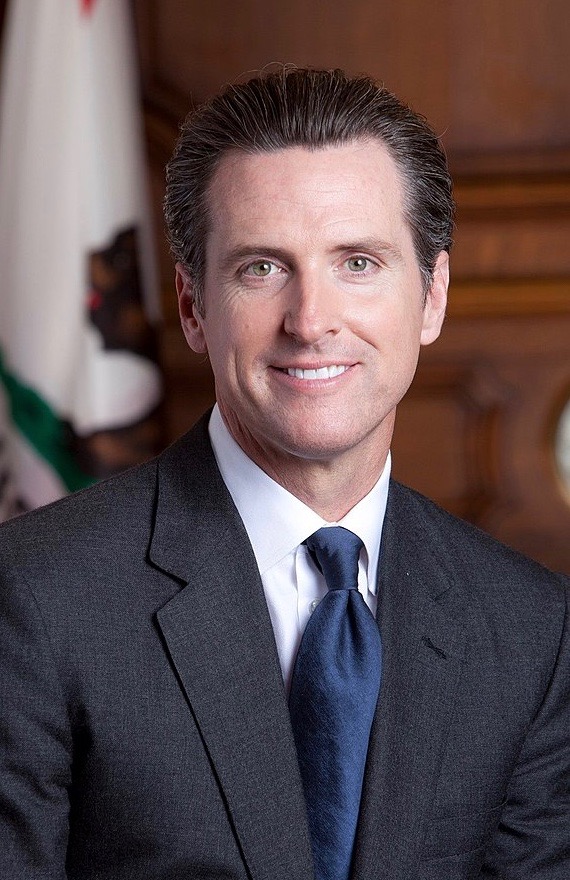
The California State Senate chambers are perhaps one of the most iconic spaces within the Capitol. Adorned in red, reflecting the British parliamentary tradition, this chamber is where the 40 elected members of the California Senate convene to debate legislation, conduct committee hearings, and cast their votes. When the legislature is in session, visitors can often observe proceedings from the public galleries. This direct access offers a powerful visual representation of the democratic process, highlighting the discussions and decisions that shape state policy. While the question “Who is the current California Senator?” might arise, the experience in the chambers provides a broader understanding of the collective body and the institutional role rather than focusing solely on individuals. It underscores that the office of the California Senator is an integral part of this enduring landmark, embedded in its history and daily operations.
Public Access and Civic Education
The Capitol’s commitment to public access extends beyond tours and museum exhibits. Regular public hearings and committee meetings are held throughout the legislative session, many of which are open to the public. This transparency is a cornerstone of democratic governance and transforms the building into an active learning environment. Educational programs for students of all ages are also a significant part of the Capitol’s mission, encouraging young people to learn about government and civic responsibility. These initiatives reinforce the idea that the California State Capitol is not just a landmark for history buffs or political enthusiasts, but a vital resource for all citizens to engage with their government and understand the context in which their representatives, including the California Senator, serve the state.
Beyond the Building: Sacramento’s Political Heart
The California State Capitol is undoubtedly the jewel in Sacramento’s crown of landmarks, but the city itself offers a rich tapestry of history and culture that complements a visit to the legislative seat.

Nearby Landmarks and Cultural Attractions
Just a short walk from the Capitol, visitors can explore Old Sacramento State Historic Park. This charming district, a National Historic Landmark itself, preserves the original Gold Rush-era waterfront with its wooden sidewalks, horse-drawn carriages, and historic buildings housing shops, restaurants, and museums. It provides a vivid contrast to the stately Capitol, showcasing the origins of California’s rapid development and the foundational moments that led to its need for a robust government.
Further enriching the experience are other cultural landmarks such as the Crocker Art Museum, one of the oldest art museums west of the Mississippi, offering diverse collections ranging from European master drawings to contemporary Californian art. The California State Railroad Museum in Old Sacramento is another major attraction, celebrating the pivotal role of railroads in the state’s growth and connecting with figures like Leland Stanford, who was instrumental in the railroad industry and later served as governor. These surrounding attractions enhance the understanding of California’s narrative, providing context for the political landscape and the landmark at its center. A visit to Sacramento is thus a comprehensive journey through the state’s past and present, anchored by the magnificent California State Capitol and the profound civic discussions that happen within its walls, irrespective of who holds the specific title of California Senator at any given moment.
LifeOutOfTheBox is a participant in the Amazon Services LLC Associates Program, an affiliate advertising program designed to provide a means for sites to earn advertising fees by advertising and linking to Amazon.com. Amazon, the Amazon logo, AmazonSupply, and the AmazonSupply logo are trademarks of Amazon.com, Inc. or its affiliates. As an Amazon Associate we earn affiliate commissions from qualifying purchases.