
The legalization of cannabis in California, a groundbreaking shift that reshaped the state’s cultural and economic landscape, was not a singular event but the culmination of decades of evolving societal perspectives, economic imperatives, and a persistent drive for social justice. Far from merely permitting recreational use, the decision encapsulated a profound change in the state’s collective lifestyle, embracing new freedoms, economic opportunities, and a more equitable approach to a previously stigmatized substance. Understanding the “why” behind this pivotal legislative move requires delving into the multifaceted motivations that ultimately led to Proposition 64 in 2016, transforming how residents and visitors interact with cannabis and the broader implications for their daily lives.

A Fundamental Shift in Societal Norms and Public Perception
For decades, cannabis was shrouded in controversy, viewed through a lens of moral panic and criminalization. However, a gradual but significant transformation in public opinion paved the way for its legal acceptance, reflecting a broader societal evolution in what constitutes acceptable personal choice and lifestyle.
The Decades-Long Battle for Acceptance
California’s journey toward legalization began long before 2016, rooted in its pioneering role in medical cannabis. In 1996, the state passed Proposition 215, making it the first state in the United States to legalize medical marijuana. This early legislative victory was a critical precursor, normalising cannabis use for therapeutic purposes and gradually chipping away at the stigma. It introduced a regulated framework, demonstrating that cannabis could be integrated into society without the dire consequences often predicted by opponents. This medical precedent opened the door for broader conversations about recreational use, transitioning the discourse from purely medical necessity to one of personal liberty and lifestyle choice.
Evolving Cultural Acceptance and Demographic Shifts
As generations passed, the historical narratives surrounding cannabis, often rooted in misinformation and moralistic fears from the mid-20th century, began to lose their grip. Younger generations, exposed to more balanced information and witnessing the relatively benign reality of medical cannabis, developed a more liberal view. This demographic shift, coupled with growing awareness of the plant’s diverse applications—from wellness products to culinary innovations—transformed its cultural standing. Cannabis moved from the fringes to a more mainstream conversation, influencing various aspects of lifestyle, including relaxation, social interaction, and even creative pursuits. Public figures, celebrities, and even mainstream media began to discuss cannabis more openly, further de-stigmatizing it and making it a more acceptable component of a modern, adult lifestyle. The perception shifted from an illicit drug to a regulated substance akin to alcohol, allowing for its integration into the daily lives of many Californians.
The Allure of Economic Promise and Fiscal Benefits
Beyond social acceptance, the pragmatic realities of economic opportunity and the potential for substantial tax revenue played a decisive role in the push for legalization. Lawmakers and advocates recognized the immense financial benefits that a regulated cannabis market could offer, directly impacting the lifestyle and public services available to Californians.
Generating Substantial Tax Revenue for Public Services
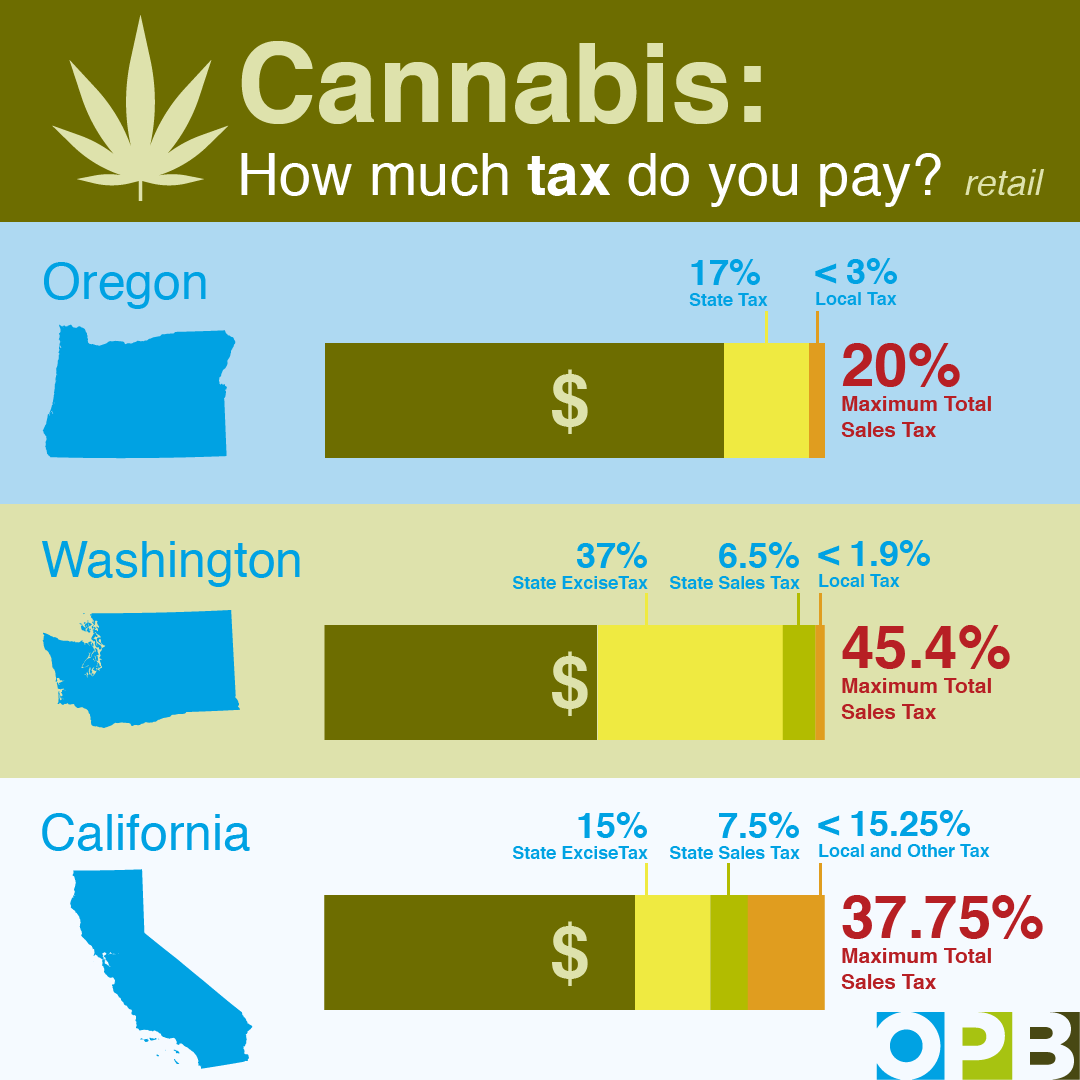
One of the most compelling arguments for legalizing cannabis was its potential to generate significant tax revenue for the state. By moving cannabis sales from the illicit black market into a regulated, taxable industry, California could fund vital public services. This revenue, earmarked for schools, infrastructure, drug education, and environmental protection, promised tangible improvements to the quality of life for all residents. The prospect of millions, if not billions, of dollars flowing into state coffers provided a powerful incentive for legislators to embrace legalization, transforming a previously untapped underground economy into a legitimate source of public funding. This economic uplift directly benefits the lifestyle of communities, from better roads to enhanced educational opportunities.
Fostering Job Creation and Entrepreneurial Ventures
Legalization ignited a completely new industry, creating a cascade of job opportunities across the state. From cultivation and processing to distribution, retail, and ancillary services like marketing, security, and specialized legal counsel, the cannabis sector became a significant employer. This new economic frontier attracted entrepreneurs and innovators, fostering a dynamic environment for small businesses and large corporations alike. For many Californians, this meant new career paths and the chance to participate in a burgeoning industry, offering economic mobility and diversified lifestyle choices that were previously unavailable. Cities like Los Angeles, San Francisco, and Oakland saw an explosion of cannabis-related businesses, creating new job markets and revitalizing local economies.
Boosting Related Industries and Creating New Lifestyles
The ripple effect of legalization extended beyond the direct cannabis industry, stimulating growth in related sectors. Tourism experienced a new niche: “cannabis tourism,” drawing visitors interested in dispensaries, consumption lounges, and cannabis-themed experiences. The hospitality sector adapted, with some hotels and accommodations becoming cannabis-friendly. Wellness and health industries also saw an influx of cannabis-infused products, from edibles to topicals, catering to consumers seeking alternative health and relaxation options. This expansion of accessible products and experiences directly influenced the lifestyle choices of both residents and tourists, offering new forms of entertainment, relaxation, and self-care.
Addressing Social Justice and Equity Imperatives

The movement for cannabis legalization was not solely driven by economic factors or shifting public opinion; it was also deeply rooted in a powerful demand for social justice and the rectification of historical harms caused by prohibition. This aspect significantly shapes the lifestyle of communities previously disproportionately impacted by cannabis laws.
Rectifying Past Harms and Disproportionate Impact
Decades of cannabis prohibition disproportionately affected minority communities and low-income populations, leading to mass incarceration, broken families, and limited opportunities. The “War on Drugs” was widely criticized for its unequal enforcement and devastating social costs. Legalization became a vehicle to address these historical injustices. Advocates pushed for provisions that would expunge past cannabis-related convictions, allowing individuals to clear their records and reintegrate into society, improving their access to housing, employment, and education – fundamental elements of a stable lifestyle. This commitment to restorative justice was a moral imperative for many who supported legalization.
Promoting Equity in the New Cannabis Economy
Beyond expungement, a critical component of California’s legalization framework was the integration of social equity programs. These initiatives aim to ensure that individuals and communities most harmed by prohibition have opportunities to participate in the new legal cannabis market. Programs in cities like Oakland, Los Angeles, and San Francisco were designed to provide resources, technical assistance, and priority licensing to equity applicants, helping them overcome barriers to entry in a highly regulated and capital-intensive industry. The goal was to create a more inclusive and equitable economic landscape, giving disadvantaged communities a chance to build wealth and improve their collective lifestyle, rather than being left behind by the very industry they helped create through their suffering.
Public Health and Safety Through Regulation
Another significant driver for legalization stemmed from a desire to improve public health and safety, directly influencing consumer lifestyle choices and overall community well-being. The argument was that regulation could achieve what prohibition could not: control.
Ensuring Consumer Safety Through Quality Control
Under prohibition, consumers had no way of knowing the purity, potency, or safety of cannabis products, often exposing them to contaminated or dangerous substances from unregulated sources. Legalization brought with it a comprehensive regulatory framework, including mandatory testing for pesticides, heavy metals, and mold, as well as clear labeling requirements for potency and ingredients. This shift provided consumers with reliable information, allowing them to make informed choices about what they consume. For the discerning consumer, this meant a safer, more predictable experience, significantly enhancing their lifestyle by reducing health risks associated with unregulated products. This control over quality directly impacts the health aspect of one’s lifestyle.
Undermining the Illicit Market and Reducing Associated Crime
A core premise of legalization was to dismantle the black market for cannabis, thereby reducing the criminal activity associated with it. By offering legal, regulated alternatives, the state aimed to redirect consumers away from illicit suppliers and toward licensed dispensaries. While the transition has faced challenges, the long-term vision was to starve criminal enterprises of their revenue streams, leading to a decrease in related crime and violence. This transformation contributed to safer communities and a more secure lifestyle for residents, as law enforcement could focus resources on more serious offenses rather than cannabis possession.
Individual Liberty and California’s Pioneering Spirit
Finally, the legalization of cannabis in California stands as a testament to the state’s enduring commitment to individual liberty and its role as a trailblazer in progressive policy.
The Pursuit of Personal Autonomy
At its heart, the legalization movement championed the idea that adults should have the freedom to make personal choices about their own bodies and recreational activities, provided those choices do not harm others. This philosophical stance aligns perfectly with a lifestyle that values personal autonomy and minimal government interference in private matters. For many, consuming cannabis is a personal choice, a way to relax, socialize, or engage in creative thought, and the prohibition felt like an infringement on fundamental freedoms. Legalization affirmed these liberties, allowing adults to legally pursue their preferred leisure activities without fear of legal repercussions, thus expanding the scope of individual lifestyle choices.
California’s Role as a Progressive Bellwether
California has historically been at the forefront of social and political change, often setting precedents that other states and even countries eventually follow. From environmental protection to LGBTQ+ rights, the state has consistently demonstrated a willingness to challenge established norms and embrace forward-thinking policies. The legalization of cannabis is another chapter in this legacy, showcasing California’s commitment to progressive values and its ability to reshape the national conversation. This pioneering spirit deeply influences the lifestyle within the state, fostering an environment where innovation and social progress are not just welcomed but actively pursued. The decision to legalize was not just about cannabis; it was about California continuing to lead the way in redefining what a modern, liberal society looks like.
LifeOutOfTheBox is a participant in the Amazon Services LLC Associates Program, an affiliate advertising program designed to provide a means for sites to earn advertising fees by advertising and linking to Amazon.com. Amazon, the Amazon logo, AmazonSupply, and the AmazonSupply logo are trademarks of Amazon.com, Inc. or its affiliates. As an Amazon Associate we earn affiliate commissions from qualifying purchases.