
California, renowned globally for its vibrant culture, stunning natural landscapes, and innovative spirit, is also an active seismic zone. For many contemplating a visit to the Golden State, the question of seismic activity often arises, particularly in the wake of news reports. Understanding California’s geological context and its approach to seismic events is crucial for any traveler, ensuring both safety and an uninterrupted enjoyment of its myriad attractions. This article delves into how seismic events, both significant and minor, factor into the tourism experience in California, offering insights for visitors on preparedness and peace of mind.
Understanding California’s Seismic Landscape for Tourists
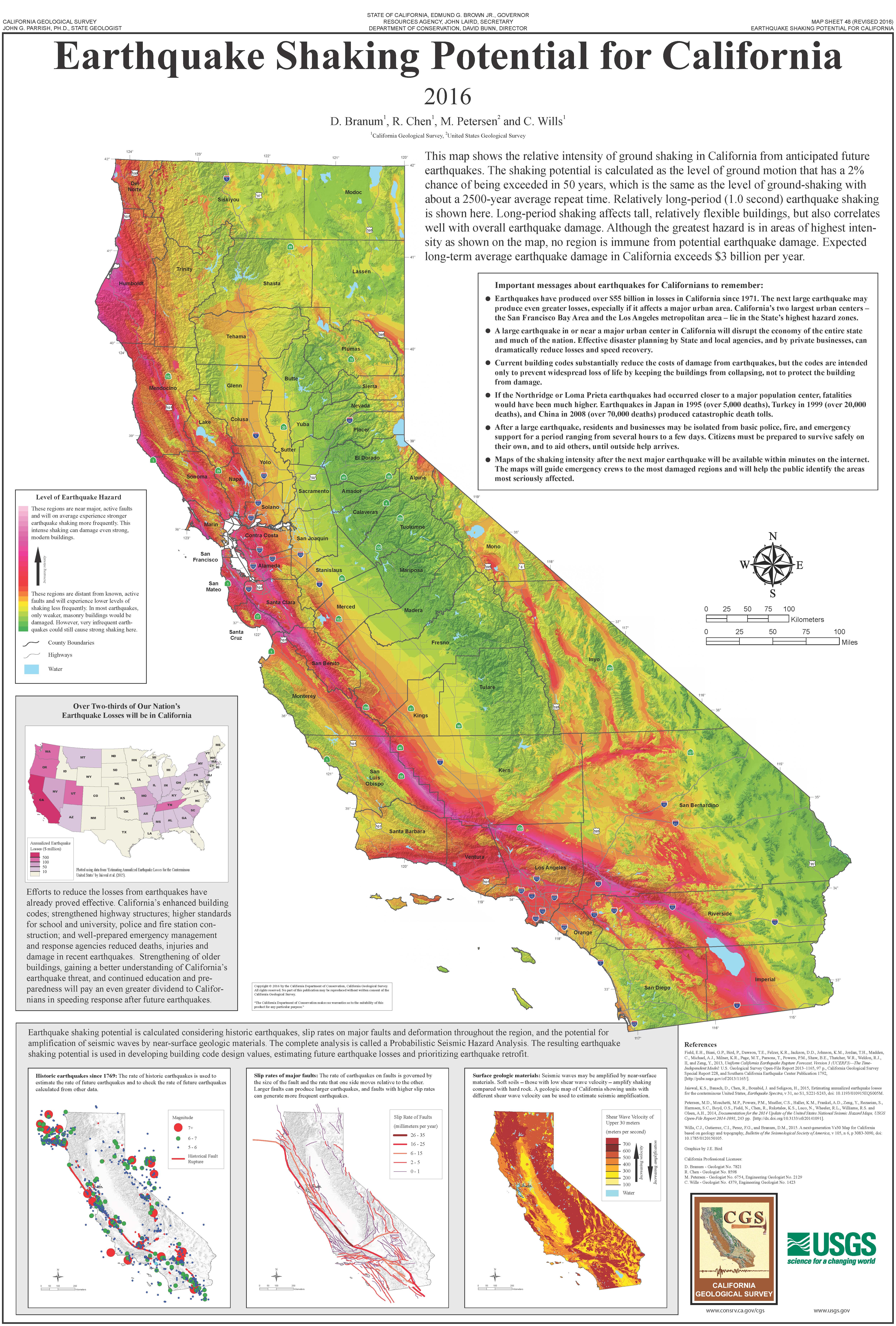
California’s position along the Pacific Ring of Fire makes it one of the most seismically active regions in the world. While major, destructive earthquakes are rare, minor tremors are a regular occurrence, often unnoticed by residents and visitors alike. This constant low-level activity is a result of the intricate network of fault lines crisscrossing the state, most notably the San Andreas Fault.
The Pacific Ring of Fire and the San Andreas Fault
The Pacific Ring of Fire is a horseshoe-shaped belt around the Pacific Ocean where a large number of earthquakes and volcanic eruptions occur. California sits on the eastern edge of this dynamic zone, primarily influenced by the boundary between the Pacific Plate and the North American Plate. These two massive tectonic plates are constantly grinding past each other, creating stress that is periodically released as seismic energy.
The San Andreas Fault is the most famous and active of California’s fault lines, running approximately 800 miles through the state. It’s a right-lateral strike-slip fault, meaning the two sides move horizontally past each other. While the San Andreas is capable of generating very large earthquakes, countless smaller faults branch off or parallel it, contributing to the state’s overall seismic activity. For tourists, understanding this geological backdrop isn’t about fear, but about context. The very forces that shaped California’s dramatic mountains and valleys, making it such a visually stunning destination, are also responsible for its seismic nature.
Commonality of Tremors and Tourist Perception
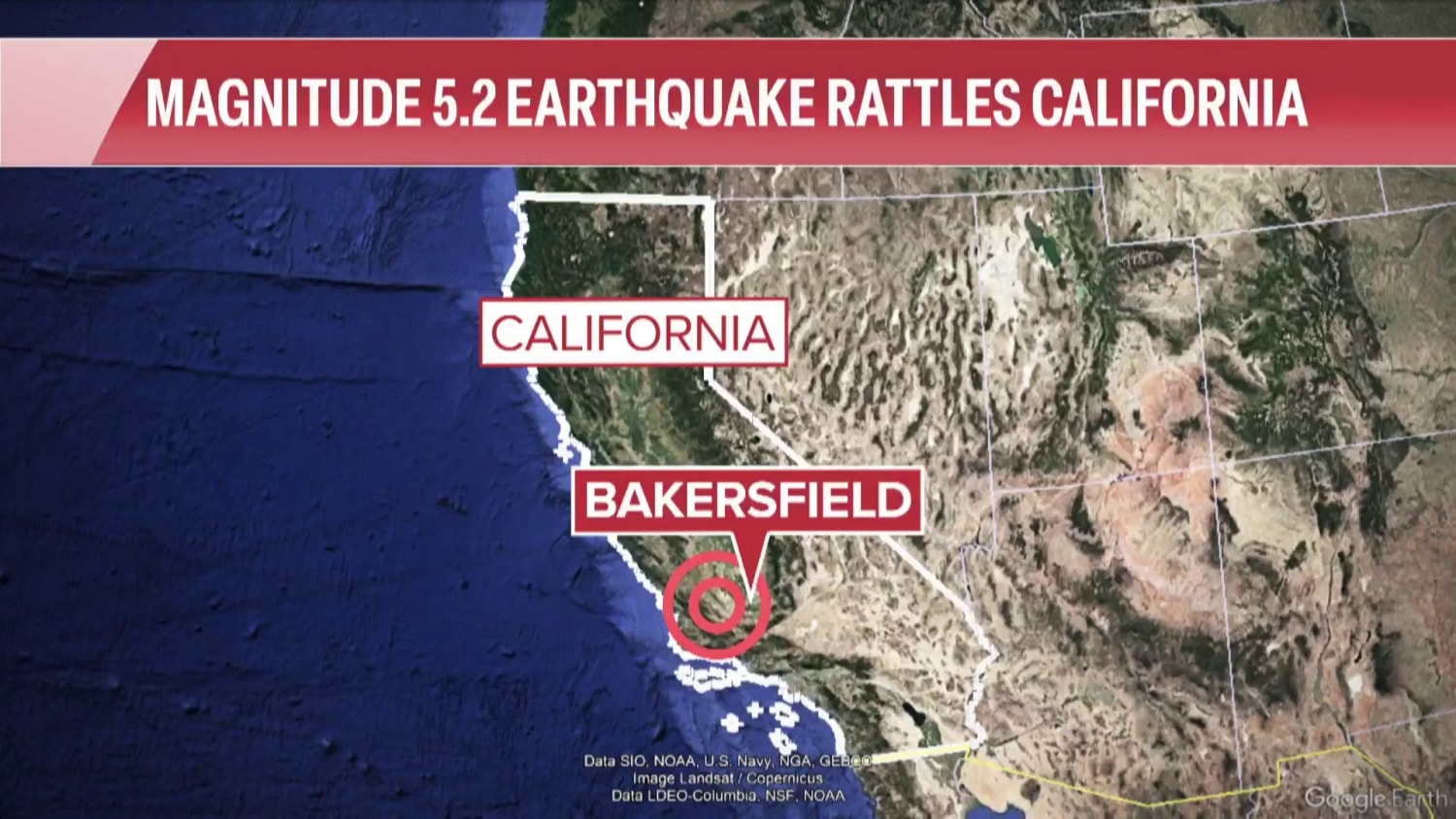
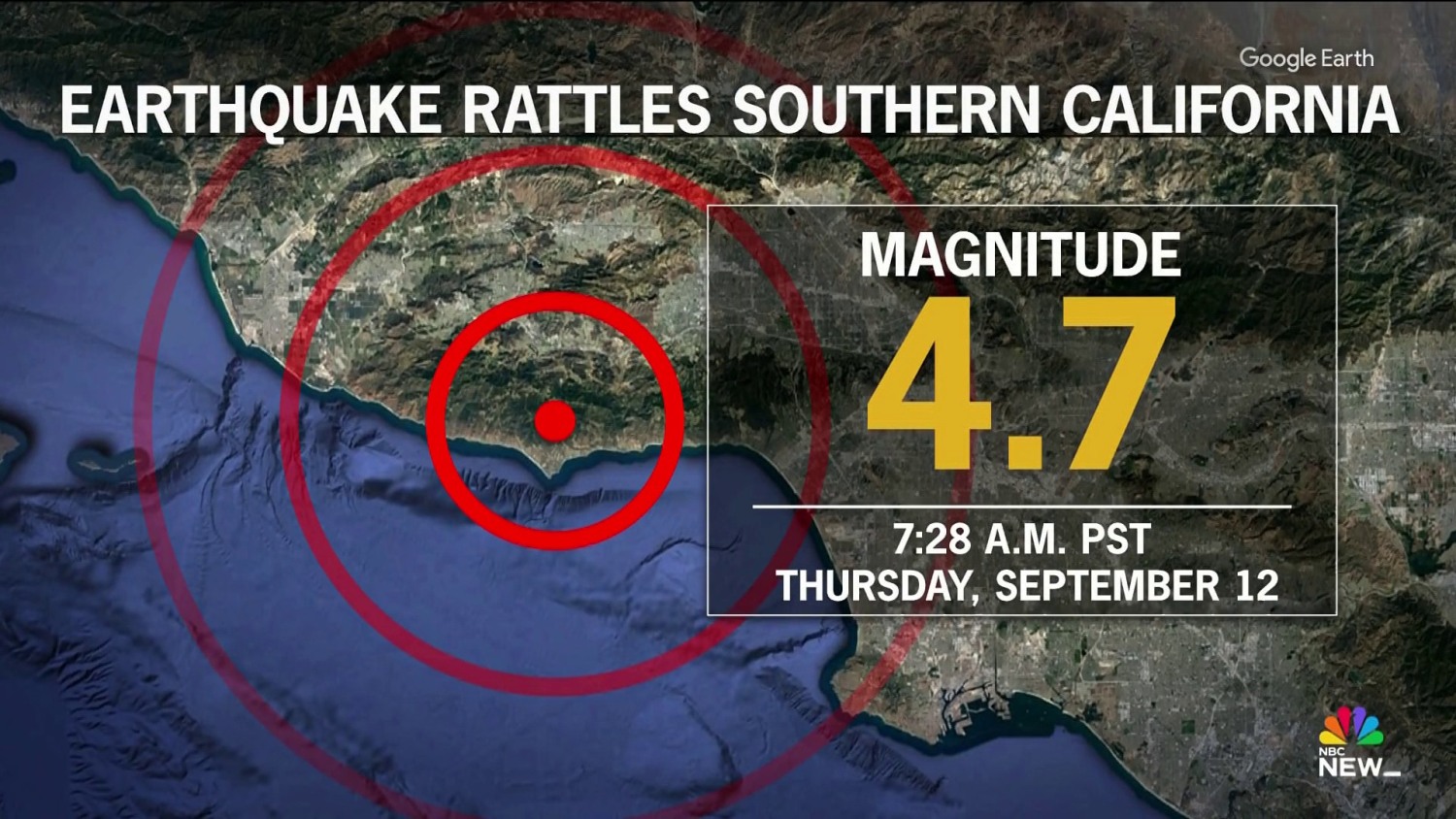
Most earthquakes that occur in California are magnitude 3.0 or less, which are rarely felt by humans and typically cause no damage. Even magnitudes between 3.0 and 5.0 are common, usually felt as a brief jolt or rolling motion, but seldom cause significant disruption or injury. Seismologists often report dozens of these smaller events daily, though only a handful might be noticeable, primarily to those close to the epicenter.
From a tourism perspective, this means that while the headline “earthquake in California” might occasionally appear, the vast majority of these events are insignificant in terms of impact on travel plans or safety. The media tends to focus on larger, more newsworthy events, which, while rare, can understandably raise concerns for prospective visitors. However, cities like Los Angeles and San Francisco have robust building codes and emergency protocols specifically designed to withstand significant seismic activity, ensuring the safety of residents and millions of tourists annually.
Impact on Tourism and Traveler Safety
When a larger earthquake does occur, the immediate concern for tourists is understandably personal safety and how their travel plans might be affected. California’s tourism infrastructure and emergency services are highly adapted to manage these situations efficiently, minimizing disruption and prioritizing safety.
Immediate Reactions and Information for Visitors
In the event of a noticeable earthquake, the first and most crucial safety advice for anyone, including tourists, is to “Drop, Cover, and Hold On.” This universally recommended action dramatically reduces the risk of injury from falling objects. Once the shaking stops, the immediate aftermath involves assessing the situation.
For tourists, this means:
- Check for Injuries: Ensure everyone around you is safe.
- Assess Surroundings: Look for obvious hazards like falling debris or structural damage.
- Stay Informed: Access local news via hotel TVs, radio, or smartphone apps (if cellular service is available). Official sources like the California Office of Emergency Services (CalOES) or the U.S. Geological Survey (USGS) provide real-time updates. Many hotels and attractions will also have established communication protocols.
- Follow Instructions: Heed any instructions from hotel staff, tour guides, or local authorities regarding evacuations, safety checks, or facility closures.
While minor quakes typically have no impact beyond a brief moment of surprise, larger events might lead to temporary closures of attractions, transport delays, or utility outages in localized areas. However, these are often short-lived as recovery efforts in California are highly efficient.
Infrastructure Resilience and Emergency Services
California boasts some of the most advanced earthquake-resistant infrastructure and emergency response systems in the world. Building codes are continually updated and rigorously enforced, particularly for public buildings, hotels, and critical infrastructure like bridges and freeways. Structures in cities like San Francisco and Los Angeles are designed to flex and sway during an earthquake, dissipating energy rather than collapsing. Iconic landmarks such as the Golden Gate Bridge undergo regular seismic retrofitting to enhance their resilience.
Emergency services, including fire departments, police, and medical personnel, are well-trained in earthquake response. They conduct regular drills and maintain sophisticated communication networks to coordinate efforts. This robust preparedness means that while an earthquake can be unsettling, the risk of serious injury or widespread, long-term disruption to tourism is significantly mitigated. Travelers can find reassurance in the state’s proactive approach to seismic safety.
California’s Preparedness: What Tourists Should Know
Beyond the state’s institutional preparedness, individual awareness plays a significant role in ensuring safety during an earthquake. For tourists, being informed about basic safety procedures can make a considerable difference in mitigating anxiety and ensuring well-being.
“Drop, Cover, and Hold On”
This three-step action is the most critical immediate response during an earthquake:
- DROP to the ground before the earthquake drops you.
- COVER your head and neck with your arms, and take shelter under a sturdy desk or table if possible.
- HOLD ON to your shelter until the shaking stops. Be prepared to move with your shelter if it shifts.
If you are outdoors, move to a clear area away from buildings, trees, streetlights, and power lines. If you are driving, pull over to a clear spot and stop, setting the parking brake. Stay inside the vehicle until the shaking stops. These simple actions are regularly promoted across California and are easy for visitors to remember and implement.
Emergency Kits and Communication Plans
While tourists aren’t expected to carry a full emergency kit, being aware of what constitutes one can be helpful. Hotels and major attractions typically have their own emergency supplies and protocols. However, for a multi-day road trip or hiking adventure in areas like Yosemite National Park or the Mojave Desert, having a small personal kit with essentials like water, a flashlight, a portable phone charger, and a first-aid kit is always prudent, regardless of seismic activity.
It’s also advisable for travelers to have a basic communication plan with family or friends back home. Text messages often get through when voice calls are jammed during emergencies. Knowing whom to contact and having a designated check-in method can ease anxieties for both the traveler and their loved ones. Many cellular networks in California also participate in the Wireless Emergency Alert (WEA) system, which can push public safety messages to mobile phones in affected areas.
Resuming Normalcy: Exploring California Post-Quake
One of the most remarkable aspects of California in the context of earthquakes is its rapid return to normalcy after all but the most severe events. The state’s tourism industry is resilient, adaptable, and committed to providing a safe and enjoyable experience.
Checking Local Alerts and Attraction Status
After an earthquake, especially one that was widely felt, it’s natural for tourists to wonder if their planned activities will proceed. The best approach is to check official sources.
- Hotel Receptions: Staff will have the latest information regarding local conditions, transportation, and attraction status.
- Attraction Websites/Social Media: Major tourist destinations like Disneyland, Universal Studios Hollywood, or museums in San Diego will update their operational status promptly on their official websites or social media channels.
- Local Tourism Boards: City and regional tourism organizations (e.g., Visit California, Los Angeles Tourism & Convention Board) are excellent resources for general updates and guidance.
- Transportation Authorities: For air travel, check airline websites. For road travel, consult the California Department of Transportation (Caltrans) for road closures or advisories.
In most cases, any closures or disruptions are temporary and localized, with the vast majority of attractions and services operating as usual.
The Resilience of California’s Tourism Industry
California’s tourism industry is a testament to the state’s resilience. From the bustling beaches of Santa Monica to the wine regions of Napa Valley, businesses, large and small, are well-versed in earthquake preparedness and recovery. They prioritize the safety of their guests and work diligently to restore services quickly. This means that travelers should generally feel confident in continuing their adventures in California, even after a seismic event. The state’s ability to rebound swiftly ensures that the iconic experiences – from hiking in Joshua Tree National Park to exploring the historic streets of San Francisco – remain accessible and enjoyable for all. The occasional tremor is simply part of the unique, dynamic experience of visiting this extraordinary state.
Resources for Travelers
For continuous updates and comprehensive information regarding seismic activity and emergency preparedness in California, travelers are encouraged to consult official and reliable sources.
Official Government Websites
- California Office of Emergency Services (CalOES): Provides extensive information on earthquake preparedness, safety guides, and statewide emergency alerts.
- U.S. Geological Survey (USGS): Offers real-time earthquake maps, scientific data, and historical information for California and beyond. Their “Did You Feel It?” tool allows individuals to report felt earthquakes, contributing to scientific data.
Local News and Weather Updates
- Reputable Local News Channels and Websites: Outlets like the Los Angeles Times, San Francisco Chronicle, or local TV news affiliates often provide the most immediate and localized information during and after an event.
- Weather and Emergency Apps: Many smartphone applications offer real-time weather and emergency alerts, including earthquake notifications (e.g., the MyShake app for California).
By staying informed and understanding the state’s robust preparedness measures, visitors can confidently explore all that California has to offer, appreciating its natural wonders, including the geological forces that have shaped its unique identity.
LifeOutOfTheBox is a participant in the Amazon Services LLC Associates Program, an affiliate advertising program designed to provide a means for sites to earn advertising fees by advertising and linking to Amazon.com. Amazon, the Amazon logo, AmazonSupply, and the AmazonSupply logo are trademarks of Amazon.com, Inc. or its affiliates. As an Amazon Associate we earn affiliate commissions from qualifying purchases.