
The Gateway to Californian Mobility and Lifestyle
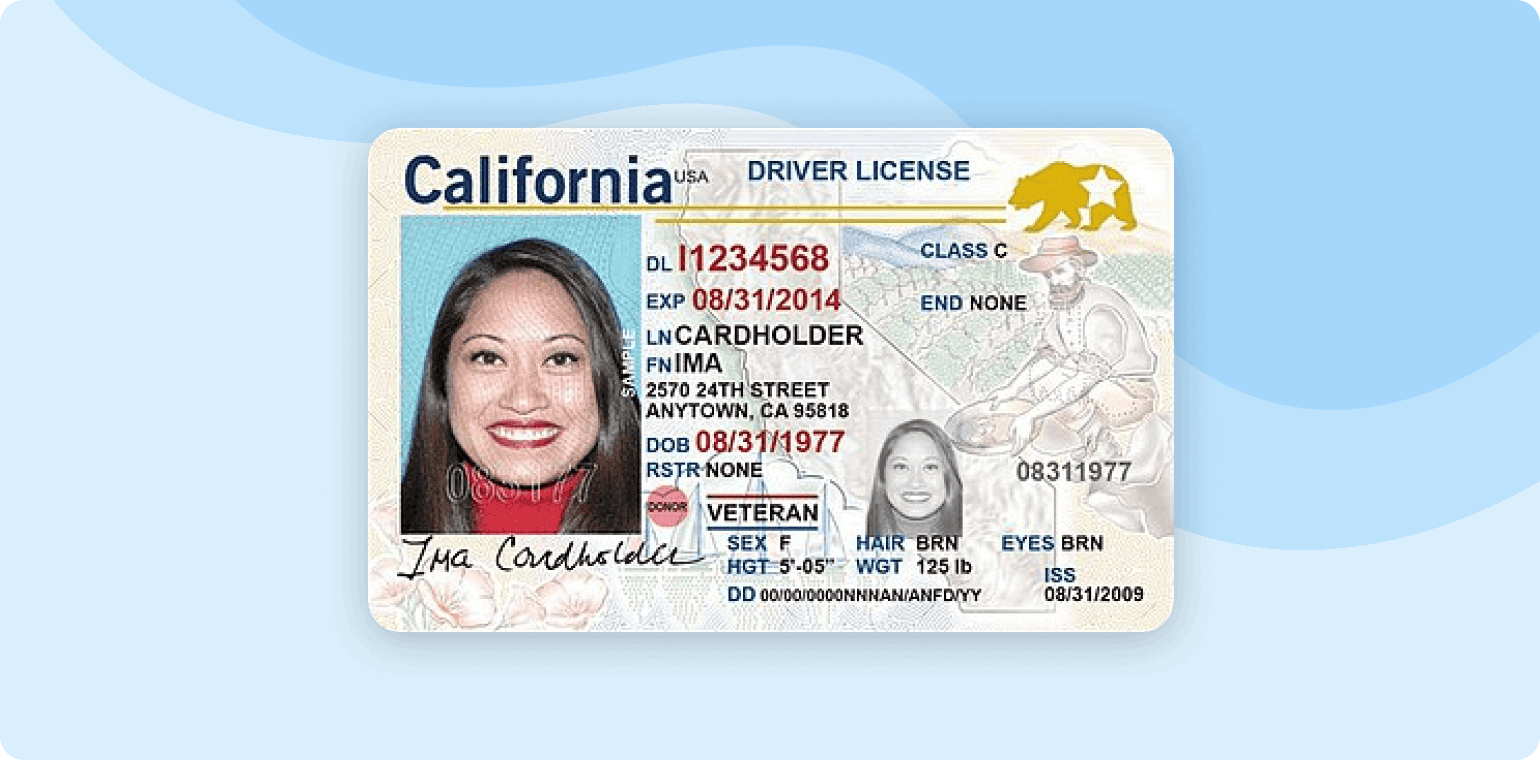
In the vast and diverse landscape of California, personal mobility isn’t just a convenience; it’s a cornerstone of daily life and a fundamental enabler of the distinct Californian lifestyle. From the sprawling urban centers of Los Angeles and San Francisco to the remote beauty of its national parks and coastal highways, having the freedom to drive is essential. At the heart of this freedom lies the California Class C driver’s license, the standard license that most residents and visitors obtain to navigate the Golden State’s extensive road network.
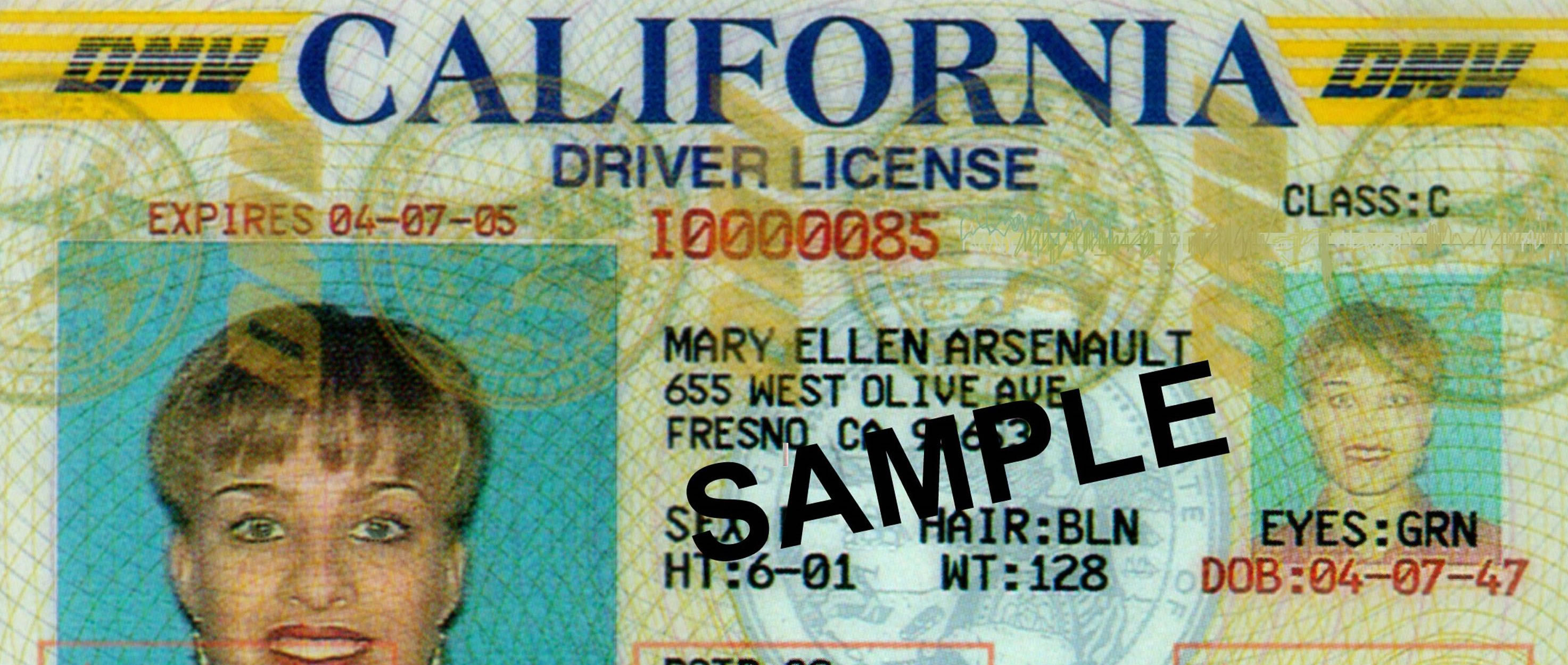
A California Class C license is far more than just a piece of identification; it represents access to independence, allowing individuals to commute to work, transport families, embark on spontaneous weekend adventures, and fully immerse themselves in the state’s vibrant culture and breathtaking natural wonders. Unlike commercial licenses, which are tailored for professional drivers operating specific types of heavy vehicles or passenger carriers, the Class C license is designed for the everyday driver. It covers the vast majority of personal vehicles on the road, making it the most common and vital form of driver’s authorization in the state. Understanding its scope, requirements, and implications is crucial for anyone looking to embrace the full spectrum of opportunities that California offers. This license is the essential first step toward unlocking countless lifestyle choices, from exploring hidden beaches to visiting bustling city centers, all at your own pace and schedule.
Navigating the Golden State: What Your Class C License Permits
The California Class C license is specifically structured to permit the operation of typical passenger vehicles, ensuring that the majority of personal transportation needs are met. Its guidelines are clear and encompass a wide array of vehicles common in daily life across the state.
Vehicles Permitted Under a Class C License
With a Class C license, you are authorized to operate:
- Two-Axle Vehicles: This broadly covers standard passenger cars, vans, SUVs, and most pickup trucks. The gross vehicle weight rating (GVWR) for these vehicles must be 26,000 pounds or less. This category forms the backbone of personal transport in California, facilitating everything from daily commutes to school pickups and grocery runs.
- Three-Axle Vehicles: You can drive three-axle vehicles with a GVWR of 6,000 pounds or less. This might include certain specialized vans or smaller trucks, expanding the utility for those who require slightly larger personal vehicles.
- Housecars (Motorhomes): One of the key aspects of the California lifestyle is the love for road trips and outdoor adventures. A Class C license permits you to drive a housecar (motorhome) that is 40 feet or less in length. This is a significant allowance, enabling individuals and families to explore destinations like Yosemite National Park, Death Valley National Park, or the scenic routes along the Pacific Coast Highway in comfort and style, without needing a specialized commercial license.
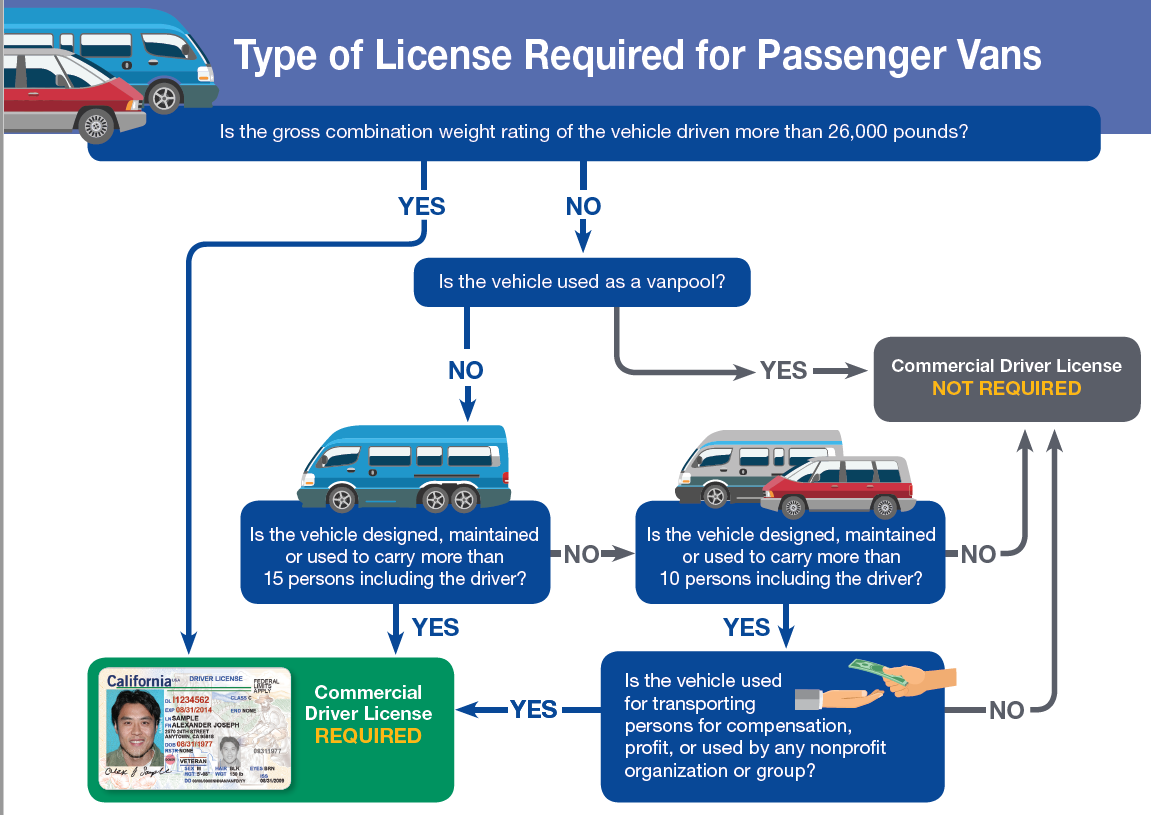
- Vanpool Vehicles: If operating a vanpool designed to carry no more than 10 persons, including the driver, for hire, a Class C license is sufficient. This supports community-oriented transportation and helps reduce traffic congestion, aligning with sustainable lifestyle choices.
- Motorcycles (with Endorsement): While a Class C license doesn’t inherently cover motorcycles, it serves as the base license to which an M1 or M2 endorsement can be added. This endorsement, requiring additional testing, allows for the operation of motorcycles, enabling a different segment of the active California lifestyle that enjoys two-wheeled freedom.
- Two-Wheel Scooters and Mopeds: These smaller, often fuel-efficient vehicles are also covered under a Class C license, offering alternative urban mobility solutions for those navigating crowded city streets or seeking more eco-friendly transportation options.
Limitations and Lifestyle Implications
While generous, the Class C license does have specific limitations that guide its use:
- Weight Limits: The most crucial limitation revolves around weight. You cannot operate any single vehicle with a GVWR exceeding 26,000 pounds, nor can you tow a vehicle weighing more than 10,000 pounds GVWR. This distinction clearly separates personal vehicle use from commercial trucking or heavy hauling.
- Passenger Capacity (for hire): While there’s no passenger limit for personal, non-commercial use, if you are transporting passengers for hire, the limit is capped at 10 individuals, including the driver. This prevents Class C holders from operating large commercial buses or shuttles without proper commercial licensing.
- Combination Vehicles: You are permitted to tow a single vehicle with a GVWR of 10,000 pounds or less (e.g., a boat, travel trailer, or utility trailer), or a housecar or vehicle towing a trailer (not exceeding 10,000 pounds GVWR). This flexibility is vital for the outdoor and recreational lifestyle prevalent in California, allowing for adventures that involve towing recreational equipment to destinations like Lake Tahoe or the many camping sites across the state.
Essentially, the California Class C license is tailored to empower individuals to fully participate in the state’s diverse lifestyle. It supports everything from the daily grind in bustling cities to the ultimate cross-state road trip, providing the essential legal framework for personal freedom on the open road.
Obtaining Your Class C License: A Gateway to Californian Living
Acquiring a California Class C license is a well-defined process managed by the California Department of Motor Vehicles (DMV). For many, especially new residents or young adults, this process marks a significant step towards independence and integration into the Californian way of life.
Eligibility and Initial Requirements
To apply for a Class C license in California, several foundational requirements must be met:
- Age: Applicants must be at least 18 years old. However, those aged 16 and 17 can apply for a provisional Class C license after completing specific driver education and training programs and holding an instruction permit for at least six months. This provisional license comes with certain restrictions regarding driving hours and passenger age.
- Residency: You must prove your legal presence and residency in California. This typically involves providing documents such as utility bills, rental agreements, or other state-approved proofs of address.
- Social Security Number: A valid Social Security Number (SSN) is generally required for the application.
- Identification: You’ll need to present an acceptable identity document, such as a birth certificate, U.S. passport, or permanent resident card.
The Application Process
The journey to obtaining a Class C license involves several key steps:
- Complete the Driver’s License Application (DL 44/DL 44C): This form can be filled out online prior to your DMV visit to save time.
- Schedule an Appointment: While walk-ins are sometimes accommodated, scheduling an appointment at a local DMV office is highly recommended to minimize wait times.
- Provide Documentation: At your appointment, you will need to present all required documents for identification, residency, and legal presence.
- Pay the Application Fee: A non-refundable fee is required to process your application.
- Thumbprint and Photo: Your thumbprint will be taken, and your photo will be captured for your driver’s license card.
- Vision Test: You must pass a vision test to ensure you meet the minimum visual acuity standards for safe driving.
- Knowledge Test (Written Exam): This multiple-choice test assesses your understanding of California traffic laws, road signs, and safe driving practices. Studying the official California Driver Handbook is essential for success.
- Driving Test (Behind-the-Wheel Exam): Once you pass the knowledge test and receive your instruction permit (if applicable), you can schedule a driving test. This practical exam evaluates your ability to safely operate a vehicle, follow traffic laws, and demonstrate essential driving maneuvers. You must provide your own registered and insured vehicle for the test.
Successfully navigating these steps culminates in receiving your Class C license, which then allows you to freely drive and experience all that California has to offer, from the bustling streets of San Diego to the tranquil vineyards of Napa Valley. This license truly represents a significant rite of passage and an indispensable tool for independent living in the state.
Beyond the Basics: Endorsements and Restrictions for Enhanced Lifestyles
While the basic California Class C license covers a broad range of personal vehicles, specific lifestyle choices or medical conditions might necessitate additional endorsements or lead to certain restrictions being placed on the license. These modifications ensure that drivers are authorized and equipped to operate vehicles safely under various circumstances.
Common Endorsements
Endorsements are additional qualifications added to your existing Class C license, expanding the types of vehicles you are legally allowed to operate:
- Motorcycle Endorsement (M1 or M2): For those who prefer two-wheeled transportation, a motorcycle endorsement is essential. An M1 endorsement allows you to operate any two-wheel motorcycle, motor-driven cycle, or motorized scooter. An M2 endorsement is restricted to motorized bicycles, mopeds, or scooters. Obtaining either requires passing a separate knowledge test and a skills test (or completing an approved motorcycle training course). For many Californians, motorcycle riding is a significant part of their active lifestyle, whether for commuting, touring the state’s scenic routes, or participating in motorcycle clubs.
- Noncommercial Class A or B Endorsements: While the focus here is on the Class C, it’s worth noting that if you wish to drive larger recreational vehicles, such as certain large motorhomes over 40 feet or tow very heavy trailers (e.g., horse trailers weighing over 10,000 pounds GVWR), you might need a noncommercial Class B or Class A endorsement, respectively. These are for specific, heavier-duty personal uses that exceed the Class C limits but do not fall under commercial operation. These endorsements cater to very specific recreational lifestyles, such as serious RV enthusiasts or equestrian competitors.
Common Restrictions
Restrictions are placed on a driver’s license to ensure safe operation based on medical conditions or other factors. These are not limitations on your lifestyle but rather safeguards that ensure you can drive safely:
- Corrective Lenses: The most common restriction (Condition 01) requires the driver to wear corrective lenses (glasses or contact lenses) while driving. This is determined during the vision test at the DMV. For most, this is a minor adjustment that doesn’t hinder their ability to enjoy driving.
- Daylight Driving Only: In some cases, if a driver has significant vision impairment at night, a restriction might be placed to limit driving to daylight hours only. This could impact lifestyle choices involving late-night activities or long-distance travel, but prioritizes safety.
- Driving with Special Equipment: If a driver requires adaptive equipment in their vehicle due to a physical disability (e.g., hand controls), this restriction will be noted on the license. This ensures that even with specific needs, individuals can maintain their mobility and independent lifestyle through customized solutions.
- Hearing Aids: Similar to corrective lenses, if a driver relies on hearing aids to meet hearing requirements for driving, this might be noted as a restriction.
These endorsements and restrictions demonstrate the flexibility of the California licensing system, allowing it to adapt to individual needs and preferences while upholding public safety standards. They ensure that whether you’re a motorcycle enthusiast, an avid RVer, or someone with specific health considerations, your Class C license (or its enhanced version) accurately reflects your driving privileges and supports your unique Californian lifestyle.
The Class C License and the California Lifestyle: Independence and Exploration
The California Class C license is more than a legal requirement; it’s a profound enabler of the quintessential California lifestyle characterized by independence, exploration, and the pursuit of diverse experiences. Without this license, fully engaging with the state’s vast opportunities would be significantly constrained for most individuals.
Imagine the breadth of experiences enabled by the freedom to drive:
- Weekend Escapes: From spontaneous trips to the beaches of San Diego or the wine regions of Sonoma to mountain adventures in the Sierra Nevada, a Class C license is the key. These quick getaways are a staple of Californian living, offering respite and recreation that are easily accessible by car.
- Epic Road Trips: California is synonymous with iconic road trips. Driving the scenic Pacific Coast Highway with its breathtaking ocean views, venturing into the stark beauty of Death Valley National Park, or exploring the towering sequoias of Yosemite National Park are experiences made possible by the ability to pilot your own vehicle. These journeys foster a deep connection with the state’s natural grandeur and define many people’s lifestyle pursuits.
- Urban and Suburban Living: In major metropolitan areas like Los Angeles and San Francisco, where public transportation can be extensive but doesn’t always cover every nook and cranny, a personal vehicle is often indispensable for managing daily life. Commuting to work, taking children to school and activities, running errands, and accessing a wide array of cultural and entertainment venues become seamless with a Class C license. It allows individuals to truly personalize their urban lifestyle.
- Professional and Economic Opportunities: For many, a driver’s license is a prerequisite for employment, especially in sectors requiring travel, deliveries, or even just reliable transportation to and from work. It enables economic independence and broadens the scope of career choices, contributing significantly to one’s overall lifestyle quality.
- Social Connection and Family Life: Whether visiting family across counties, coordinating carpools for community events, or simply enjoying the flexibility of meeting friends for dinner, the Class C license facilitates robust social connections. For families, it’s the bedrock of logistical management, allowing parents to navigate busy schedules and create lasting memories through shared travels.
In essence, the California Class C license embodies the promise of self-reliance and the freedom to define one’s own path within the diverse fabric of the Golden State. It’s not just about operating a vehicle; it’s about unlocking a lifestyle rich in exploration, convenience, and personal autonomy, making it an indispensable tool for anyone calling California home or planning an extended stay.
LifeOutOfTheBox is a participant in the Amazon Services LLC Associates Program, an affiliate advertising program designed to provide a means for sites to earn advertising fees by advertising and linking to Amazon.com. Amazon, the Amazon logo, AmazonSupply, and the AmazonSupply logo are trademarks of Amazon.com, Inc. or its affiliates. As an Amazon Associate we earn affiliate commissions from qualifying purchases.