
For travelers, commuters, and those planning to explore the diverse landscapes of Illinois, understanding the geographical relationship between major urban centers is fundamental. Naperville, Il, often lauded as one of the best places to live in the United States, stands as a prominent suburb of the sprawling metropolis of Chicago, Il. This proximity offers a unique blend of suburban tranquility and big-city dynamism, making the journey between the two a frequent and significant route. Whether you’re contemplating a move, planning a day trip, or commuting for work, knowing the distance and the various travel options is key to a smooth and enjoyable experience.

The Geographical Connection: Distance and Direction
Geographically, Naperville is situated to the west-southwest of Chicago’s downtown Loop. The straight-line or “as the crow flies” distance between the central points of these two cities is approximately 25 to 30 miles (40 to 48 kilometers). However, actual travel distance by road is typically longer due to the winding nature of highways and the necessity of navigating urban and suburban infrastructure.
By road, the distance generally ranges from 28 to 35 miles (45 to 56 kilometers), depending on the specific origin and destination points within each city and the chosen route. Naperville primarily lies within DuPage County, while the vast majority of Chicago is in Cook County, with these two counties bordering each other. This relatively short distance makes travel between the two locations highly feasible for daily commutes, weekend excursions, or business trips.
Navigating the Corridor: Travel Times and Routes
The time it takes to travel from Naperville to Chicago (or vice versa) can vary significantly based on the mode of transport, time of day, and traffic conditions. This corridor is one of the busiest in the state, necessitating a strategic approach to travel planning.
By Car: Routes and Considerations
Driving is one of the most common ways to travel between Naperville and Chicago, offering flexibility and convenience. Several major interstates and tollways connect the two locations:
- Interstate 88 (Ronald Reagan Memorial Tollway): This is arguably the most direct and frequently used route. Traveling east from Naperville, I-88 leads directly into the western suburbs of Chicago and offers connections to other major expressways that feed into the city center. The typical drive time via I-88 without heavy traffic is usually 40 to 60 minutes. However, during peak rush hours (typically 6:30 AM to 9:30 AM and 3:30 PM to 6:30 PM on weekdays), this can easily extend to 90 minutes or even two hours.
- Interstate 55 (Stevenson Expressway): Another viable option involves taking local roads from Naperville to connect with I-55 further east. The Stevenson Expressway offers a direct route into Chicago’s Loop. While sometimes less congested than I-88 depending on the day, it still experiences significant traffic during peak hours. Travel time is comparable to I-88.
- Interstate 294 (Tri-State Tollway): For those looking to bypass some central city traffic or access different parts of Chicago, connecting to I-294 (the Tri-State Tollway) provides an alternative. This route typically involves more mileage but can sometimes offer smoother travel, especially if your destination is on the north or south sides of Chicago, or if you’re heading to one of the airports like O’Hare International Airport or Midway International Airport.
It’s important to note that all these routes involve tolls on the Illinois Tollway system. Utilizing an I-PASS transponder is highly recommended for convenience and discounted rates.
By Public Transportation: The Metra BNSF Line
For many commuters and visitors, public transportation offers a stress-free alternative to driving, particularly given Chicago’s robust transit network. The Metra BNSF Line is the backbone of public transit between Naperville and Chicago.
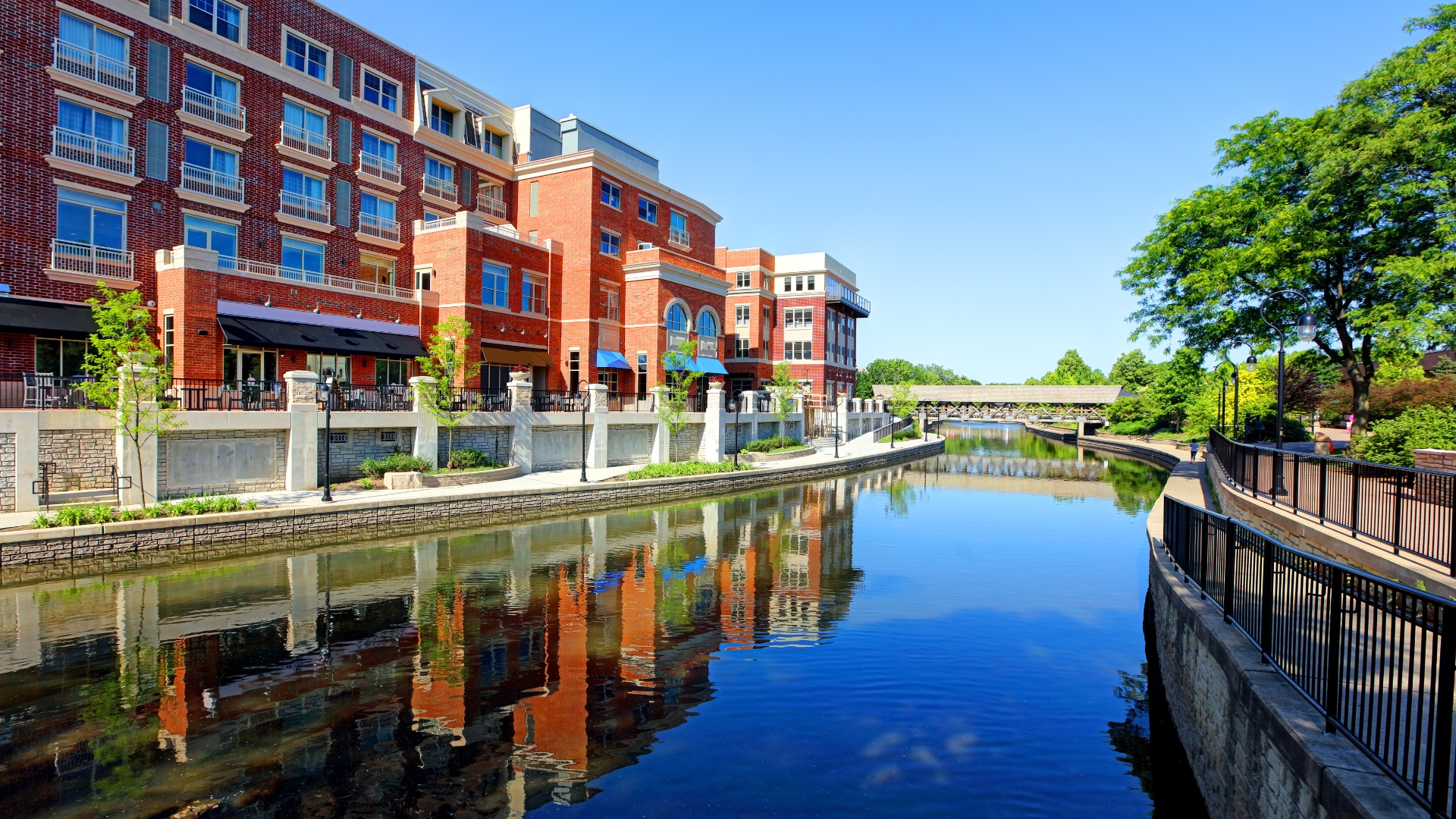
- Route and Stations: The BNSF Line runs directly from Naperville Metra Station into Chicago’s Union Station, located in the heart of the city’s West Loop. From Union Station, travelers can easily connect to the CTA ‘L’ train system, buses, or ride-sharing services to reach their final destination within Chicago.
- Travel Time: A typical Metra ride from Naperville to Union Station ranges from 35 to 55 minutes, depending on whether it’s an express or local train. Express trains during peak hours are significantly faster. This makes it a highly time-efficient option, as the train avoids road traffic entirely.
- Frequency: Metra trains on the BNSF Line operate frequently, especially during weekday rush hours, providing multiple options throughout the day. Weekend service is also available, albeit with reduced frequency.
The Appeal of Both Destinations: Why Travel Between Them?
Understanding the distance and travel options is only part of the equation; the allure of both Naperville and Chicago fuels this constant movement.
From Naperville to Chicago: Urban Exploration
For residents of Naperville and surrounding suburbs, Chicago offers an unparalleled array of experiences:
- World-Class Attractions: From the architectural marvels like the Willis Tower Skydeck and the artistic installations of Millennium Park to the revered collections at the Art Institute of Chicago, the city is a treasure trove of cultural and recreational sites.
- Diverse Dining and Entertainment: Chicago’s culinary scene is globally renowned, offering everything from deep-dish pizza to Michelin-starred restaurants. Its vibrant theater district, live music venues, and sports arenas provide endless entertainment options.
- Shopping and Business: The Magnificent Mile offers premier shopping, while the Loop serves as a major financial and business hub, attracting professionals from across the region.
From Chicago to Naperville: Suburban Charm and Family-Friendly Excursions
Naperville, on the other hand, presents a refreshing escape from the urban density, known for its high quality of life and family-friendly atmosphere:
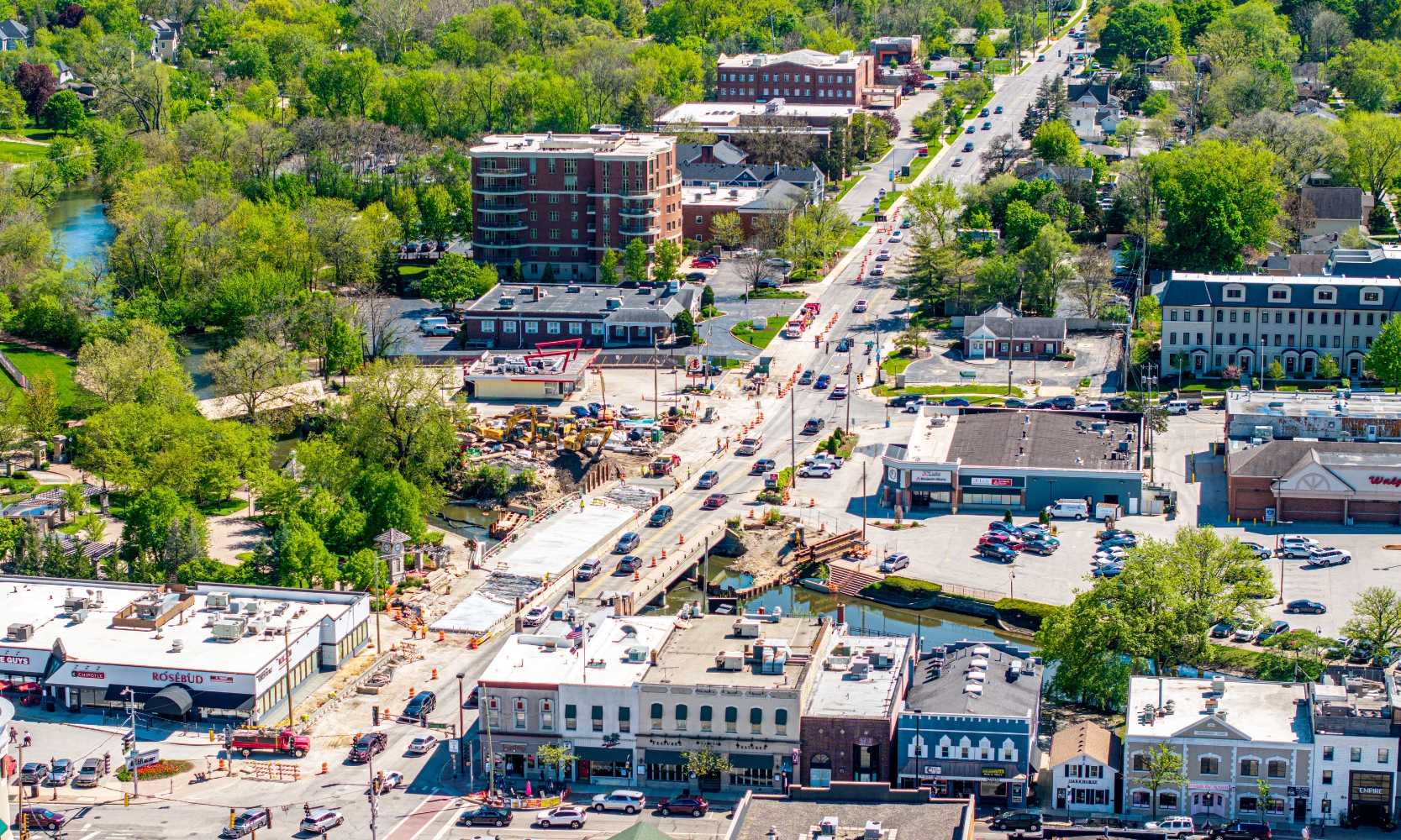
- The Naperville Riverwalk: Often called the “Crown Jewel” of Naperville, this scenic pathway along the DuPage River offers picturesque views, fountains, bridges, and public art, ideal for leisurely strolls, cycling, or picnics.
- Centennial Beach: A unique recreational facility, it’s a former quarry transformed into a family-friendly swimming area with sand, diving boards, and concession stands, offering a beach-like experience in the heart of the Midwest.
- Downtown Naperville: Bustling with boutique shops, diverse restaurants, and vibrant events, Downtown Naperville provides a lively, yet relaxed, atmosphere distinct from Chicago’s intensity.
- Outdoor and Cultural Attractions: Nearby attractions like the Morton Arboretum in Lisle and Cantigny Park in Wheaton offer expansive natural beauty, historical exhibits, and family-friendly activities, making Naperville an excellent base for exploring the western suburbs.
Practical Travel Tips for the Naperville-Chicago Corridor
To ensure a seamless journey between Naperville and Chicago, consider these practical tips:
- Plan Ahead for Traffic: If driving, use real-time traffic apps like Google Maps or Waze to monitor conditions and choose the best route. Avoid peak rush hours if possible.
- Toll Awareness: Be prepared for tolls on major highways. An I-PASS transponder is highly recommended for cost savings and convenience. Cash lanes are becoming increasingly rare.
- Metra Schedules: For public transport, always check the Metra website or app for the latest schedules, especially for weekend and holiday service adjustments. Purchase tickets in advance via the Ventra app or at the station.
- Parking in Chicago: If driving into Chicago, parking can be expensive and challenging to find. Research parking garages in advance using apps like SpotHero to secure a spot and potentially save money.
- Combined Travel: Consider driving to a Metra station in the outer suburbs (e.g., Route 59 Station west of Naperville) and taking the train the rest of the way into the city to avoid city driving and parking woes. This “park and ride” strategy is popular.
- Weekend vs. Weekday: Travel times and congestion patterns differ significantly between weekdays and weekends. Weekends generally see lighter traffic on major highways but busier Metra services for leisure travelers.
The distance between Naperville, Il, and Chicago, Il, is not merely a number; it represents a dynamic connection between a thriving suburb and a world-class city. With efficient transportation networks and a wealth of attractions in both locales, navigating this corridor is a straightforward endeavor that opens up a multitude of travel experiences for residents and visitors alike.
LifeOutOfTheBox is a participant in the Amazon Services LLC Associates Program, an affiliate advertising program designed to provide a means for sites to earn advertising fees by advertising and linking to Amazon.com. Amazon, the Amazon logo, AmazonSupply, and the AmazonSupply logo are trademarks of Amazon.com, Inc. or its affiliates. As an Amazon Associate we earn affiliate commissions from qualifying purchases.