
Embarking on a transcontinental journey from the sun-drenched shores of California to the vibrant landscapes of Florida is an exciting prospect for many travelers. Whether you’re planning a family vacation to theme parks, a relaxing beach getaway, or a business trip, understanding the flight duration is crucial for effective travel planning. The non-stop flight time between these two distant states typically ranges from approximately 4.5 to 6 hours, but several factors can influence the exact duration of your journey. Delving into these variables, along with practical travel insights, can help you prepare for a smooth and comfortable experience across the country.
Understanding Flight Duration Variables
The seemingly straightforward question of flight duration between California and Florida is, in reality, influenced by a complex interplay of geographical, logistical, and environmental factors. Grasping these nuances is key to accurately estimating your travel time and managing your expectations.
Departure and Arrival Cities
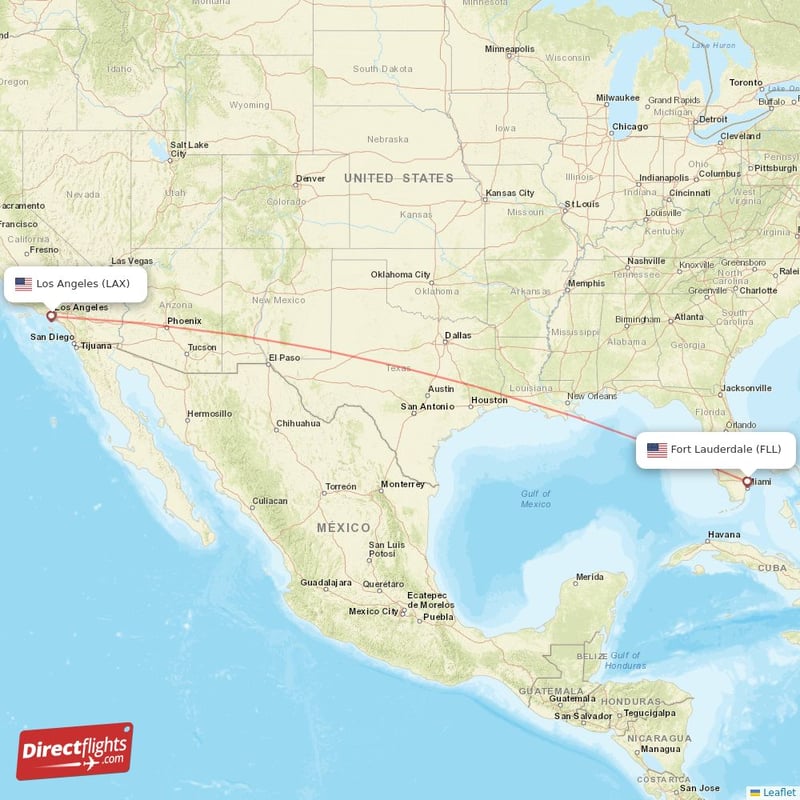
One of the most significant determinants of flight length is the specific combination of departure and arrival airports. California boasts several major international airports, including Los Angeles International Airport (LAX), San Francisco International Airport (SFO), and San Diego International Airport (SAN), each serving as a primary gateway to the East Coast. Similarly, Florida offers numerous key destinations such as Miami International Airport (MIA), Orlando International Airport (MCO), and Fort Lauderdale-Hollywood International Airport (FLL). The geographical distance between Los Angeles and Miami is different from that between San Francisco and Orlando, leading to variations in flight times. Generally, flights originating from Southern California airports like LAX to South Florida airports like MIA tend to be among the longest routes due to the greater east-west span.
Direct vs. Connecting Flights
The choice between a direct (non-stop) flight and a connecting flight profoundly impacts your total travel time. A direct flight, as the name suggests, takes you from your origin to your destination without any layovers, offering the most efficient travel time. Connecting flights, however, involve one or more stops at intermediate airports, adding several hours to your journey, including taxiing, deplaning, re-boarding, and potential wait times between flights. While direct flights are often preferred for convenience, connecting flights can sometimes be more cost-effective or offer more flexible scheduling options, especially if direct routes are limited for your specific city pair.
Airline and Aircraft Type
Different airlines operate various types of aircraft, each with distinct cruising speeds and operational efficiencies. Larger, more modern jets designed for long-haul routes, such as Boeing 737s or Airbus A320s, generally offer faster travel times compared to smaller regional jets. Furthermore, airlines might schedule flights with varying buffer times to account for potential delays, which can slightly alter the advertised flight duration. Some airlines might also optimize their flight paths differently, influenced by factors like fuel efficiency and air traffic control directives.
Weather Conditions and Air Traffic Control
Even the most meticulously planned flight schedules can be affected by external factors. Adverse weather conditions, such as strong head- or tailwinds, thunderstorms, or even widespread fog at either the departure or arrival airport, can necessitate rerouting or cause delays. A strong tailwind can significantly shorten a flight from west to east, potentially shaving off 15-30 minutes, while a headwind can have the opposite effect. Air traffic control (ATC) plays a critical role in managing the flow of aircraft. During peak travel times or in congested airspace, ATC might issue ground delays or route changes, adding minutes to the flight time. These factors are unpredictable but are a standard consideration in air travel.
Typical Flight Times from Major California Hubs to Florida
To provide a clearer picture, let’s explore common non-stop flight durations from California’s busiest airports to Florida’s key destinations. These figures represent typical flying times under normal conditions.
Flights from Los Angeles International Airport (LAX)
LAX serves as a major gateway for travelers heading to the East Coast. Direct flights from Los Angeles typically follow these durations:
- To Miami International Airport (MIA): Expect non-stop flights to range from 4 hours and 50 minutes to 5 hours and 30 minutes. This route covers one of the longest distances within the continental United States. Miami is a popular destination for its vibrant culture and proximity to cruise ports.
- To Orlando International Airport (MCO): Flights to Orlando, the heart of Florida’s theme park region, typically take between 4 hours and 40 minutes to 5 hours and 20 minutes.
- To Fort Lauderdale-Hollywood International Airport (FLL): Located just north of Miami, flights to Fort Lauderdale are comparable in duration to MIA, usually falling within 4 hours and 50 minutes to 5 hours and 30 minutes.
Flights from San Francisco International Airport (SFO)
Located further north, San Francisco International Airport (SFO) typically sees slightly longer flight times due to its northern latitude.
- To Miami International Airport (MIA): Non-stop services from San Francisco to Miami are generally in the range of 5 hours and 15 minutes to 5 hours and 45 minutes.
- To Orlando International Airport (MCO): Travelers heading to Orlando from SFO can anticipate a flight lasting approximately 5 hours to 5 hours and 30 minutes.
Flights from San Diego International Airport (SAN) or Oakland International Airport (OAK)
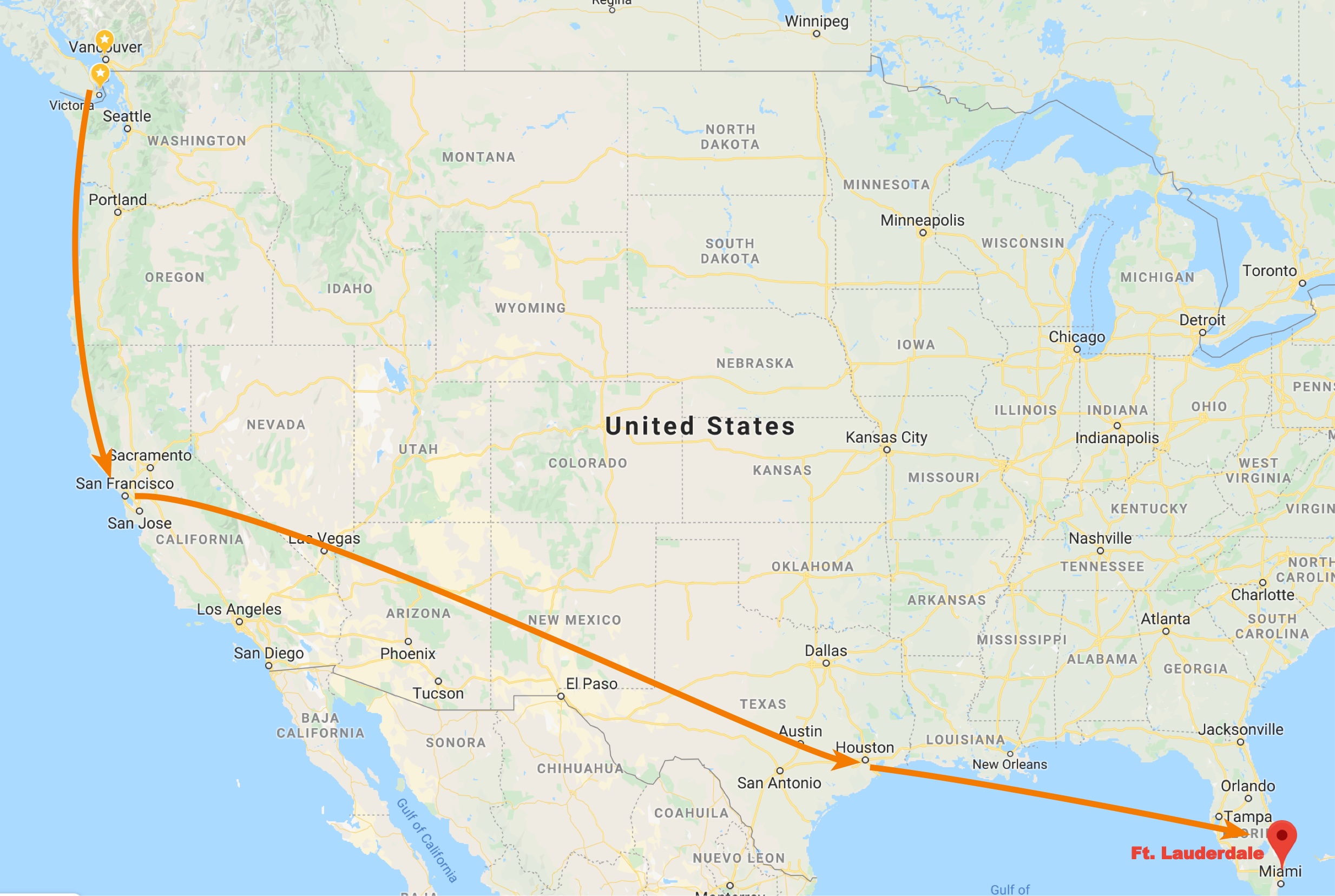
While San Diego International Airport (SAN) and Oakland International Airport (OAK) also offer routes to Florida, direct flight options can be less frequent compared to LAX or SFO. For destinations without direct service, travelers will likely need to opt for connecting flights, often through larger hubs, which will extend the overall travel duration significantly. Direct flight times from San Diego would be similar to Los Angeles routes, while those from Oakland would align more closely with San Francisco durations.
Navigating Time Zones and Their Impact
One of the often-overlooked aspects of transcontinental travel is the shift in time zones. California operates on Pacific Time (PT), while the majority of Florida observes Eastern Time (ET). This results in a three-hour time difference that can impact your arrival experience.
The Three-Hour Difference
When you depart California, you will be flying into a time zone that is three hours ahead. This means if you leave Los Angeles at 9:00 AM PT on a 5-hour flight, you will arrive in Miami around 5:00 PM ET (9:00 AM + 5 hours flight time + 3 hours time difference). While the actual flight duration remains constant, the perceived arrival time on your body clock will be later than it is locally, which can contribute to jet lag.
Managing Jet Lag for a Smoother Arrival
For many, a three-hour time difference is manageable, but proper preparation can make a significant difference. Begin adjusting your sleep schedule a few days before your trip by going to bed slightly earlier. Hydrate well during the flight and try to adjust to the local time upon arrival, exposing yourself to natural light during the day and minimizing screen time before bed. Planning a less strenuous first day in Florida can also help your body acclimate smoothly.
Planning Your Transcontinental Journey: Tips for a Comfortable Flight
A long-haul domestic flight requires some strategic planning to ensure comfort and minimize travel fatigue. Here are some insightful tips for your journey from California to Florida.
Choosing the Right Flight Time
Consider your personal preferences and the purpose of your trip when selecting flight times. Morning flights often have better on-time performance and allow you to arrive in Florida with part of the day left to settle in. Red-eye flights, departing California late at night and arriving early morning in Florida, can be appealing for business travelers or those who prefer to sleep through the journey, effectively “gaining” a day. However, ensure you can genuinely rest on the plane to avoid feeling exhausted upon arrival.
Packing Essentials for Long-Haul Domestic Travel
For a flight of 4-6 hours, your carry-on essentials become crucial. Pack items that enhance comfort and convenience:
- Comfortable Clothing: Wear loose, breathable layers.
- Neck Pillow and Eye Mask: Essential for napping or resting.
- Headphones/Earbuds: For entertainment or noise cancellation.
- Snacks: While airlines offer service, having your preferred snacks is always a good idea.
- Empty Water Bottle: You can fill it after security to stay hydrated.
- Chargers and Portable Power Bank: Keep your devices alive throughout the journey.
- Entertainment: Books, e-readers, downloaded movies, or podcasts can make time fly by.
Staying Hydrated and Active
Dehydration is common on flights due to low cabin humidity. Drink plenty of water before, during, and after your flight. Limit caffeine and alcohol, which can contribute to dehydration. Staying active is also important to prevent stiffness and improve circulation. Take short walks up and down the aisle when safe to do so, and perform simple stretching exercises in your seat.
In-flight Entertainment and Comfort
Most major airlines offer in-flight entertainment systems with movies, TV shows, and music. If this is important to you, check the airline’s offerings beforehand. For added comfort, consider splurging on seats with extra legroom or, if available and within budget, a premium economy or first-class upgrade. These can significantly enhance your experience on a longer flight.
Beyond the Flight: Maximizing Your Florida Experience
Once your flight has safely landed, the true adventure in Florida begins. The Sunshine State offers an incredible diversity of attractions and experiences, catering to every type of traveler.

Popular Florida Destinations
- Orlando: Home to world-renowned theme parks like Walt Disney World Resort and Universal Orlando Resort, Orlando is a magical destination for families and thrill-seekers alike.
- Miami: Known for its vibrant nightlife, stunning South Beach, Art Deco architecture, and rich Cuban influence, Miami offers a unique cultural fusion.
- Fort Lauderdale: Often called the “Venice of America” due to its extensive canal system, Fort Lauderdale is perfect for yachting, upscale dining, and relaxing beach days.
- Key West: The southernmost point of the continental United States, Key West offers a laid-back island vibe, historic sites, and breathtaking sunsets.
- Everglades National Park: Explore unique ecosystems and encounter wildlife like alligators and various bird species in this expansive wetland.
The journey from California to Florida is a substantial cross-country endeavor, but with careful planning and an understanding of the flight dynamics, it can be a comfortable and enjoyable part of your overall travel experience. By considering the factors that influence flight duration and implementing smart travel tips, you’ll be well-prepared to arrive refreshed and ready to explore all that the Sunshine State has to offer.
LifeOutOfTheBox is a participant in the Amazon Services LLC Associates Program, an affiliate advertising program designed to provide a means for sites to earn advertising fees by advertising and linking to Amazon.com. Amazon, the Amazon logo, AmazonSupply, and the AmazonSupply logo are trademarks of Amazon.com, Inc. or its affiliates. As an Amazon Associate we earn affiliate commissions from qualifying purchases.